Newsletters


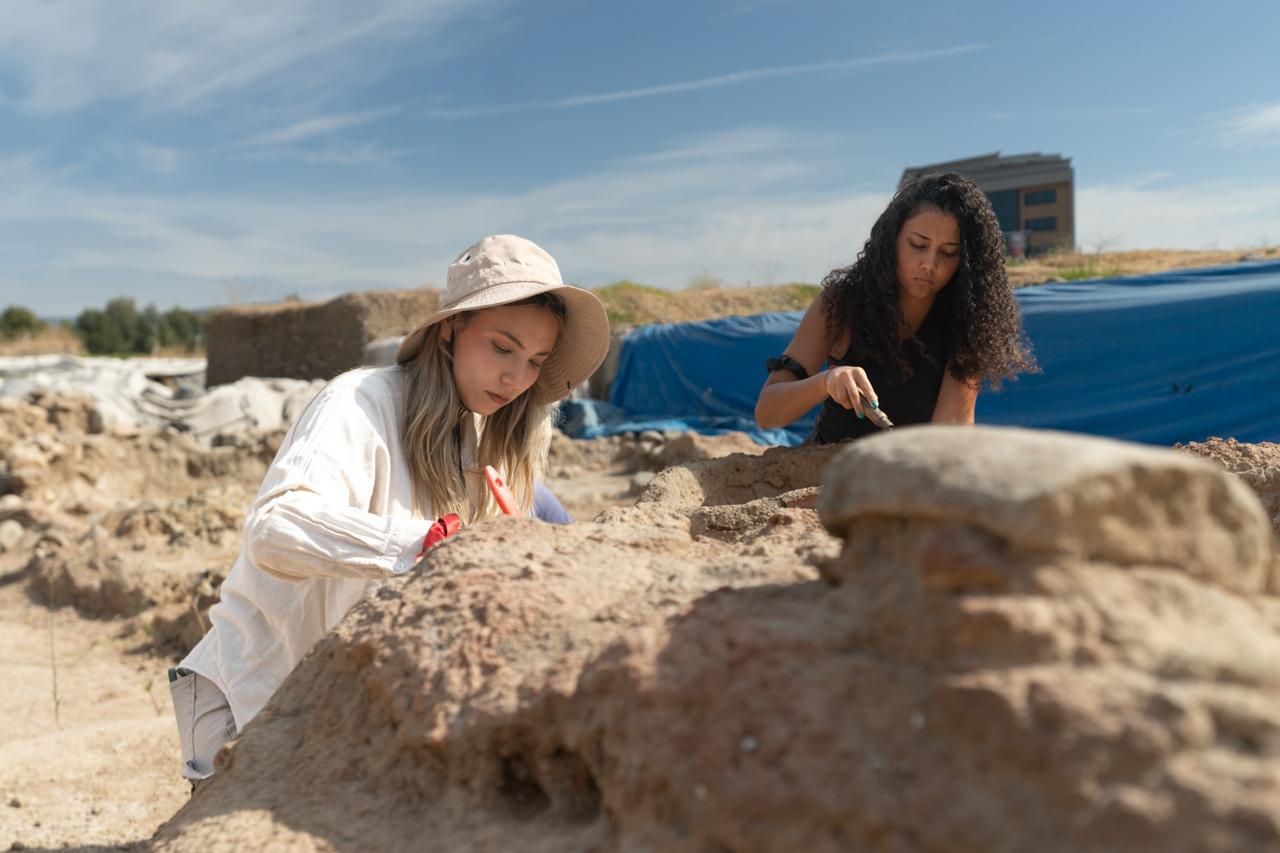


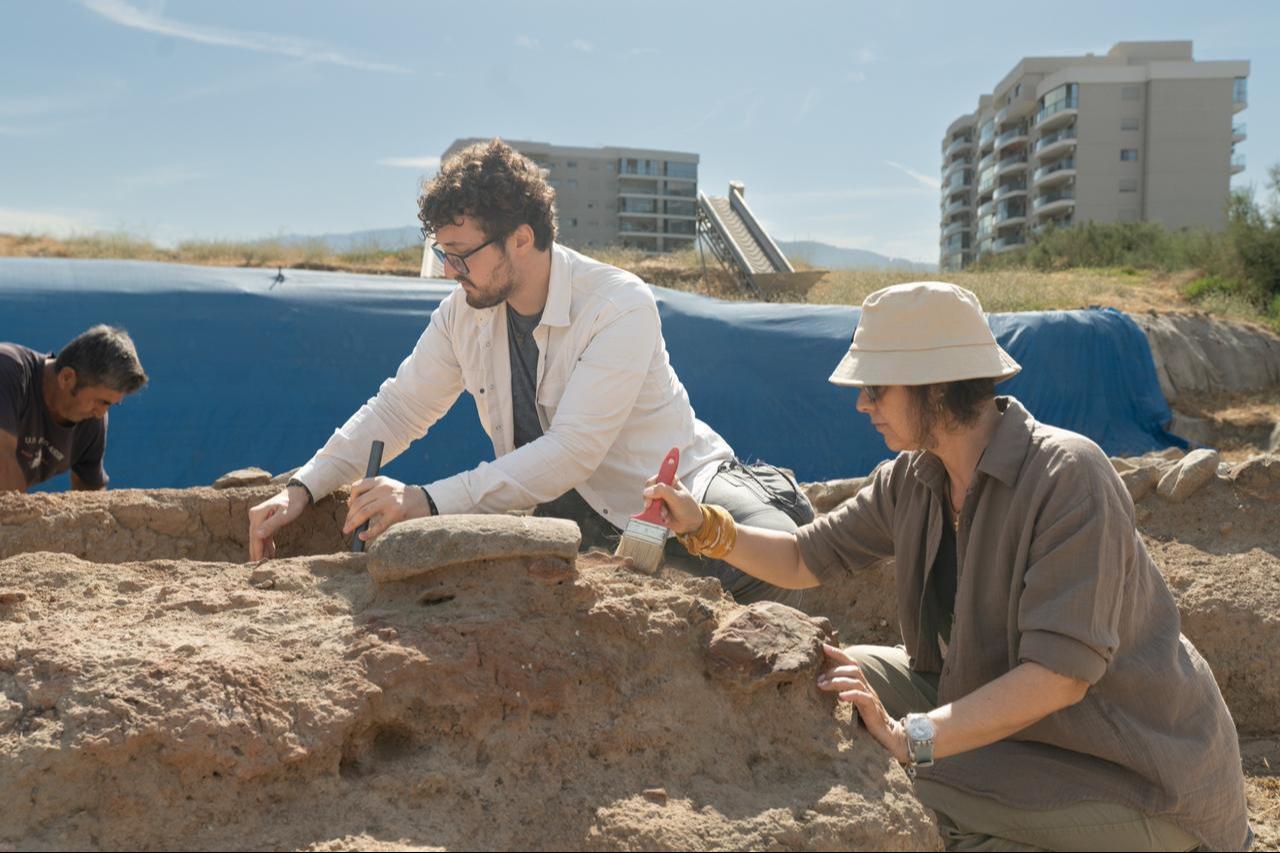
Archaeologists working at Yesilova Hoyugu, the oldest known settlement area in Türkiye's western city of Izmir, have uncovered new evidence showing how people living there 8,500 years ago shared communal kitchens, ate sea bream and mussels, used cosmetics and jewelry, and rebuilt their settlement after destructive fires.
The 2026 excavations have focused particularly on the Neolithic settlement at the site in Izmir's Bornova Plain, gradually building up a clearer picture of a community that lived in separate houses while organizing food preparation, fishing and other activities collectively.
Excavation director Associate Professor Zafer Derin said the inhabitants bore striking similarities to later Aegean communities, describing them as "Izmir's first Aegeans, the first people of Izmir."
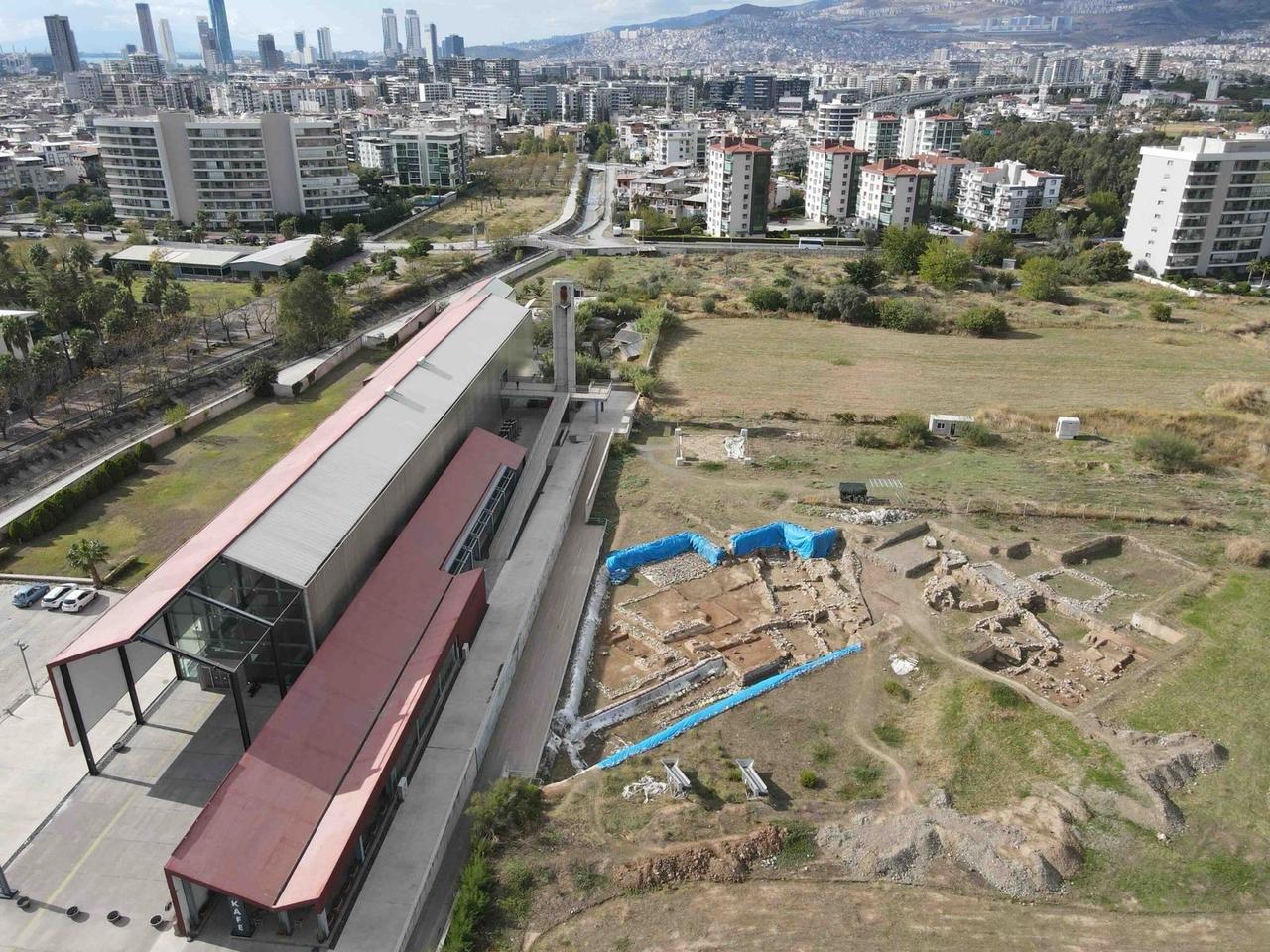

One of the main discoveries from this year's excavations is an open-air kitchen workshop containing different hearths and ovens, along with pottery found around them.
Although individual homes also had their own cooking facilities, communal kitchens were set up outside the houses, suggesting that residents came together to bake bread and prepare meals.
Derin compared the arrangement with shared production practices still seen in villages, saying the findings showed a community that had developed sophisticated ways of organizing life together.
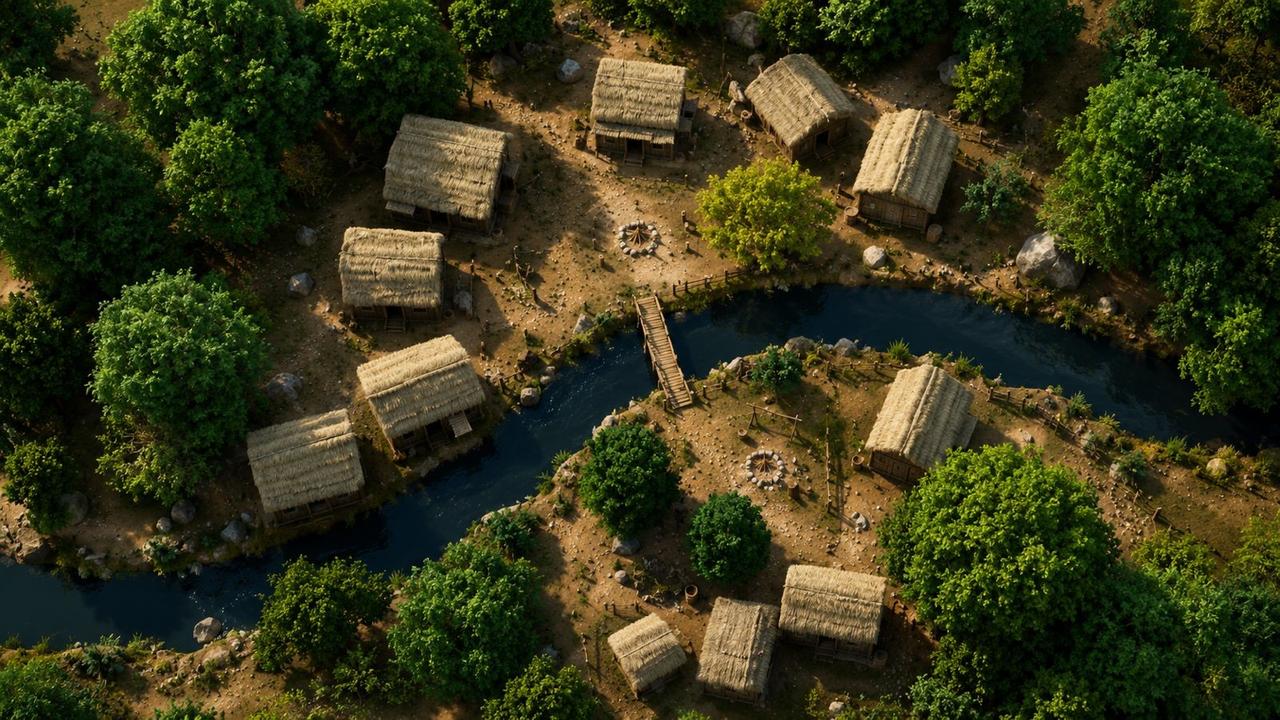
The houses themselves were separate structures with pitched roofs, indicating that private living spaces existed alongside areas set aside for communal activities.
Food remains and fishing equipment have also shed light on what the settlement's residents ate.
Alongside farming and animal husbandry, the community made extensive use of marine resources, while fishing appears to have been carried out in an organized way, as shown by fishing-net weights uncovered during excavations.
Derin said sea bream appeared to have been among the community's favored fish.
"Sea bream was perhaps one of the fish they liked most. They are not very different from today's Aegean society," he said.
Mussels were also consumed, adding to evidence of a diet closely connected to the surrounding Aegean environment.
Finds from earlier excavation seasons have also revealed how personal appearance formed part of everyday life at Yesilova.
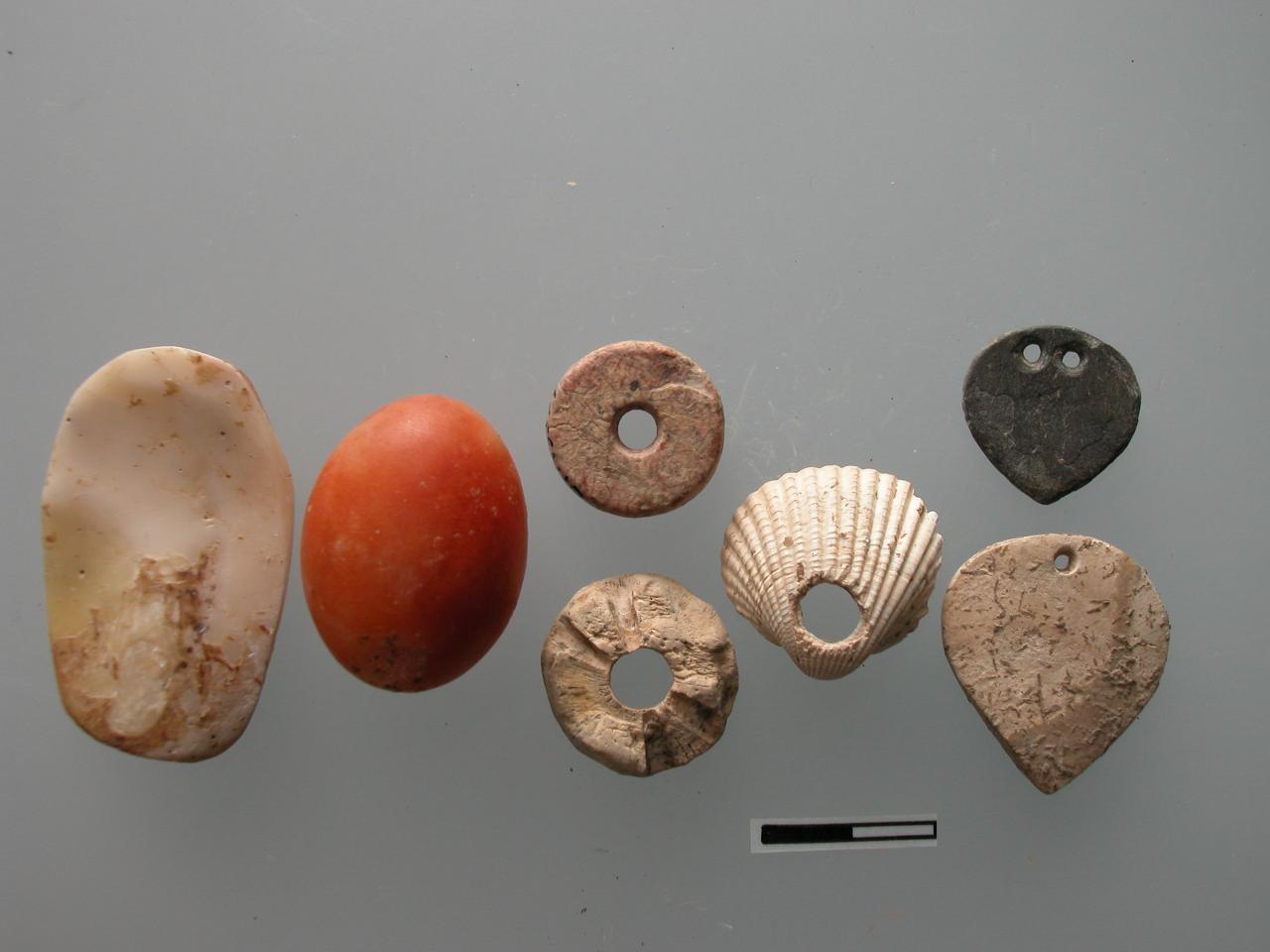
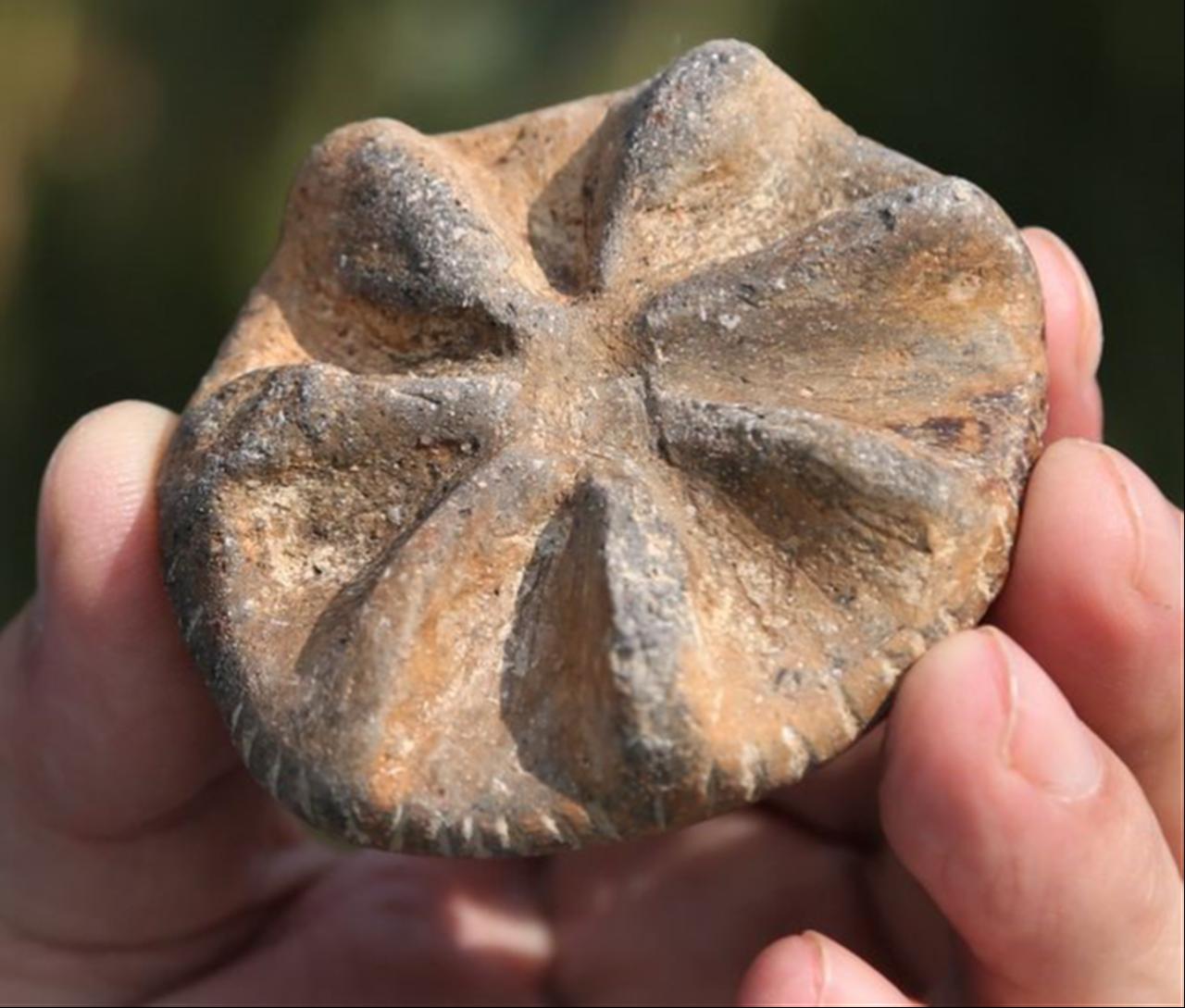
Archaeologists uncovered a specially shaped cosmetic applicator dating back about 8,000 years, believed to have been used for applying a black substance containing carbon.
Numerous ornaments and containers associated with jewelry have also been found, showing that personal decoration held a place in the community's daily life.
Derin said the cosmetic applicator had been made by carefully shaping a thin piece of stone.
The archaeological record also shows that residents reused materials rather than simply throwing damaged objects away.
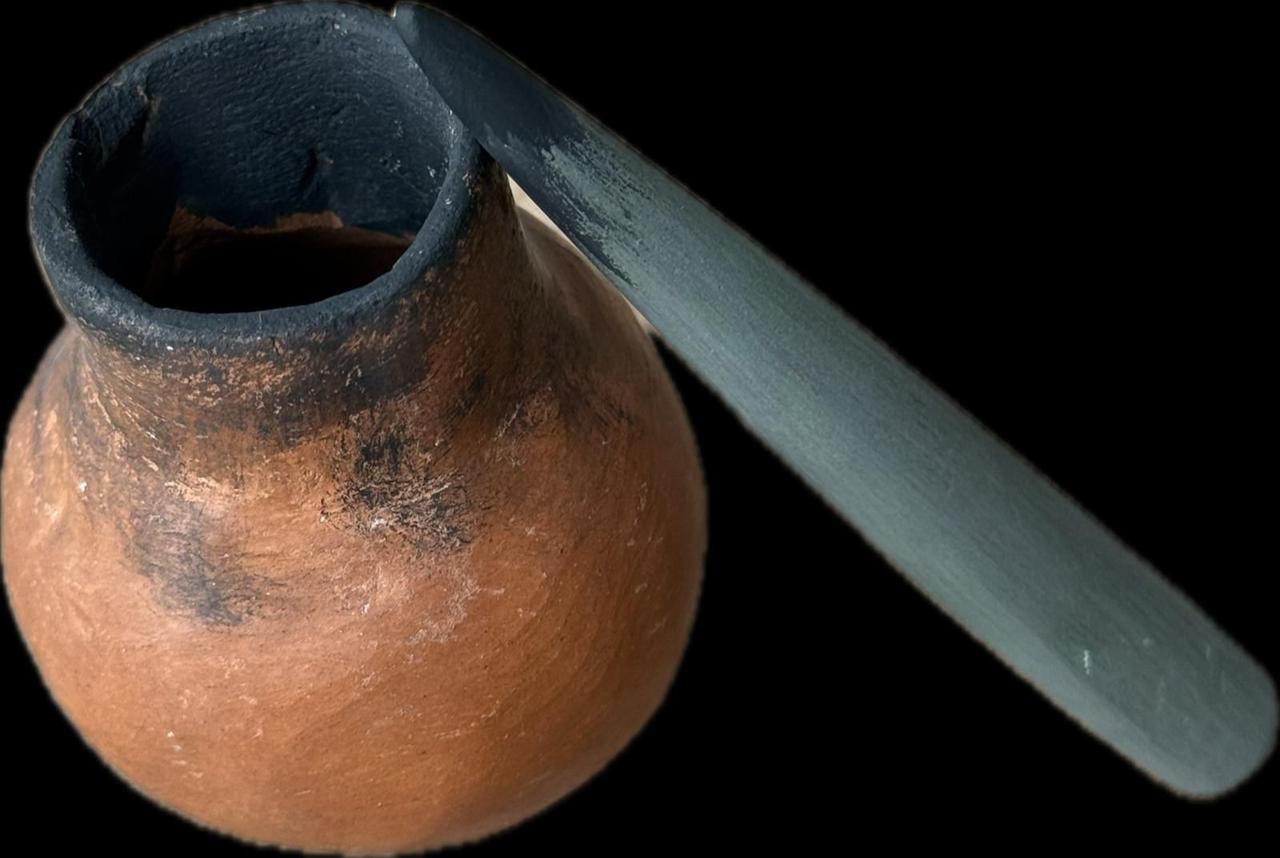
Grinding stones, for example, were incorporated into building walls after they broke, according to Derin.
Some of the hard stones used to make tools were brought in from Aegean islands, providing evidence that the settlement maintained connections extending beyond its immediate surroundings.
Yesilova's archaeological layers also preserve signs of repeated destruction and rebuilding.
Excavations show residents built villages on the same site several times, and burned stones and damaged walls suggest a severe fire destroyed the last settlement.
"Their final village ended in a fire. There are many traces showing that they were exposed to extremely high temperatures. Even the walls melted," Derin said.
Remains connected with settled life begin around 1.5 to 2 meters below the present ground surface, while layers of alluvial soil have made excavation more difficult.
Based on the section uncovered so far, archaeologists estimate that at least 500 people may have lived at Yesilova, although Derin said it was still too early to establish a precise population figure.
Research is continuing across a much wider area, and Derin said future excavations could push Izmir's known settlement history even further back.
Excavations at Yesilova Hoyugu have been under way since 2005 on behalf of Türkiye's Culture and Tourism Ministry and Ege University, with support from Izmir Metropolitan Municipality, Izmir Chamber of Commerce and Bornova Municipality.
For Derin, the combination of communal food preparation, fishing, personal adornment, independent homes and repeated rebuilding helps bring the settlement's inhabitants closer into view.
"This society may be among the pioneers and beginnings of today's Aegean society. We can call them Izmir's first Aegeans, the first people of Izmir," he said.


 Set as preferred source
 Set as preferred source


 1 min read
 1 min read