Newsletters




Gaziantep continues to stand out as one of Türkiye’s leading cultural destinations, with the Zeugma Mosaic Museum breaking visitor records and the ancient Yesemek Open Air Museum steadily drawing international attention.
Together, the two sites highlight the city’s role as a gateway to Anatolia’s layered past while contributing directly to local tourism.

Located along the historic Silk Road, a trade network that once linked Asia and Europe, the Zeugma Mosaic Museum was established by the Ministry of Culture and Tourism in 2011 on a site covering around 30,000 square meters.
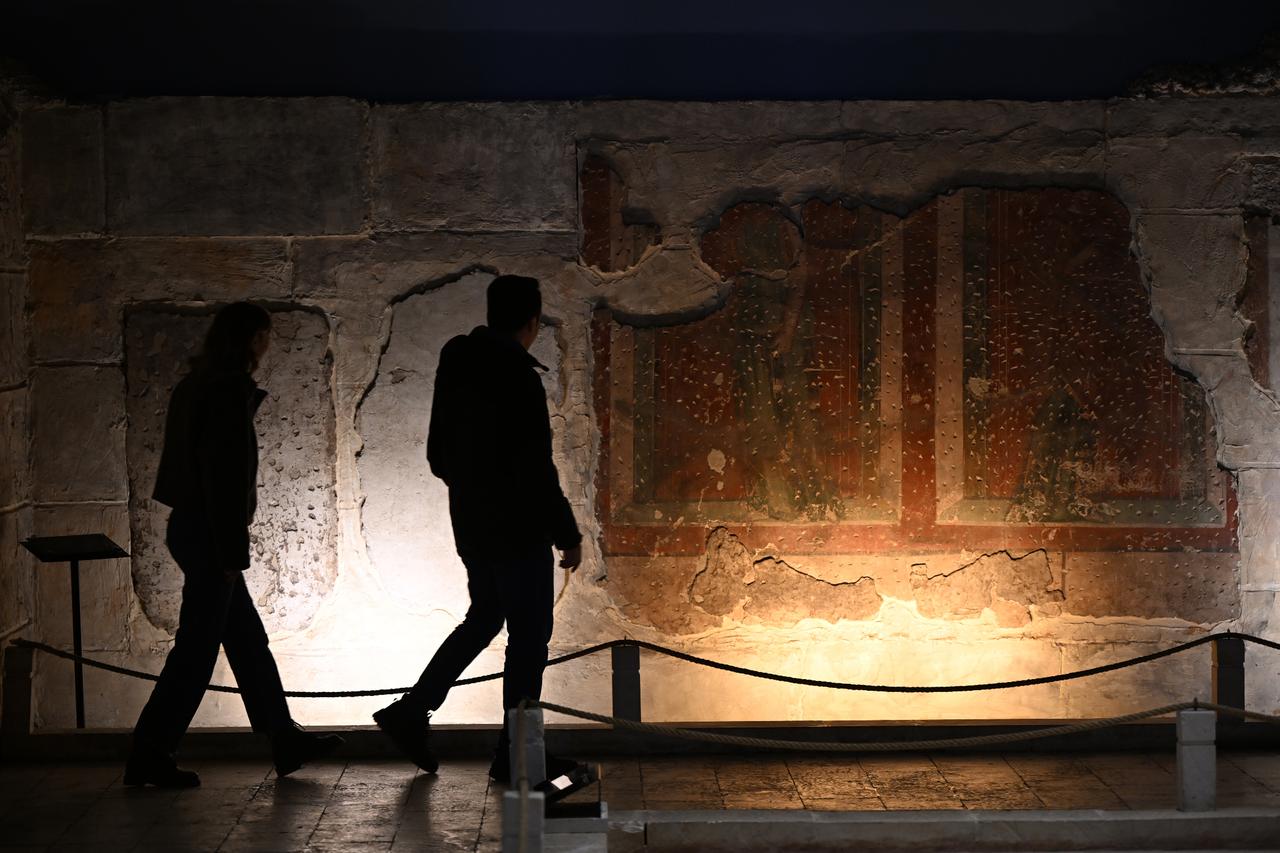
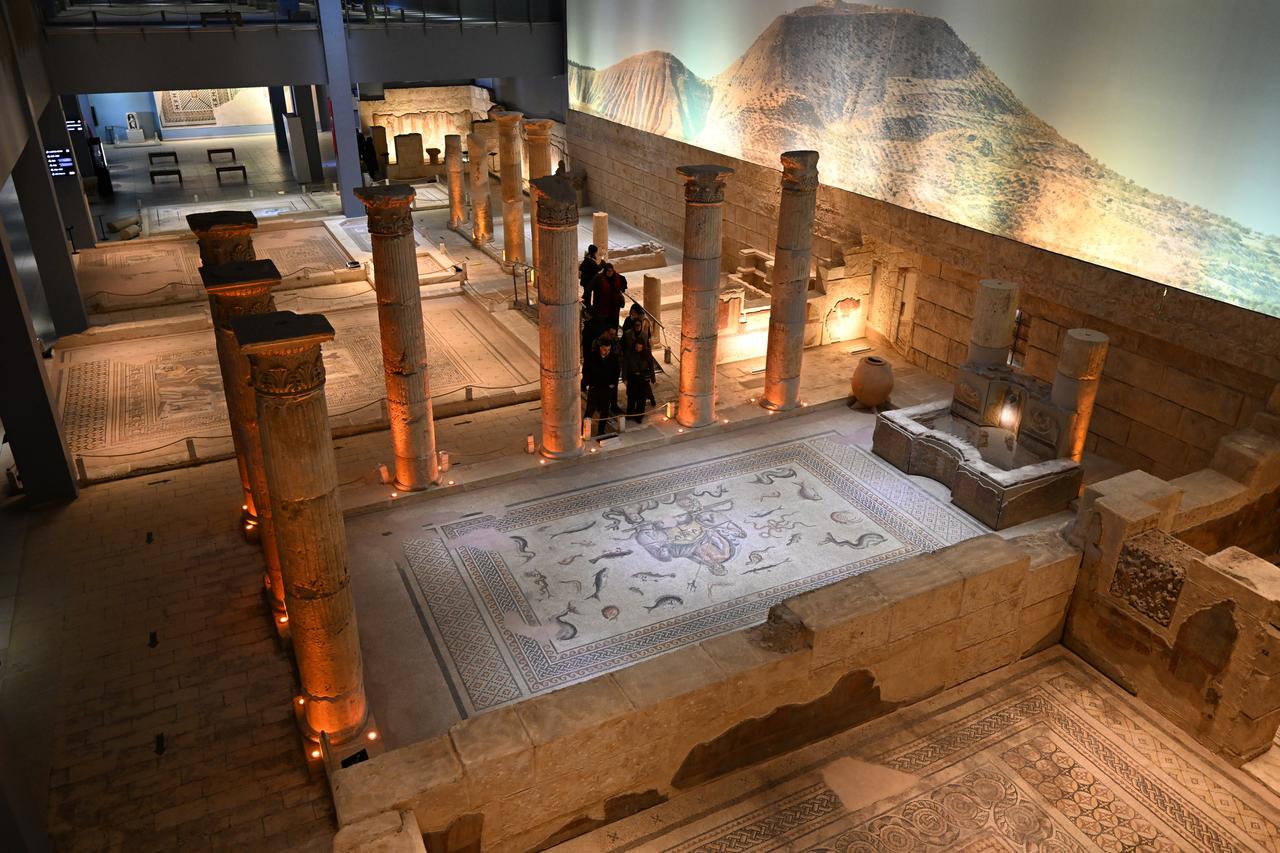
The museum houses some of the most celebrated Roman-era mosaics ever uncovered, including the world-famous “Cingene Kizi” mosaic, known internationally for its striking gaze and refined craftsmanship.
The collection also features a Mars statue, Roman fountains, and large-scale mosaics recovered during rescue excavations near the Euphrates River, which flows through southeastern Türkiye and shaped many ancient settlements.
According to Gaziantep Museum Director Ozgur Comak, Zeugma has grown into a symbol not only of the city but also of the country, with the Cingene Kizi standing out as a globally recognized cultural icon. He underlined that the museum’s appeal goes beyond a single artwork, as its galleries bring together scenes from Roman and Greek mythology in an exceptionally rich setting.
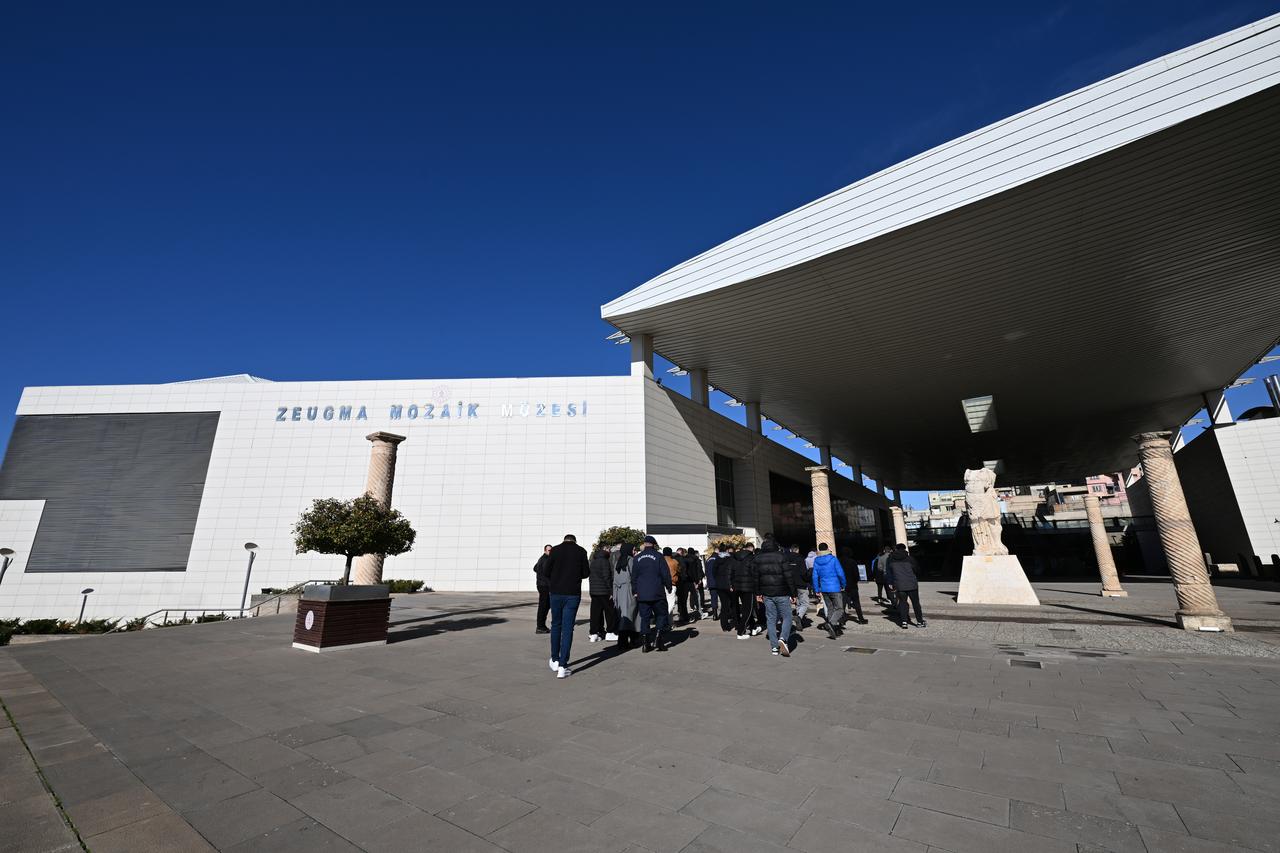
The museum’s popularity translated into historic figures in 2025, a year Comak described as a turning point. Visitor numbers climbed from about 466,000 in 2024 to more than 616,000 the following year, making Zeugma one of the most visited museums in Türkiye.
On May 16, 2025, the museum also set an all-time daily record by welcoming over 8,000 people in a single day. Comak linked this growth to sustained promotion by the Ministry of Culture and Tourism, as well as coordinated efforts by local authorities, adding that expectations for 2026 are even higher.
Beyond statistics, Zeugma plays a central role in shaping travel routes, as cultural tours arriving in Gaziantep typically start their itineraries at the museum.
Visitors from Istanbul and other cities have described the experience as deeply impressive, with several noting that seeing the "Gipsy Girl" in person felt far more powerful than encountering it online.
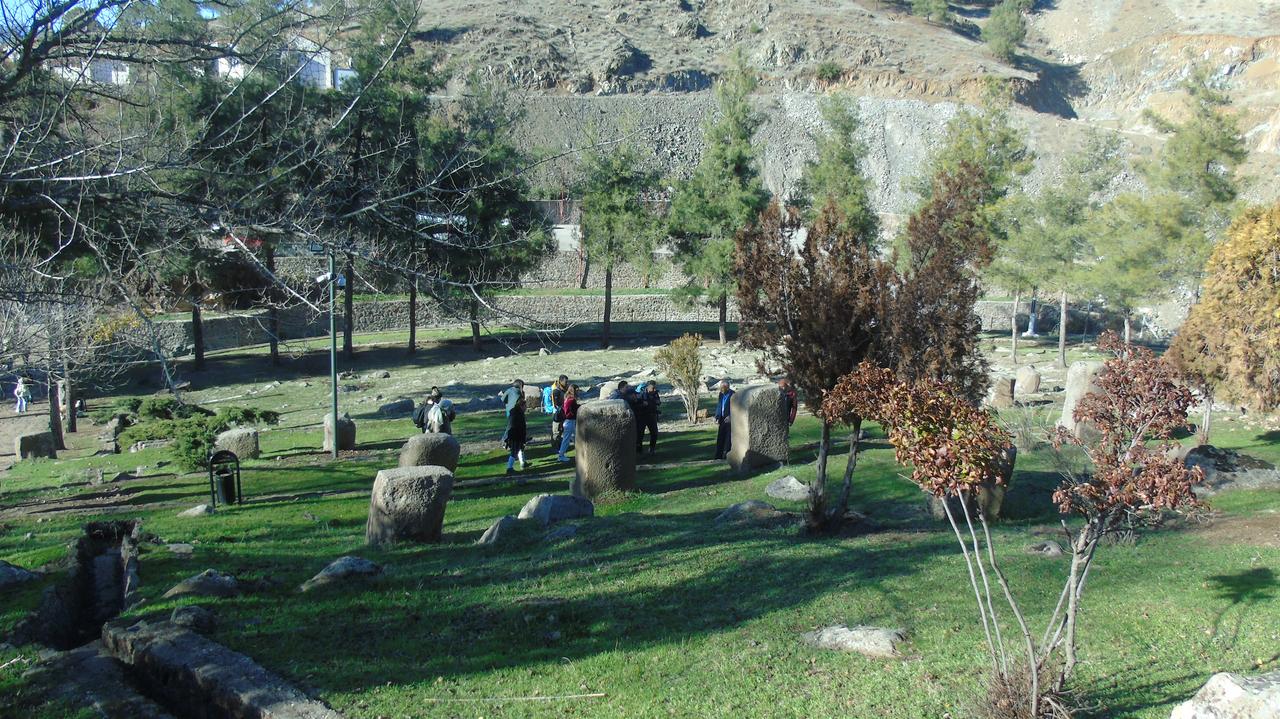
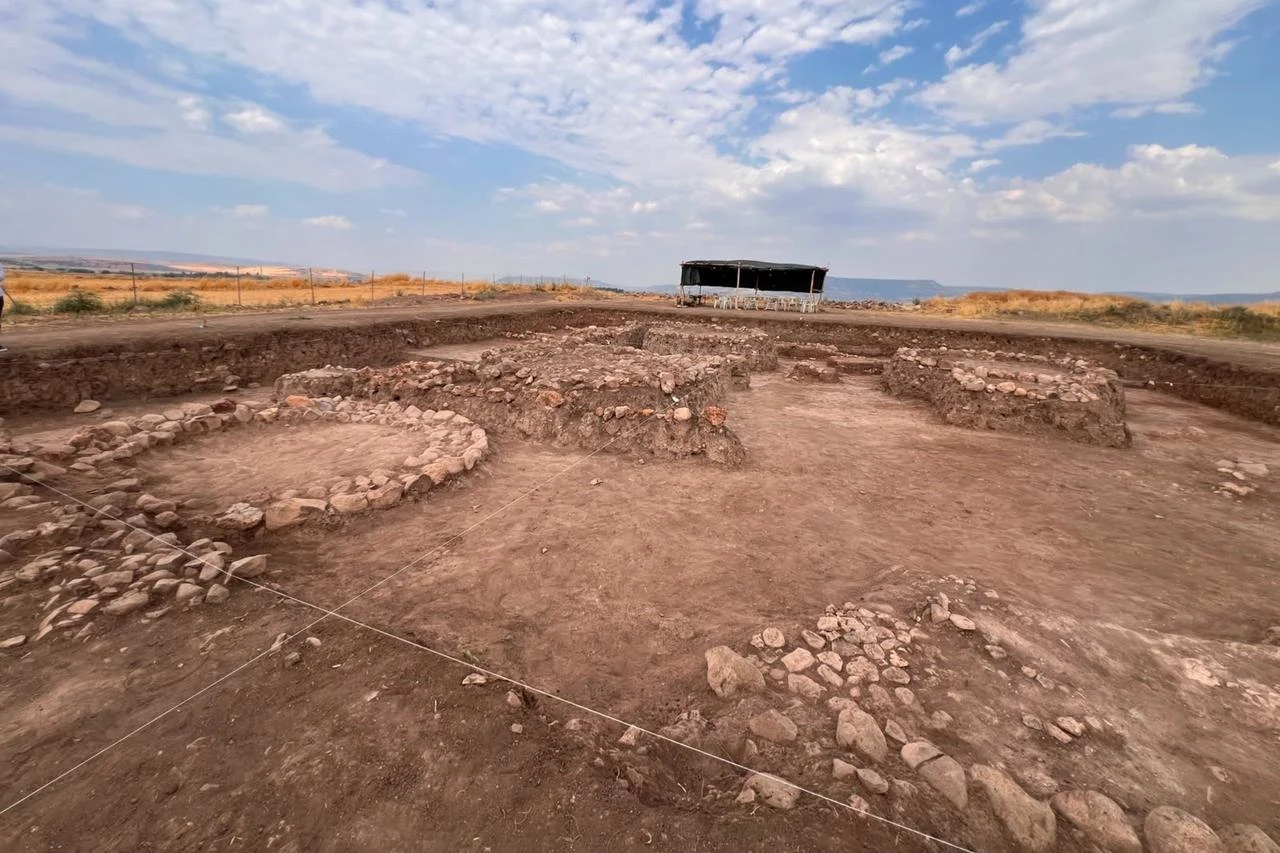
While Zeugma leads in scale, the Yesemek Open Air Museum and Sculpture Workshop offers a different but equally compelling perspective on the region’s heritage. Situated about 23 kilometers (14.2 miles) from the center of the Islahiye district, Yesemek is listed on UNESCO’s Tentative List of World Cultural and Natural Heritage.
The site was once one of the largest stone quarries and sculpture workshops in the ancient Near East.
In 2025, nearly 18,000 local and foreign visitors explored the open-air museum, which spreads across roughly 200 decares and displays 518 basalt sculptures.
These include lion figures, battle reliefs, and unfinished works that reveal the production process of ancient artisans. Comak emphasized that interest in Yesemek has been steadily building, as more travelers seek out places that combine archaeology with an authentic outdoor atmosphere.


 Set as preferred source
 Set as preferred source



 1 min read