Newsletters


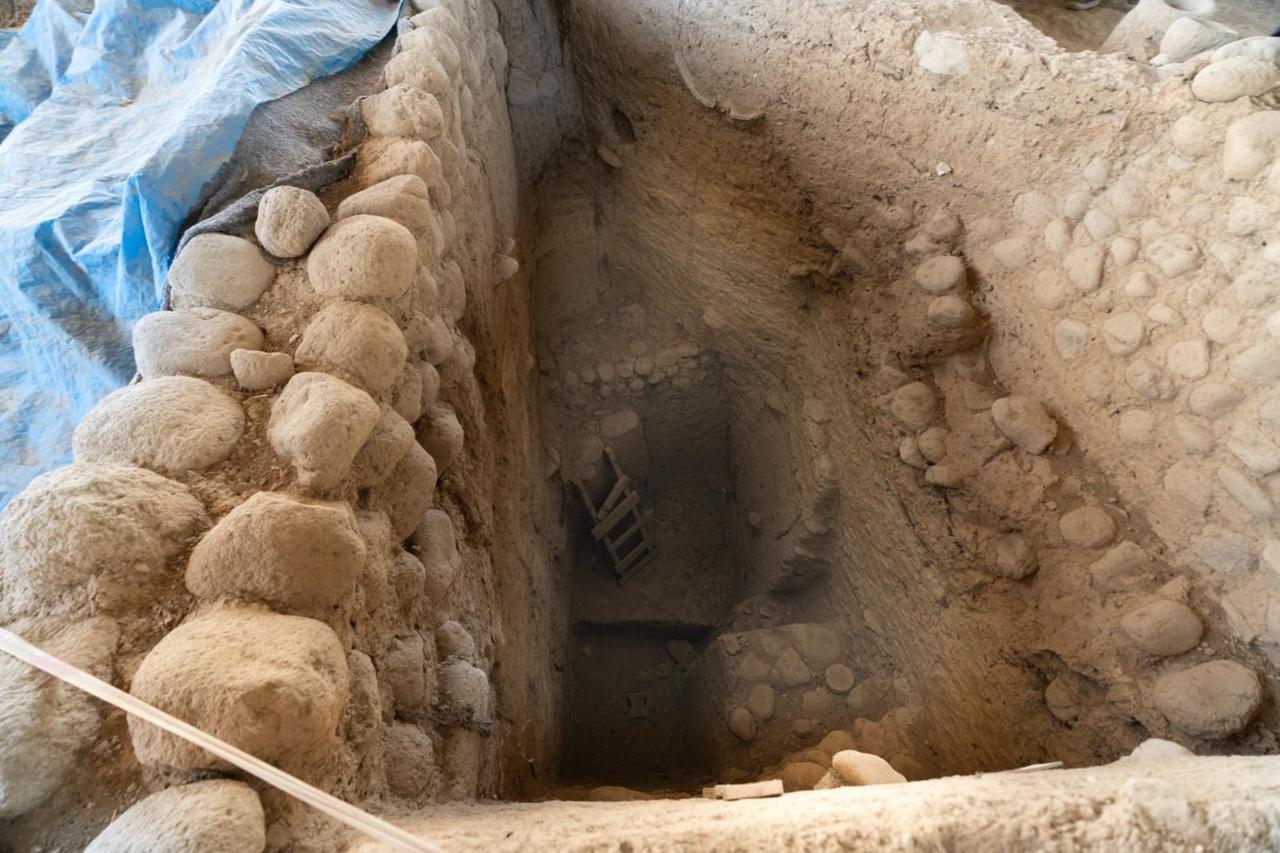


Archaeologists working at Yassitepe in western Türkiye have uncovered further evidence of a planned, fortified settlement that developed around 5,000 years ago with temples, storage areas, workshops and far-reaching trade connections, leading the excavation director to describe the site as "Izmir's Troy."
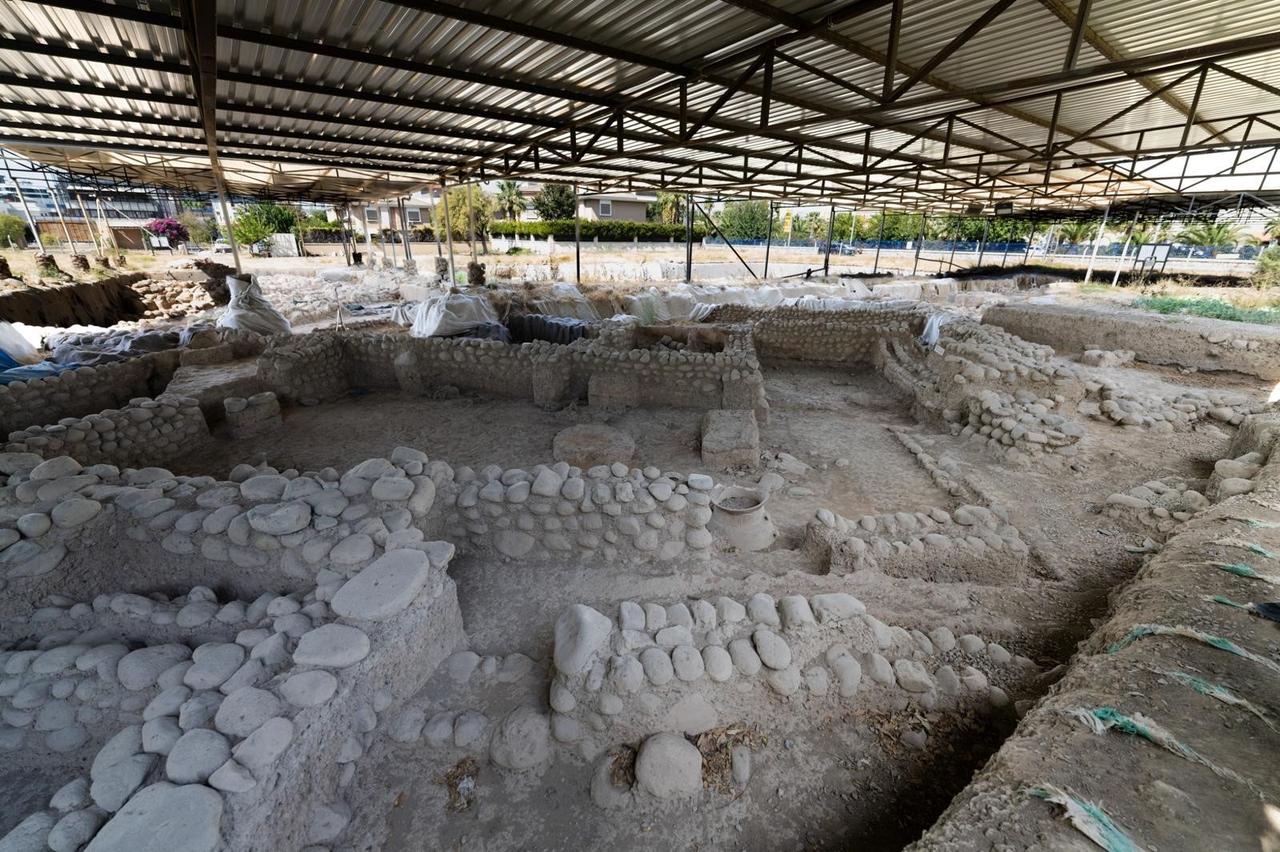
The settlement, located next to Yesilova Hoyuk on the Bornova Plain in modern-day Izmir, was surrounded by defensive walls and supported an economy built around agriculture, metalworking, pottery production and trade.
Excavations are being carried out on behalf of Türkiye's Culture and Tourism Ministry and Ege University under the direction of Associate Professor Zafer Derin, with support from Izmir Metropolitan Municipality.
Derin said Yassitepe was contemporary with the earliest phases of Troy and had been laid out according to a clear urban plan, with temples, storage facilities, production spaces and workshops arranged within a fan-shaped settlement.

Storage, bronze and pottery point to growing wealth
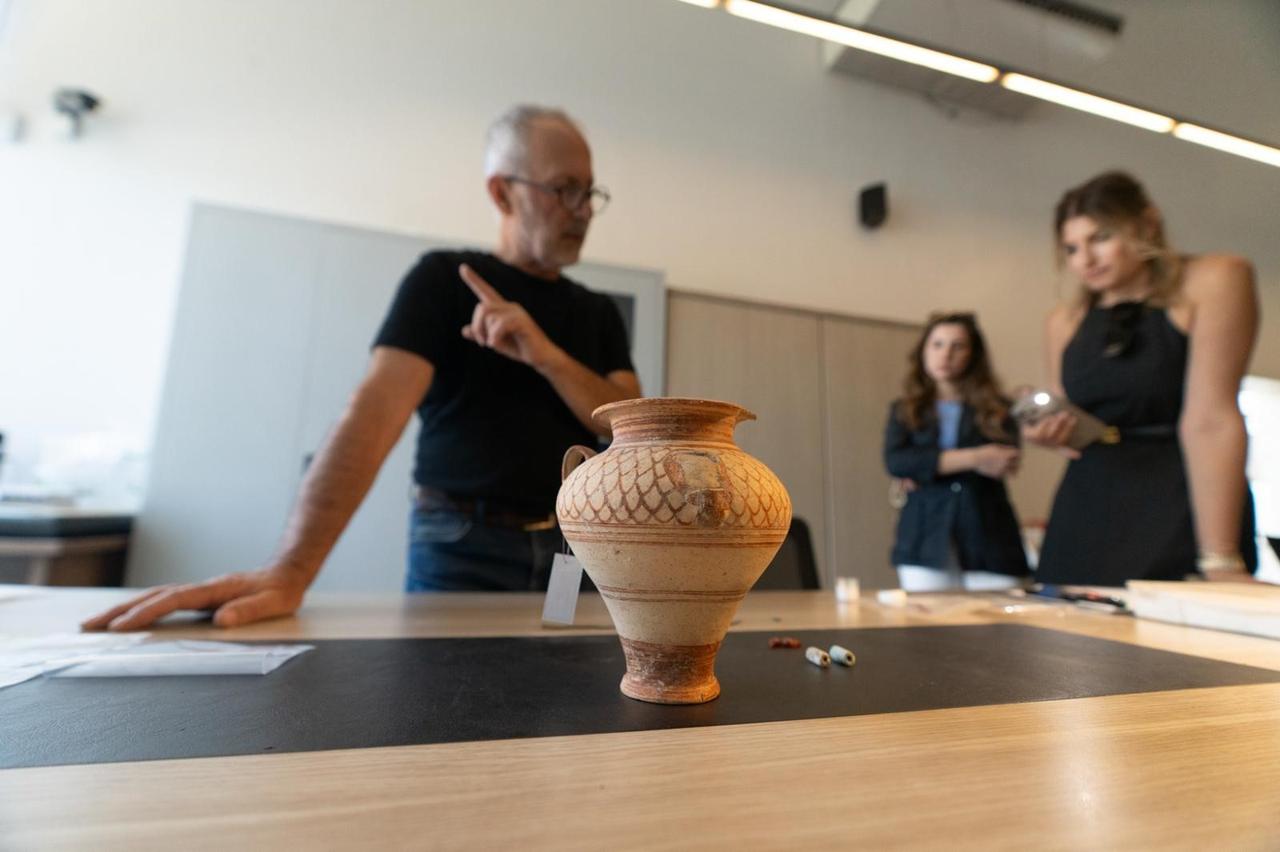
Large storage jars uncovered at Yassitepe indicate that agricultural products were kept in substantial quantities, while evidence of bronze production and valuable pottery points to an increasingly complex economy.
According to Derin, the settlement was connected to a trade network stretching from inland western Anatolia to the Aegean coast and areas across the sea.
He said Yassitepe marked a point where Izmir's early economic wealth began to take shape, as agricultural production, metalworking and pottery manufacturing fed into broader commercial activity.
Evidence from vessels and organic remains also shows that grapes were processed in several different forms. Archaeologists have found grape seeds, dried grapes and traces of grape molasses, while some liquid containers are thought to have been associated with wine.
Derin said grapes appear to have been fully integrated into economic life at the settlement, adding that the findings could raise questions about the distant roots of Bornova's later association with the Bornova Misketi grape.
The 2026 excavations also brought to light olive pits dating back around 5,000 years.
Together with earlier evidence for grapes and figs, the discovery places three agricultural products that later became strongly associated with Izmir and the wider Aegean within the same ancient settlement.
Further evidence of Yassitepe's connections with the Aegean world has come from graves associated with Mycenaean culture.
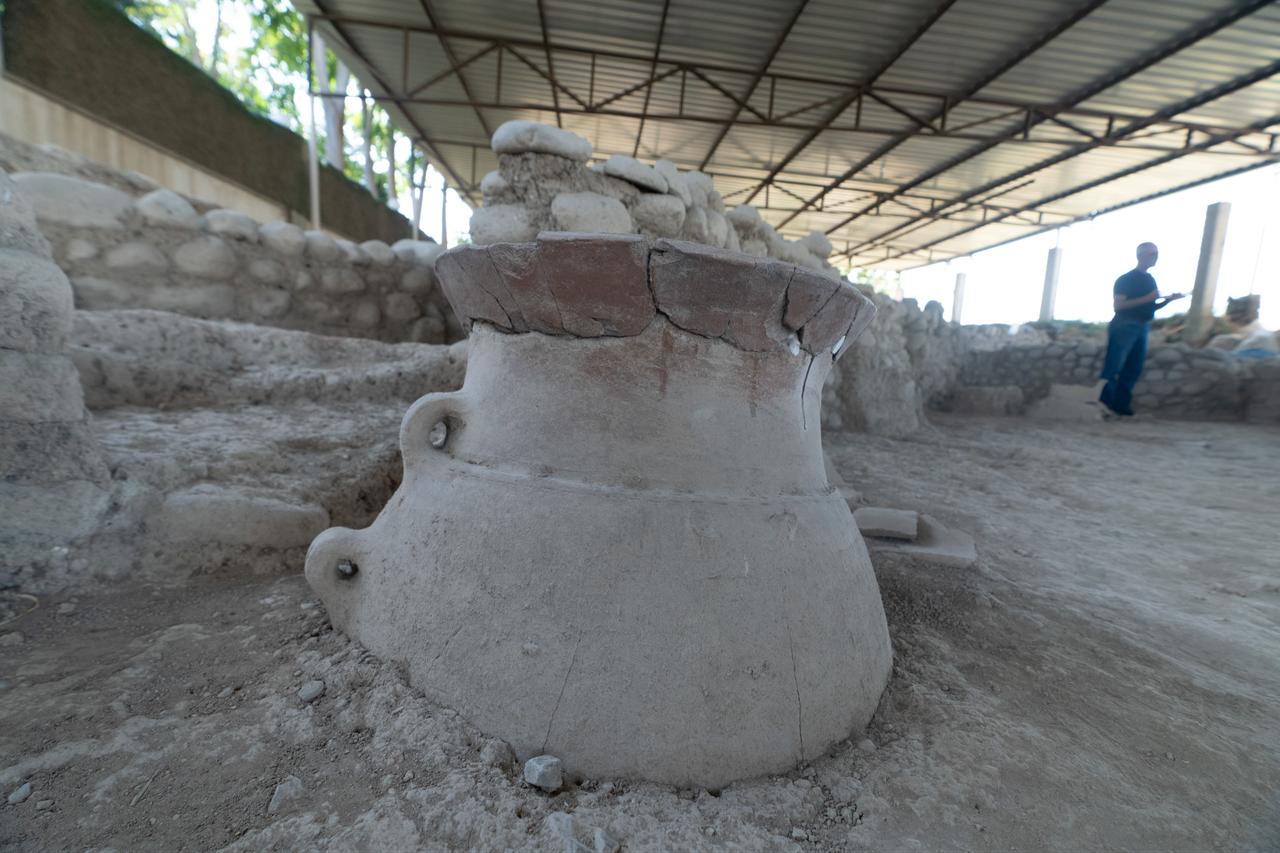
Derin said the burials may have belonged to Mycenaeans who came to the area for trade. The dead were placed inside large jars rather than cremated, accompanied by vessels that may have held olive oil or wine as well as numerous pieces of jewelry.
One grave uncovered during the 2026 season contained two cylinder seals, which Derin said added to evidence of the site's commercial and social importance.
The excavations have also revealed burials in which bodies were placed in a fetal position inside large jars, together with food and drink vessels. Some jars carried reliefs depicting a pregnant mother goddess, which researchers have linked to beliefs surrounding rebirth.
Archaeologists have also identified an area thought to have served as a reception hall for the settlement's ruler.
Hundreds of vessels were recovered from some structures, while the large number of drinking vessels in the proposed reception area suggests it may have been used to host important visitors and hold social ceremonies.
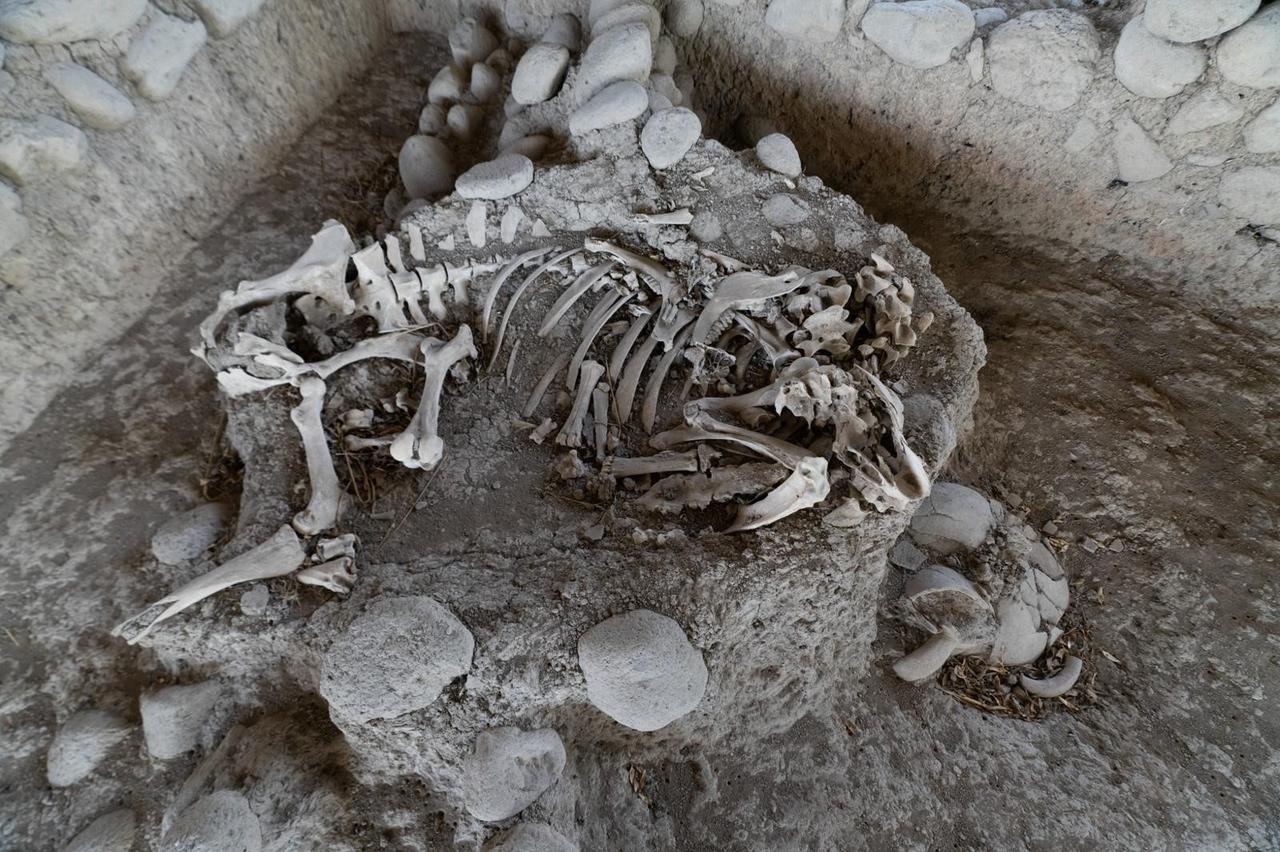
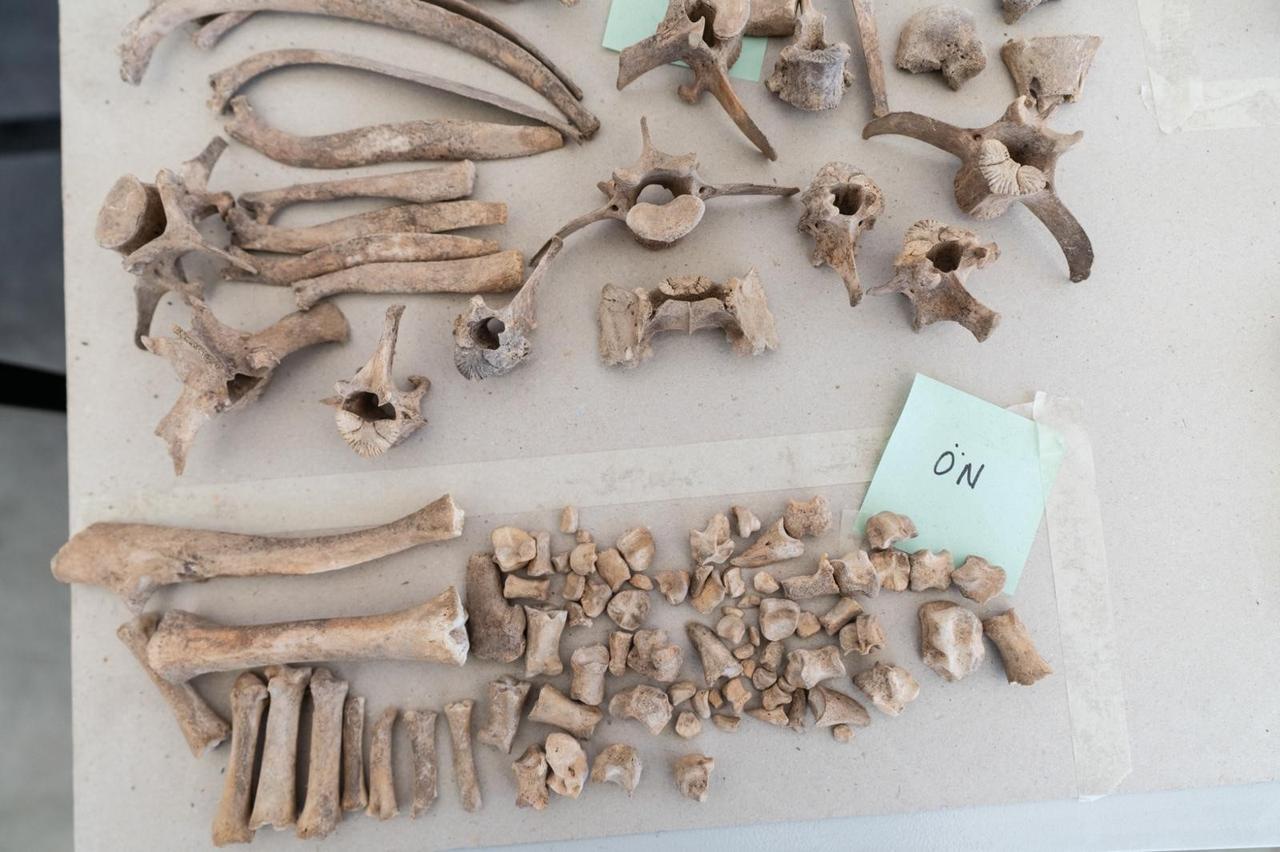
Animal remains provide another glimpse into ideas of status and power. Derin said remains belonging to two or three panthers, as well as bears, had been found at Yassitepe, suggesting that hunting dangerous animals may have served as a display of prestige for the settlement's ruling elite.
Yassitepe was destroyed and rebuilt several times, but a major earthquake believed to have struck around 2800 B.C. appears to have marked a major turning point in the settlement's history.
Some walls still show S-shaped deformation caused by horizontal ground movement. Derin said the destruction suggests residents may have fled without being able to collect their belongings.
The latest findings add to evidence that the Bornova Plain supported a fortified, productive and commercially connected urban community thousands of years ago.
Derin said Yassitepe and neighboring Yesilova could also be presented together as a major archaeological destination, bringing what he described as both a Catalhoyuk and a Troy into modern-day Izmir.


 Set as preferred source
 Set as preferred source


 2 min read
 1 min read