

 Newsletters


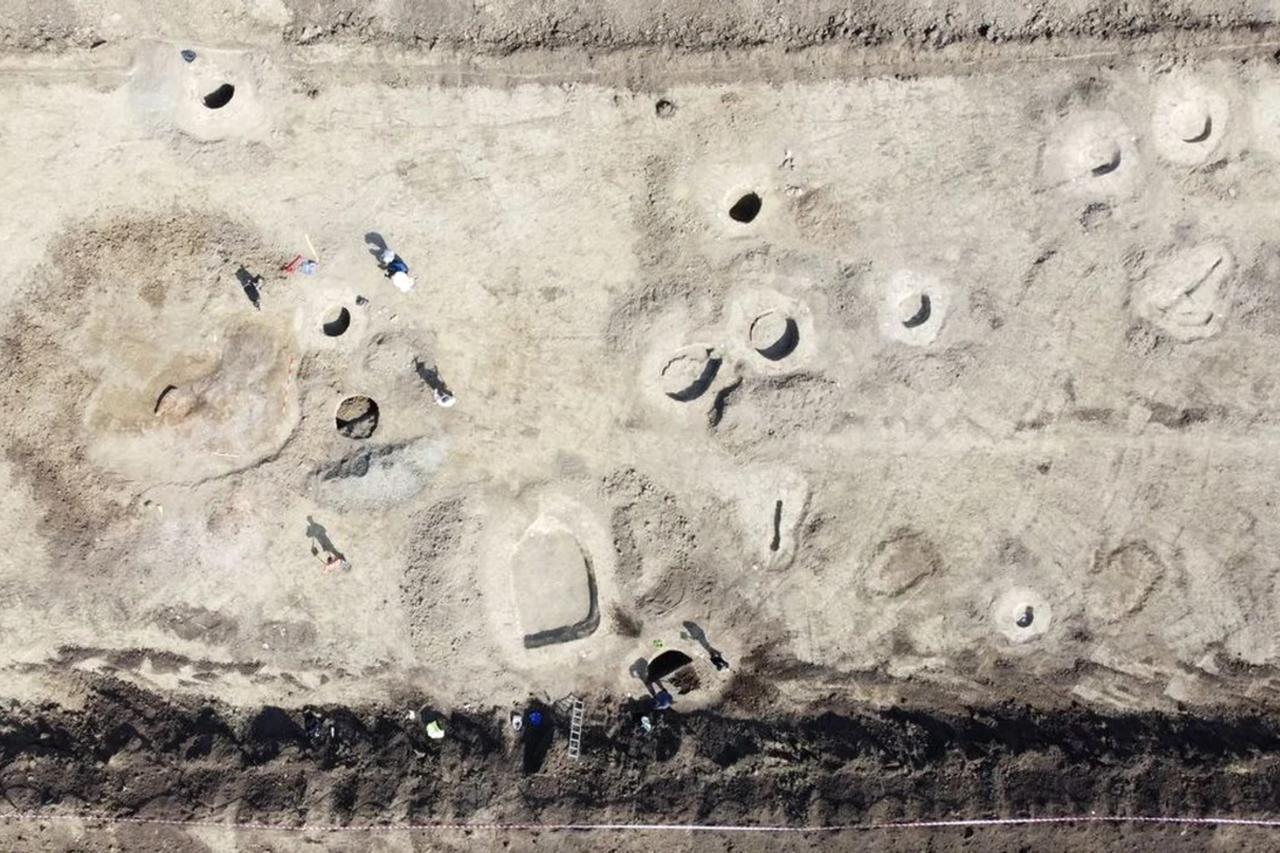


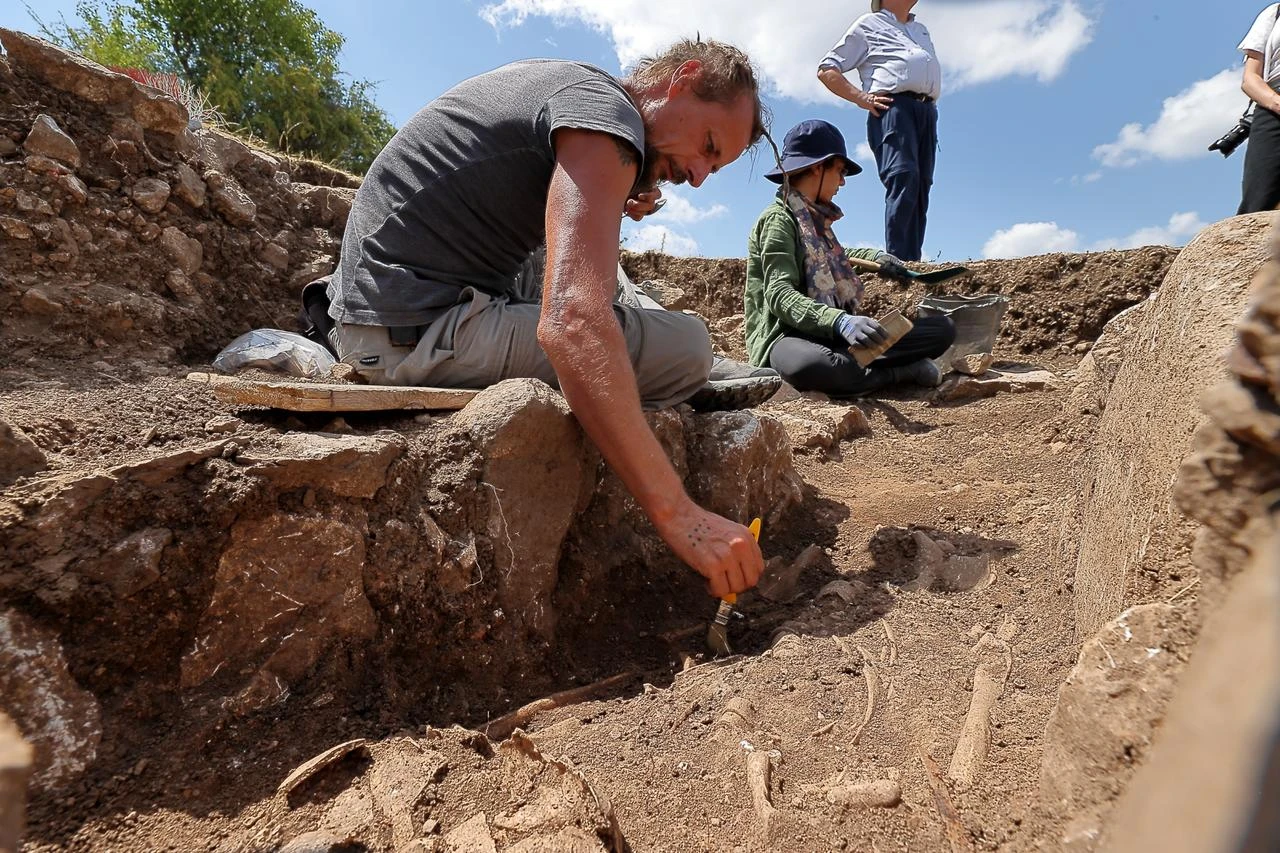
Archaeologists working in central Romania have uncovered a Roman-era cemetery containing the remains of around 20 children, raising the possibility that an epidemic or another health crisis may have contributed to unusually high child mortality in the settlement.
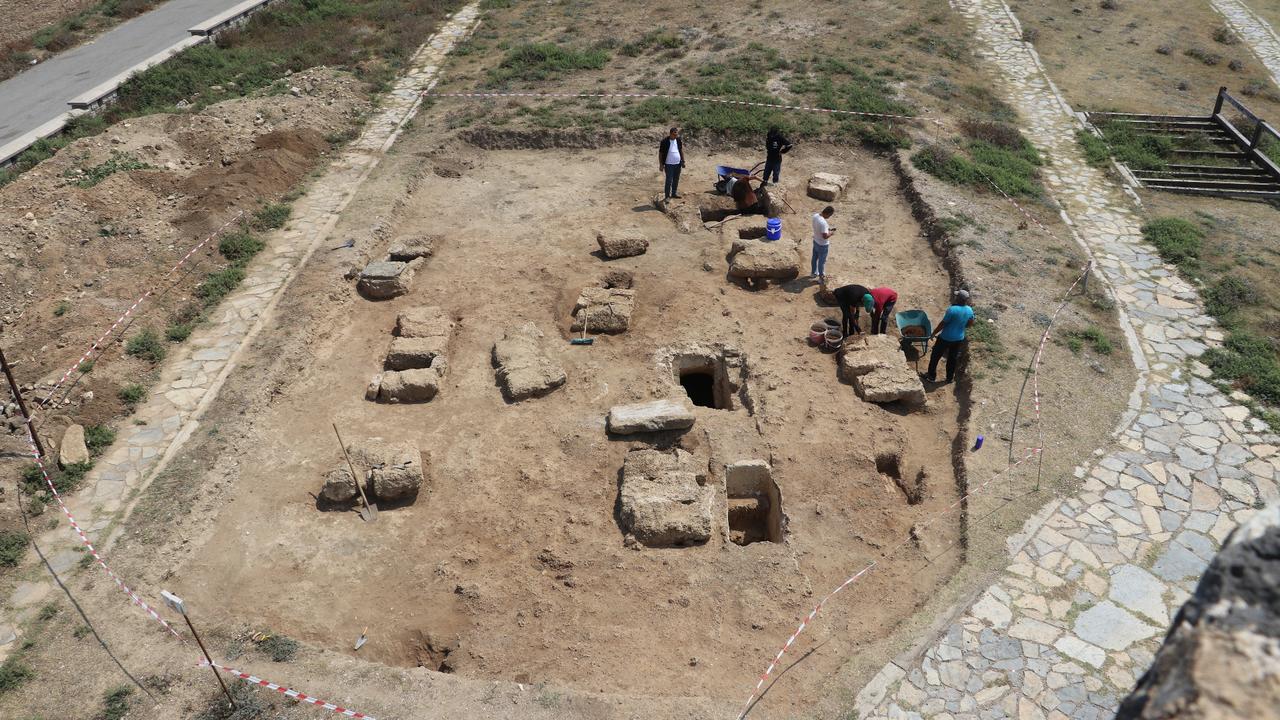
The cemetery was found during archaeological excavations in Cristesti, a town in Romania's Mures region, where researchers have so far identified nearly 30 graves across an excavation area of about 5 hectares.
One of the most striking discoveries was a burial area containing skeletal remains belonging to approximately 20 children, with the remains concentrated in a particular section of the cemetery.
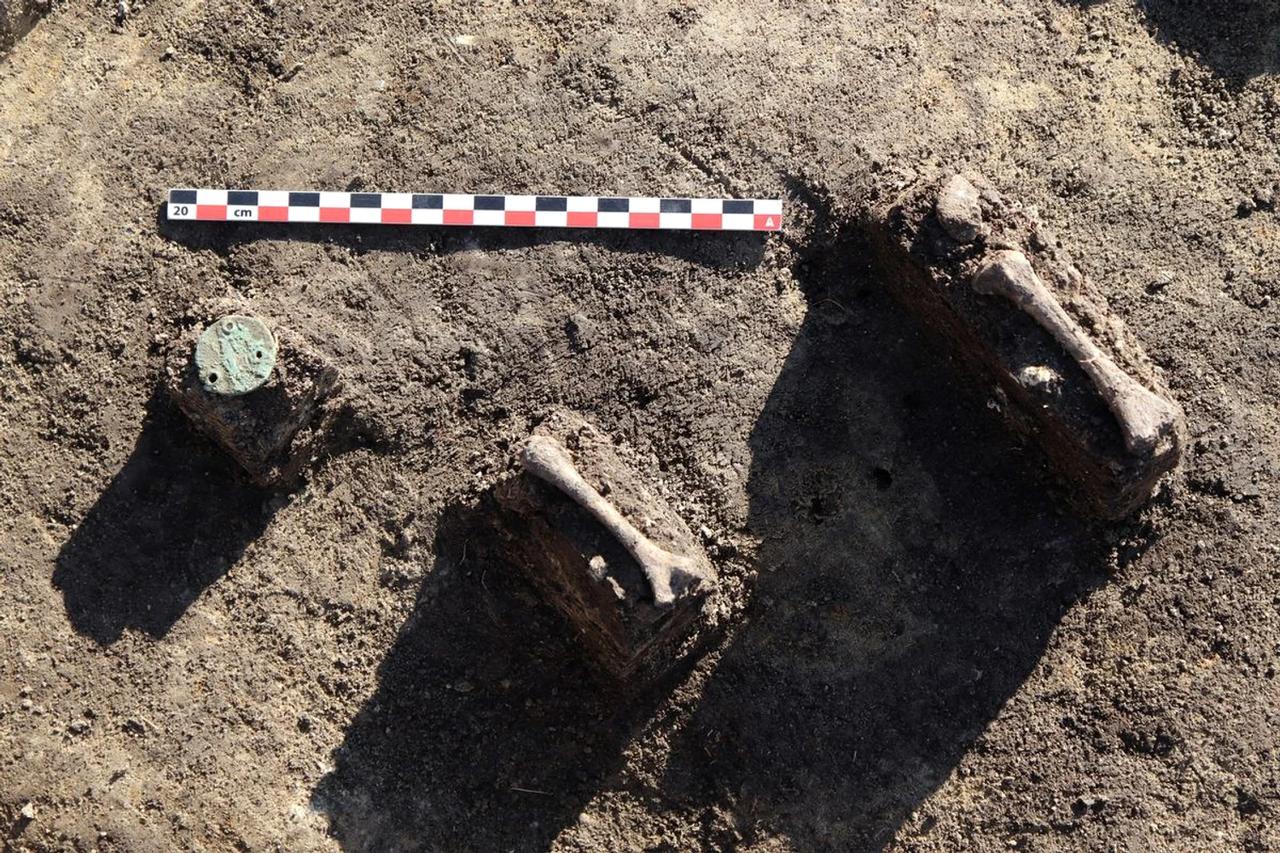

Researchers are considering whether the children may have died within a relatively short period, while investigations are looking into the possibility that an epidemic or another health problem during the settlement's early period could have led to the high number of deaths.
The excavations have also brought to light evidence of different burial practices. Some individuals were buried directly in the ground, while others were cremated.
Alongside the human remains, archaeologists uncovered a range of objects offering clues about life during the period, including ceramic vessels, glass fragments, oil lamps, jewelry, and coins.
Among the finds was a coin bearing the image of Faustina the Elder, wife of Roman Emperor Antoninus Pius, which has been dated to around A.D. 141. Researchers consider the coin one of the important pieces of evidence for dating the cemetery.
The cemetery was established outside the residential area and near major transportation routes, consistent with the settlement pattern identified at the site.
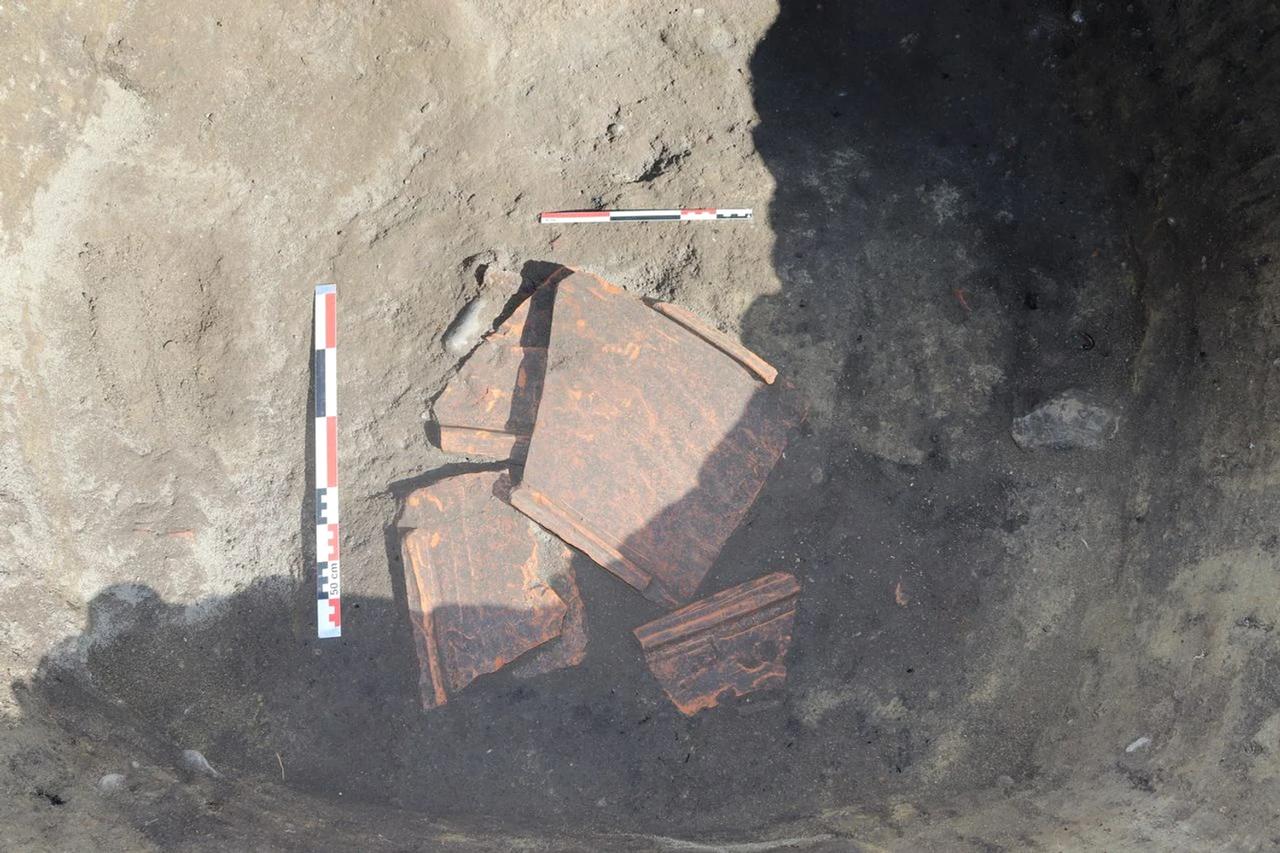
The human remains recovered during the excavations have been taken into the care of the Mures County Museum, where researchers will examine them for evidence related to diet and possible diseases.
Scientific analysis of the children's skeletons is expected to provide further information about the health conditions and demographic structure of the Roman-era community that lived in the area.
Excavations are continuing as archaeologists work to uncover the full extent of the cemetery.


 Set as preferred source
 Set as preferred source


 1 min read
 1 min read


