Newsletters


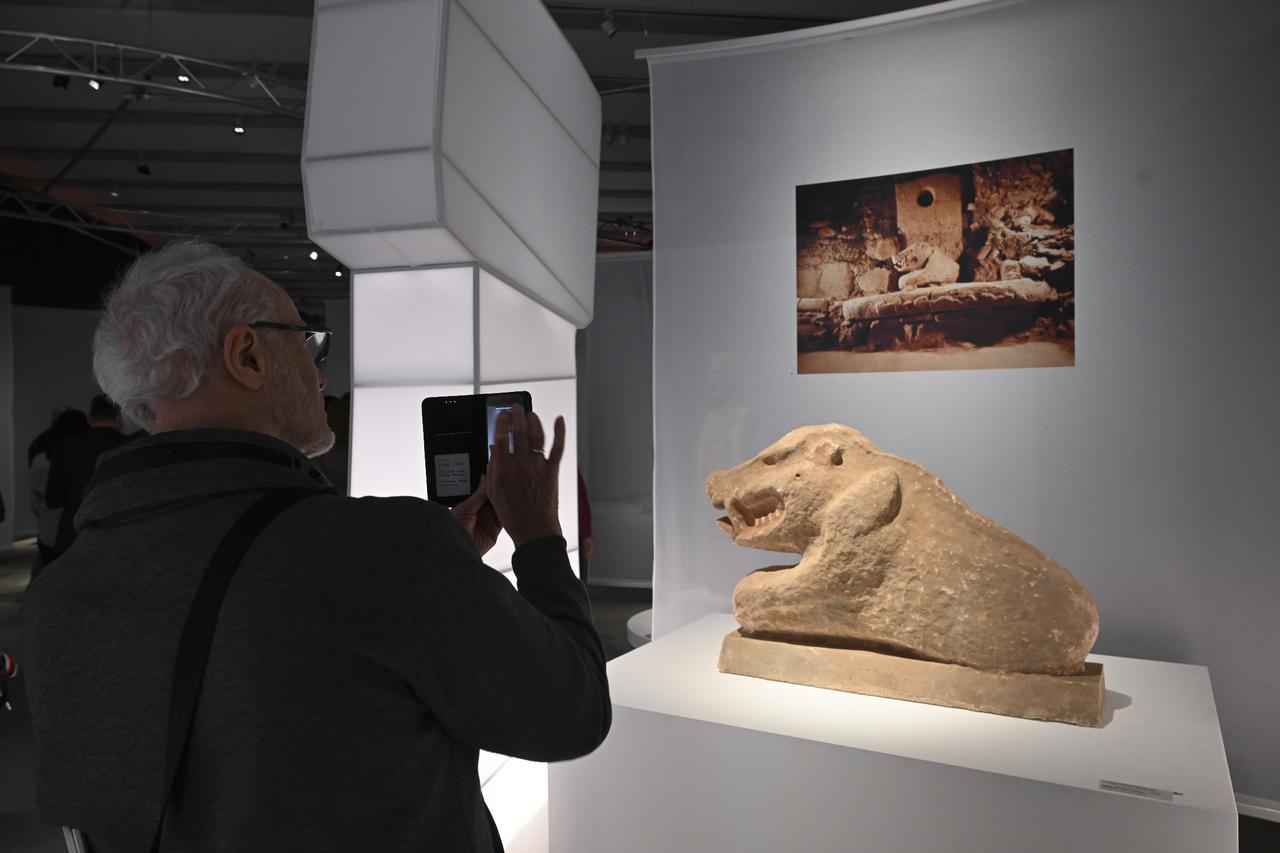


An exhibition introducing Gobeklitepe, widely known as the world’s oldest known settlement and a UNESCO World Heritage site, along with the surrounding Tas Tepeler (Stone Mounds) region, is set to open in Berlin, bringing together 93 selected artifacts that trace early settled communities from birth and daily life to death.
The exhibition, prepared ahead of its public opening in Germany, will welcome visitors in Berlin from Feb. 6 to July 19, 2026.
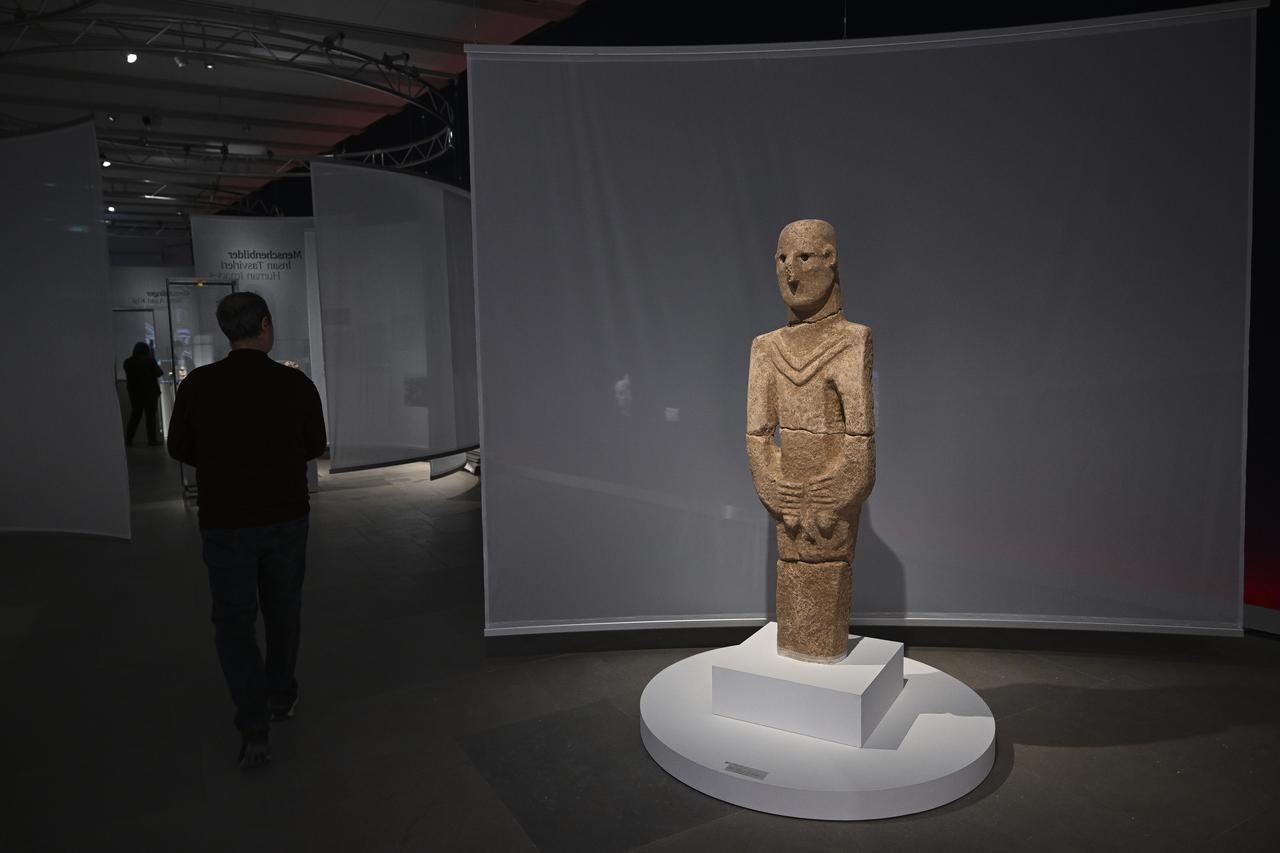

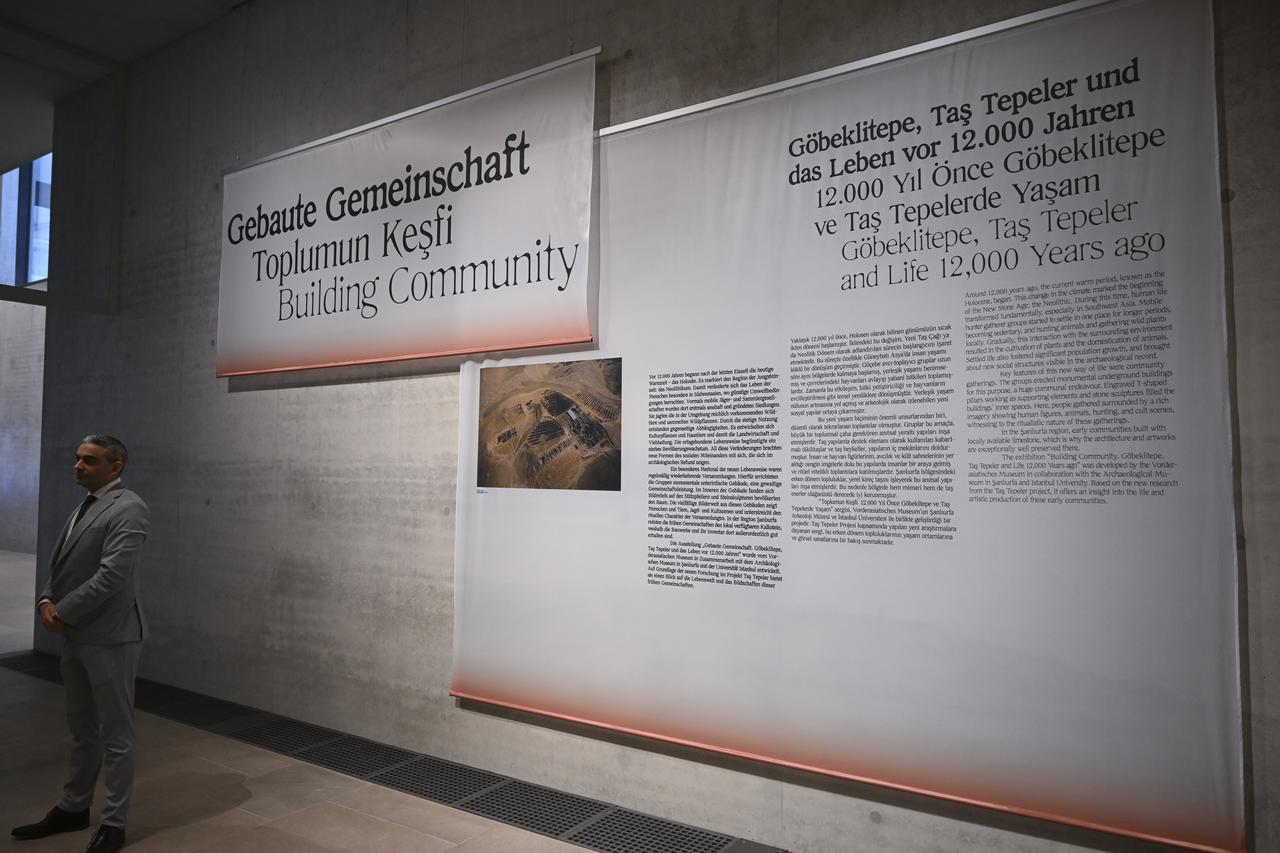
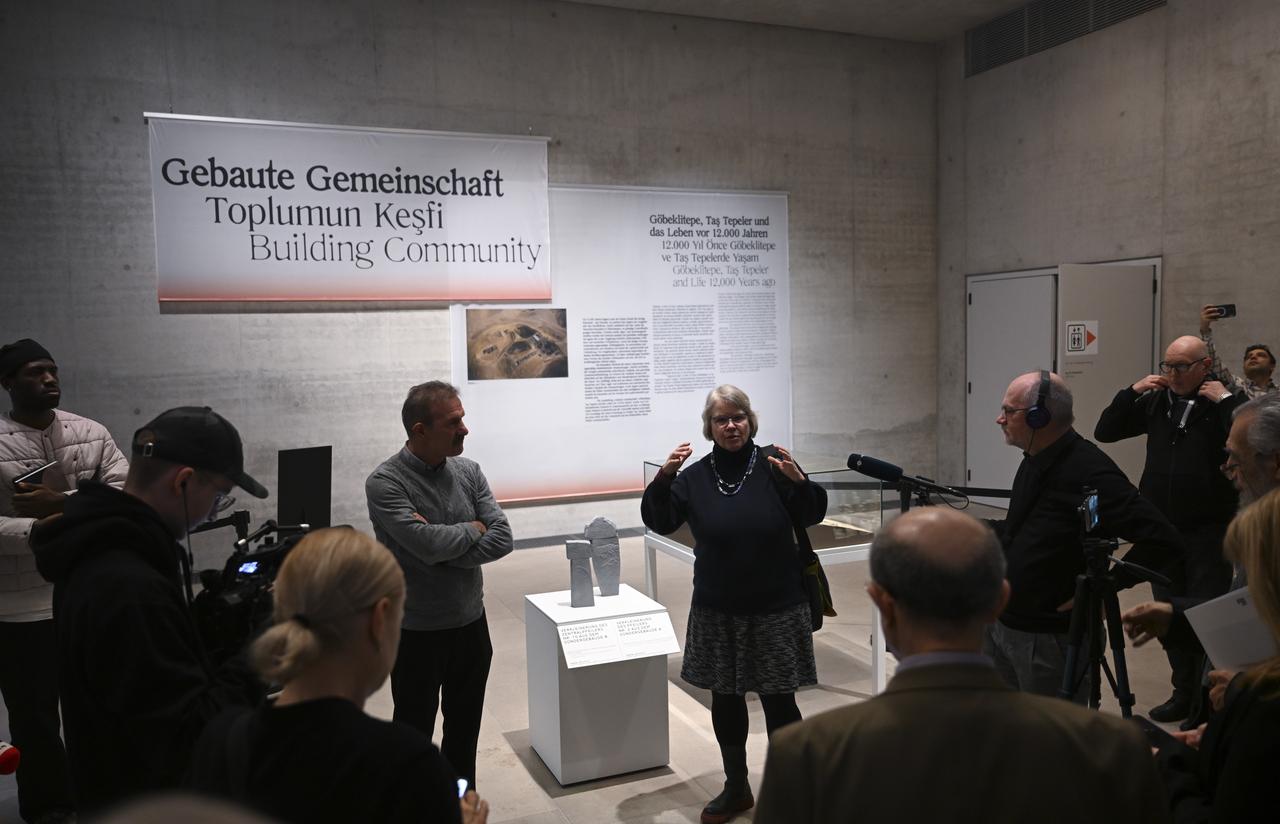
Hosted by the Museum of the Ancient Near East on Berlin’s Museum Island, the exhibition is titled "Building Community: Gobeklitepe, Tas Tepeler and Life 12,000 Years Ago."
It has been prepared through cooperation between the Ministry of Culture and Tourism of Türkiye, the General Directorate of Cultural Heritage and Museums, and the Istanbul branch of the German Archaeological Institute.
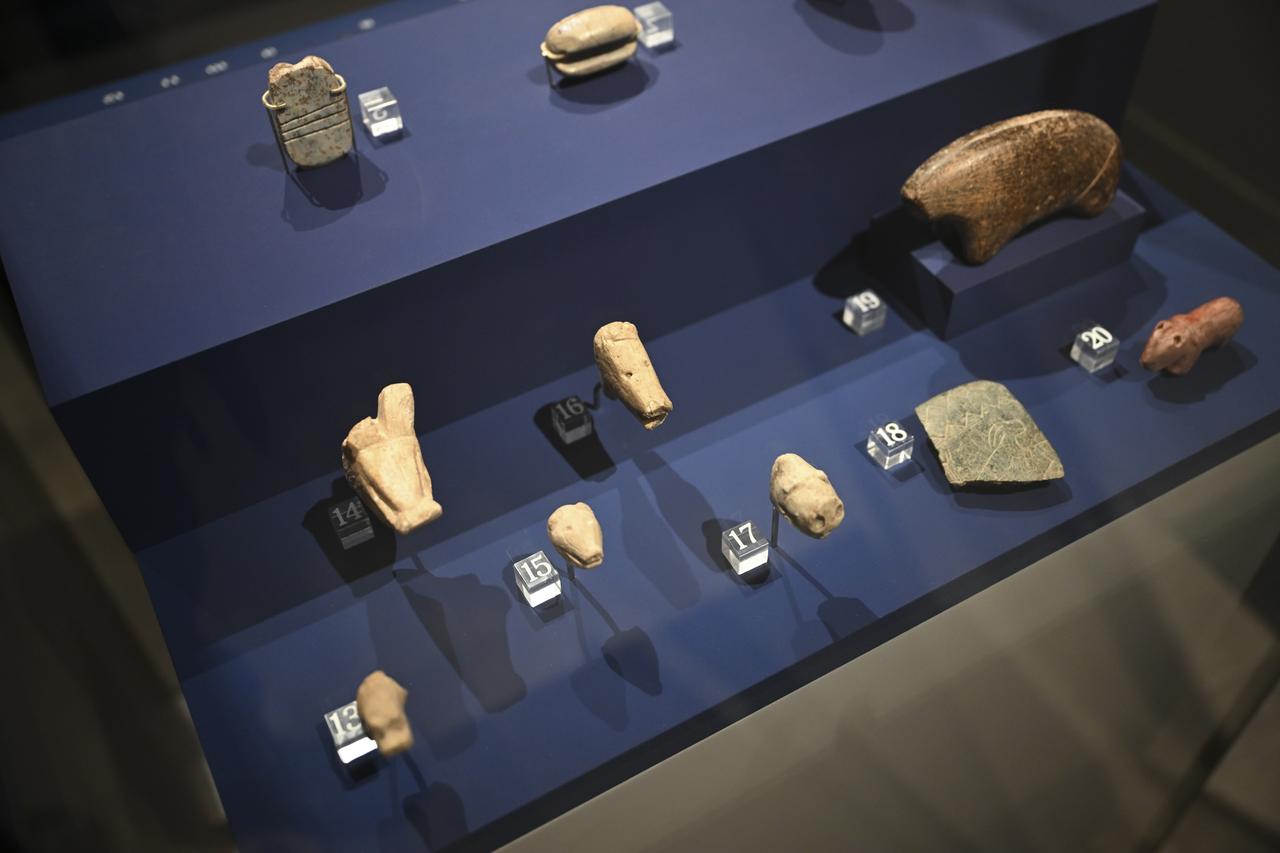
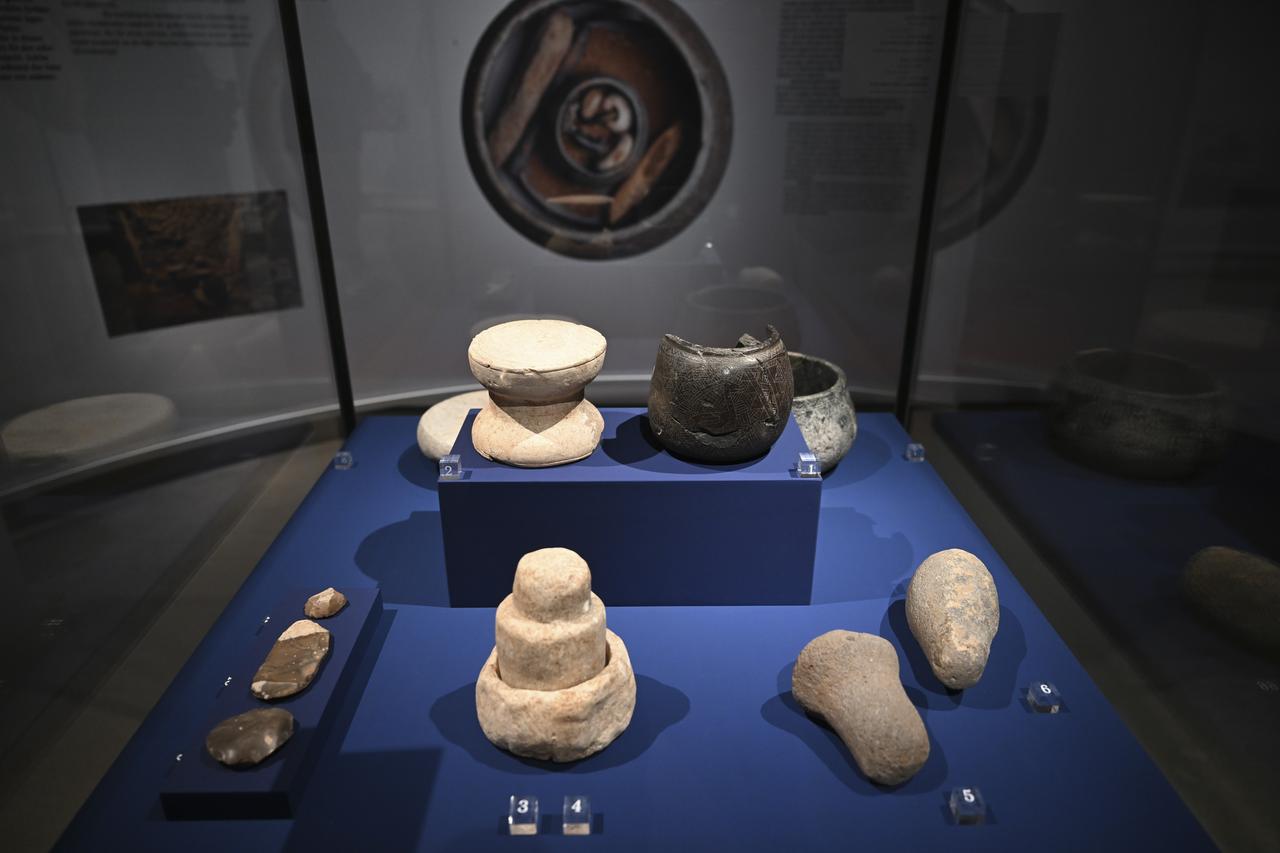
The exhibition brings together archaeological artifacts transferred from Türkiye, many of which have never been shown outside the country before.
These original objects are complemented by works already held in Germany, including previously produced replicas. Together, they are presented across eight thematic sections that highlight artistic expression and everyday practices of early settled communities.
Tas Tepeler project coorinator Professor Necmi Karul explained that the exhibition rests on more than a century of archaeological cooperation between German and Turkish researchers.
He also pointed to the Tas Tepeler project launched by the Ministry of Culture and Tourism in 2021, which revealed that Gobeklitepe is part of a broader network of sites rather than an isolated phenomenon.
According to Karul, ongoing excavations at ten locations around Sanliurfa are being carried out by multinational teams involving 36 academic institutions from countries ranging from China to Germany, reshaping perspectives on the beginnings of settled life and food production.
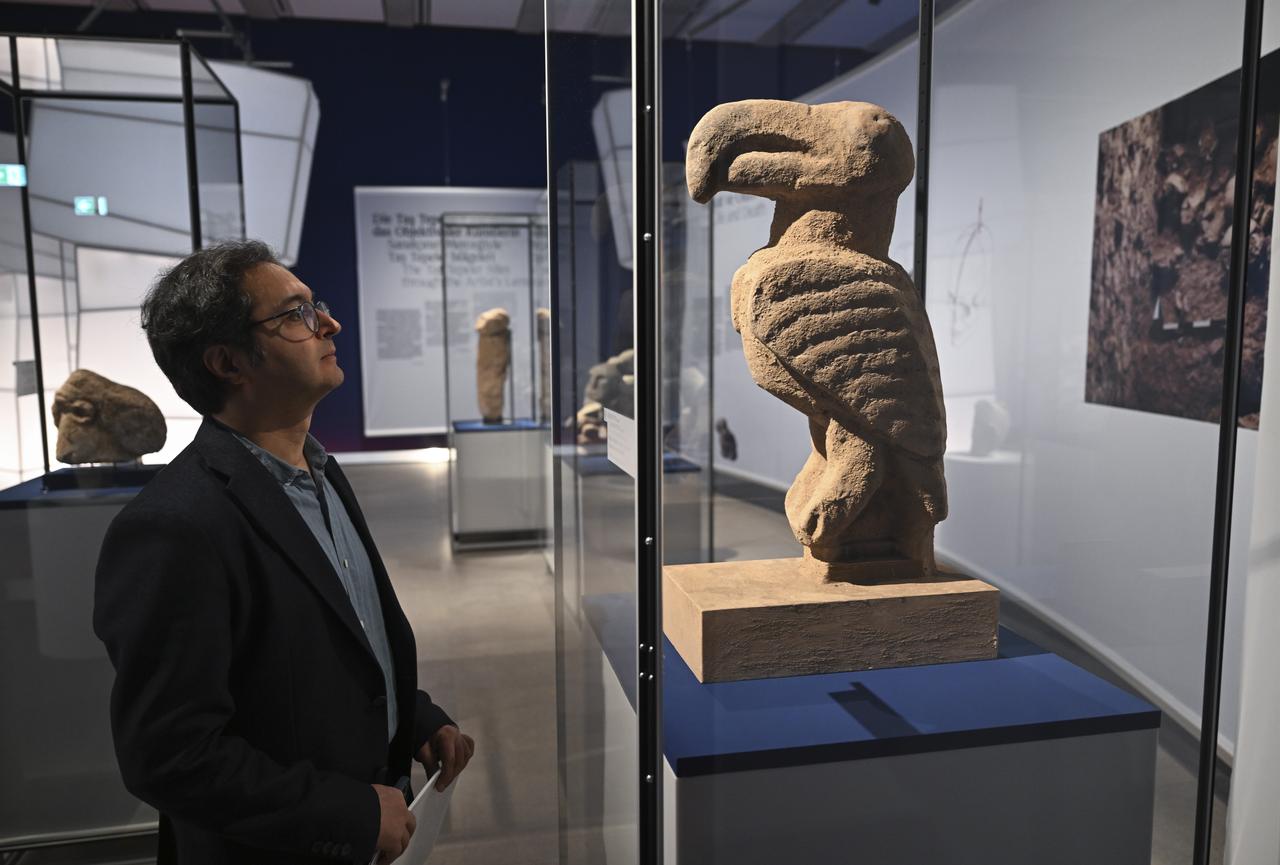
Karul noted that nearly 100 original artifacts from Tas Tepeler are being displayed in Berlin for the first time and that presenting this knowledge to the public is one of the project’s core aims.
He described the Berlin exhibition as its most significant stage so far, adding that German media interest has been high. He also shared that the ministry plans to organize similar exhibitions in other cultural capitals around the world.
The official opening will be attended by Türkiye’s Minister of Culture and Tourism Mehmet Nuri Ersoy and Germany’s Minister of Culture Wolfram Weimer.
Karul highlighted that hosting the exhibition in Berlin also carries symbolic value for Turkish communities living abroad, describing the transfer of these artifacts as a meaningful cultural gesture.
Barbara Helwing, director of the Museum of the Ancient Near East, said the exhibition gains strength from placing Gobeklitepe within a wider landscape that includes around 30 similar sites.
She emphasized that the objects on display shed light on everyday life in the period and allow visitors to directly engage with the life world of early communities.
Helwing also recalled her own experience as a student at the Nevali Cori excavations in the late 1980s, underlining the exhibition’s personal and institutional significance.
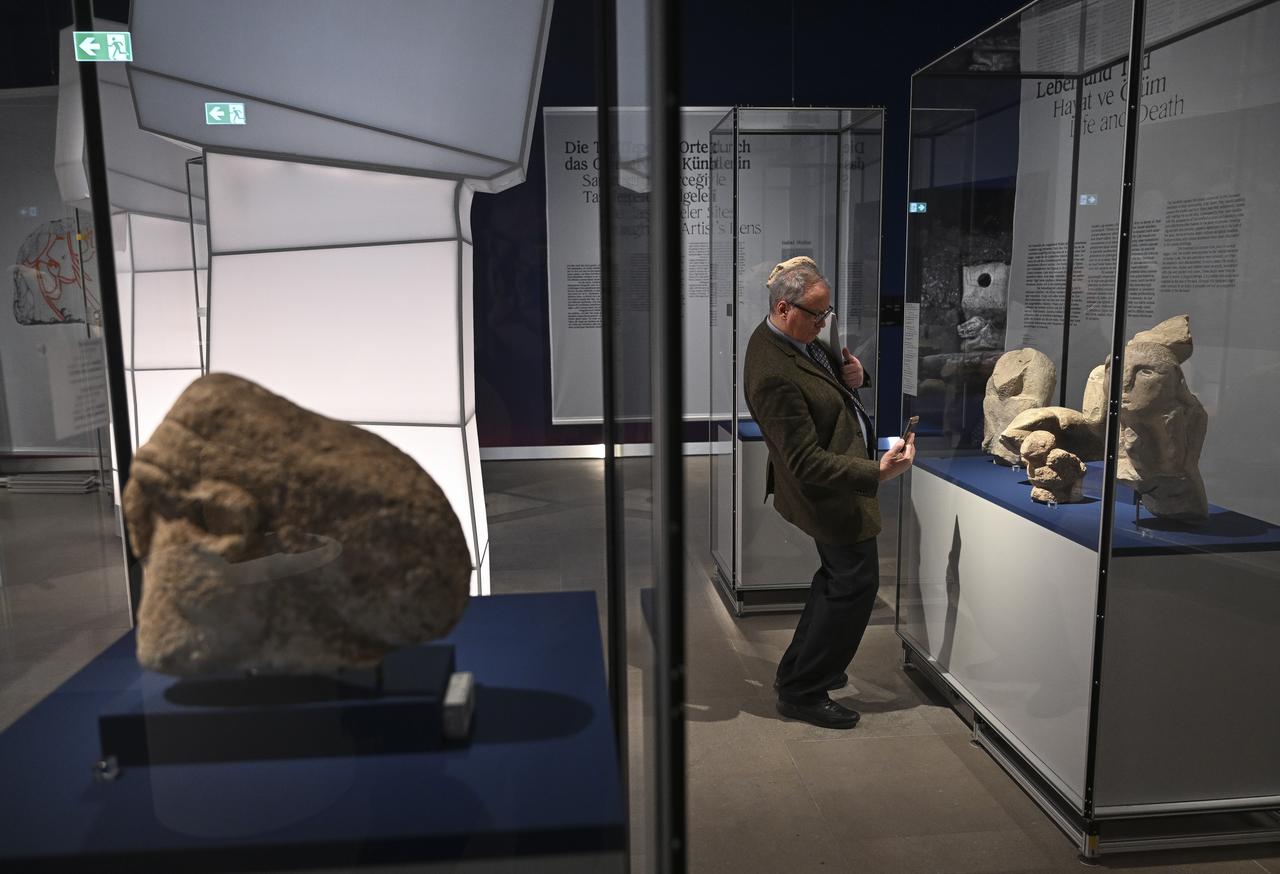
The exhibition also features photographs taken at Gobeklitepe by Spanish photographer Isabel Munoz.
Helwing noted that the visual material and archaeological finds together create an emotional impact comparable to that of Paleolithic cave paintings in Europe and Indonesia.
Gobeklitepe has already drawn widespread attention through international exhibitions, including "Gobeklitepe: The Mystery of a Sacred Place" at the Colosseum in Rome, which attracted more than six million visitors. The Berlin exhibition continues this global outreach, presenting early human history through a structured and accessible narrative.


 Set as preferred source
 Set as preferred source


 2 min read