

 Newsletters


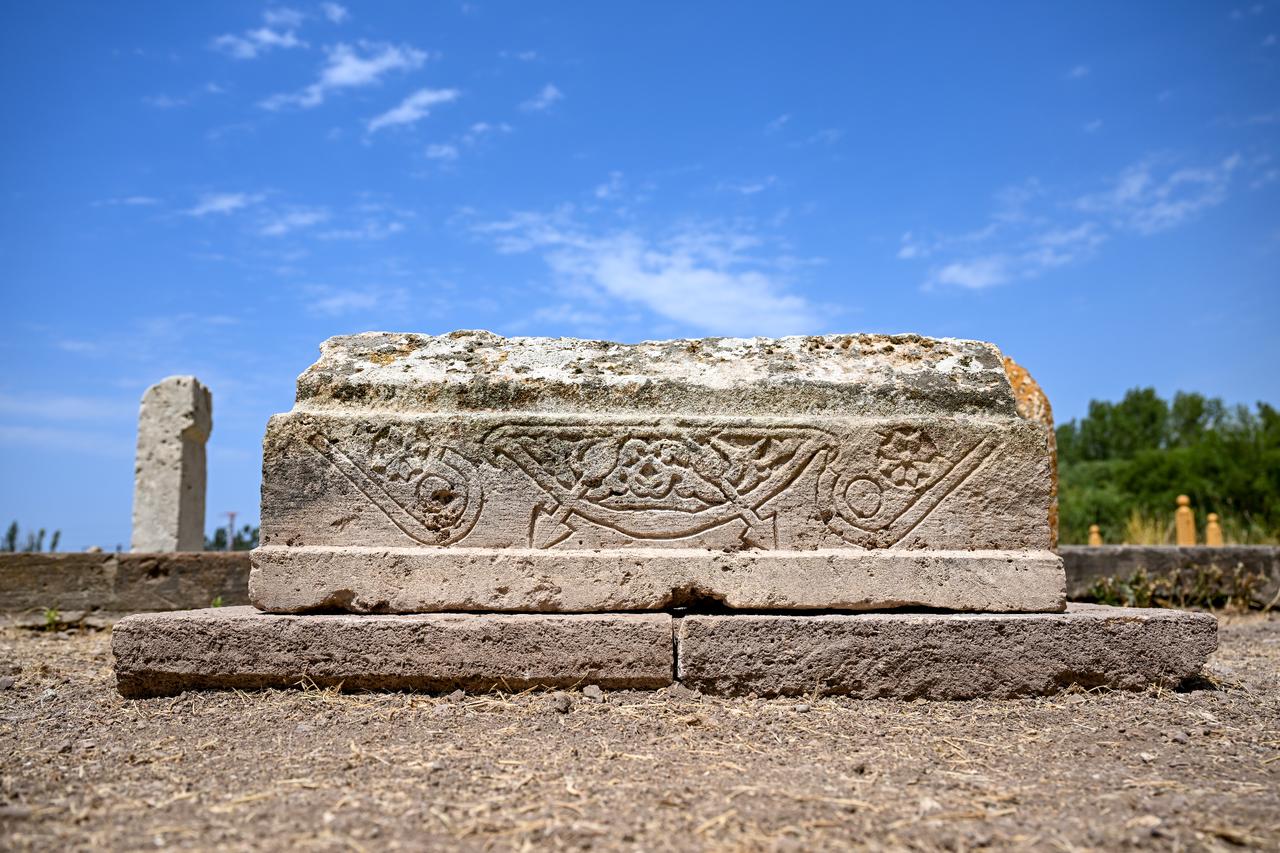


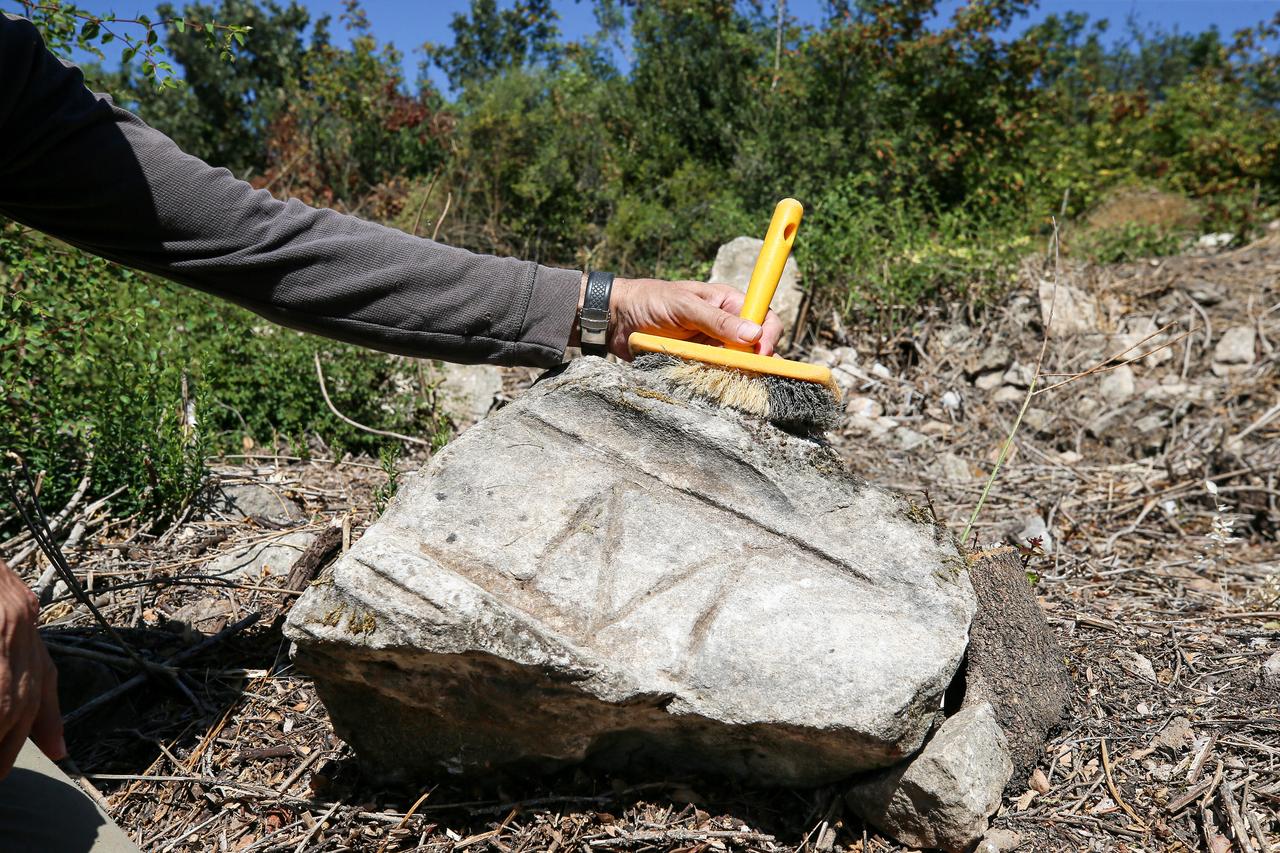
A gravestone belonging to a child and bearing a chevgan motif, a figure symbolizing horsemanship and heroism, has been uncovered during ongoing excavations at the historic Seljuk Cemetery in the Gevas district of Van.
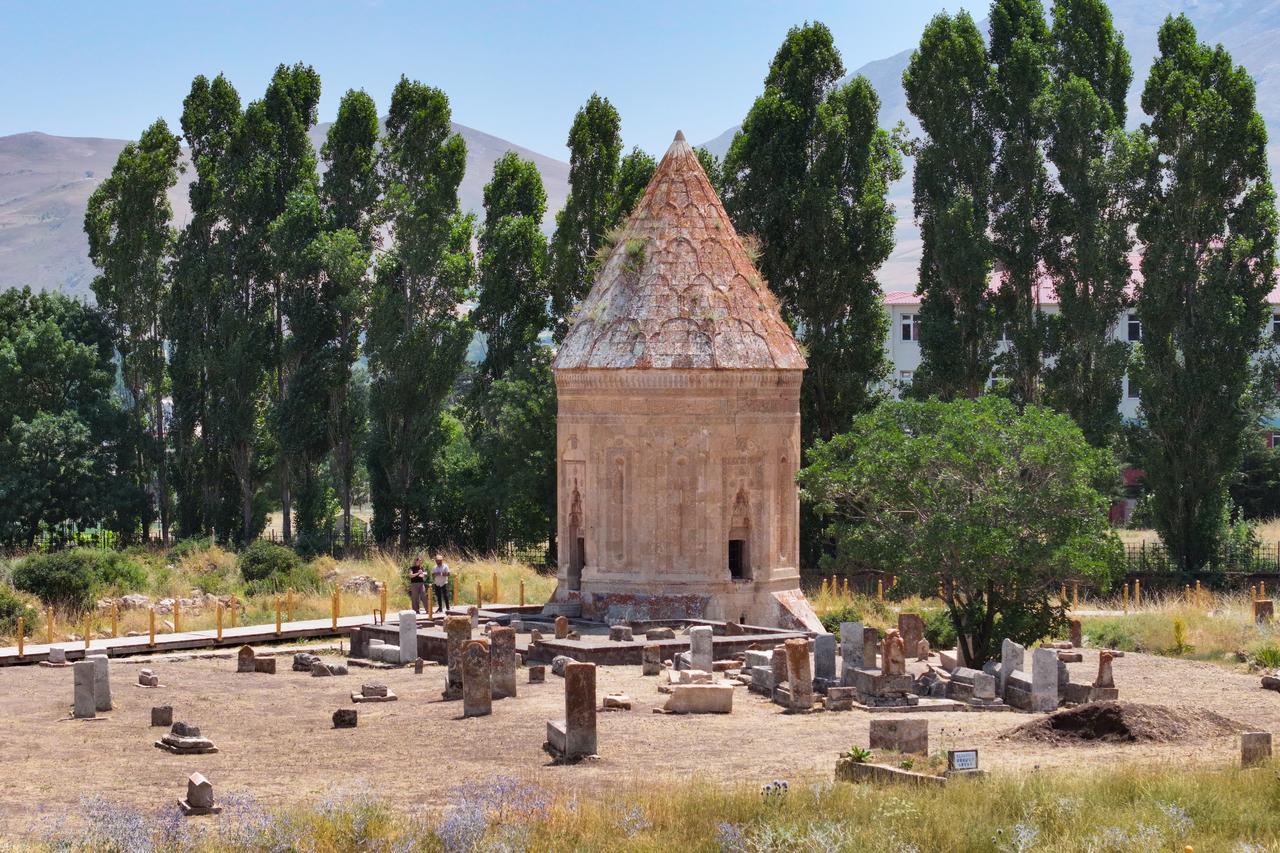
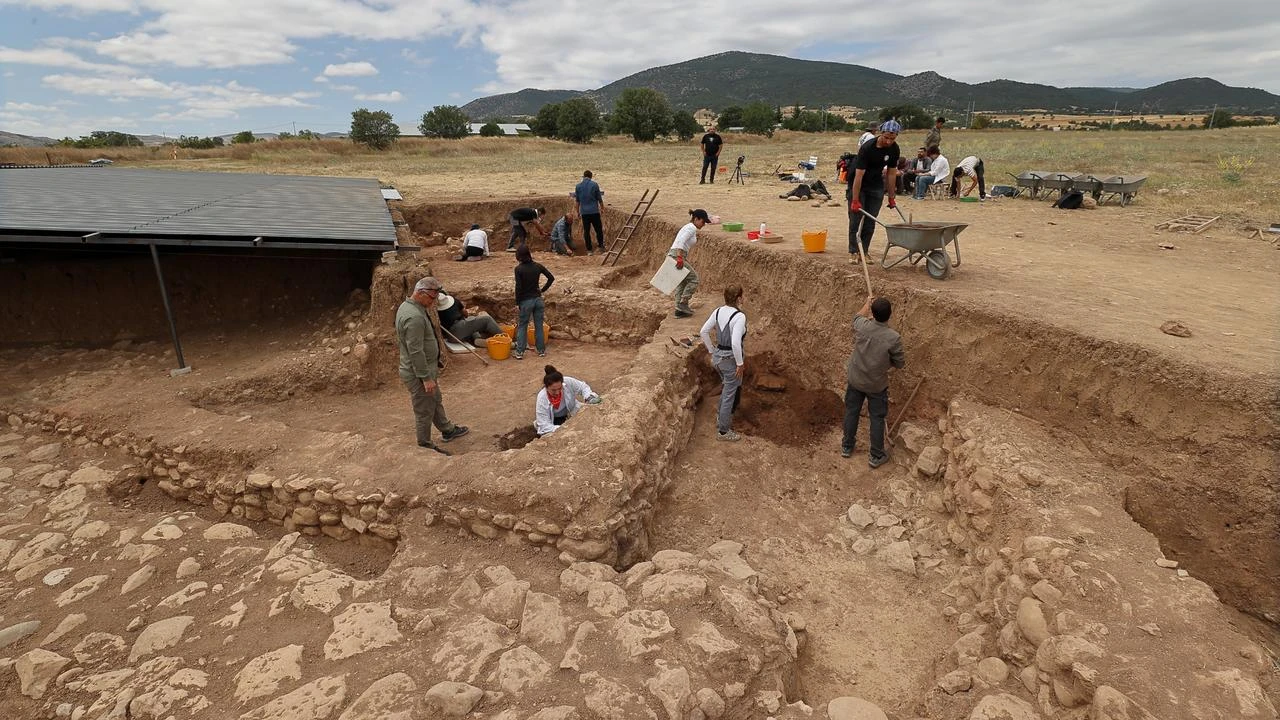
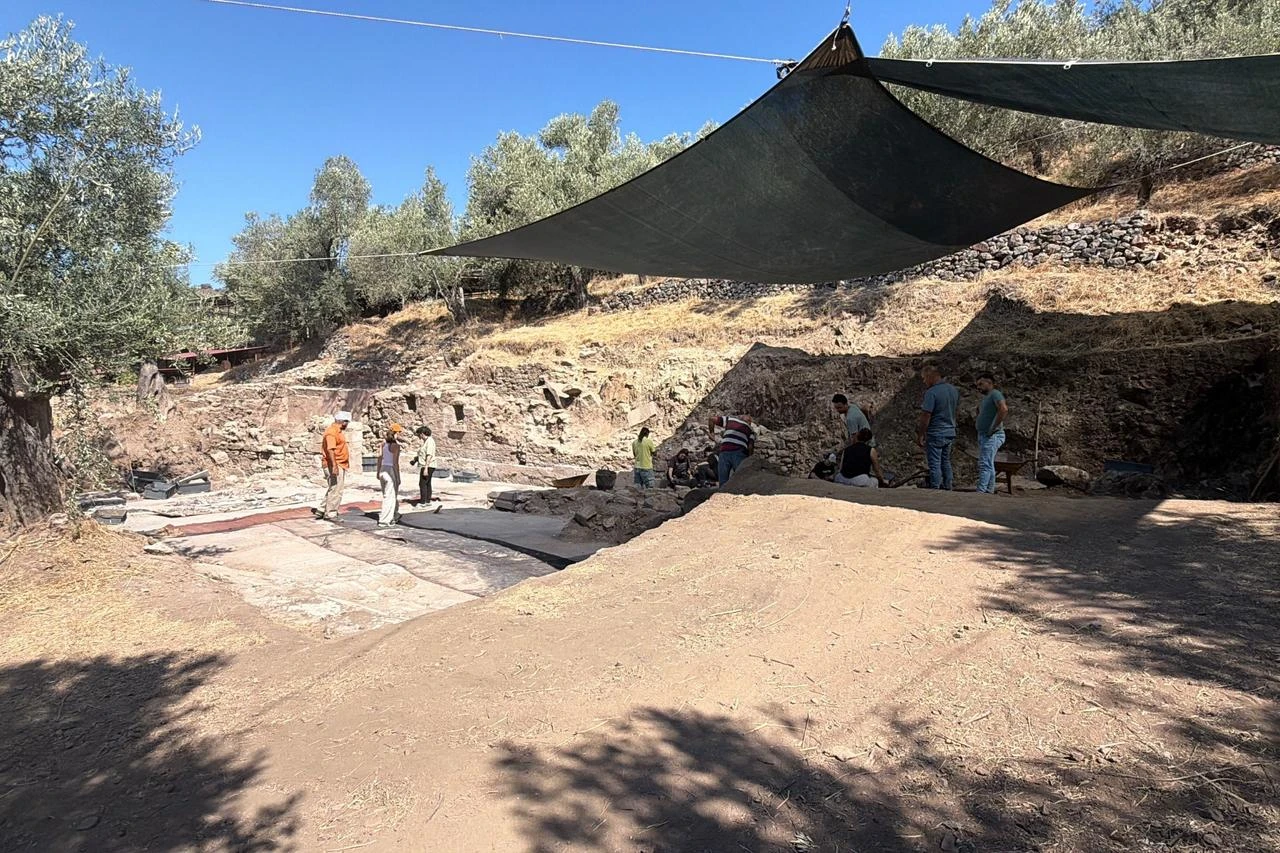
Excavation, restoration, and conservation work, launched in 2022, is continuing at one of Anatolia's largest Turkish-Islamic cemeteries in an area that also contains the Halime Hatun Tomb, built 700 years ago.
Led by Associate Professor Ercan Calis from the Van Yuzuncu Yil University Department of Art History, a 15-person team of specialists in art history, archaeology, epigraphy, architecture, restoration, and conservation is carrying out the work.
Over 1,000 gravestones, some standing up to 2.5 meters (8.2 feet) tall and distinguished by their inscriptions and traditional motifs, have been identified within the roughly 50-donum historic cemetery. A donum is a traditional unit of land measurement used in Turkiye, roughly equivalent to 1,000 square meters.
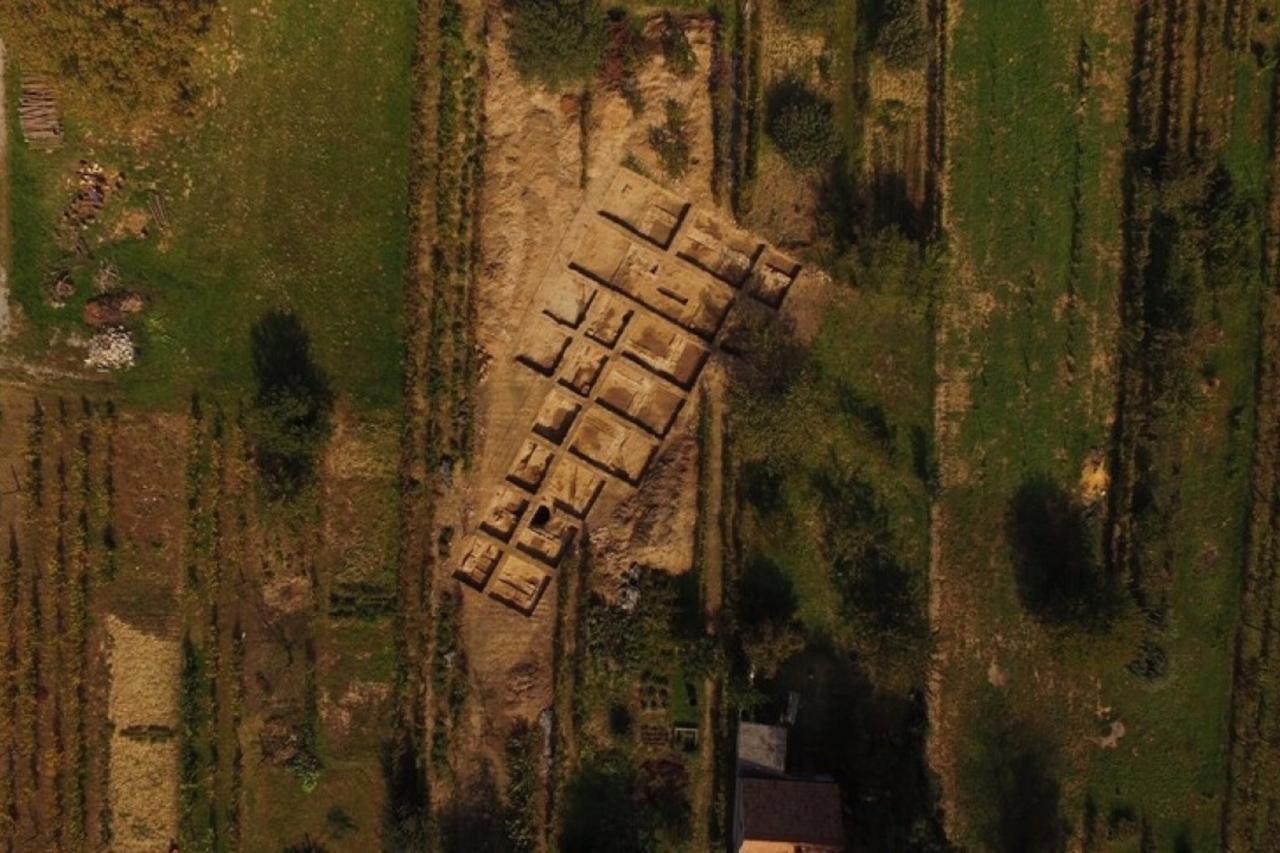
The team has mapped the site into a grid system and is uncovering buried gravestones by conducting controlled excavations to a depth of roughly 30 to 60 centimeters (11.8 to 23.6 inches) inside 10-by-10 meter plots.
Concentrating their efforts near the Halime Hatun Tomb, researchers discovered a sarcophagus-style children's gravestone 40 centimeters below the surface featuring a chevgan motif—a traditional Turkish-Islamic symbol representing nobility, valor, horsemanship, and heroism. The gravestone was successfully brought to the surface following about a day and a half of careful work.

Calis explained that chevgan, which holds an important place in Turkish culture, is a traditional sport played on horseback, in which players compete by striking a ball with long sticks while riding.
He noted that the game, which develops horsemanship, agility and combat skills, was not historically viewed merely as a sport, but also served as an educational method that helped children and young people acquire skills they would need in warfare.
Calis said one of the features that distinguishes the Gevas Seljuk Cemetery from other cemeteries is its rich decorative program, which includes a wide variety of motifs.
Among the most notable, he said, is the candlestick motif, which is rarely found in other cemeteries but appears systematically and in several forms at Gevas. He added that the chevgan motif remains the most significant find, noting that this year's excavation uncovered a second stone bearing the motif.
"The chevgan motif is highly significant in Turkish art, as it represents the continuation of a cultural tradition originating in Central Asia," Calis said. He noted that both gravestones bearing the chevgan motif belong to children and young people, explaining that the motif appears on their graves because the chevgan game, originally played as a sport during that period, later came to be used as a symbolic motif on gravestones.
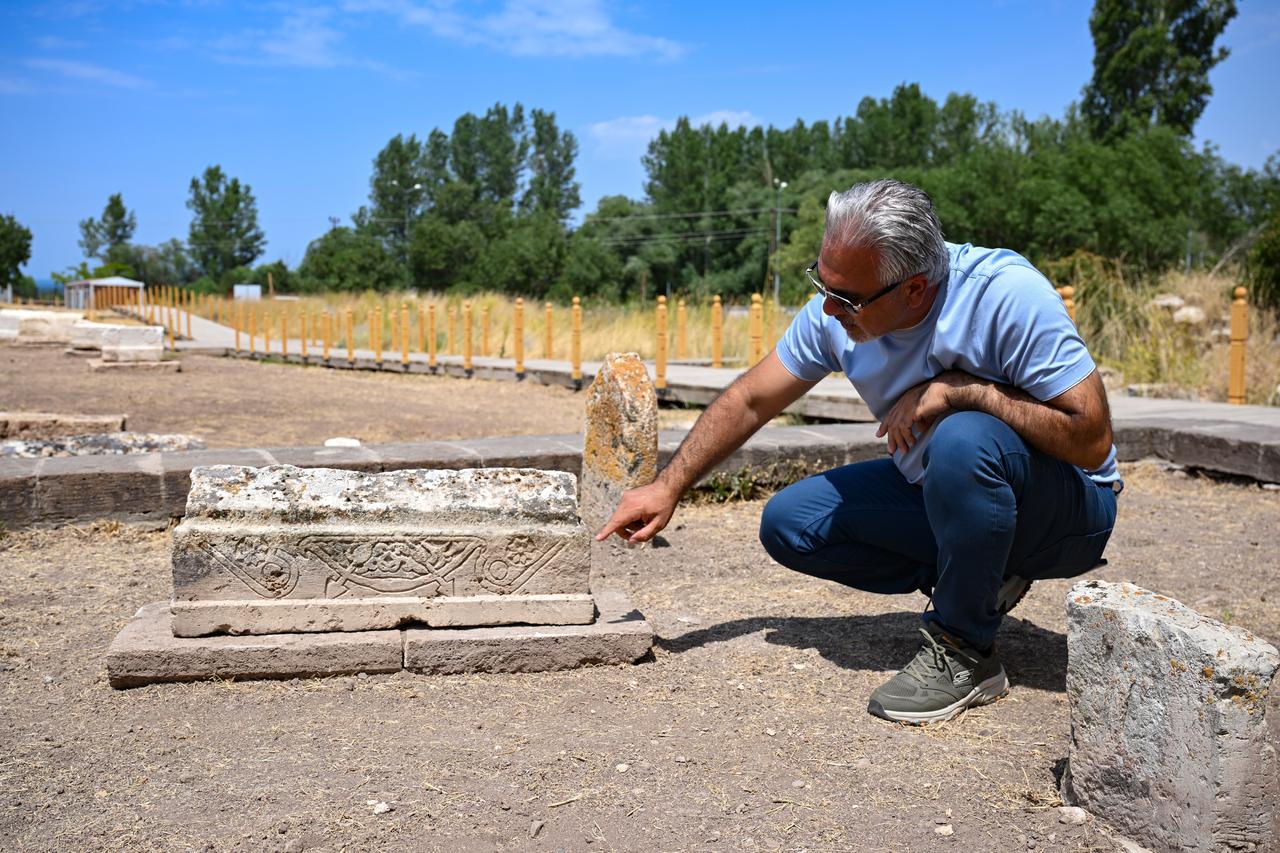
Calis said the chevgan game functioned both as a tactical exercise for warfare and as a sporting activity.
Looking at the motif on children's gravestones from that perspective, he said it reflects how children, from a young age, had both their warrior qualities and their courage cultivated, a practice resembling the concept of raising princes also seen among the Ottomans.
"They were being trained from a very young age and prepared through a form of education for the high positions and offices they might come to hold in the future," he said.


 Set as preferred source
 Set as preferred source


 1 min read
 1 min read


