Newsletters


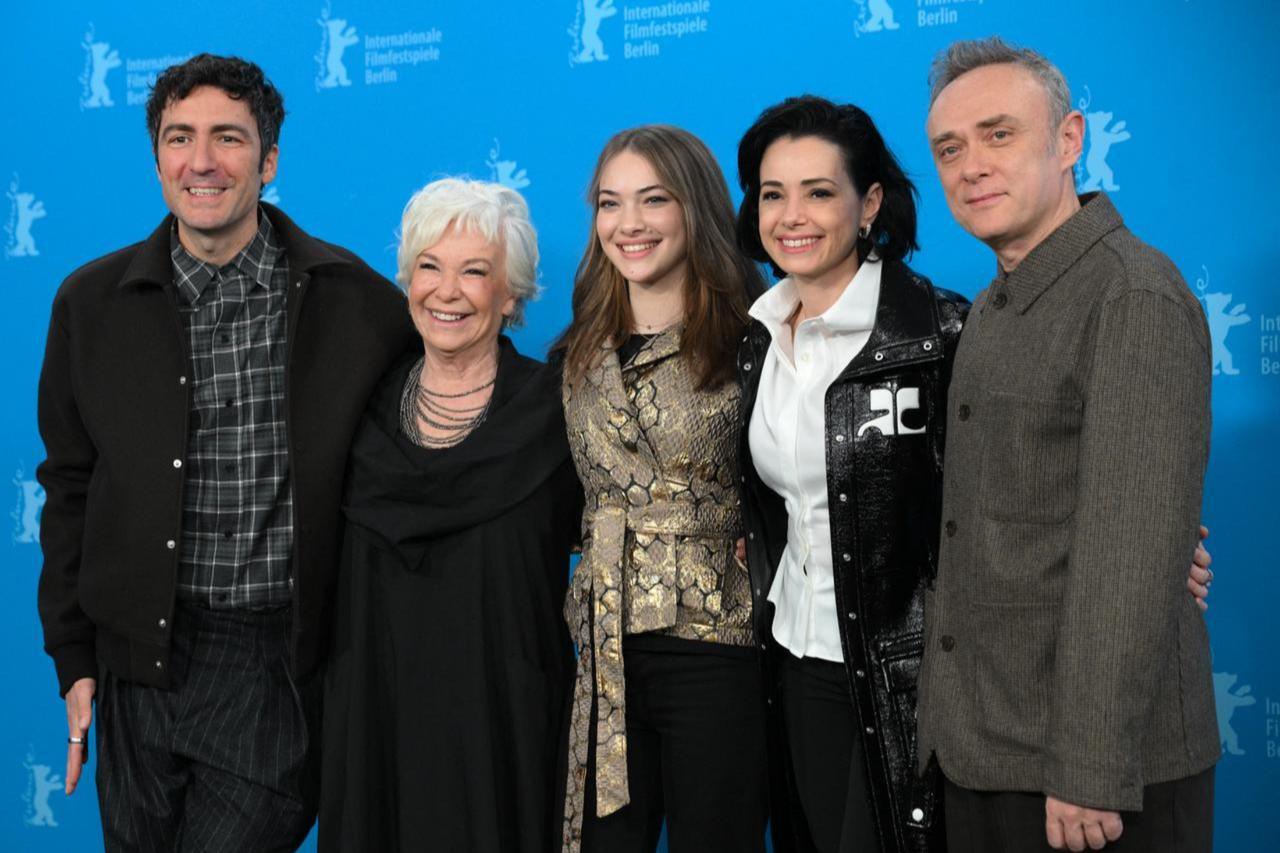


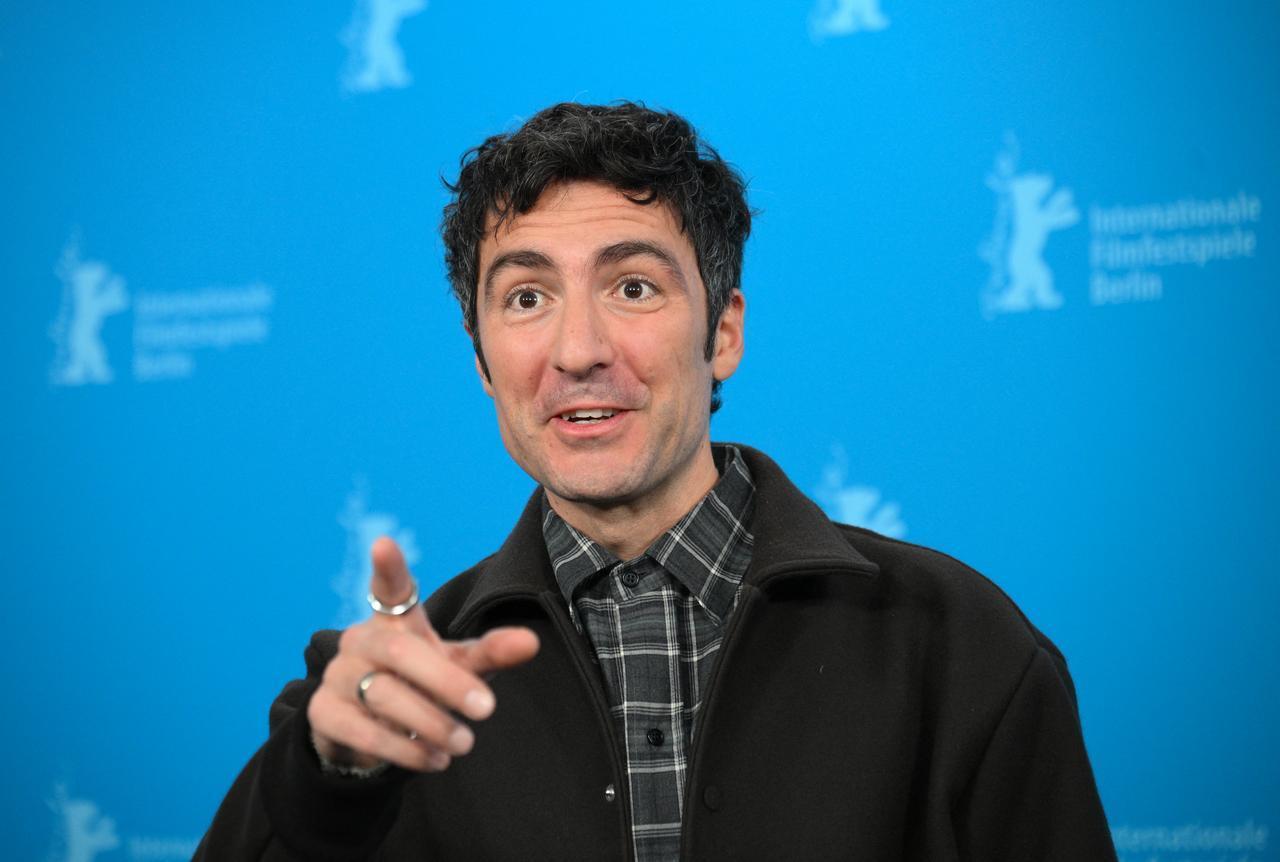
German-Turkish director Ilker Catak has condemned recent "recommendations" issued to the Berlin International Film Festival (Berlinale).
Catak, whose film "Yellow Letters" won the Golden Bear at the 2026 festival, spoke out after Germany’s culture ministry suggested new guidelines for the event.
The controversy began during the 2026 awards ceremony. Several filmmakers used their acceptance speeches to make pro-Palestinian statements and criticize the situation in Gaza.
These remarks triggered a backlash from German politicians and media outlets. In response, the festival's supervisory board suggested creating a code of conduct and an independent advisory forum.
"An international A-list festival like the Berlinale, a festival dedicated to the liberal arts, freedom of expression, and cinema in all its diverse voices, must never be subjected to 'recommendations' or any form of external directive," Catak said in a statement to Variety.

The Berlinale supervisory board, which finances the festival, met this week to discuss the fallout from the closing ceremony.
While the board confirmed that Tricia Tuttle would remain the festival director, they proposed several measures to manage politically sensitive content.
These proposals include the creation of a formal code of conduct, specialized training for staff dealing with political content, and the launch of an advisory forum representing diverse social groups.
Ilker Catak argues these measures threaten the independence of the arts. He stated that nothing should dictate how the festival leadership curates its program beyond human rights and the German Constitution.
"Filmmakers and guests must also be free to express everything they wish within this framework," he added. "Anything else would constitute blatant state interference in the autonomous exercise of art. We would have to call it what it is: censorship."
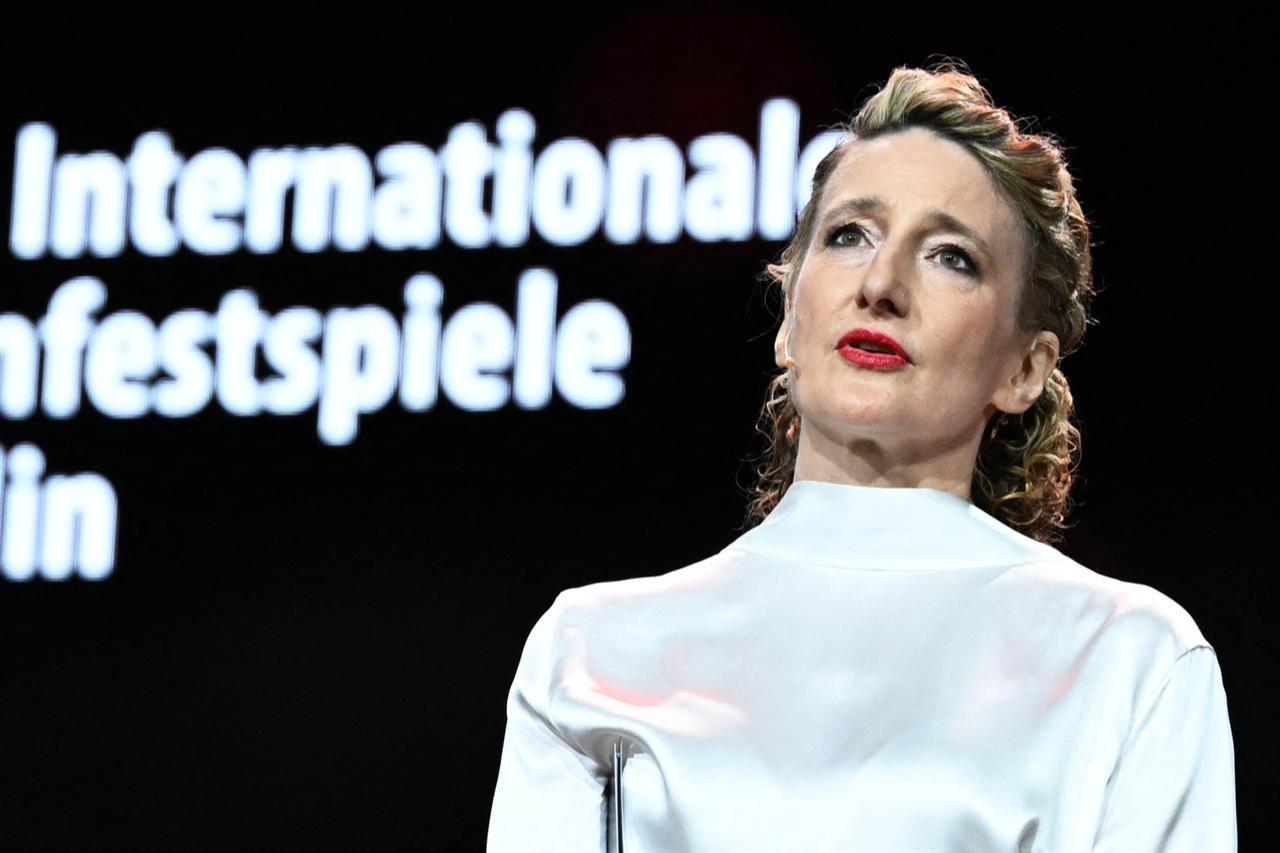
The debate over the festival's future has drawn international attention.
Reports previously suggested the government might sack Tricia Tuttle due to the political nature of the 2026 edition. This prompted more than 2,500 film professionals to sign an open letter in her support.
Signatories included prominent directors like Sean Baker and Kleber Mendonca Filho. Additionally, 32 international film festival directors from Cannes, Toronto, and Venice voiced their support. They argued that festivals must remain spaces for diverse and sometimes conflicting viewpoints.
Catak had previously stated he would never submit another film to the Berlinale if Tuttle were removed.
His award-winning film, "Yellow Letters," ironically mirrors these real-world tensions. The drama follows an artist couple in Ankara who lose their jobs and security because of their political views. The film stars Ozgu Namal and Tansu Bicer as the couple facing professional collapse under political pressure.

The Berlinale receives approximately 40% of its funding from the German government. This financial link has fueled the debate over whether the festival can remain truly independent.
Türkiye-based director Emin Alper, who won the Silver Bear Grand Jury Prize for his film "Salvation" at the same festival, also noted the pressure. Alper had explained that the festival's public position is tied to its institutional structure.
"Even though Berlinale is partly autonomous, it receives financial support from the German government and is under clear pressure," Alper said.
The festival leadership maintains that the board's recommendations are not mandatory conditions for Tuttle’s leadership. However, the dispute has raised lasting questions for the global film community about the role of cultural institutions during times of geopolitical conflict.


 Set as preferred source
 Set as preferred source



 3 min read