Newsletters


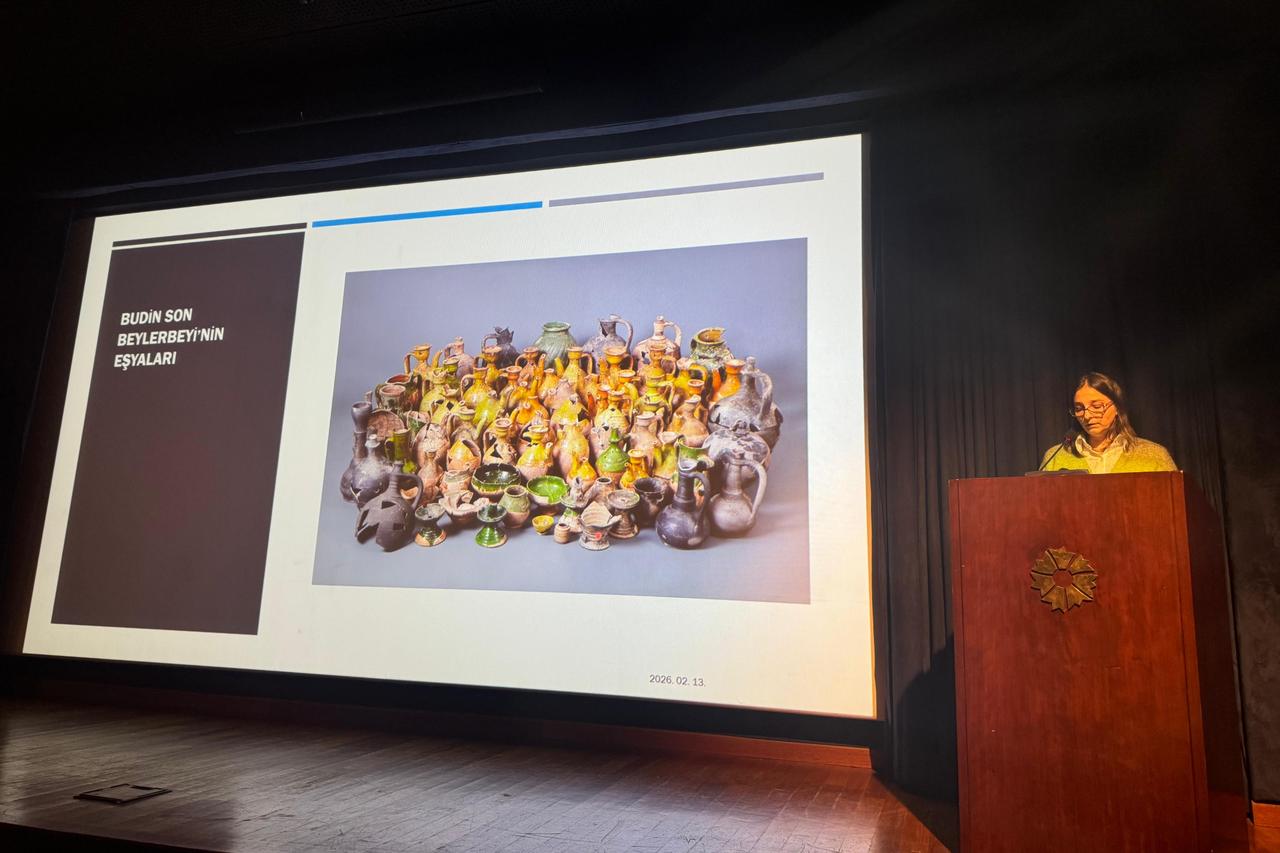


Ottoman-era weights unearthed in Buda excavations were put into focus at the Pera Museum in Istanbul, where Hungarian archaeologist Adrienn Papp used thousands of finds to show how daily life and trade practices in Buda were shaped by long-term coexistence between Ottoman and local communities.
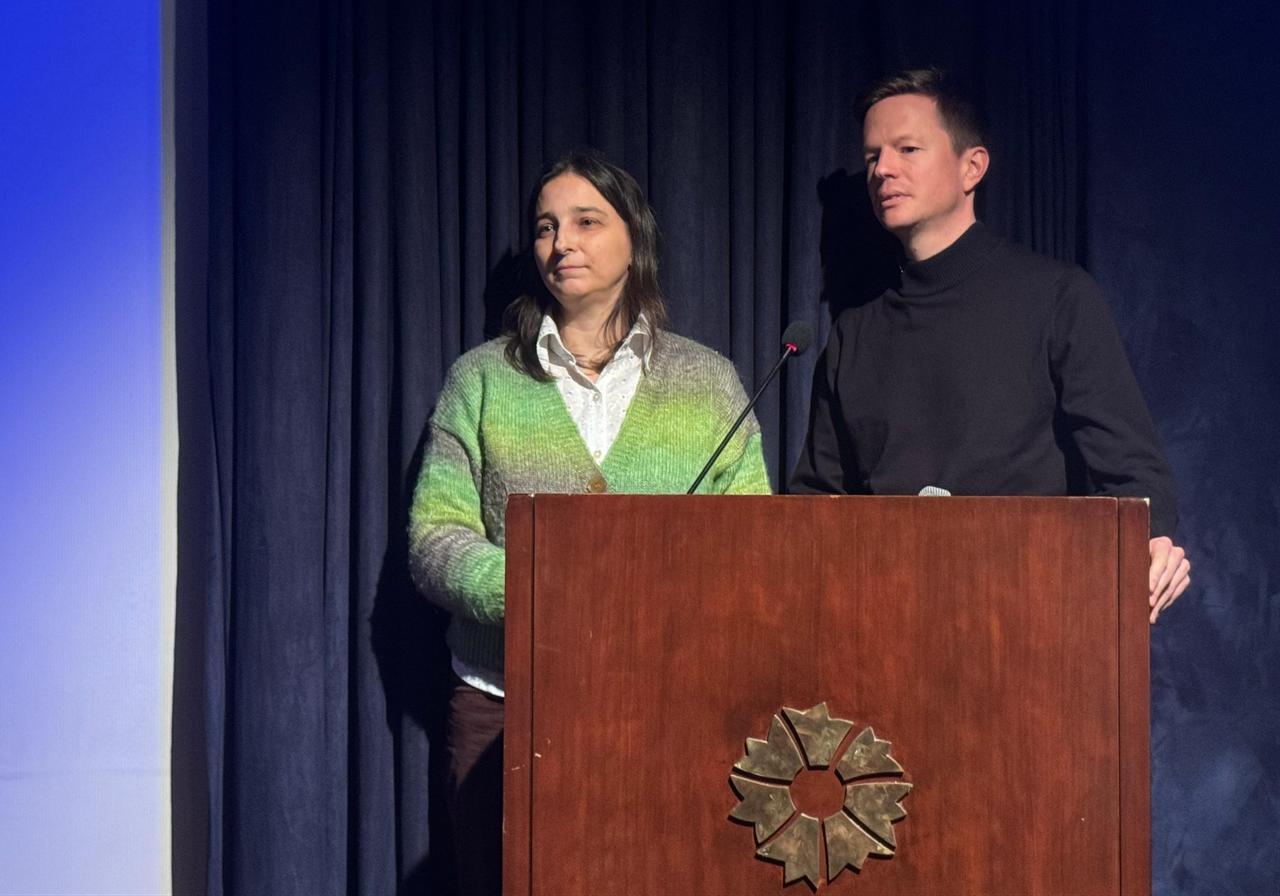
Speaking at the Pera Museum Auditorium within the museum’s “Anatolian Weights and Measures Collection” program, Papp delivered a lecture titled “Exploring Ottoman Budin: Weights from Archaeological Excavations.”
She drew on archaeological material to retrace the past of Ottoman Buda and to break down what excavated weighing tools can reveal about the city’s economic routines.
Papp, who leads excavations in Budapest at several Ottoman-era sites, including Ottoman baths, the Pasha Palace, and the Gul Baba Tomb, also continues her academic work through the Budapest History Museum and the Pazmany Peter Catholic University Institute of Humanities.
Papp described Buda as a medieval city established along the Danube River and as one of the historic centers of Hungary’s capital, Budapest.
She said Buda had earlier served as the royal center of the Hungarian Kingdom, with a major urban settlement clustered around the palace complex, and later became the administrative center of the Ottoman Province of Buda during the Ottoman period from 1541 to 1686.

According to Papp, Ottoman rule did not replace the existing population, and Hungarian residents continued living in the city while newcomers arrived from the Balkans.
She said many medieval habits and traditions were carried on, while new day-to-day practices also grew out of the mix, adding that “Hungarians and Ottomans lived side by side in Buda for around 150 years and had mutual influences on everyday practices.”
She argued that this two-way influence can be traced in the excavated weights themselves, noting that archaeologists have found Ottoman disc-shaped and multi-faceted scale weights, steelyard weights (a balance system using a sliding counterweight), and cup-shaped weights, among other objects.
She also emphasized that the finds did not only turn up in market areas but were spread across the city, including suburban zones.
Referring to the Seyahatname by Evliya Celebi, a 17th-century Ottoman traveler and writer, Papp said the text records that four groups lived in Buda after the conquest: Ottomans, Balkan-origin communities, Hungarians, and Jews.
She said Ottomans arriving from outside the city brought belongings with them and that Buda contained many bazaars, adding that remains of some have been reached through excavations, while others have not, even though written sources point to their presence in multiple locations.
Papp said the Buda finds carry special weight because the city’s last siege took place relatively late, and major wars did not follow afterward, which helped preserve a large archaeological record.
In the excavations, she said, researchers identified 17 different weight types, with quantities reaching into the tens of thousands, while noting that long burial underground led to serious damage.
She added that conservation and cleaning work have gradually brought details back into view, including tughras, the stylized calligraphic imperial monograms used by Ottoman sultans.
She said many excavations were carried out along the Danube waterfront and pointed to earlier researchers whose work remains valuable for today, naming Lajos Fekete and Geza Feher among those who contributed key groundwork on Ottoman Buda and its measurement culture.


 Set as preferred source
 Set as preferred source


 2 min read