Newsletters


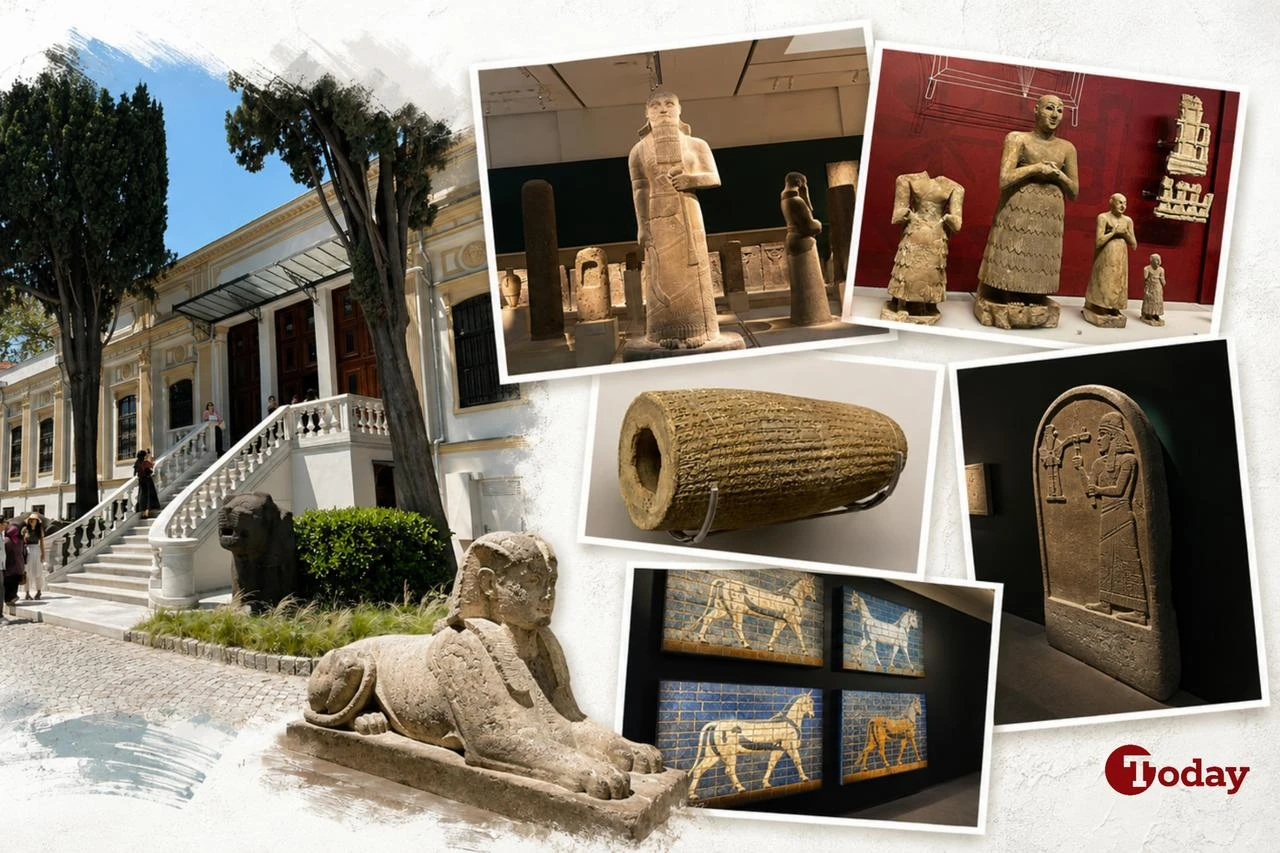


Istanbul's Museum of the Ancient Orient has reopened following a four-year restoration and display renewal, once again bringing together major objects from Mesopotamia, Anatolia, Egypt and the Arabian Peninsula within the Istanbul Archaeological Museums complex.
The museum, which had been closed since 2022, houses works linked to some of the earliest developments in writing, law, diplomacy, literature, urban life and state administration. Its galleries range from Hittite stone reliefs and Mesopotamian cuneiform tablets to Egyptian objects and inscriptions from pre-Islamic Arabian societies.
Hundreds of objects that had remained in storage for years have also been put on display, with some presented to visitors for the first time.
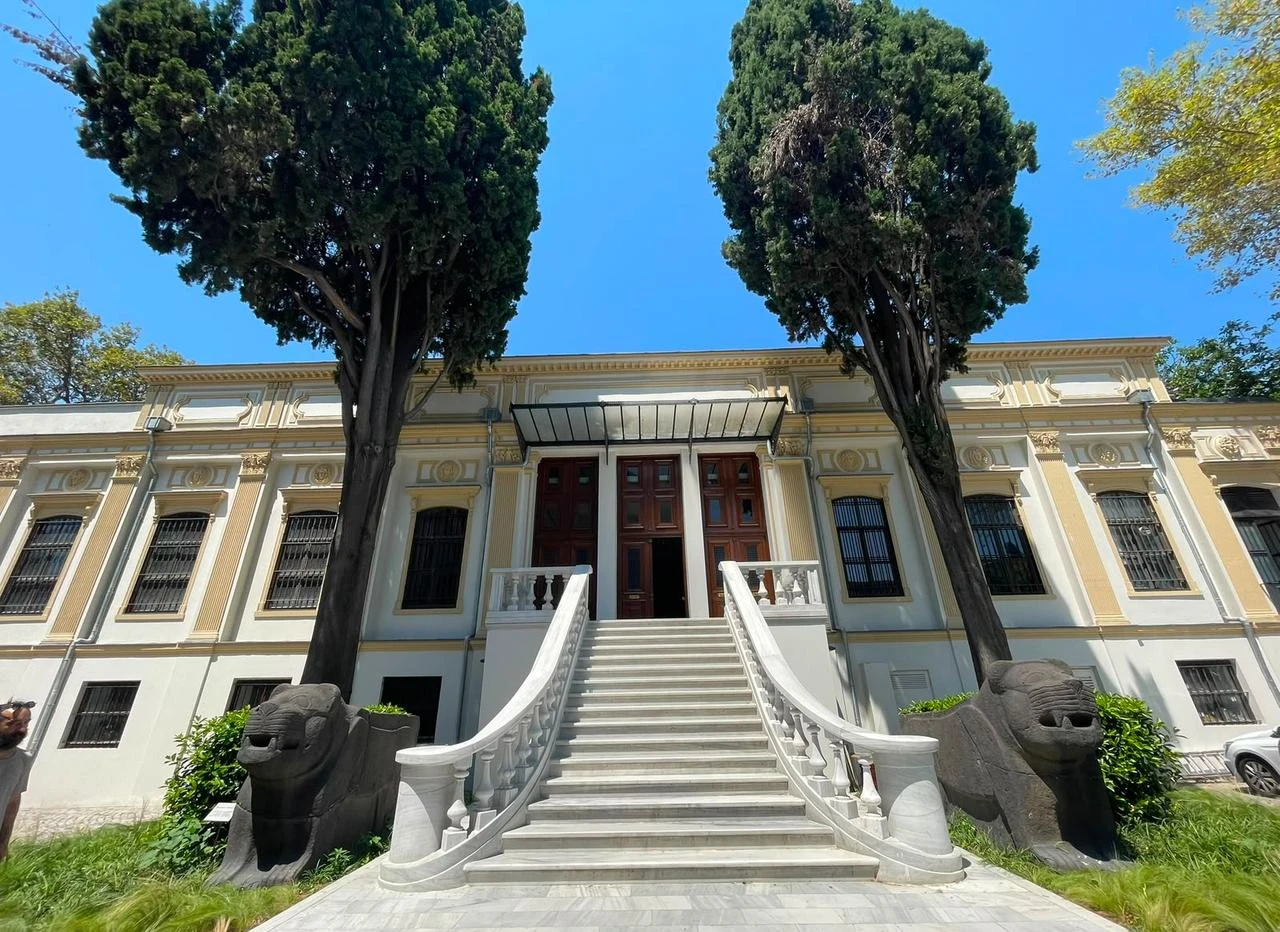

The building was constructed in 1883 on the initiative of archaeologist and museum founder Osman Hamdi Bey as the Sanayi-i Nefise Mektebi, the institution that later developed into today's Mimar Sinan Fine Arts University.
Designed by French architect Alexandre Vallaury, the structure was converted into a museum in 1917 and became a dedicated home for archaeological finds from ancient Near Eastern civilizations.
Objects brought to Istanbul through Ottoman-era excavations were gradually gathered inside the building, helping to form one of the most extensive collections of its kind.
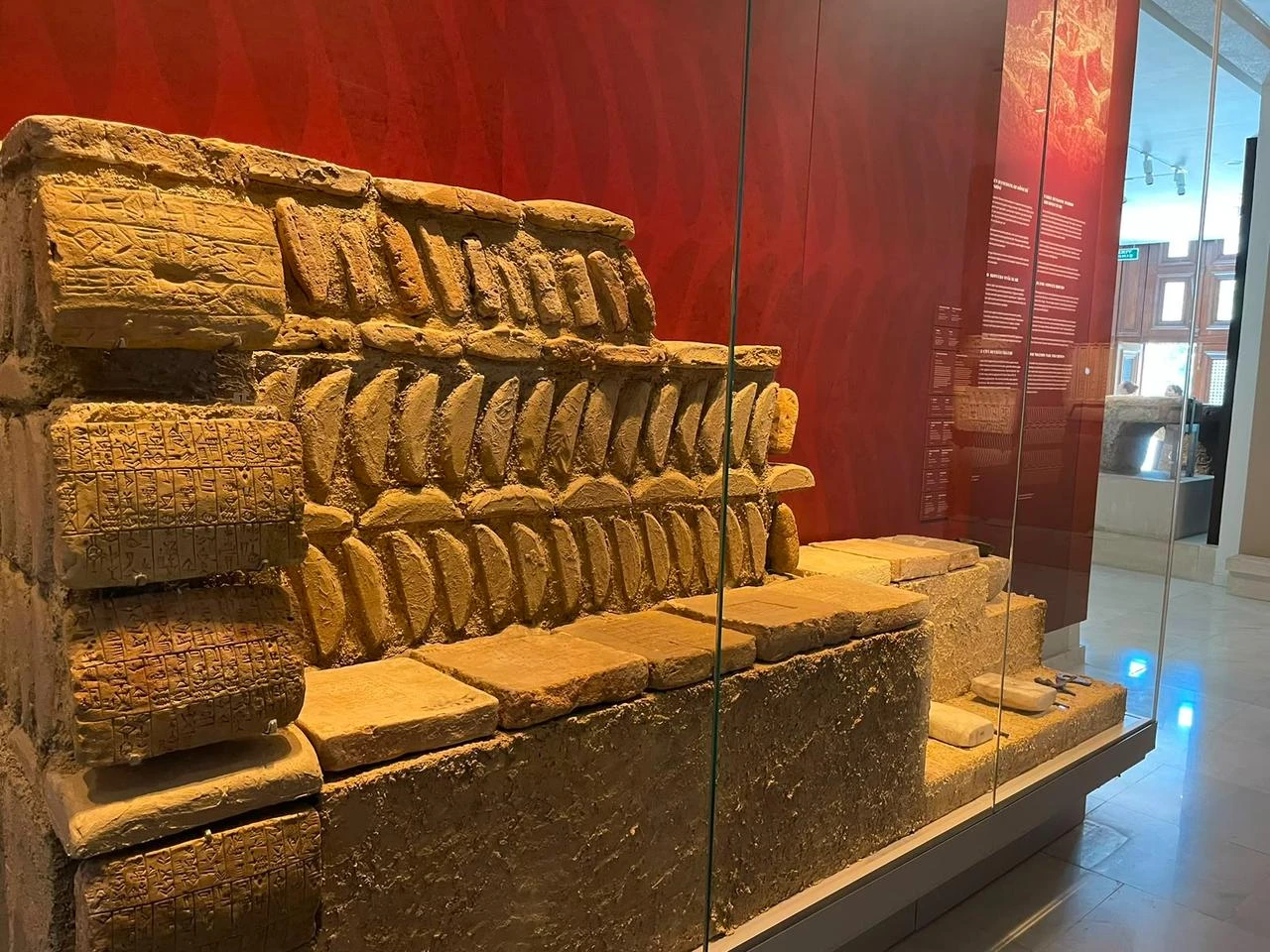
Among the museum's best-known objects is the clay copy of the Kadesh Treaty, concluded around 1259 B.C. between Hittite King Hattusili III and Egyptian Pharaoh Ramesses II.
Written in Akkadian cuneiform, a system in which wedge-shaped signs were impressed into clay, the document is regarded as the oldest known written international peace treaty.
Its importance extends beyond archaeology because it records an early attempt to place peace between two states under written guarantees. A bronze reproduction is displayed at the United Nations headquarters, while the clay version in Istanbul remains one of the most significant documents connected to the history of diplomacy and international law.
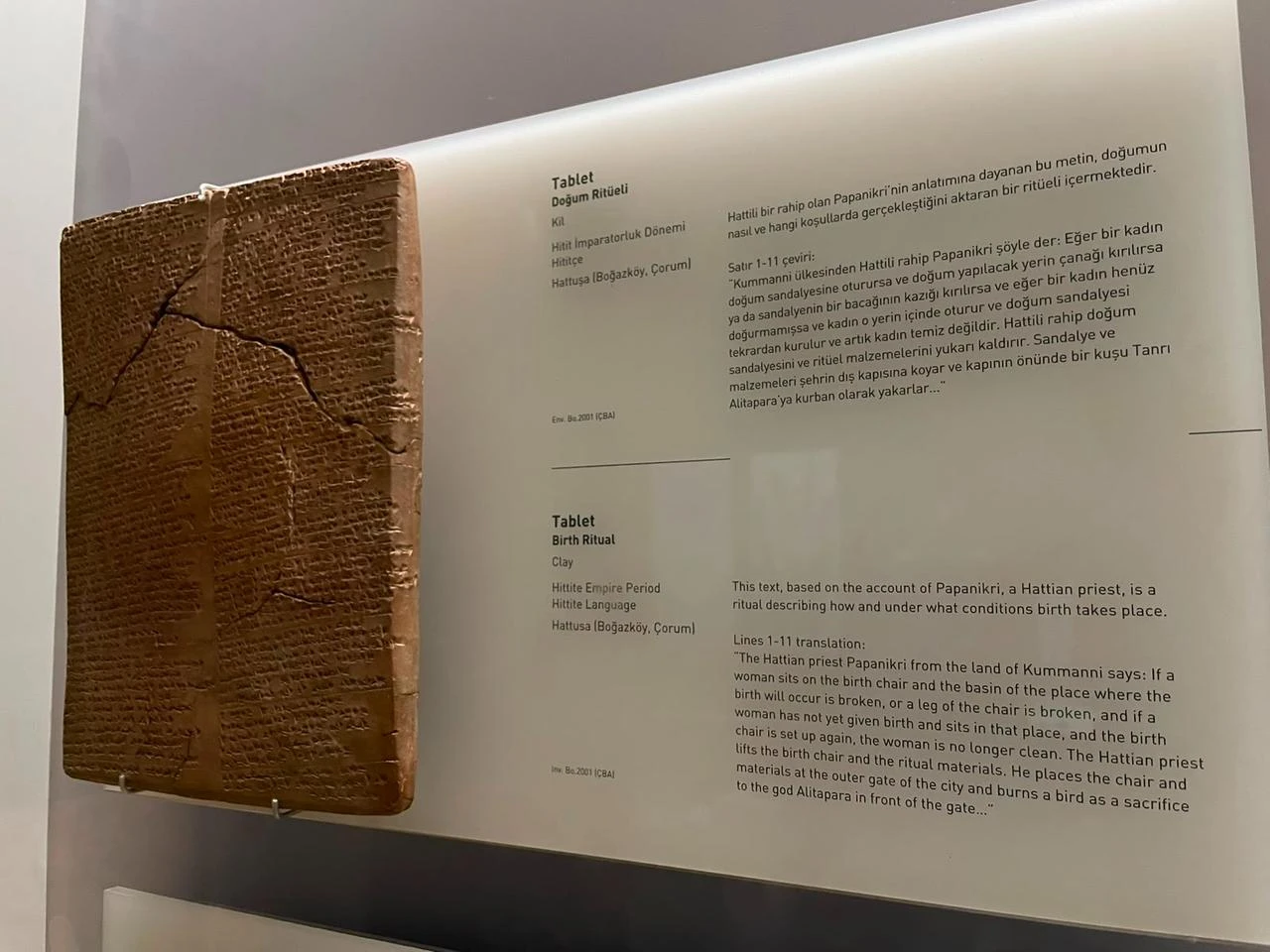
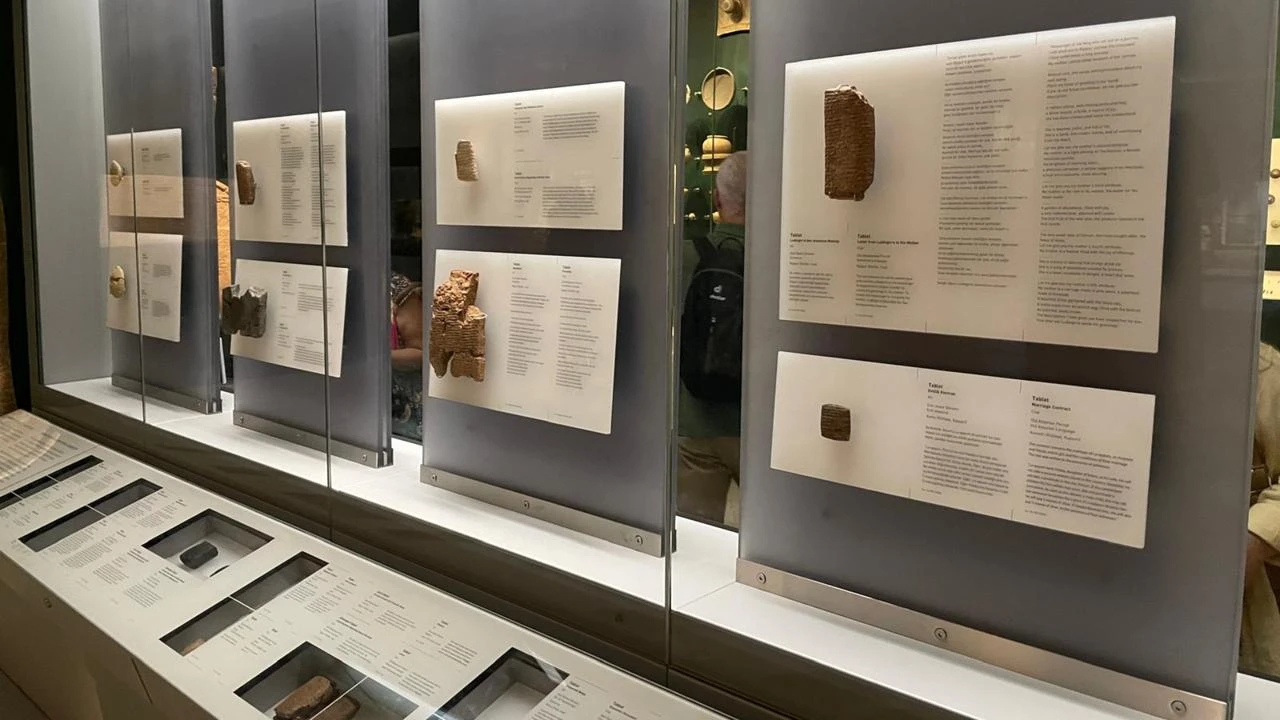
The museum's tablet archive contains around 75,000 cuneiform documents, placing it among the world's largest collections of its type.
The texts cover royal orders, tax records, commercial agreements, court decisions, temple accounts, marriage contracts, literary works and notes connected to daily life.
Together, they help researchers piece together the political, economic and social history of ancient Mesopotamia while also preserving the experiences of individuals who lived thousands of years ago.
Another landmark object is the Stele of Naram-Sin, dated to the 23rd century B.C. and associated with the Akkadian ruler Naram-Sin. The monument presents the king moving toward the summit of a mountain and links military victory with divine authority, making it an important example of political imagery in the ancient Near East.
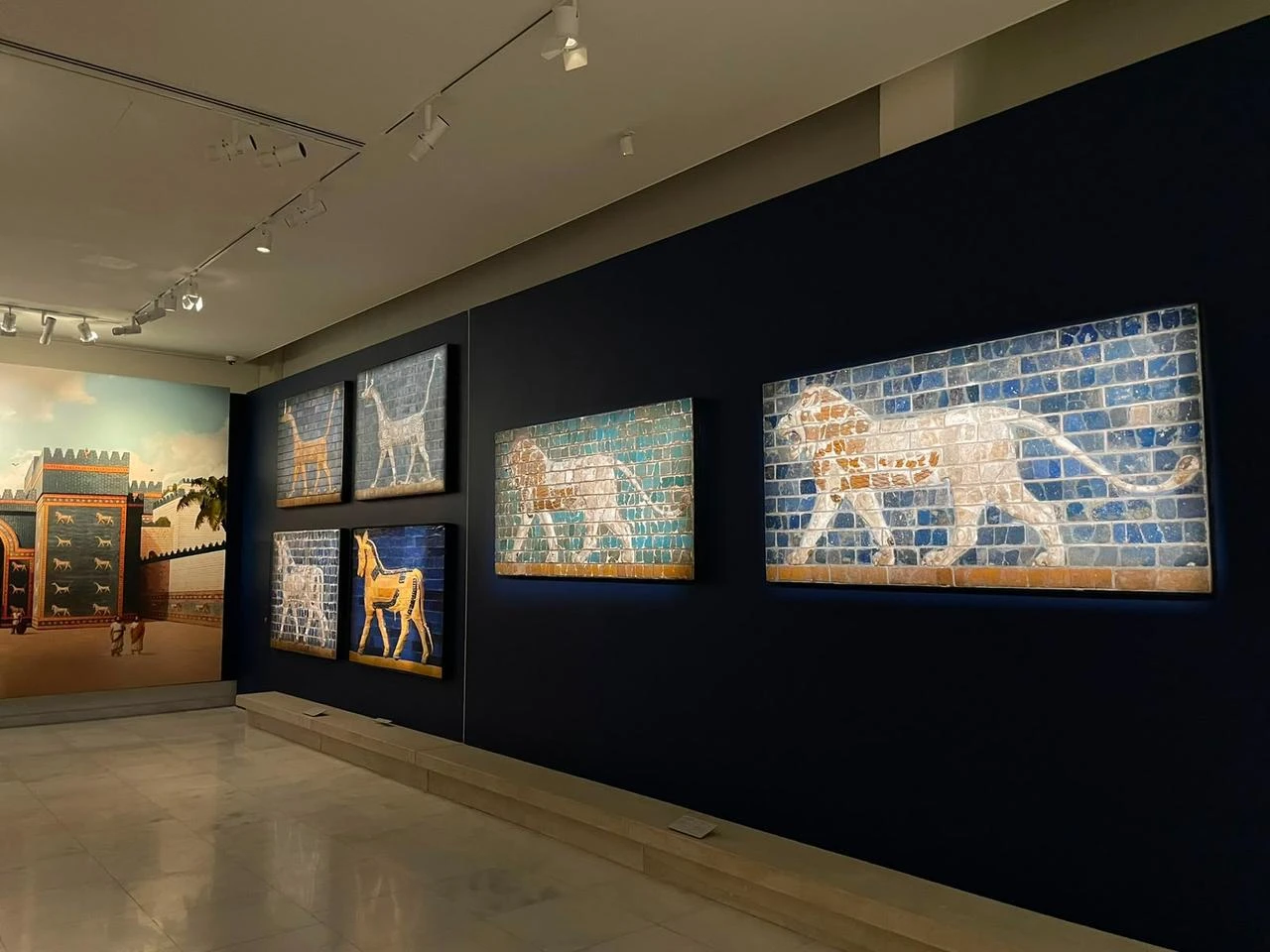
The museum also displays original glazed-brick reliefs connected to Babylon's Ishtar Gate and ceremonial route. Decorated with animals including lions, bulls and dragons, the blue-glazed pieces combine monumental architecture with religious symbolism.
A smaller clay tablet from the Sumerian period contains a text identified as the world's oldest known love poem. Dating back around 4,000 years, it preserves an early literary expression of love and forms part of a wider collection that includes Sumerian, Akkadian, Babylonian, Assyrian, Elamite, Urartian, Hittite, Egyptian and pre-Islamic Arabian works.
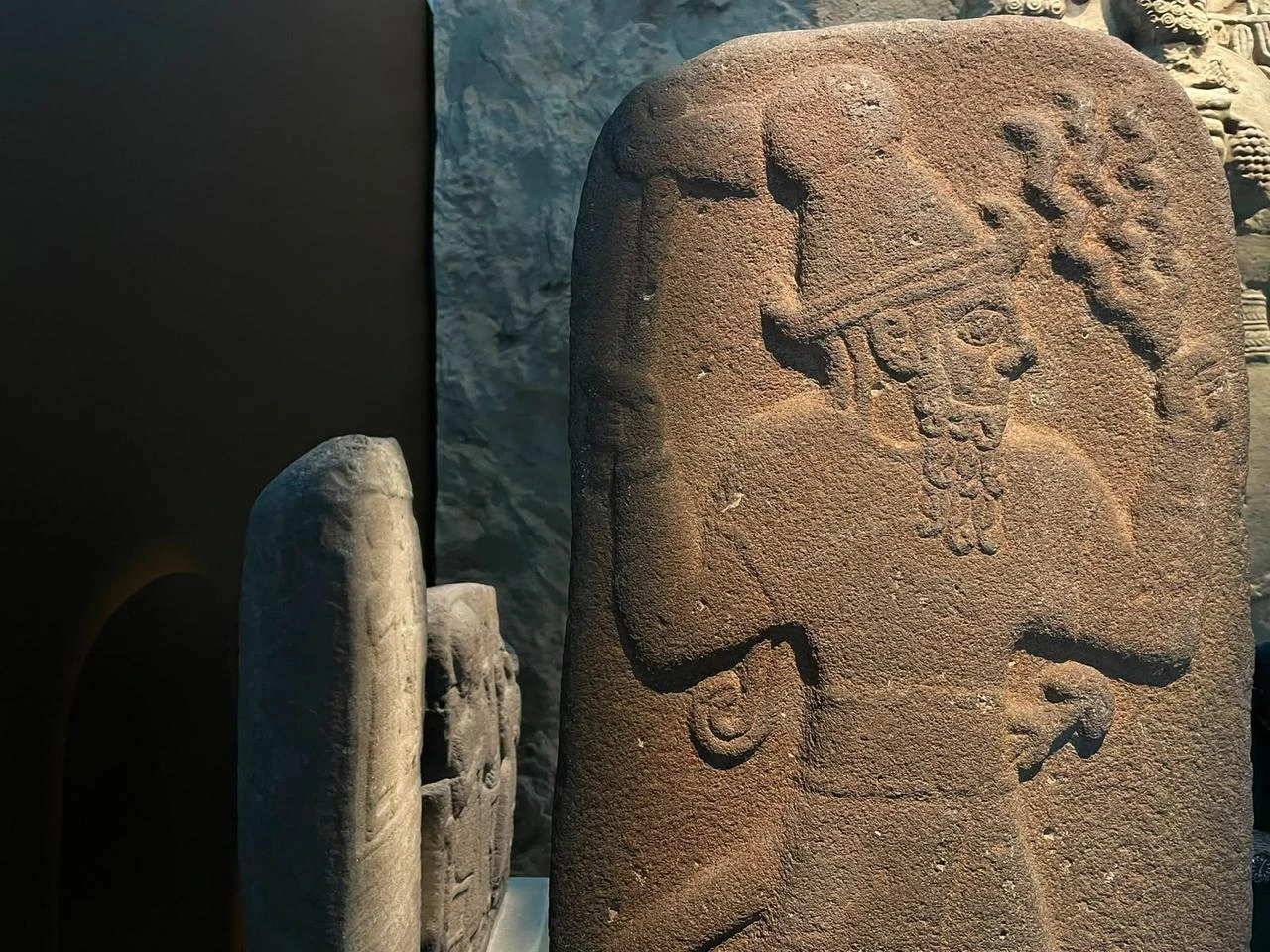
The opening galleries introduce visitors to the Hittite world through architectural fragments, stone reliefs, lion figures and representations of deities that once formed part of monumental buildings and city defenses.
Further sections bring together inscriptions and sculptures from ancient communities of the Arabian Peninsula, including the Nabataeans, Sabaeans, Minaeans and Himyarites. The collection includes South Arabian inscriptions and sculptures brought from Mada'in Salih.
The Mesopotamian galleries then move through the civilizations of Sumer, Akkad, Babylon, Assyria and Elam, displaying tablets, steles, sculptures and stone objects that set out the region's changing political, cultural and social landscape.
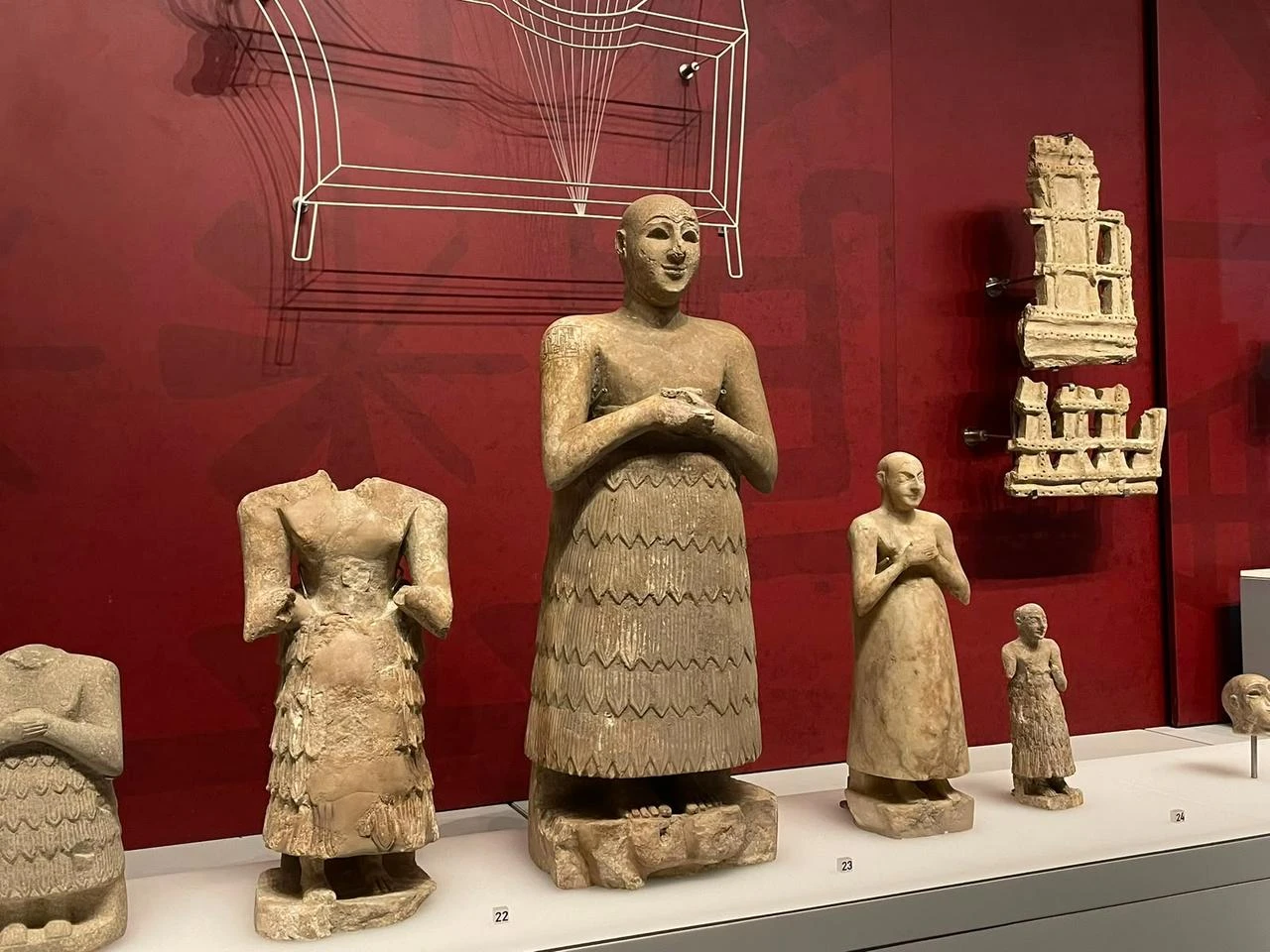
The scale of the collection is closely tied to Osman Hamdi Bey's archaeological work and the Asar-i Atika Nizamnamesi, an Ottoman antiquities regulation intended to restrict the removal of archaeological objects from imperial territories.
Finds from excavations including Nemrut, Zincirli, Sidon and Lagina were brought to Istanbul, laying the foundations for a collection that now represents both the ancient Near East and the emergence of modern museum practice in Türkiye.
With its galleries reopened and long-stored objects newly accessible, the Museum of the Ancient Orient once again offers visitors a single route through thousands of years of writing, diplomacy, religion, government and everyday life.


 Set as preferred source
 Set as preferred source


 0 min read
 1 min read