Newsletters


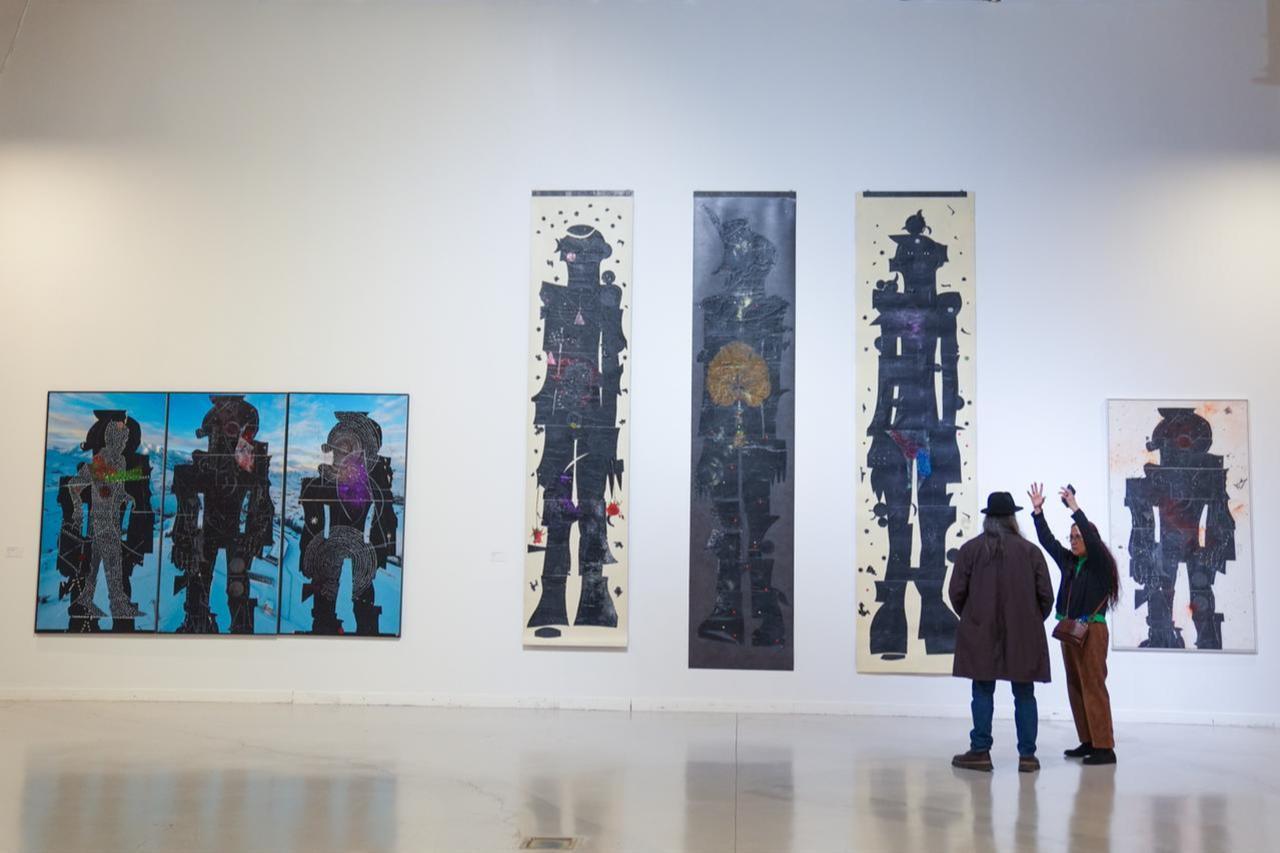


The cultural landscape of Türkiye is flourishing this April as Istanbul and Ankara host a wide array of exhibitions.
Leading galleries and museums are opening doors to local and international artists to explore themes ranging from environmental crises and surveillance to cultural heritage and the human psyche.
These exhibitions provide a sophisticated route for art lovers looking to engage with contemporary discussions through painting, sculpture, and digital media.

Several artists this month are utilizing traditional techniques to challenge modern perceptions of gender and growth.
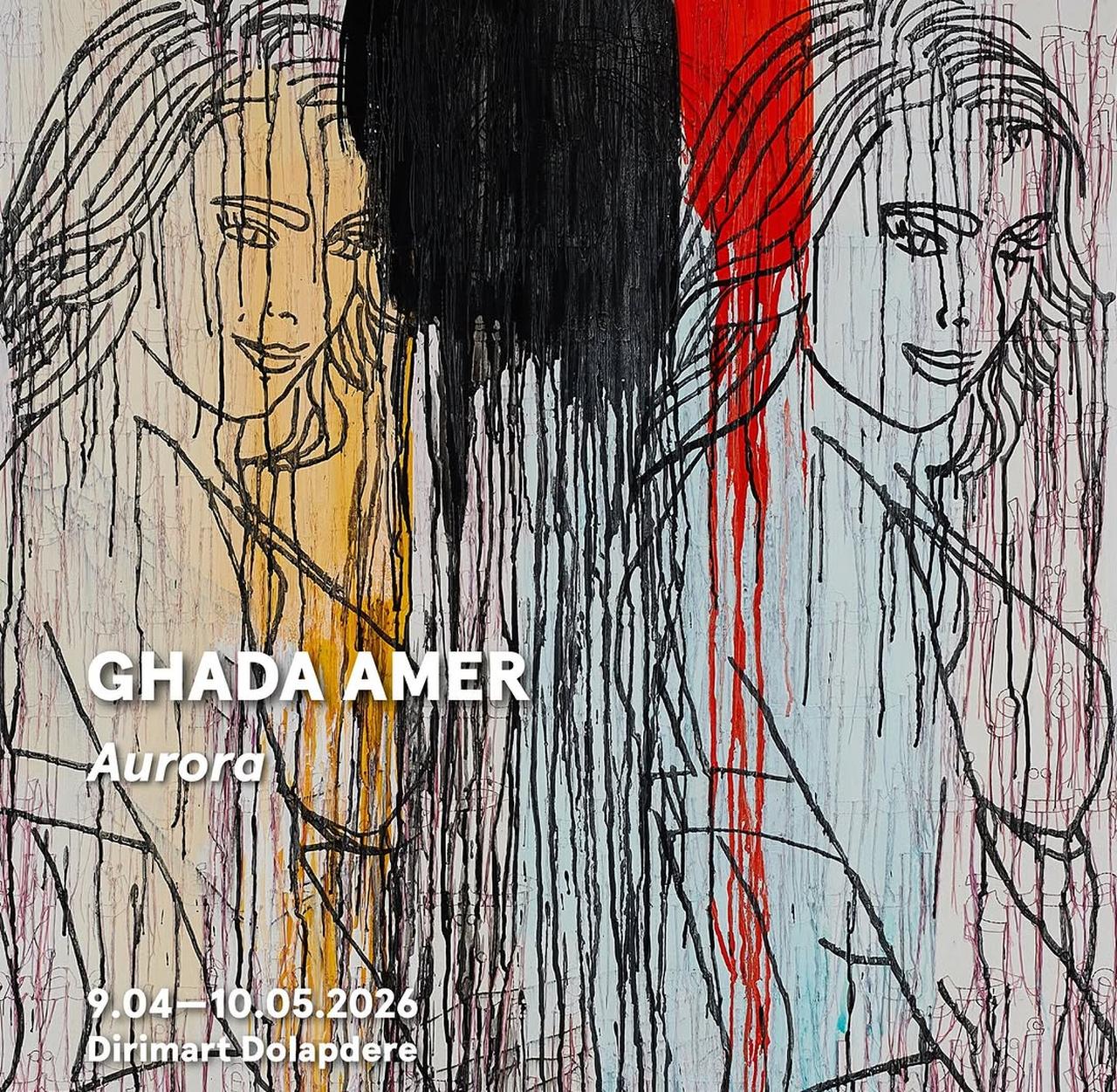
At Dirimart Dolapdere, Ghada Amer presents "Aurora," her first solo show in Istanbul in 17 years. Amer uses embroidery and sewing, which are historically categorized as "women's work," to represent the female body. By sourcing imagery from pornographic magazines and reclaiming them through thread and bronze, she portrays women as autonomous and joyful figures.
Meanwhile, at Pilot Gallery, Ece Agirtmis presents "Wild Tales." Using the metaphor of the "jungle of life," Agirtmis uses animal figures to explore the complexities of adulthood. Her works symbolize the competition and traps one encounters when entering society, using irony to turn negative memories into a shared experience between the artist and the viewer. The exhibition will remain open until April 18.
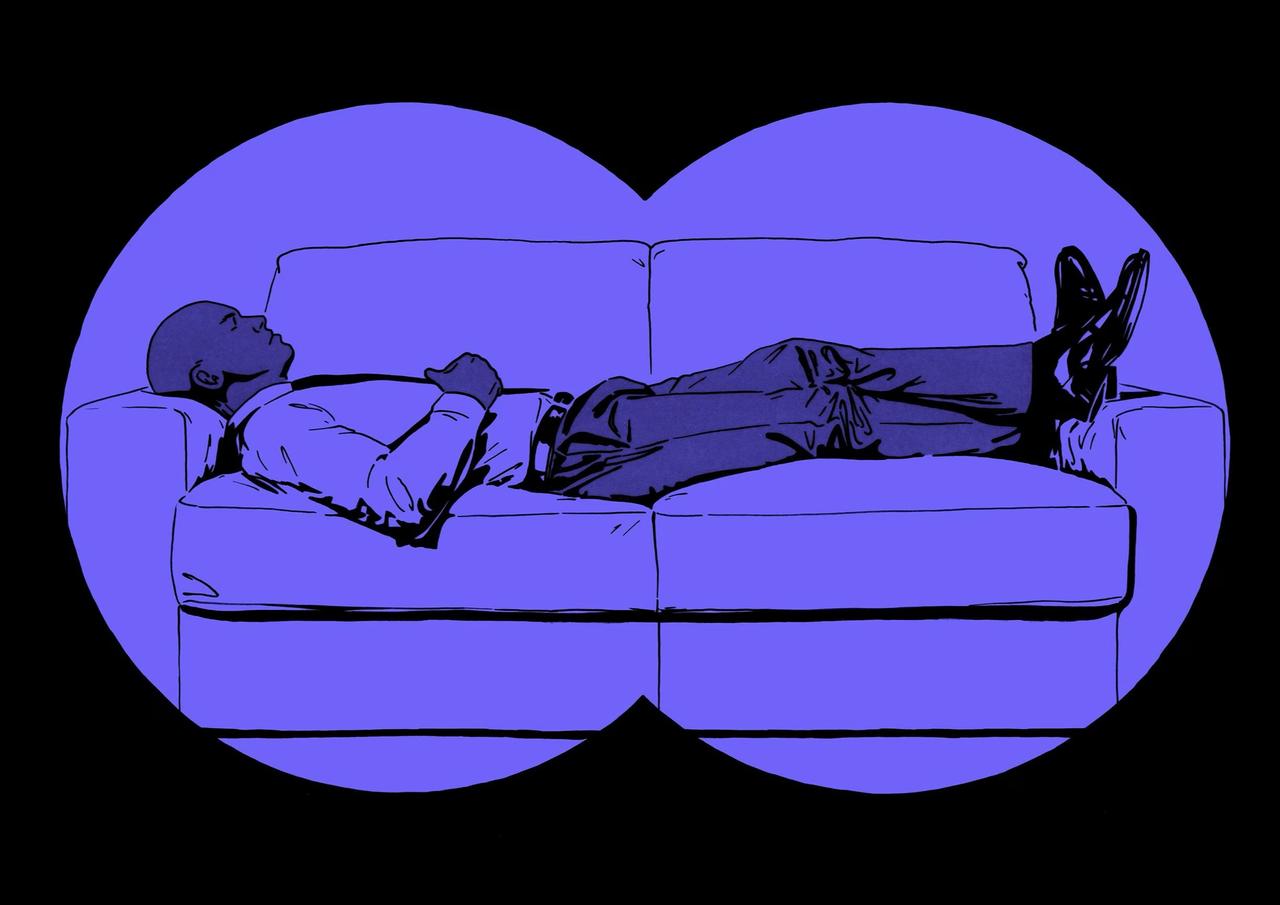
Digital culture and the ethics of monitoring are central to the current exhibits at Dirimart Pera and Anna Laudel.
Berke Yazicioglu's "Helix" uses hand-drawn animations and digital systems to place the viewer in the position of both the observer and the observed. Yazicioglu maps Maurice Ravel's "Lever du Jour" (Daybreak) onto a trigonometric plane and uses "mobese" (closed-circuit television) surveillance camera imagery to critique the "self-spying" practices of social media and big data.
At Anna Laudel, German artist Mathias Hornung explores digital culture through a critical and graphic lens, while Ogulcan Kus offers works that blend geometry and mathematics with folkloric research.
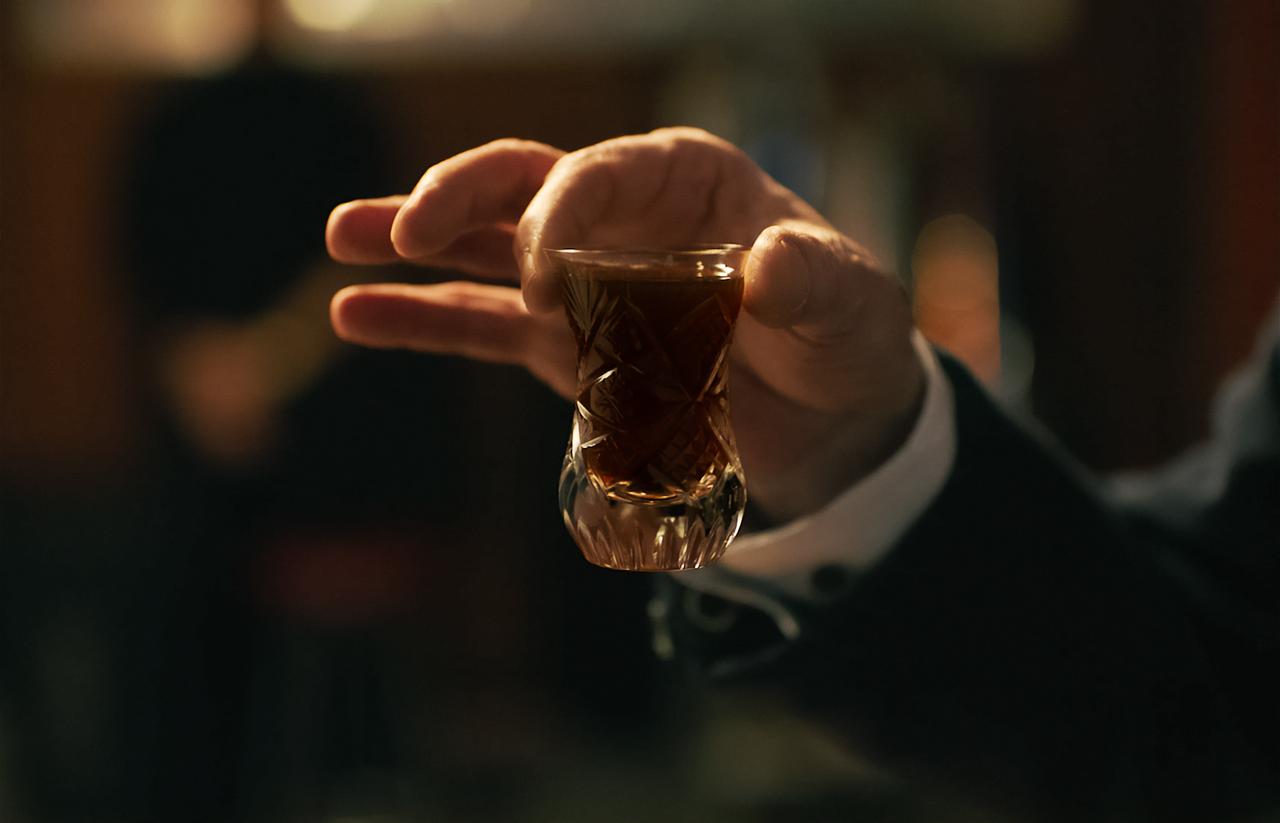
One of the most poignant historical explorations is found at Salt Galata. The exhibition "Toprakalti" (Underground) by Onur Gokmen examines the overlooked impact of the 1986 Chernobyl disaster on Türkiye.
Following the explosion, scientists from Middle East Technical University (ODTU) researched radioactive contamination in Black Sea tea. While officials at the time downplayed the risks with slogans suggesting a little radiation was beneficial, this exhibition uses films and documents to bridge the gap between state narratives and public health realities.
It features a documentary based on the accounts of researchers Inci and Ali Gokmen alongside archival photographs documenting the traces of the disaster.
Pera Museum highlights the evolution of Turkish painting with "Suyun Kiyisinda: Halil Pasa'nin Yasami ve Sanati" (By the Waterside: The Life and Art of Halil Pasa).
This retrospective uses archival documents and private collections to track the artist's journey through the social and political changes of the late Ottoman and early Republican eras.
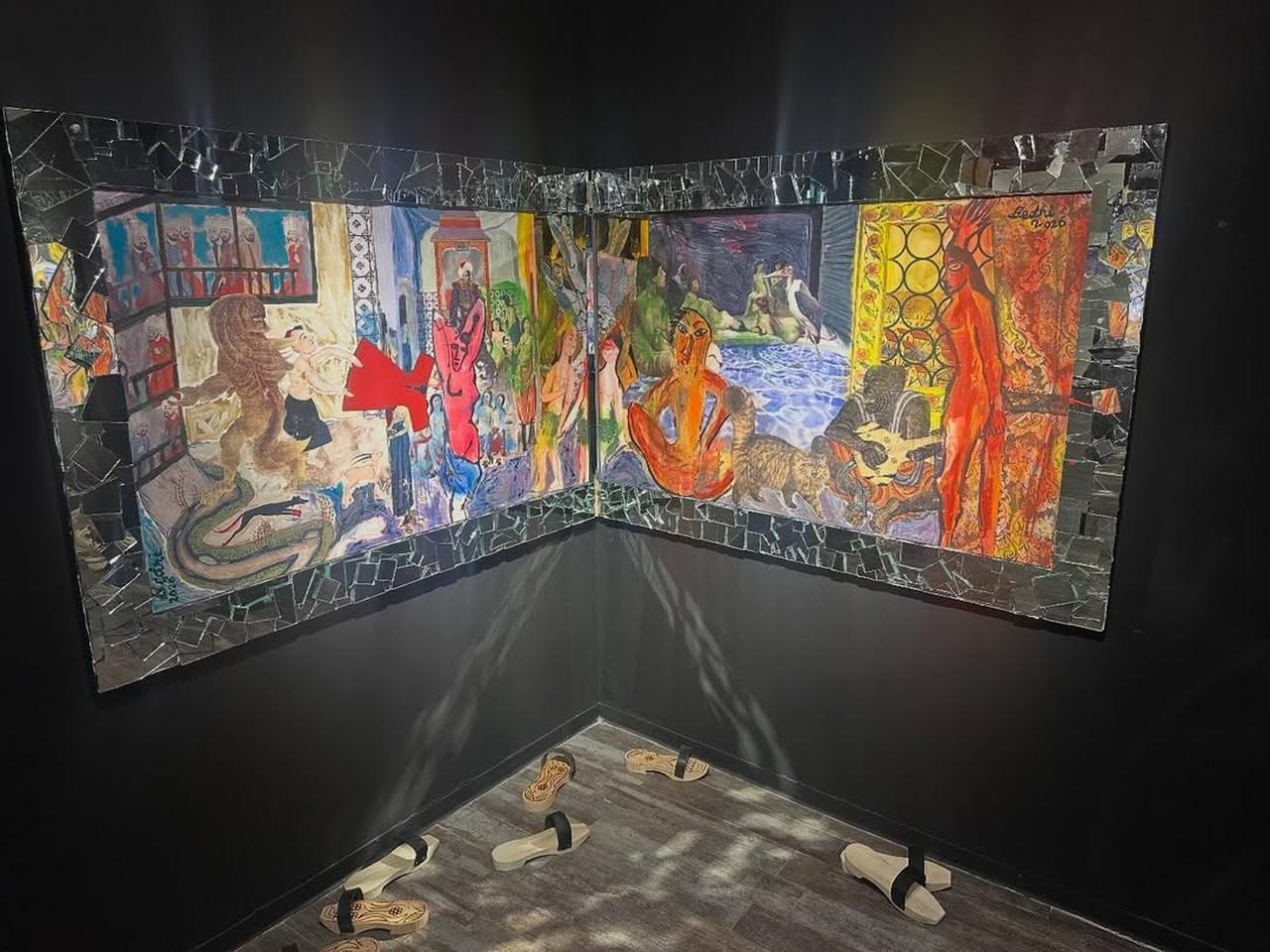
In Beyoglu, Piramid Sanat hosts "Baykam on Picasso: Les Demoiselles Revisited." Bedri Baykam creates a dialogue with modern art history by reinterpreting Picasso's classics through his own signature collages and manifestos.
To help navigate the dense April schedule, here is a breakdown of additional exhibitions currently open to the public:
Istanbul and Ankara have an incredible lineup of shows right now. Skip the usual crowded spots and wander into a gallery instead.
You might find yourself studying radioactive tea in Galata, or maybe listening to a noise orchestra down in Dolapdere. The sheer variety will easily fill your weekends until May. Just pick a neighborhood, grab a good coffee, and go look at some art.


 Set as preferred source
 Set as preferred source


 3 min read