Newsletters


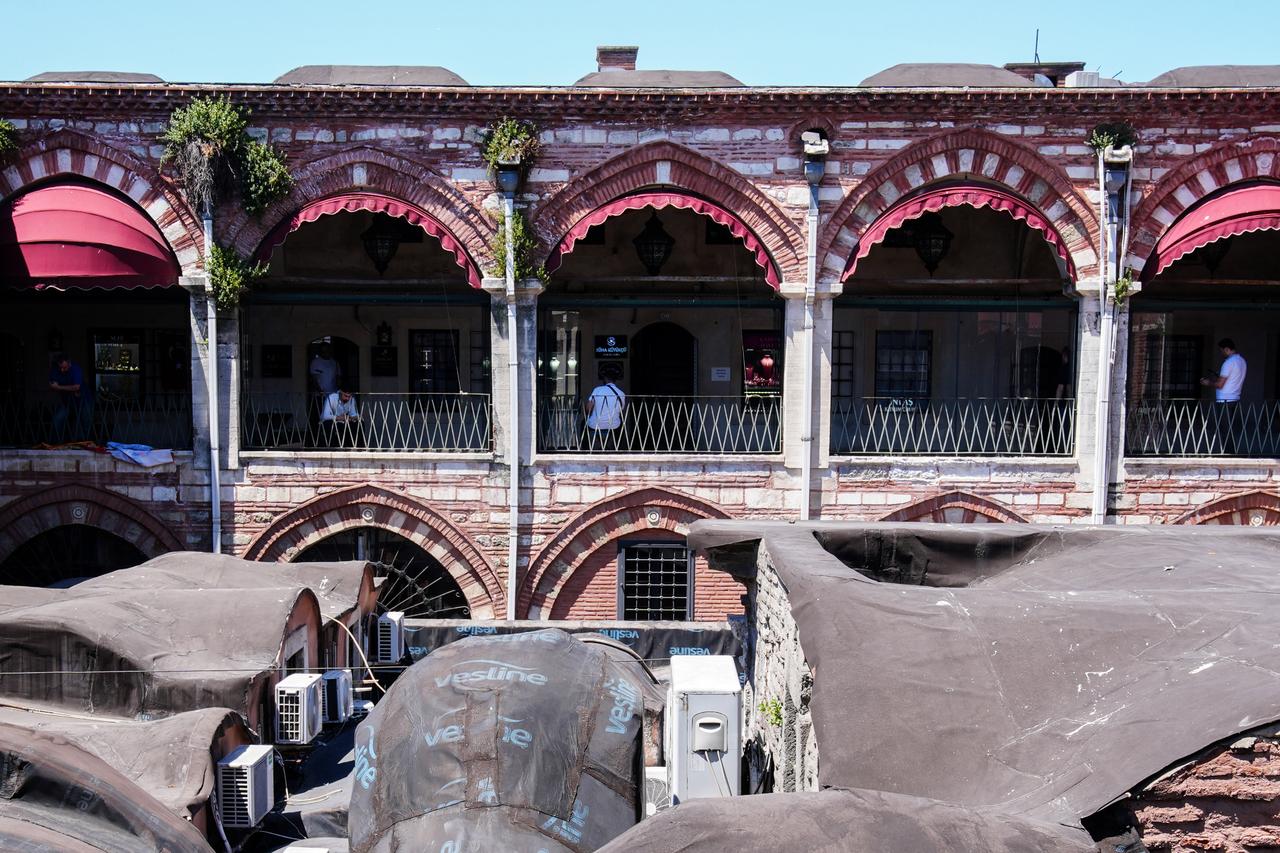


The historic Cuhaci Han, located near the Nuruosmaniye Mosque on Istanbul’s historic peninsula, continues to operate as one of the city’s longstanding centers for jewelry production and trade, maintaining its commercial significance for nearly 300 years.
Built in the 18th century by Ottoman Grandvizier Nevsehirli Damat Ibrahim Pasa, the structure originally served as a commercial hub for cloth merchants during the Ottoman period before gradually transforming into a key center for goldsmithing and jewelry manufacturing.
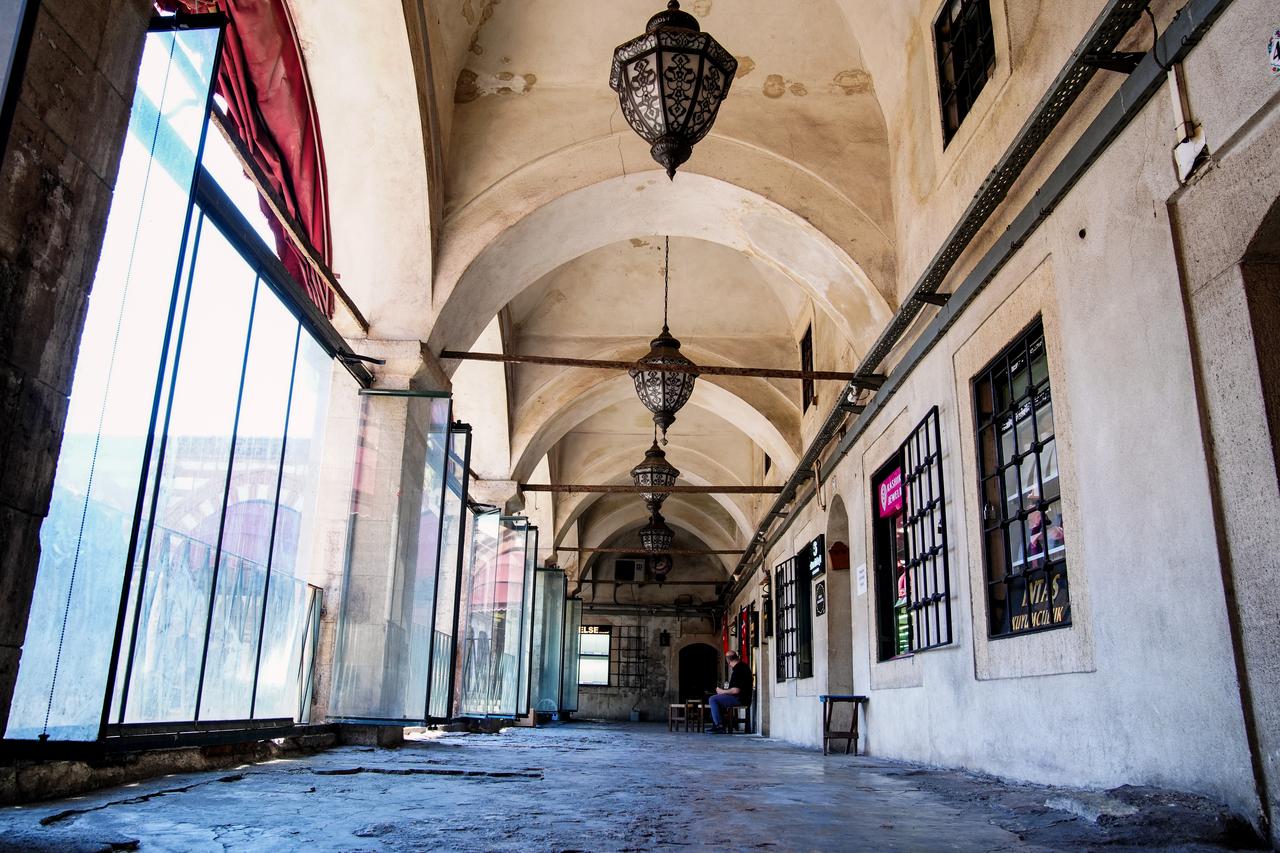

Today, the han hosts 287 active businesses, the majority of which operate in the jewelry sector. In addition to goldsmith workshops, the building also houses currency exchange offices and ateliers supporting jewelry production. The site continues to function as both a production facility and a wholesale and retail trade center.
According to industry representatives, the han historically served as a leading wholesale hub for Istanbul’s jewelry sector, particularly up until the 1990s. Following restoration works and shifts in trade patterns in the 2000s, retail activity within the han has increased significantly, with a large portion of ground-floor shops now serving individual customers and tourists.
Exports from Cuhaci Han continue to play an important role in its commercial activity, with products primarily shipped to Germany and the United States.
In recent years, online sales channels have also begun to develop, contributing to broader international reach.
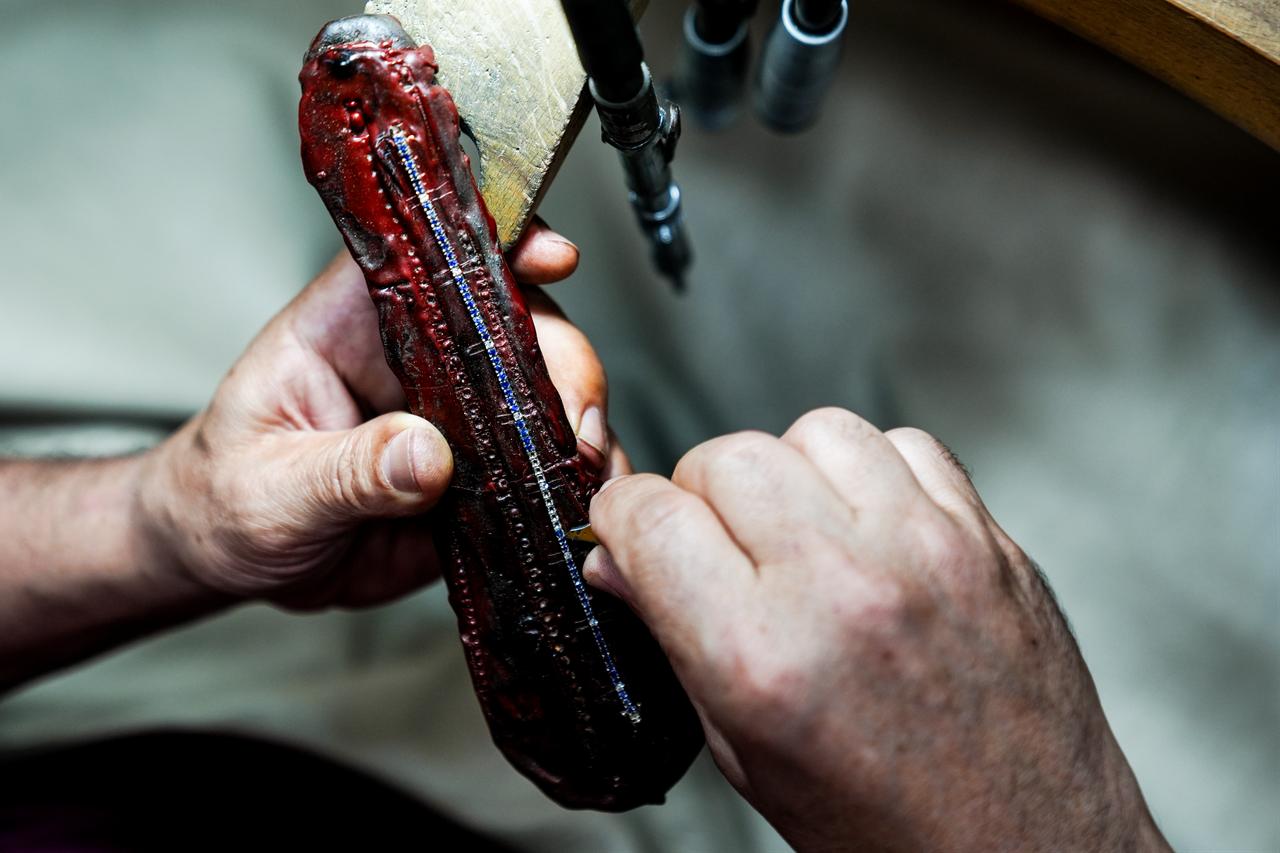
Despite its continued commercial vitality, sector representatives highlight ongoing structural challenges, particularly a shortage of apprentices. Traditional craftsmanship skills such as stone setting and polishing are reported to be in decline due to the retirement of experienced artisans and a lack of new trainees entering the profession.
Artisans also describe the han as an informal training ground where not only technical skills but also professional discipline and work ethics are transmitted across generations. However, they warn that sustaining this tradition is becoming increasingly difficult.


 Set as preferred source
 Set as preferred source


 2 min read

 1 min read