

 Newsletters


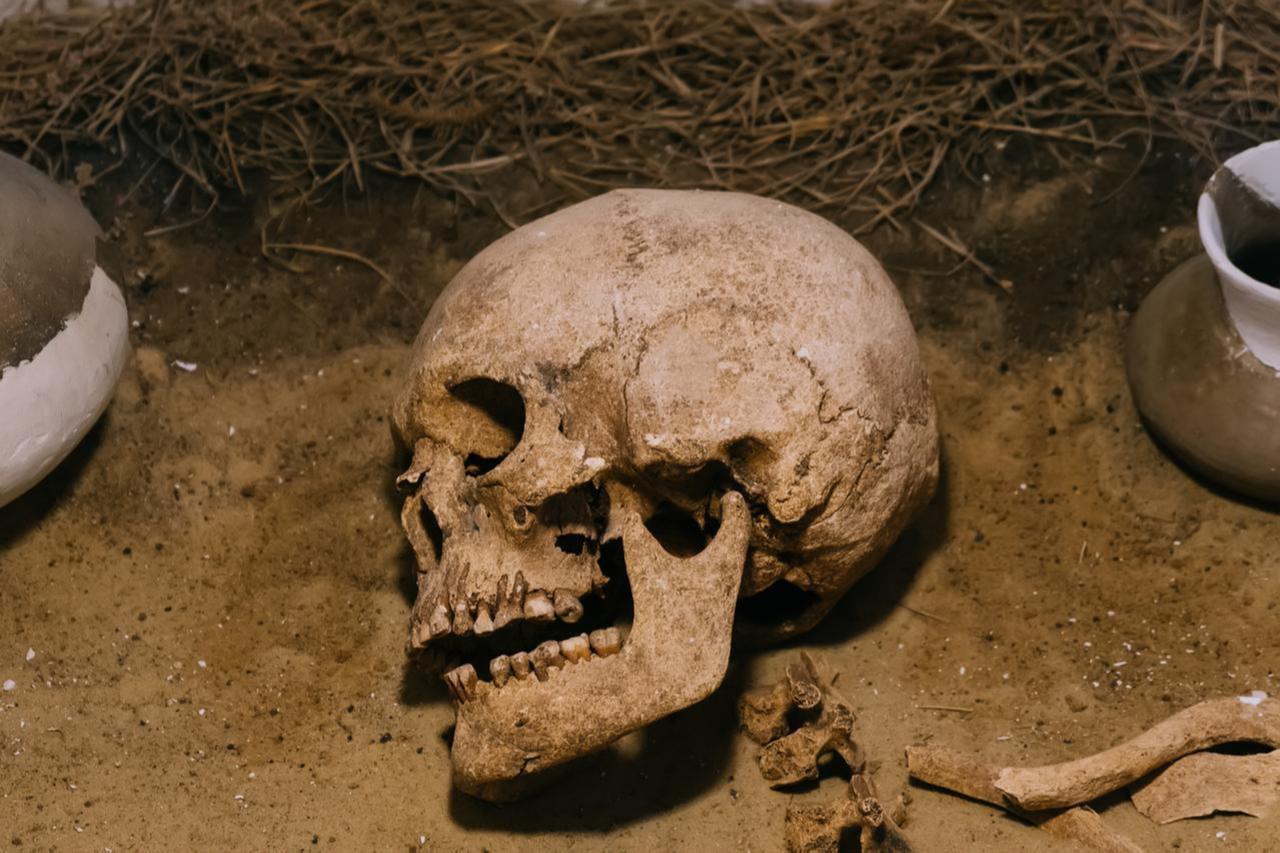


The oldest known evidence of a plague outbreak was found in late Stone Age cemeteries in southeastern Siberia. Ancient DNA analysis shows the disease hit hunter-gatherer communities about 5,500 years ago, at least two centuries after the bacterium Yersinia pestis (Y. pestis) first appeared.
The findings, published Wednesday in the journal Nature, push back the known history of plague by about 1,700 years. Before this, researchers thought the earliest outbreak happened around 3,800 years ago.


At four cemetery sites along the Angara River, northwest of Lake Baikal, scientists tested 42 people and found Y. pestis DNA in 18 of them. This 39% rate is higher than that observed at some medieval plague burial sites. At least two-thirds of those buried at two of the cemeteries were under 15 years of age, and many shared graves with siblings or other relatives.
Ruairidh Macleod, a research fellow studying ancient DNA at the University of Oxford and lead author of the study, said the result came as a surprise.
"Getting the result that all these people were dying of plague was extraordinary, but super exciting. We really didn't expect to find this in prehistoric hunter-gatherers," Macleod said.
Researchers think the high number of child deaths was caused by a superantigen, a toxic protein found in the ancient strains of Y. pestis. This protein can cause strong immune reactions, making the disease especially deadly for young people. Older hunter-gatherers may have survived earlier outbreaks and built up some immunity.

Scientists believe the hunter-gatherers probably caught pneumonic plague, which affects the lungs, after butchering or eating raw marmots. This practice still causes plague deaths in some places today. Once the disease jumped from marmots, the main animal carriers in the area, it spread from person to person, wiping out families and close contacts.
Ancient DNA analysis found two separate outbreaks: the first started about 5,500 years ago, and the second happened 400 to 600 years later. More research showed that Y. pestis itself appeared at least 5,700 years ago, after splitting from its ancestor, Yersinia pseudotuberculosis.
These findings challenge the old idea that major plague outbreaks only started after people began farming and living in crowded settlements. They also go against earlier theories that the first strains of the disease were mild.
"If you're a prehistoric hunter-gatherer, you're going to be in contact with a lot more wild species than an early farmer, and it's the wild species that are primarily the reservoirs of the disease, not the domesticated animals," Macleod said.
Samuel Cohn, a professor of medieval history at the University of Glasgow, described the work as reaching "groundbreaking conclusions" by identifying such early outbreaks in hunter-gatherers rather than in populations that arose at agricultural settlements.
The plague later caused some of the deadliest pandemics in recorded history, including the Black Death, which killed approximately half of Europe's population in the 14th century.
The international research team included scientists from institutions in Copenhagen, Alberta, Cambridge, and London. Dental pulp extracted from the teeth of excavated skeletons served as the primary source of ancient DNA.


 Set as preferred source
 Set as preferred source


 1 min read




 1 min read


