Newsletters


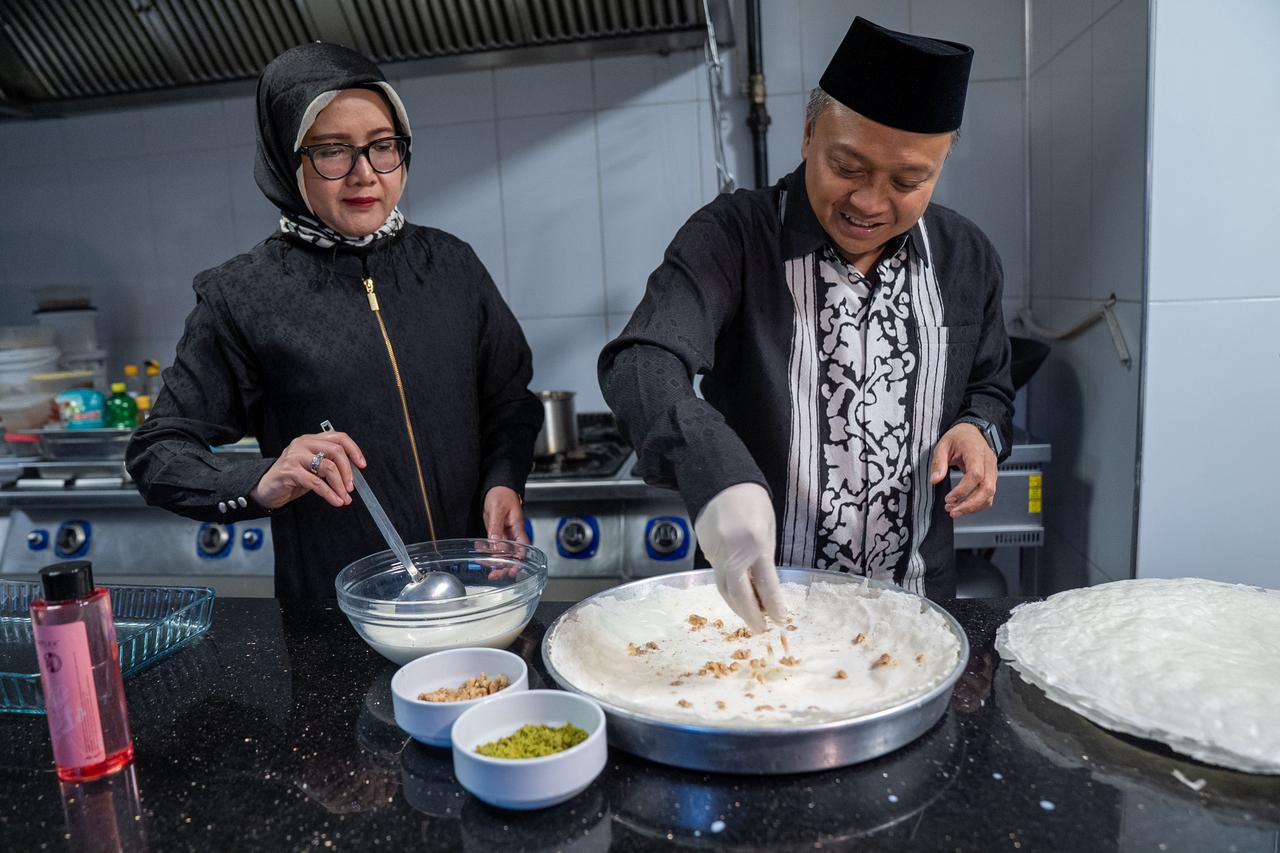


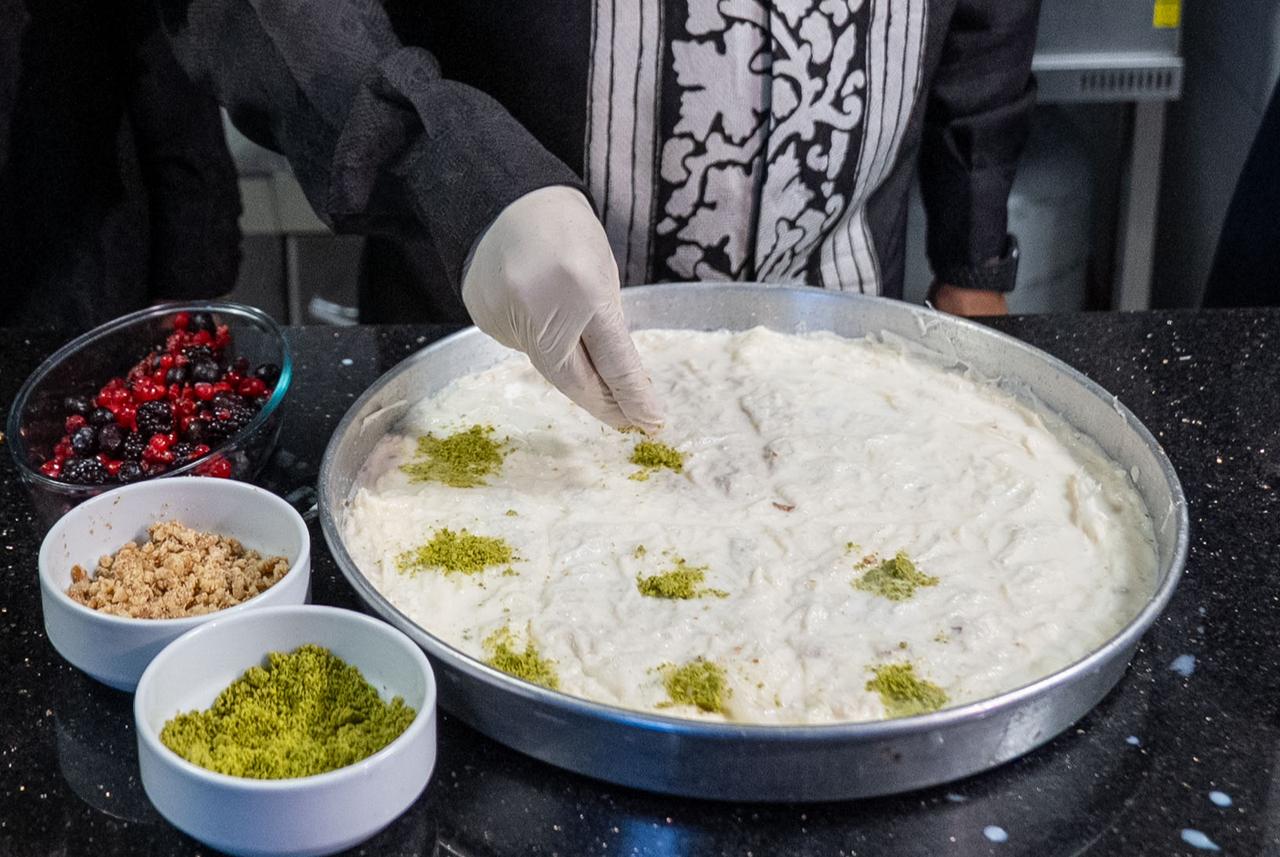
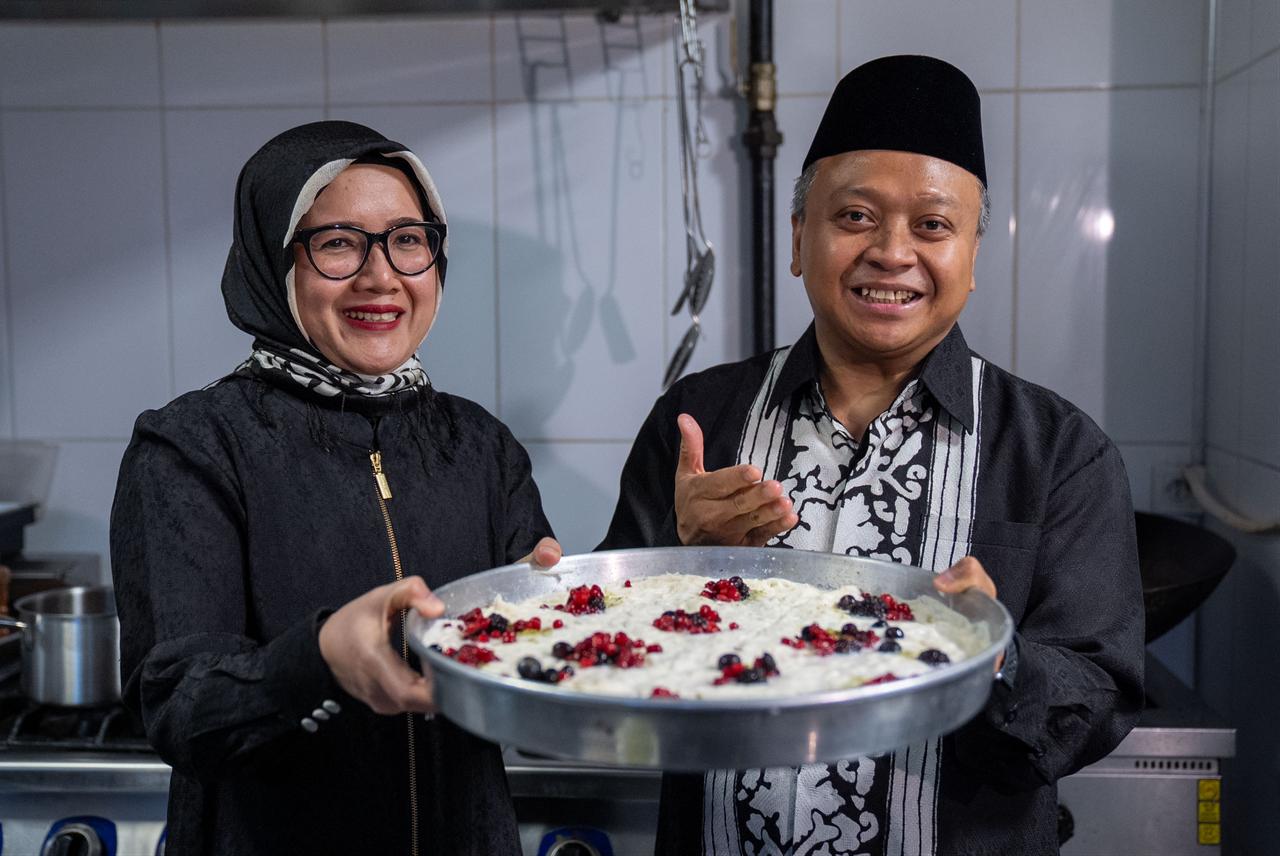
The Ambassador of Indonesia to Ankara Achmad Rizal Purnama stepped into the kitchen to prepare both gullac, a traditional Turkish Ramadan dessert, and kolak, a sweet dish widely eaten during Ramadan in Indonesia. Through the preparation of these two desserts, the ambassador drew attention to the cultural similarities that shape iftar traditions in both countries.
Purnama, who is spending his third Ramadan in Türkiye during his diplomatic assignment, shared his observations on how Ramadan is celebrated in different parts of the Muslim world.
Having previously lived in Indonesia, Egypt and Türkiye, he said the experience allowed him to better understand the diversity and richness of Islamic cultures.
“Living in three different countries has helped me better understand the richness and diversity of cultures across the Muslim world,” he said.
While demonstrating the preparation of kolak and gullac at his home, Purnama explained that sweet treats are essential for breaking the fast in Indonesia. Kolak, one of the country's most popular Ramadan desserts, is typically made with bananas, sweet potatoes, palm or brown sugar, and coconut milk.
He noted that in Indonesian iftar traditions, the meal often begins with something sweet, and kolak is among the most popular choices.
“Iftar meals always begin with something sweet, and one of those is kolak,” Purnama said. “It is made from bananas with sweet potatoes, palm sugar or brown sugar, and milk. That is why it is the first dish we eat when breaking the fast.”
In addition to kolak and gullac, the ambassador also prepared rawon, a traditional Indonesian soup.
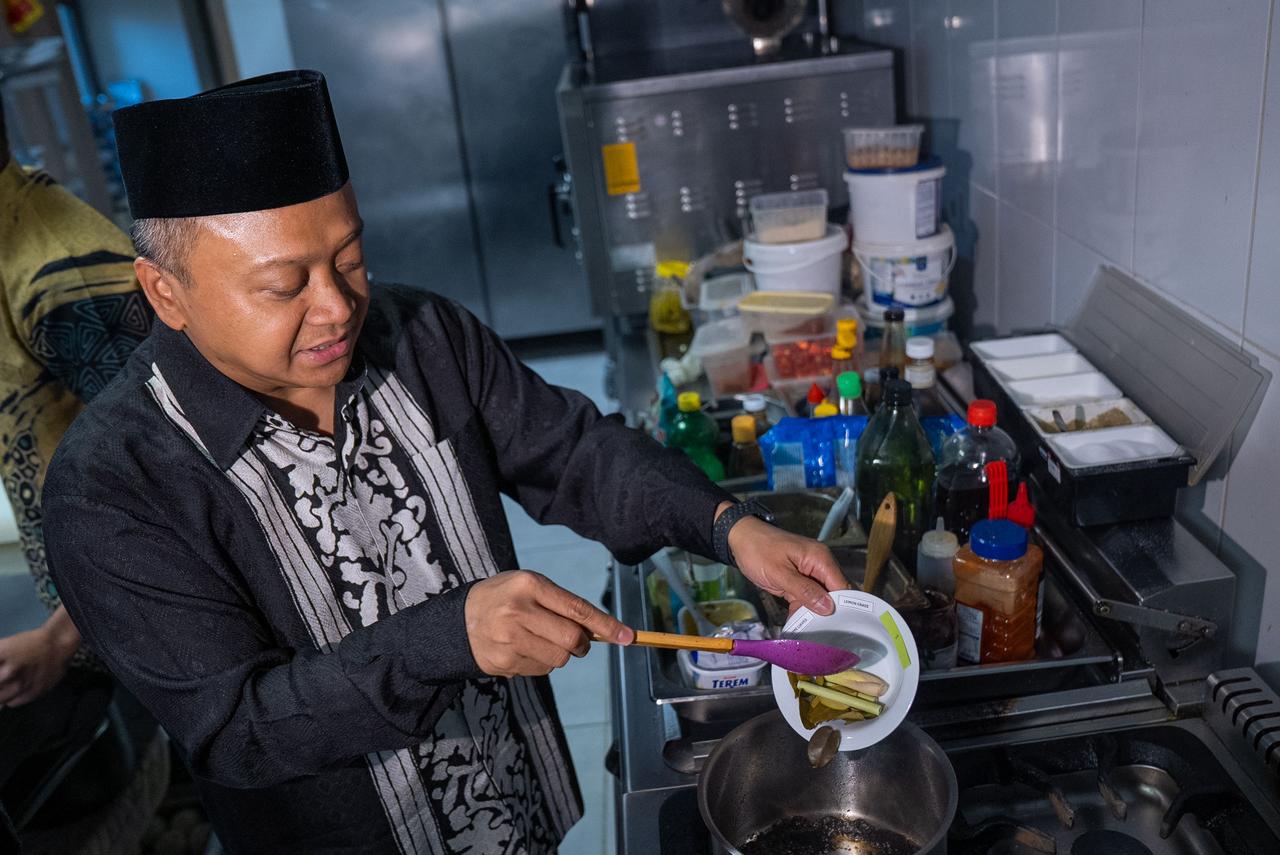

Reflecting on his experience in Türkiye, Purnama described Ramadan as a period defined by three key elements: spirituality, celebration and community.
The first element, he explained, is the spiritual journey undertaken by Muslims during the fasting month. While this spiritual dimension is universal across the Islamic world, each culture gives it a unique expression.
The second element is celebration. As an example, he pointed to Türkiye’s mahya tradition, where mosques are decorated with illuminated messages strung between their minarets during Ramadan nights. According to Purnama, similar celebratory traditions can also be seen in Indonesia.
The third element centers on strengthening social bonds. He said he had received many invitations to iftar meals from institutions and organizations in Türkiye during his assignment, and he observed a strong enthusiasm among people to gather around the iftar table.
According to the ambassador, sharing meals with family, friends and colleagues is one of the aspects that sets Ramadan apart from other times of the year.
During Ramadan, Purnama visited several cities across Türkiye, including Konya and Istanbul. He noted that in Istanbul, families often gather in open areas near landmarks such as the Hagia Sophia and the Sultanahmet Mosque to break their fast together.
He said similar practices exist in Indonesia, where charitable foundations and community groups organize public iftar programs on the streets.
Before the fast is broken, Indonesians traditionally distribute small snacks and drinks known as takjil, which are served shortly before the evening meal. Purnama described takjil as an important part of Ramadan culture in Indonesia and said it was one of the traditions he missed most while spending the month in Türkiye.
While introducing Indonesian cuisine, the ambassador also spoke about his appreciation for Turkish desserts and dishes. He said he particularly enjoys cold baklava, a modern variation of the well-known layered pastry soaked in syrup and served chilled.
Purnama added that when hosting guests at his residence, he often serves cold baklava alongside meals. When dining out for iftar, he said he frequently chooses Turkish dishes and especially likes pide, the flatbread commonly baked during Ramadan.
The ambassador also pointed to several similarities between the two cultures beyond food. In Türkiye, drummers walk through neighborhoods before dawn to wake residents for sahur, the pre-dawn meal eaten before the daily fast begins.
Purnama said Indonesia has a comparable custom in some regions. There, people use a small wooden percussion instrument called "pentunga" to wake residents for sahur.
In many areas, children also take part in the tradition by walking through neighborhoods while beating drums, metal containers or buckets and shouting that it is time for sahur.
He also described a festive practice during Eid al-Fitr, the holiday marking the end of Ramadan. In Indonesia, children receive small envelopes containing money, and they often compare how many envelopes they have collected throughout the holiday.
Beyond cultural traditions, Purnama also spoke about the broader relationship between Türkiye and Indonesia. The year 2025 marked the 75th anniversary of diplomatic relations between the two countries, which was celebrated with events held in both nations.
He recalled that high-level visits took place following President Recep Tayyip Erdogan’s trip to Indonesia, which was later followed by a visit to Türkiye by the Indonesian president and a delegation.
According to Purnama, the bilateral relationship has now reached its strongest point in history.
He emphasized that these close ties stem not only from the personal rapport between the two leaders but also from their shared status as major Muslim-majority nations with developed economies and membership in the G20.
Purnama added that cooperation between Türkiye and Indonesia carries wider importance for the international community, particularly in light of ongoing developments affecting Muslim populations around the world.


 Set as preferred source
 Set as preferred source


 3 min read