Newsletters


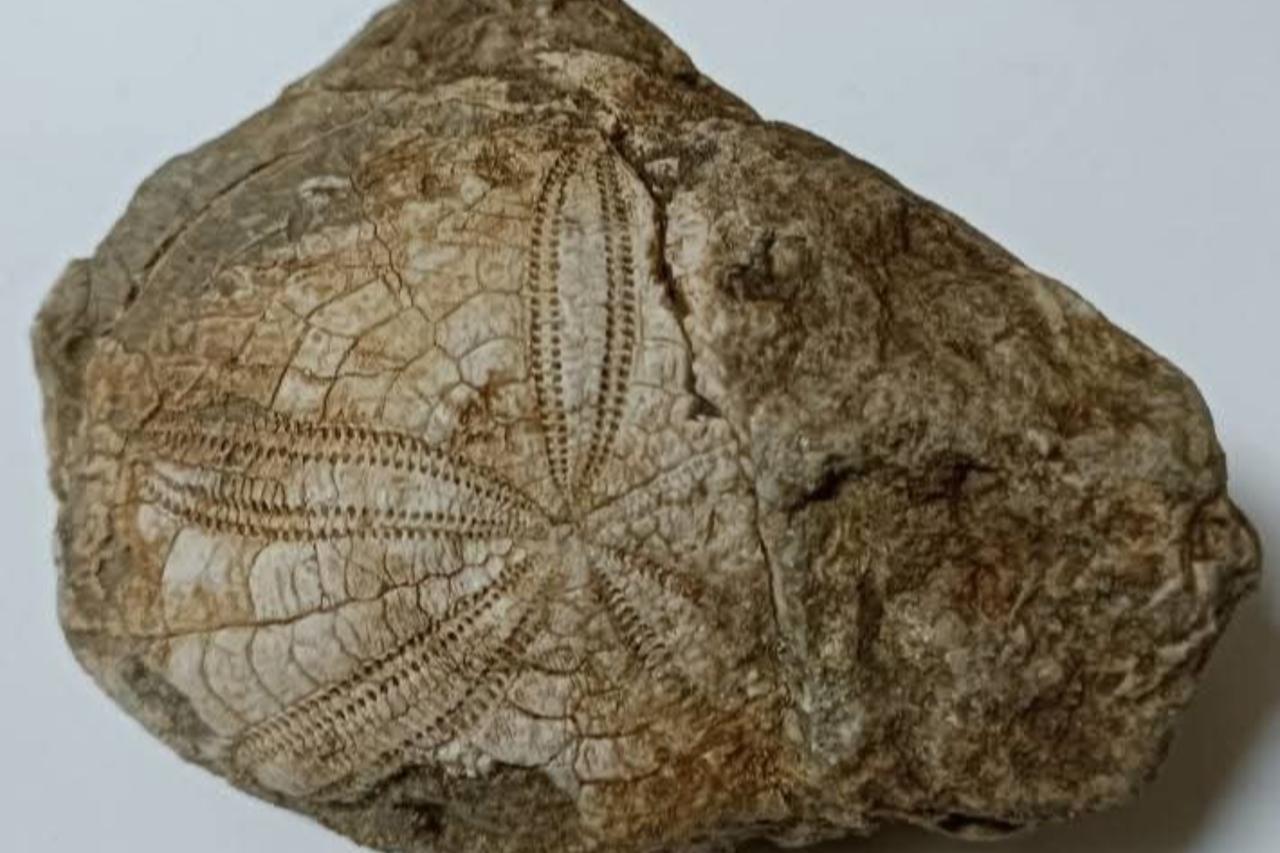


A starfish fossil believed to date back millions of years has been discovered in western Türkiye, offering fresh evidence that parts of the region were once underwater.
The fossil was found during a nature walk in the Baklan district of Denizli, in a mountainous area known as Asar Mevkii in the Bogazici neighborhood. The individual who came across the fossil took steps to preserve it after recognizing its potential significance.
Ahmet Akbay, founder of the Calkebir Culture Association, highlighted the scientific value of the find, describing it as an important piece of evidence that helps shed light on the area’s distant past. He emphasized that the fossil serves as a strong indicator of historical environmental conditions.
Based on current observations and assessments, the region is thought to have been submerged under a sea roughly 100 million years ago. Higher elevations that exist today are believed to have once stood out as small islands rising above the water.
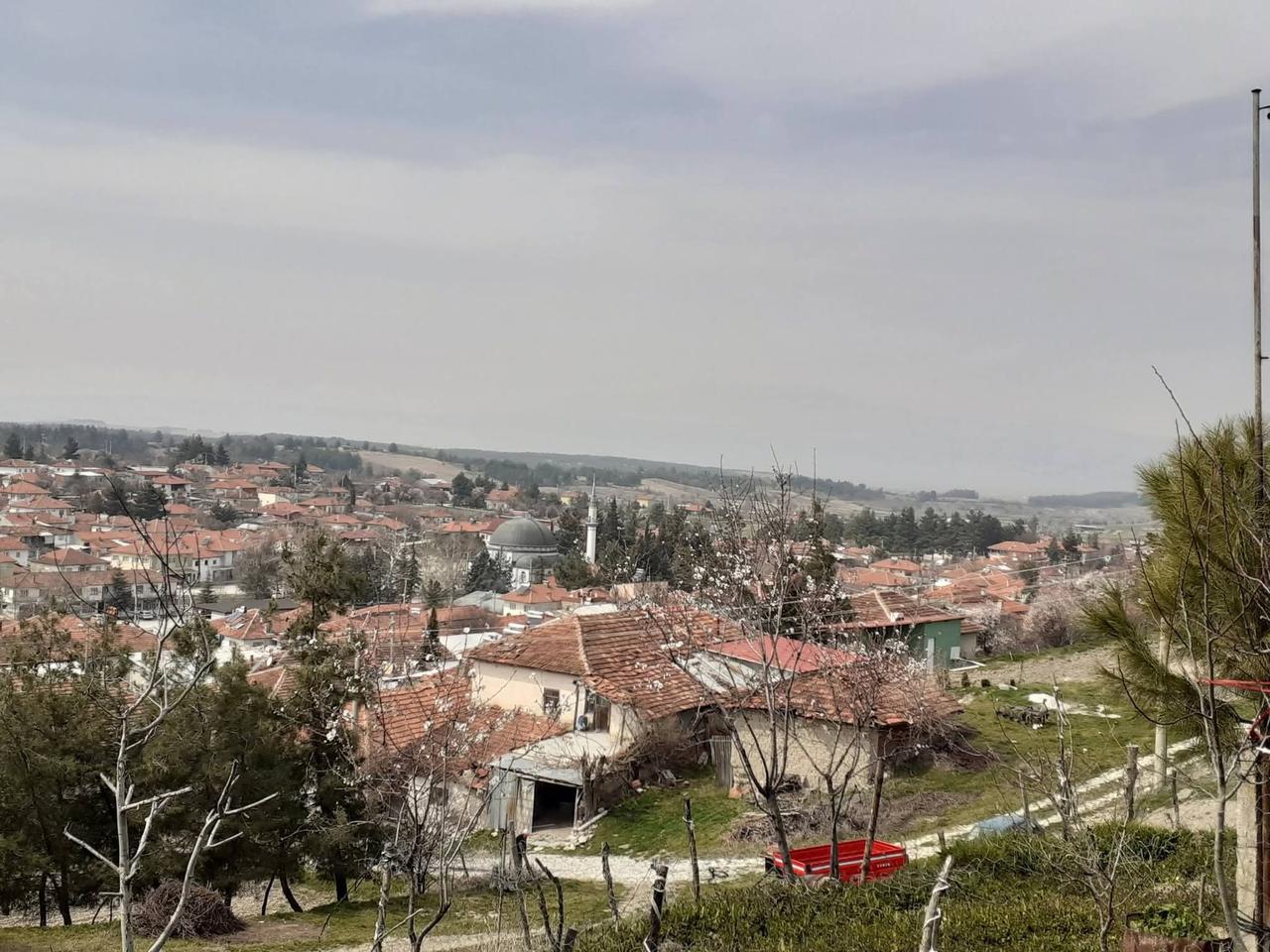

The surrounding terrain further supports this interpretation. Sand dunes and land structures, particularly toward the Turkmen Yuzi direction, suggest that strong water currents once moved through the area.
Akbay also pointed out that Karacadag may have once stood at a higher elevation before gradually sinking due to collapses and major earthquakes. At the same time, compression forces are believed to have pushed up Turkmen Yuzi, shaping the landscape seen today.
Additional clues emerge from the old city road area, where a stream bed appears to reflect the remnants of a large lake that once existed in the region. Smaller lake formations that can still be observed nearby help back up this view, reinforcing the idea of a water-rich past.


 Set as preferred source
 Set as preferred source



 3 min read