

 Newsletters


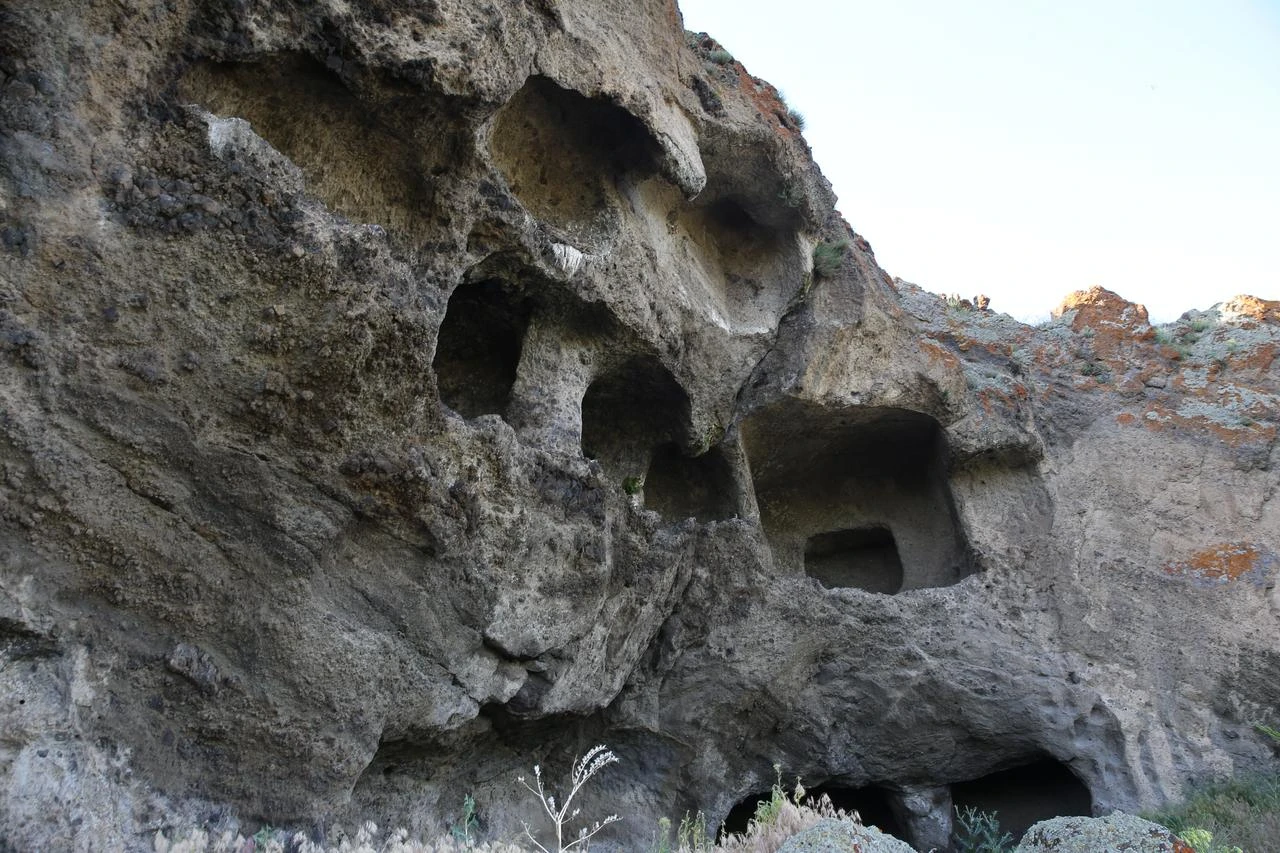


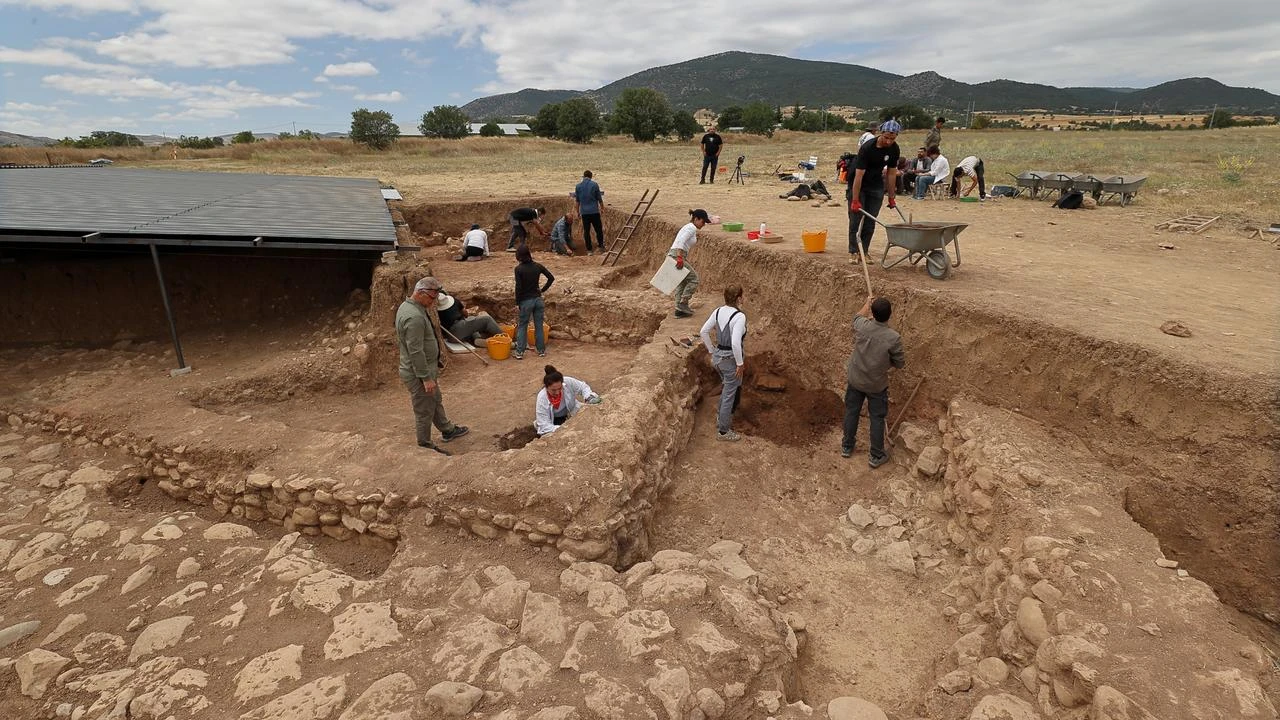
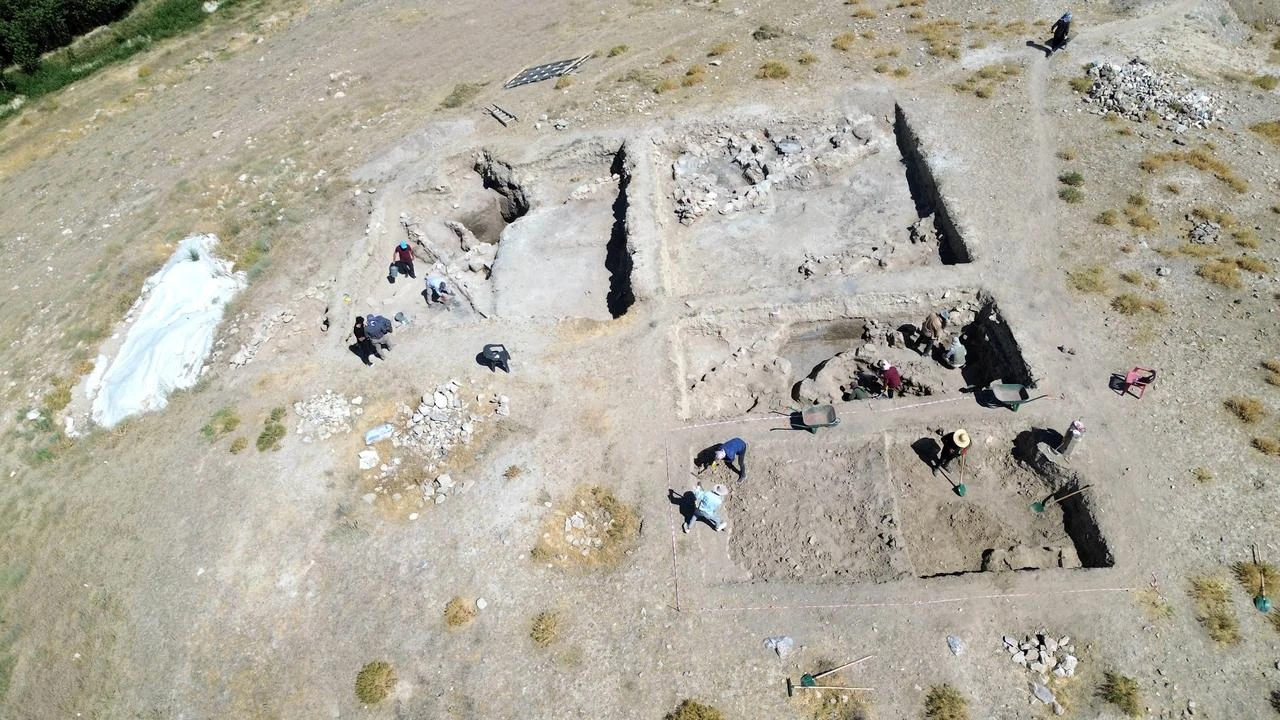
Illegal digging at a rock tomb site in Erzurum, a province in eastern Türkiye, has exposed a network of previously unknown rooms and settlement traces, prompting calls for archaeological excavation and eventual tourism development in the area.
The rock tombs, known locally as Hamamderesi, sit along the Erzurum-Pasinler highway and date to the Urartu period. The Erzurum Provincial Directorate of Culture and Tourism officially registered them in 2015.
Authorities determined that unauthorized diggers used generators and power drills in an attempt to break through the rock formations in search of buried treasure.
The excavation inadvertently revealed interconnected rooms and what appear to be settlement remains beneath the previously known tomb area.
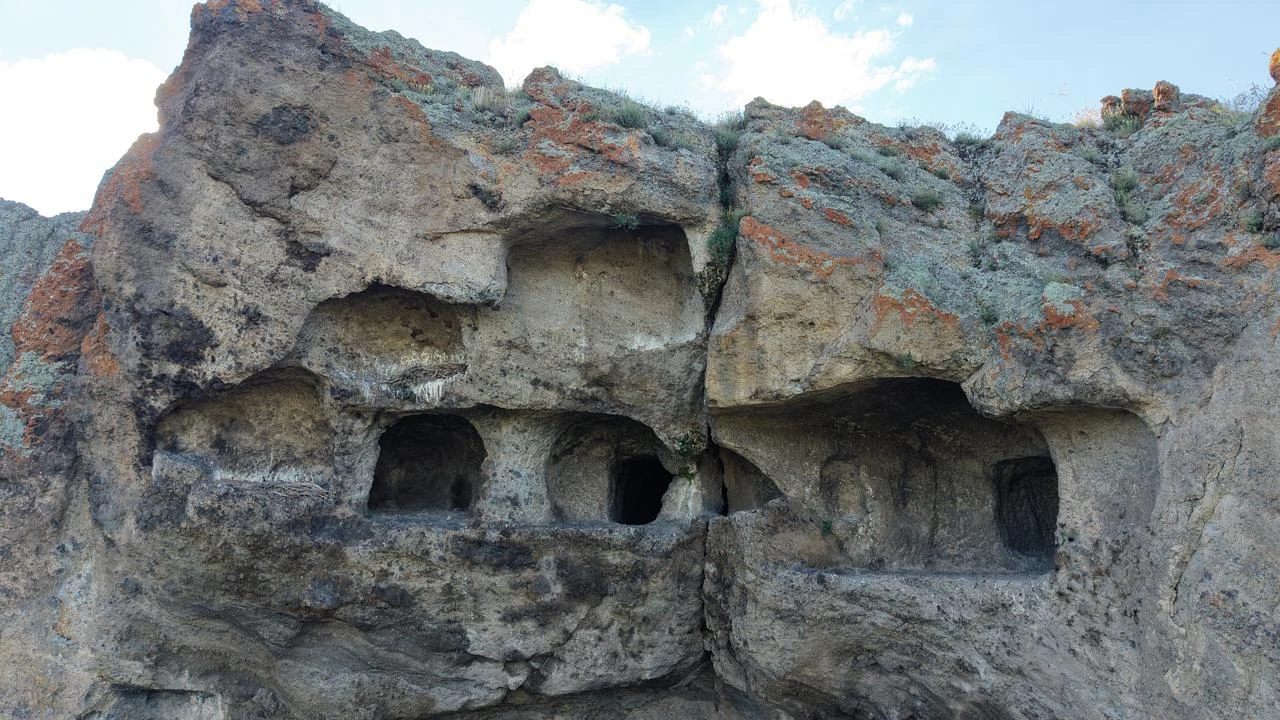

Omer Faruk Kizilkaya, chairman of the Erzurum Promotion and Tourism Board and an archaeologist, said the Hamamderesi rock tomb has long been recognized as a registered heritage site. He said the rooms were discovered only after illegal digging altered the terrain.
Kizilkaya said he and others came across the site while collecting mushrooms in the area and found that it had been dug up by treasure hunters. He said the area had previously been flat, with no rooms or excavation marks, but diggers using generators and power drills had partially broken through the rock, revealing the rooms beneath.
He said the site, previously known only for its rock tombs, also contains signs of a settlement lower down.
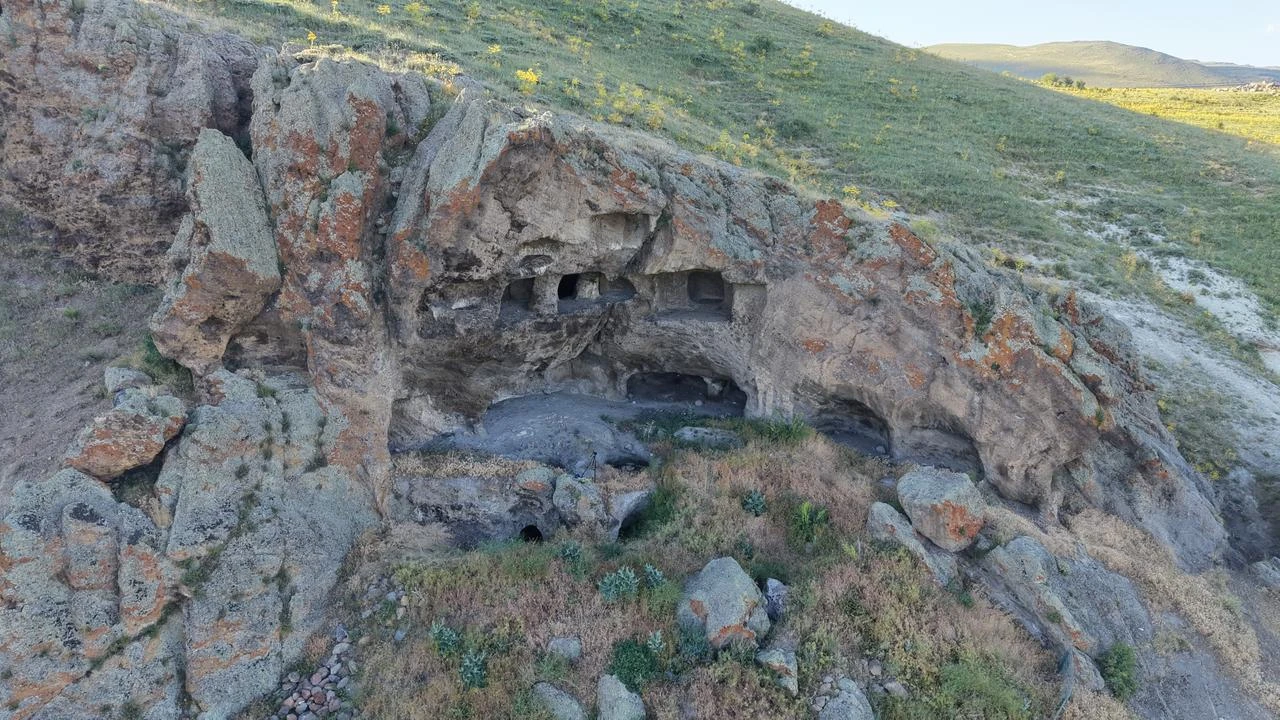
Kizilkaya said he believes the site may date to the transition period between Pagan belief systems and the early centuries of Christianity. He said Christians in areas where Pagan culture was dominant often settled in more remote, secluded locations, at times constructing underground spaces to live in.
He estimated the period could span from roughly 300 to 500 A.D., placing the site's origins between the late Ancient era and the early Middle Ages, with an estimated age of 1,500 to 1,800 years.
Kizilkaya said further archaeological work is needed to confirm the dating, noting that ceramic fragments, of which there are many at the site, are among the most reliable dating references. He said additional excavation of the rooms could yield materials allowing for more precise dating.
Describing the layout, Kizilkaya said the rooms resemble a domed structure, with interconnected spaces inside indicating what once served as a living area. He said the surrounding rock and soil composition is relatively easy to work, unlike harder basalt formations, making it suitable for habitation.
He noted that similar underground settlements exist in the wider region, including in Bayburt and Mus provinces and parts of Central Anatolia.
Kizilkaya said that following further study, the underground settlement could be preserved and opened to tourism, with visitors informed not only about the structures themselves but also about the site's history and the cultures that once inhabited it.


 Set as preferred source
 Set as preferred source


 1 min read
 1 min read


