

 Newsletters


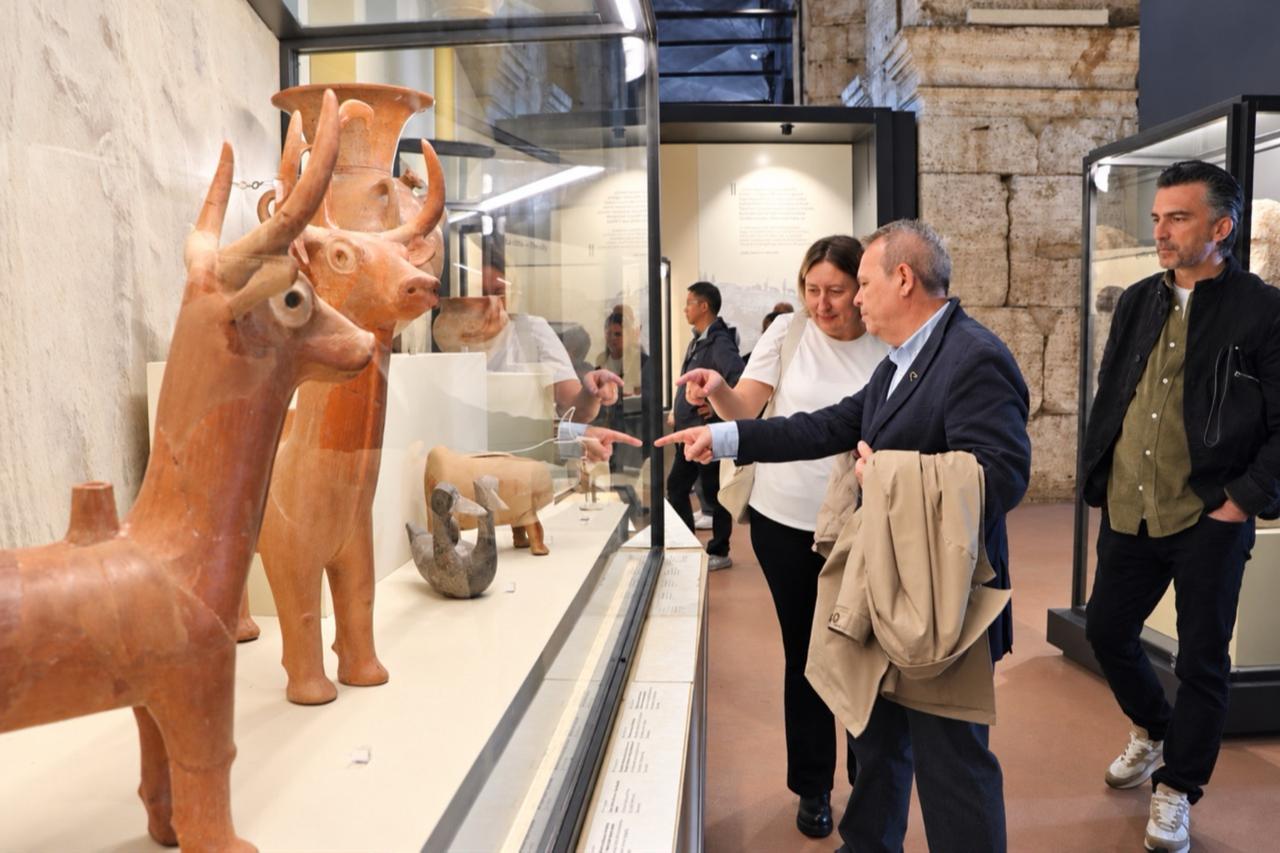


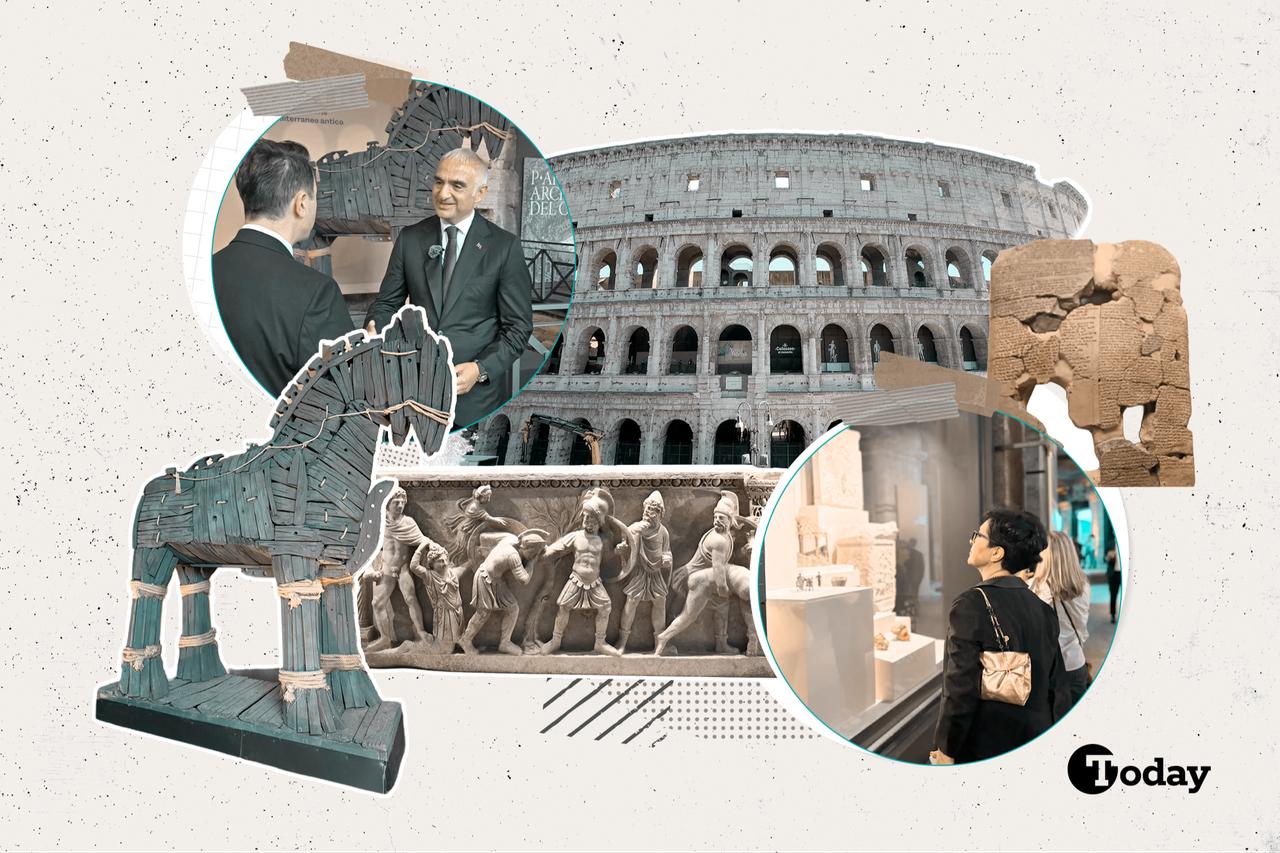
The "Troy and Rome: Myths, Legends and Stories of the Ancient Mediterranean" exhibition at Rome's Colosseum has come to an end after attracting more than 2 million visitors by late August, bringing together archaeological treasures from Türkiye to explore the ancient myth connecting Troy with the founding of Rome.
Organized by Türkiye's Ministry of Culture and Tourism with contributions from Turkish and Italian institutions, the exhibition opened on June 11 in a ceremony attended by Turkish Culture and Tourism Minister Mehmet Nuri Ersoy and his Italian counterpart, Alessandro Giuli.
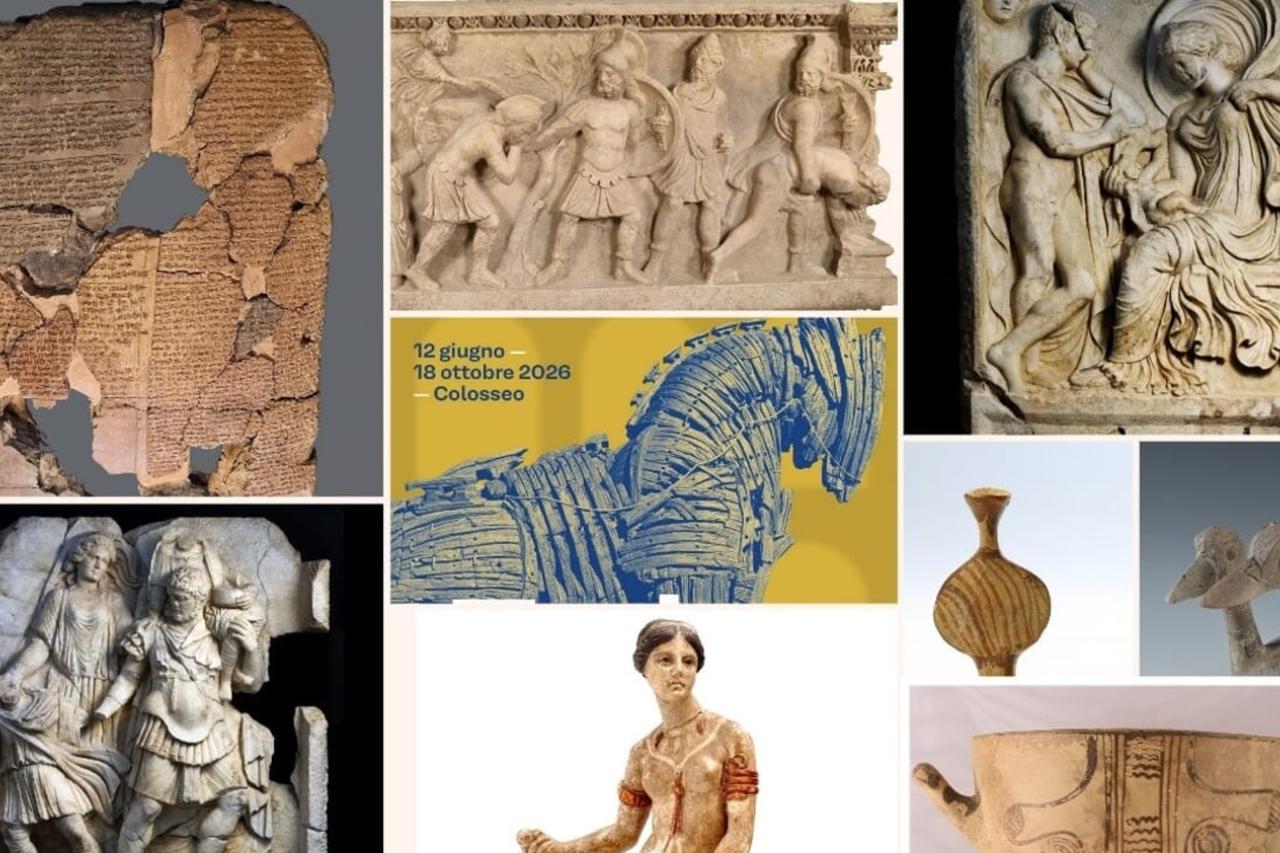
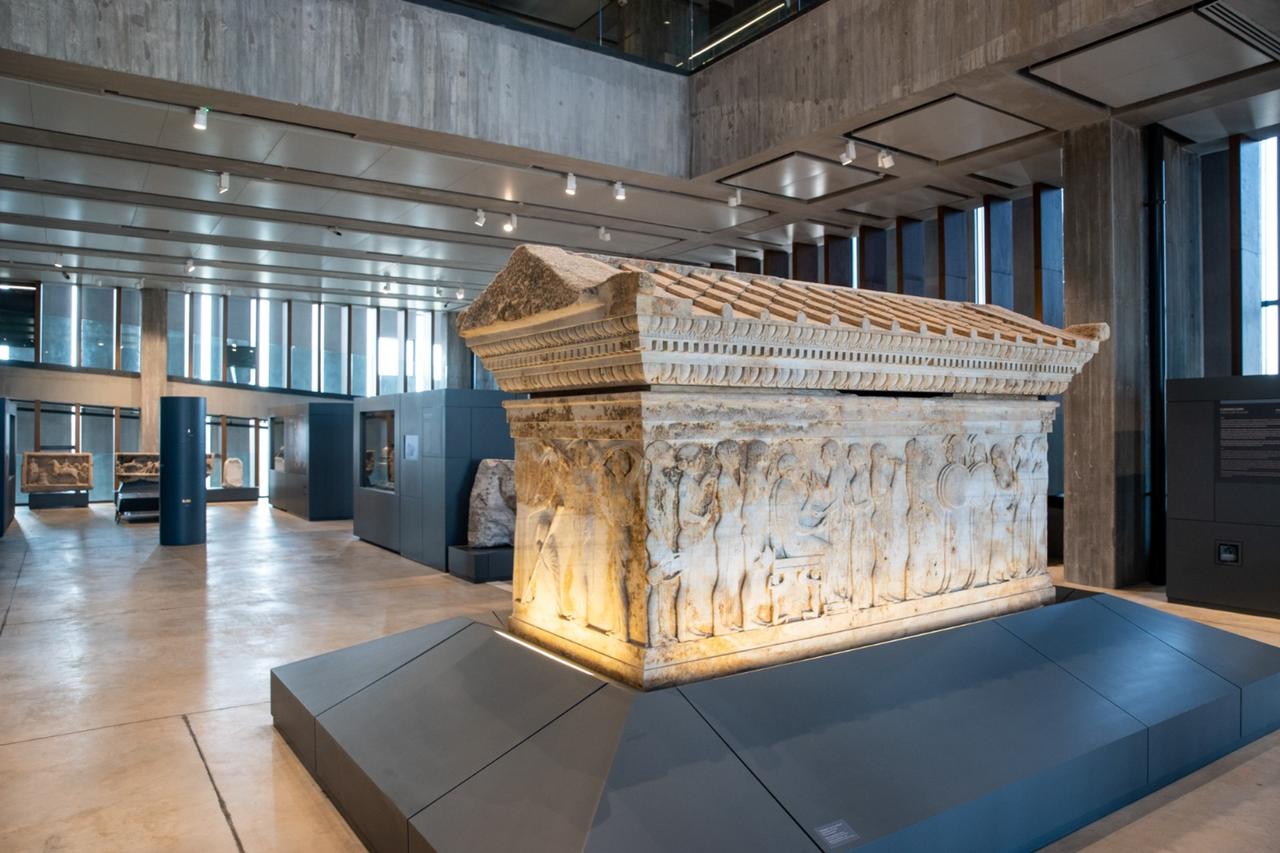
More than 200 artifacts from 19 museums, including the Troy Museum in Türkiye's northwestern province of Canakkale, went on display inside the Colosseum, introducing international visitors to the historical and mythological connections between Anatolia and ancient Rome.
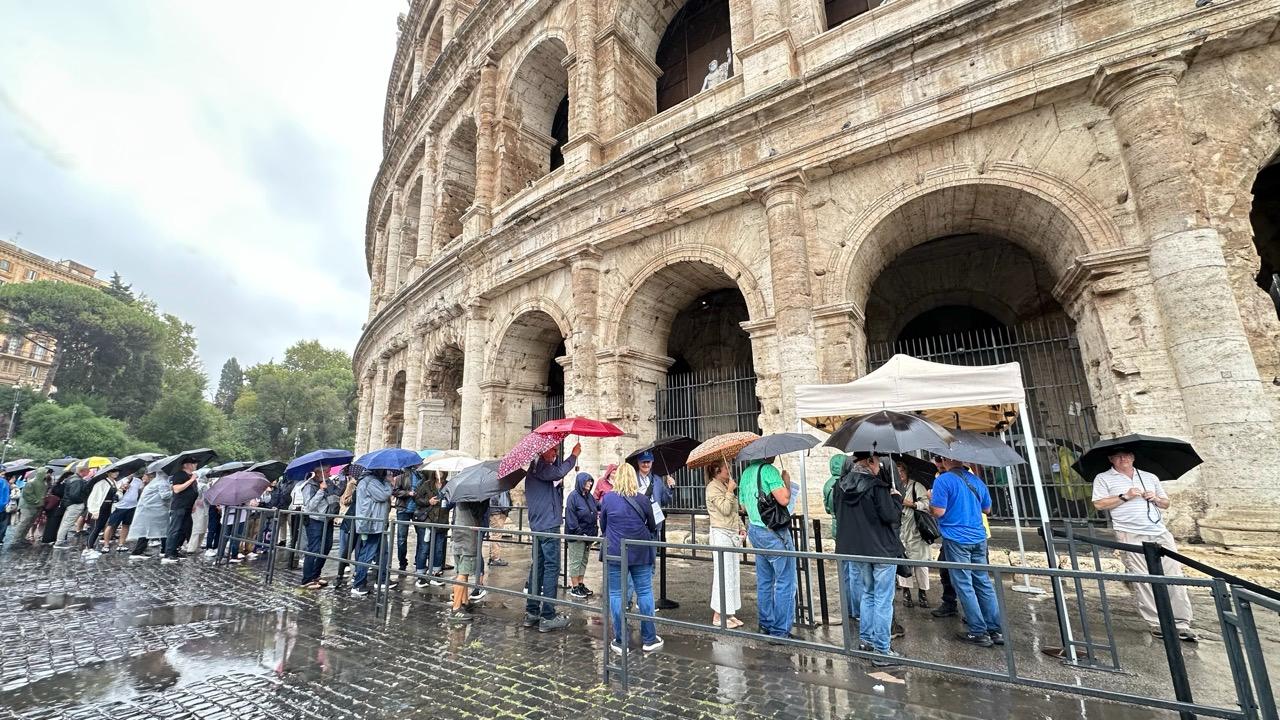

Troy Museum Director Sinem Duzgoren said the exhibition had welcomed more than 2 million visitors by the end of August, offering an unexpected encounter with the ancient city's legendary past.
Duzgoren explained that while most visitors came to the Colosseum to explore Roman history, the exhibition introduced them to the traditional story of Rome's origins and its connections to Troy.
She also noted that the Troy Museum had recorded strong visitor numbers in 2026, attributing part of its popularity to the enduring international interest in the ancient city.
Reyhan Korpe, deputy director of the Troy excavations and a professor at Canakkale Onsekiz Mart University, described the exhibition as one of Türkiye's most significant international cultural promotion initiatives in recent years.
According to Korpe, the exhibition brought together 5,000-year-old artifacts from Troy alongside Roman-related objects from various archaeological sites across Anatolia.
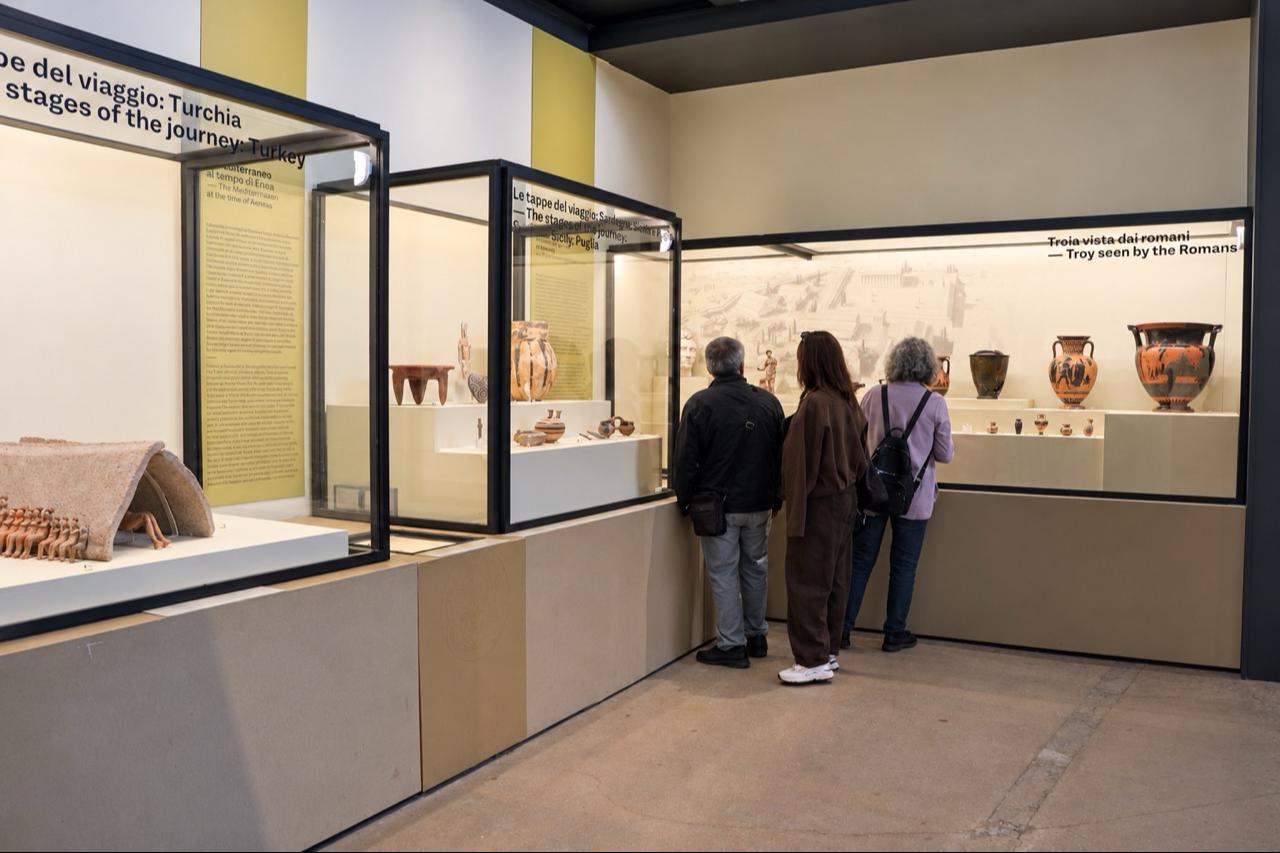
The exhibition also highlighted the story of Aeneas, a Trojan prince who, according to Roman mythology, escaped the destruction of Troy and traveled from Anatolia to Italy.
Korpe explained that the ancient Romans traced their ancestry back to Aeneas, making Troy an important part of their understanding of Rome's origins.
Paola Quaranta, head of archaeological excavations at the Colosseum, said the exhibition brought this founding myth to life through archaeological objects.
 1 min read
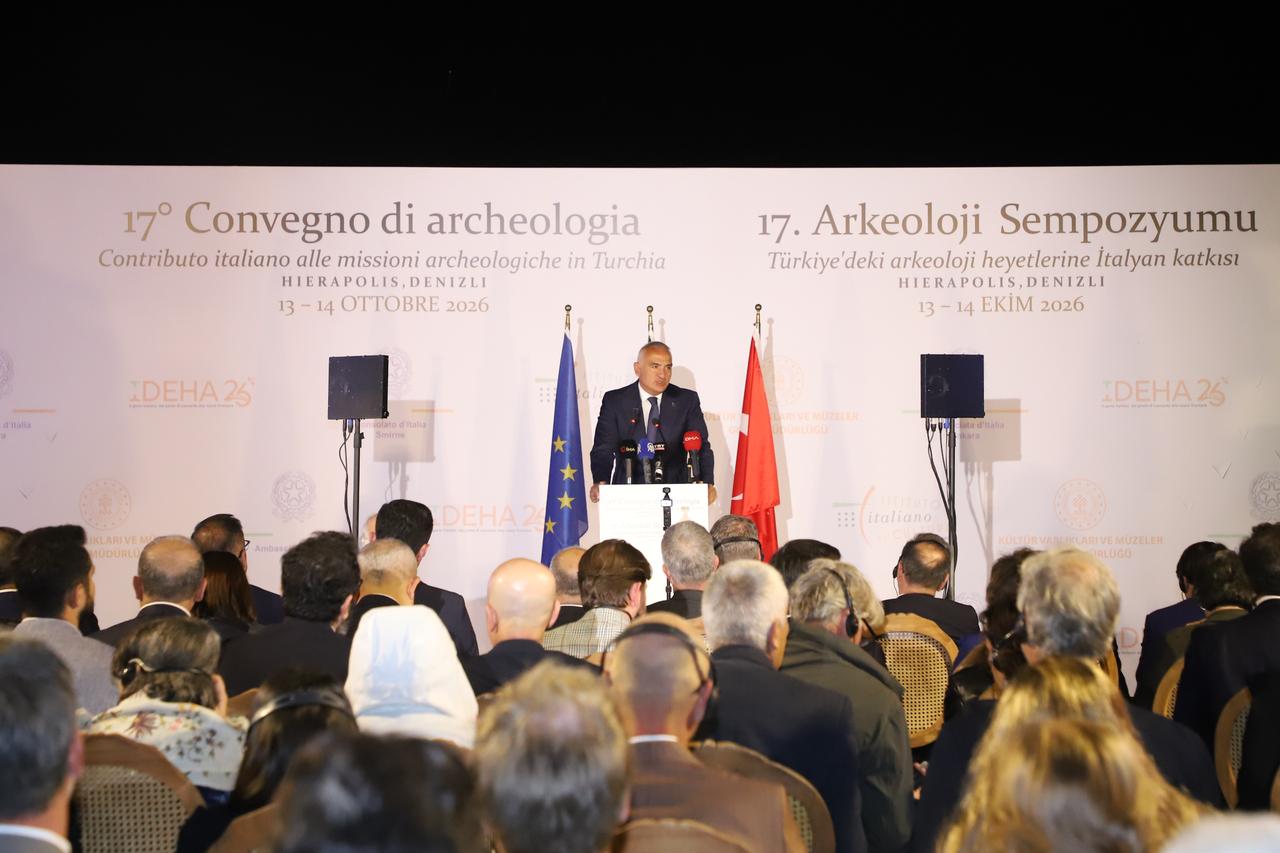
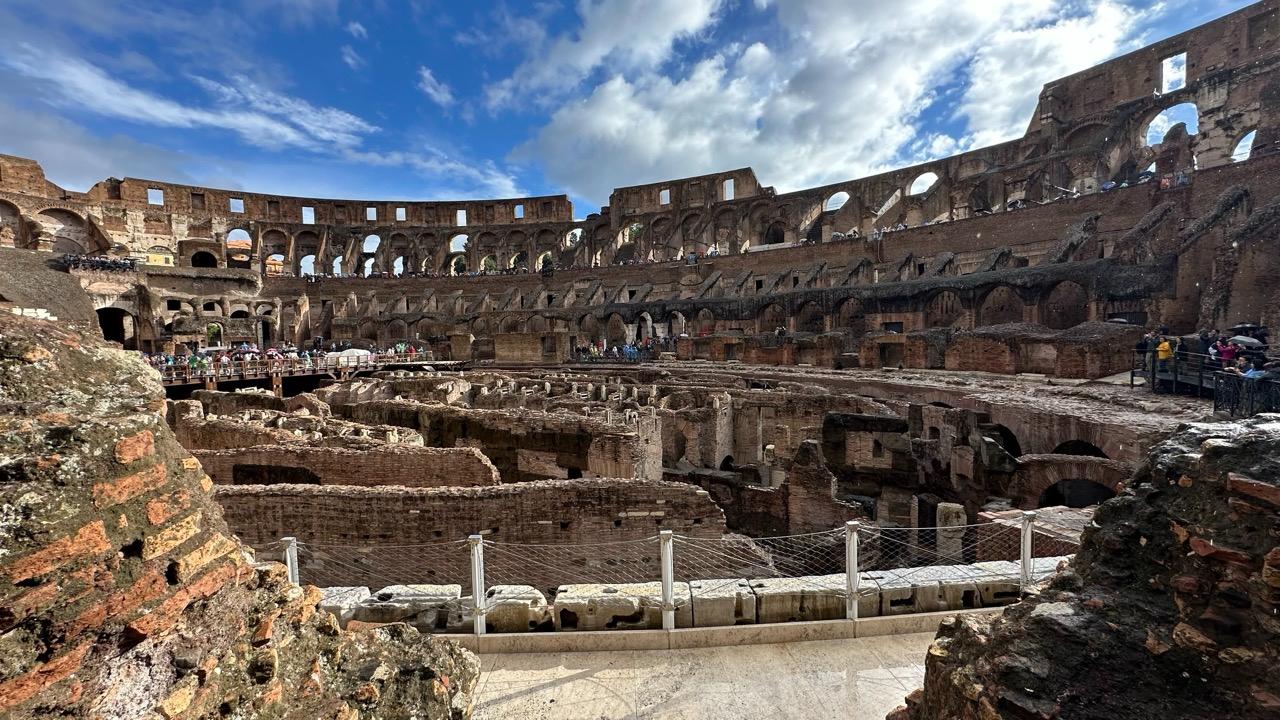
According to the legend, Aeneas reached the region now known as Lazio in central Italy and established a new settlement. His descendants, the twins Romulus and Remus, later became central figures in the traditional story of Rome's foundation.
Quaranta said the exhibition allowed Colosseum visitors to discover this mythological connection through artifacts associated with Troy, Anatolia and the ancient Roman world.


 Set as preferred source
 Set as preferred source


 1 min read


