

 Newsletters


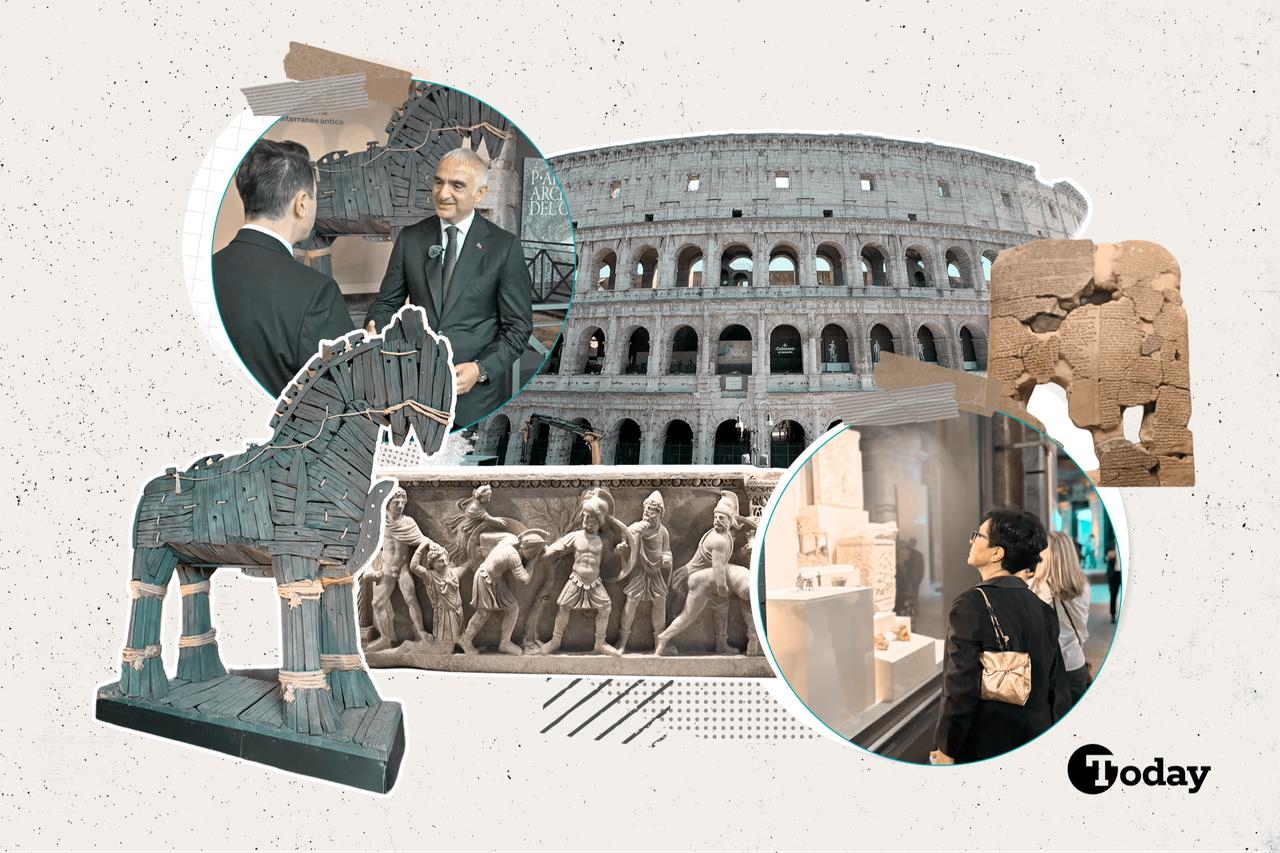


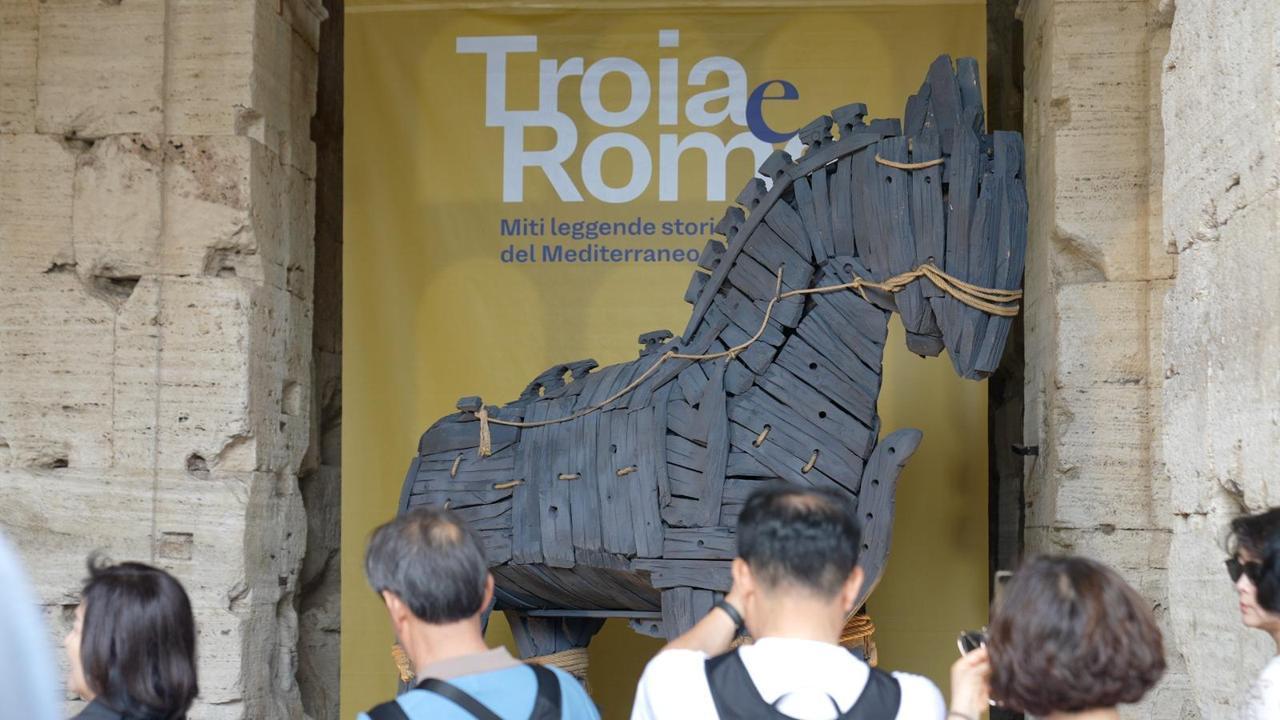
The opening of the “Troy and Rome: Myths, Legends and Stories of the Ancient Mediterranean” exhibition at the Colosseum Archaeological Park marks more than just another major archaeology show. It brings out a longer shift in Türkiye’s cultural policy: the effort to tell Troy not only as a Greek epic or a Roman origin myth, but also as an Anatolian city whose story belongs to the land where it stood.
That perspective has been building up for years. When the Troy Museum opened in 2018, it entered a crowded field of narratives. Troy had already been shaped by Homer, by Hollywood, by popular science and by more than 150 years of archaeological writing. For Türkiye, the challenge was not simply to display artifacts but to establish a new language around a city whose story had rarely been told from its own geography.
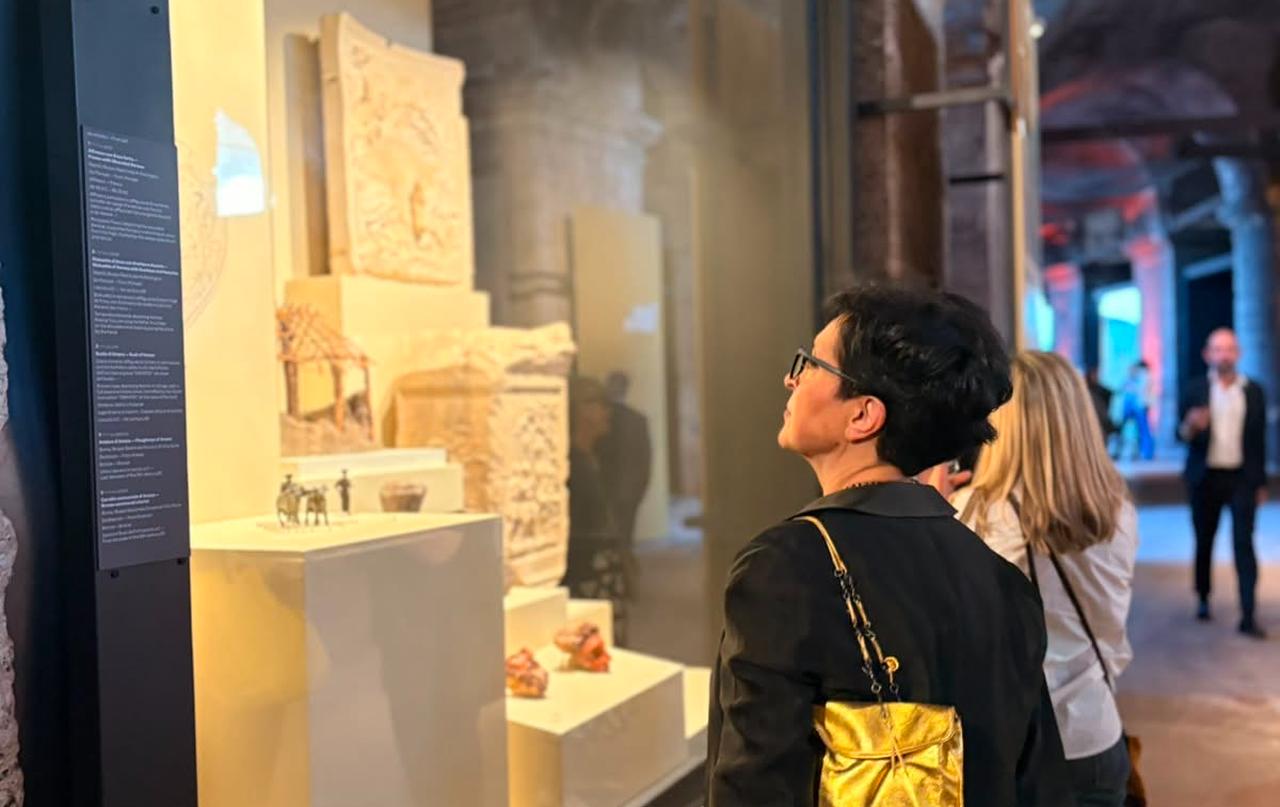

Opening the Troy Museum was risky because Troy was never an empty subject. It already carried layers of myth, archaeology and popular imagination. Yet that was also the reason the museum mattered. It gave Türkiye a space to put forward a different reading of the city, one rooted in Anatolia rather than only in the traditions that later claimed Troy from outside.
The key gap identified around the museum was clear: the legend and the city’s story had not been told enough by these lands themselves. The long history of 19th-century archaeology had created a major body of scholarship, but it had also emerged from an age when archaeology was often tied to imperial ambition and identity-building in the West.
For countries losing territory in the same century, cultural heritage was often approached first as property to be protected, not as a field through which identity could be reinterpreted. In the case of Troy, this produced a deeper problem than the loss of objects alone. The identity of the land itself had also been taken up, reshaped and narrated elsewhere.
This is why President Recep Tayyip Erdogan’s statement at the Troy Museum in 2021, “Troy is Anatolia,” stood out as a cultural and historical framing. Professor Rustem Aslan, head of the Troy excavations, described the phrase as an accurate and important observation for Anatolian cultural history and Turkish archaeology.
According to Aslan, the excavations of the Manfred Korfmann period, together with the study and interpretation of Hittite archive documents, show that Troy was fully an Anatolian city during and before the period associated with the Trojan War. He said this can be seen through both archaeological finds and written sources.
That reading also reframes the Trojan War. In Aslan’s interpretation, the war was not only a legendary conflict from Homer’s Iliad, but a struggle in which Troy, supported by the Hittite Empire and by forces from Anatolia, stood against the Achaeans. In that sense, he described the Trojan War as an Anatolian defense.
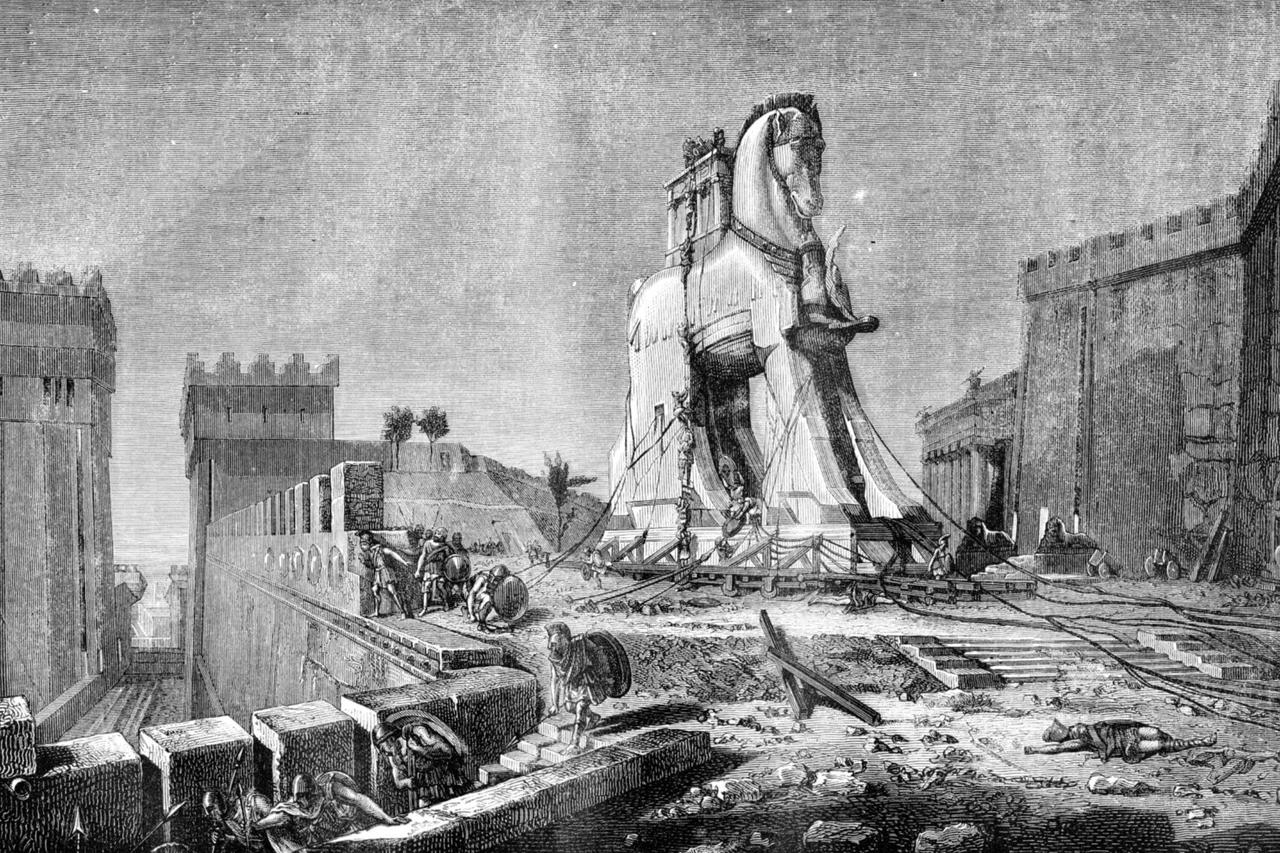
Troy has always existed in several layers at once. There is the mythological Troy, where Homer’s legacy remains central. There is the archaeological Troy, the real city whose material history has been studied for generations. There is also the popular Troy, shaped by films, books and public imagination.
The difficulty lies in bringing these layers together without reducing one to the other. Homer cannot be removed from Troy, but Homer also does not exhaust Troy. As the museum’s new language suggested, the task is not to throw away 150 years of archaeological writing in one move, but to open up a wider frame in which Anatolia can speak more clearly within the story.
The phrase “Homer brought us together” captures this balance. Homer remains the bridge that carries Troy across the world, yet the city’s archaeological and cultural identity also leads back to Anatolia.
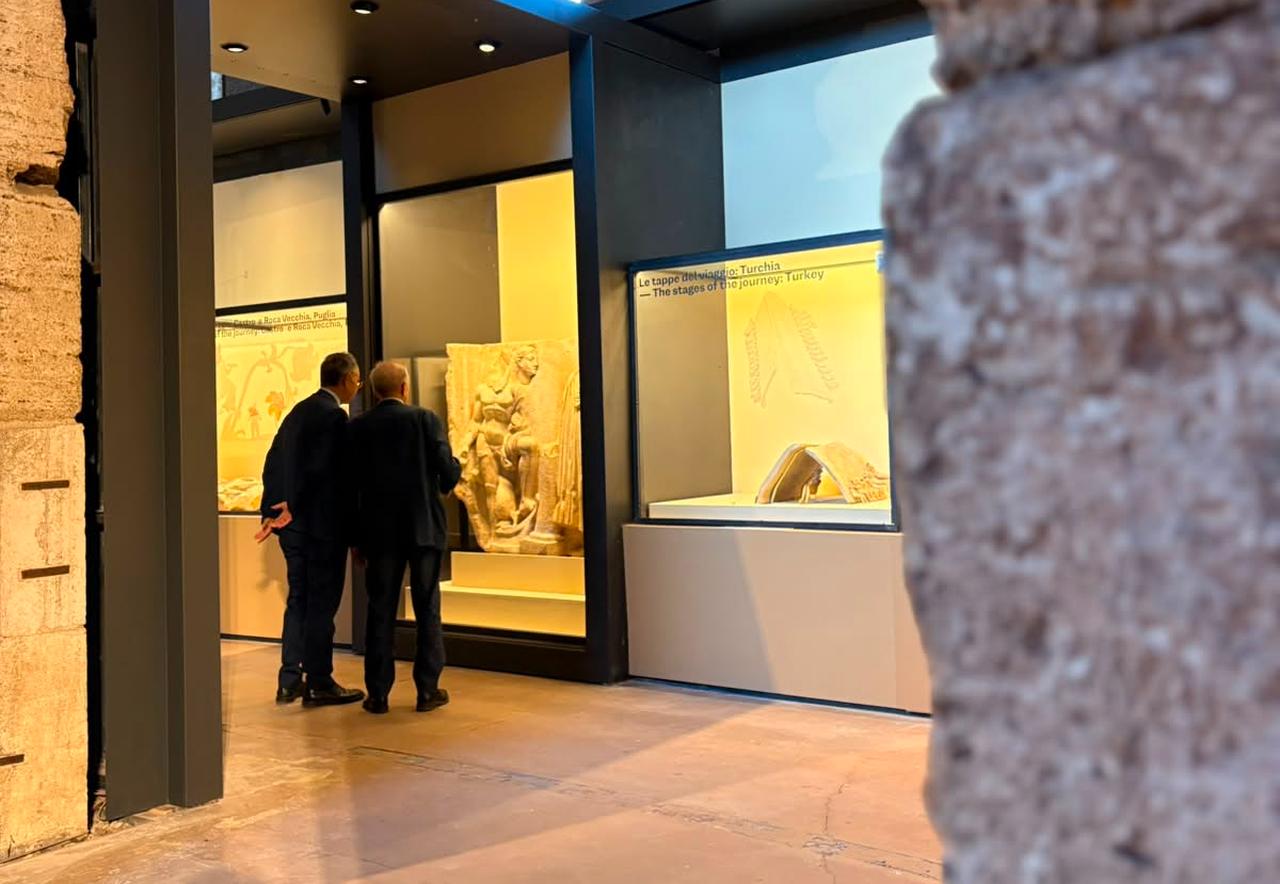
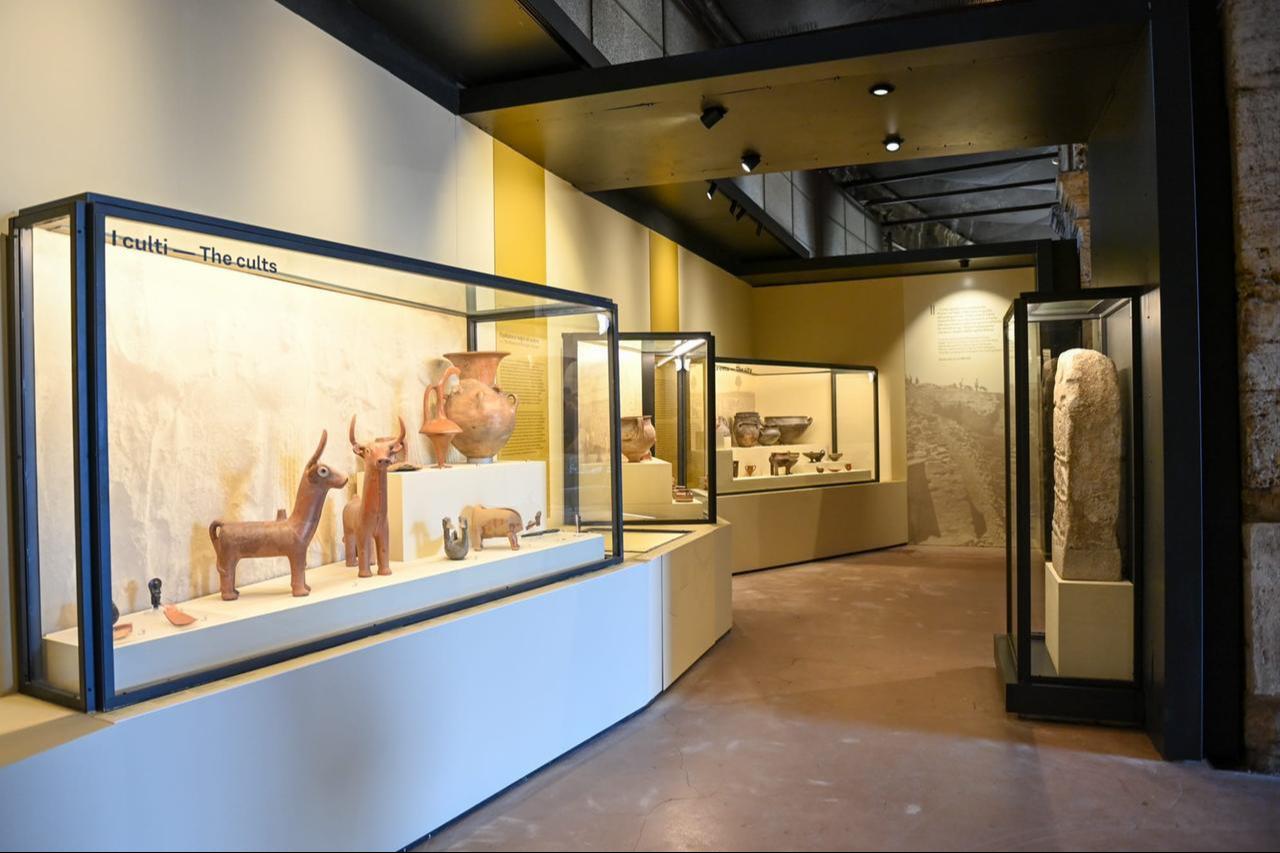
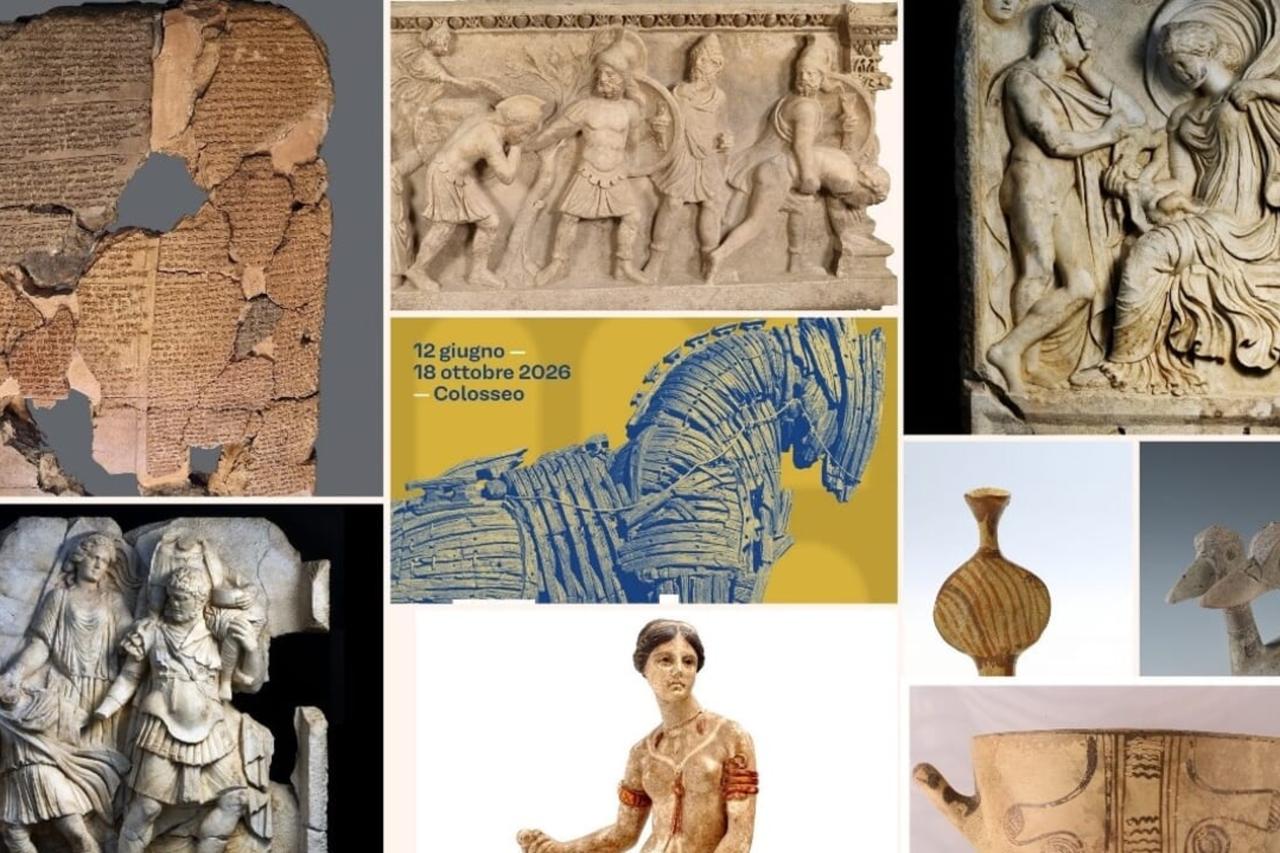
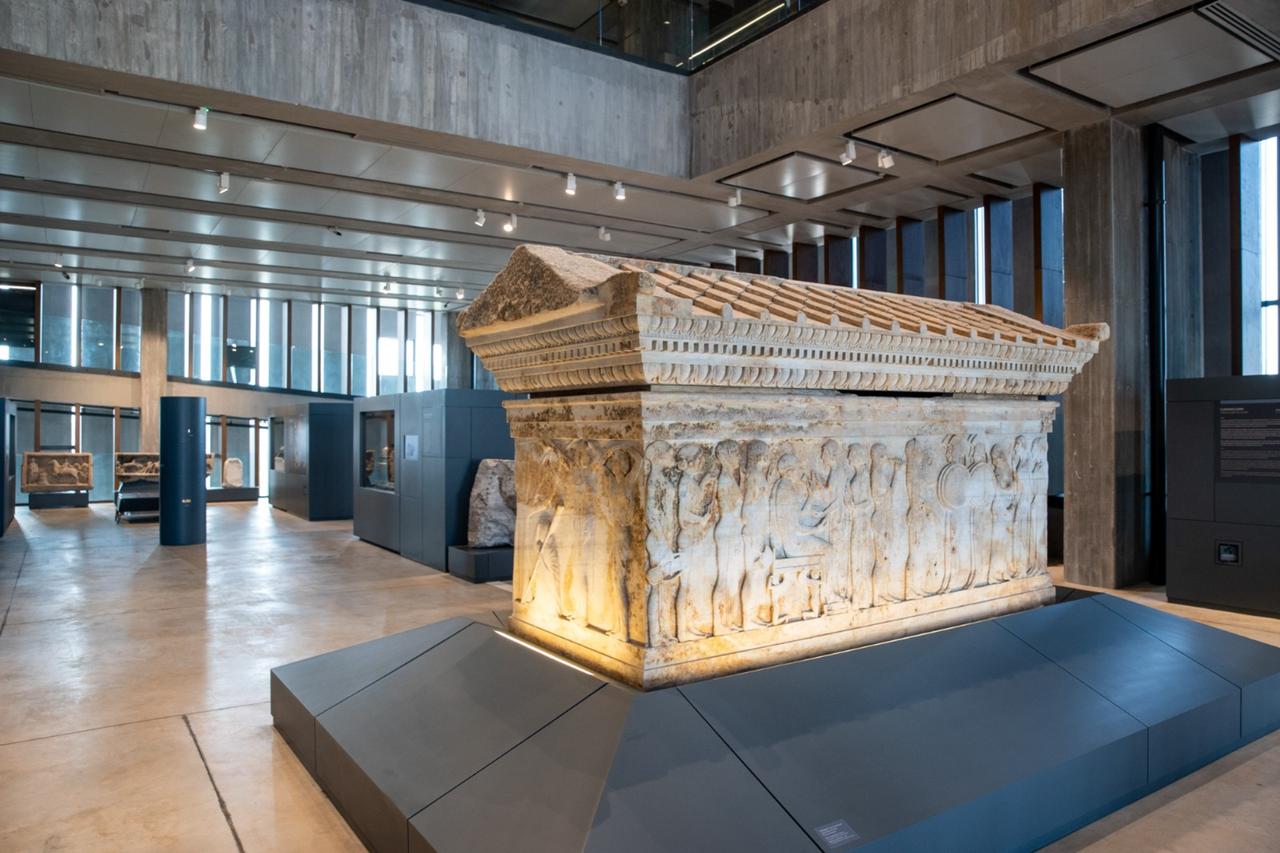
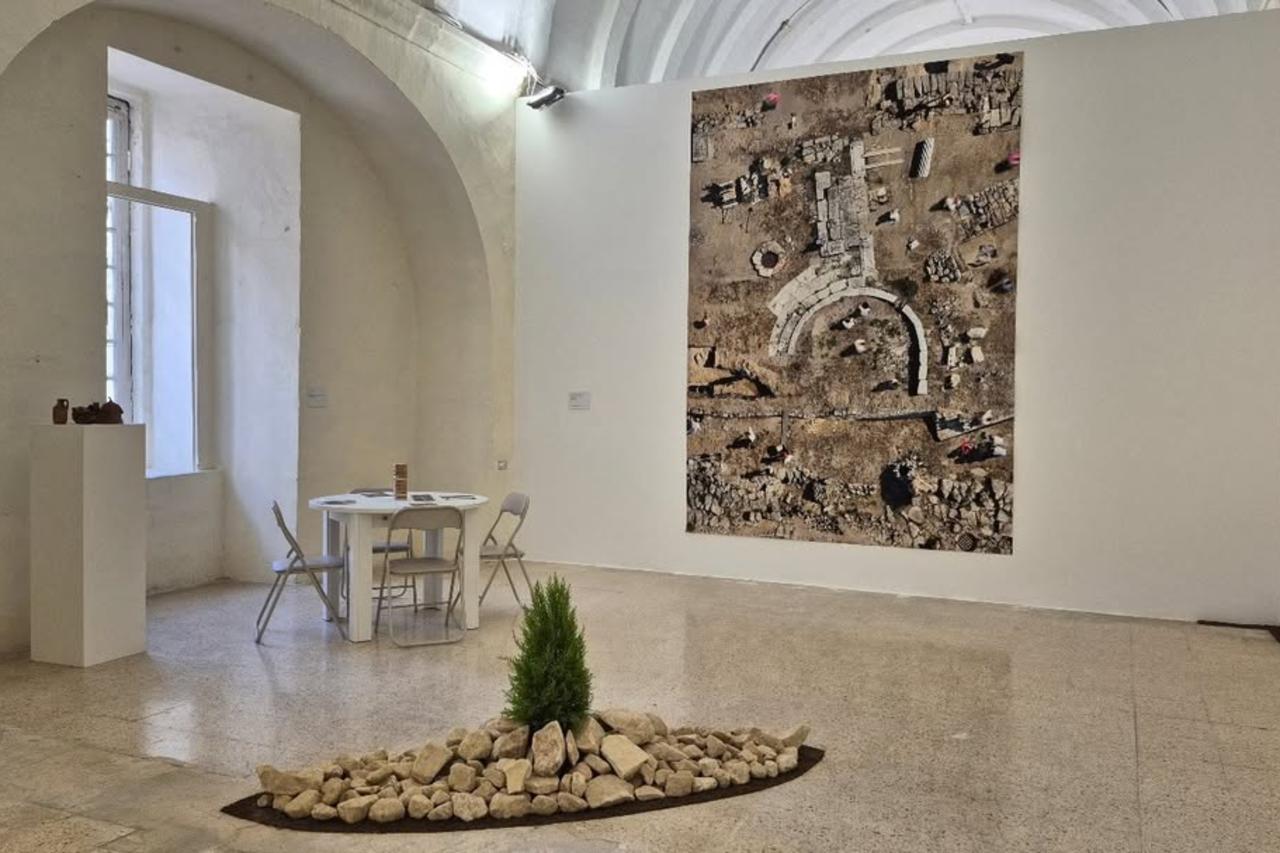
The Colosseum exhibition takes this debate onto an international stage. Bringing more than 300 artifacts together in Rome, including more than 220 works from 19 Turkish museums, the exhibition presents Troy as both a legendary city and an archaeological site tied to Rome’s own foundation myths.
Its structure follows Troy from its historical and topographical setting to the Trojan War, the fall of the city and the journey of Aeneas. In Roman tradition, Aeneas was the Trojan hero who escaped the burning city with his father Anchises and his son Ascanius, later becoming central to Rome’s origin story.
The exhibition then moves toward Romulus, archaic Rome and the Augustan period, when Virgil’s Aeneid helped turn the Trojan connection into a powerful element of Roman identity. In this sense, the show does not only ask how Rome remembered Troy. It also shows how Troy was used to imagine Rome.
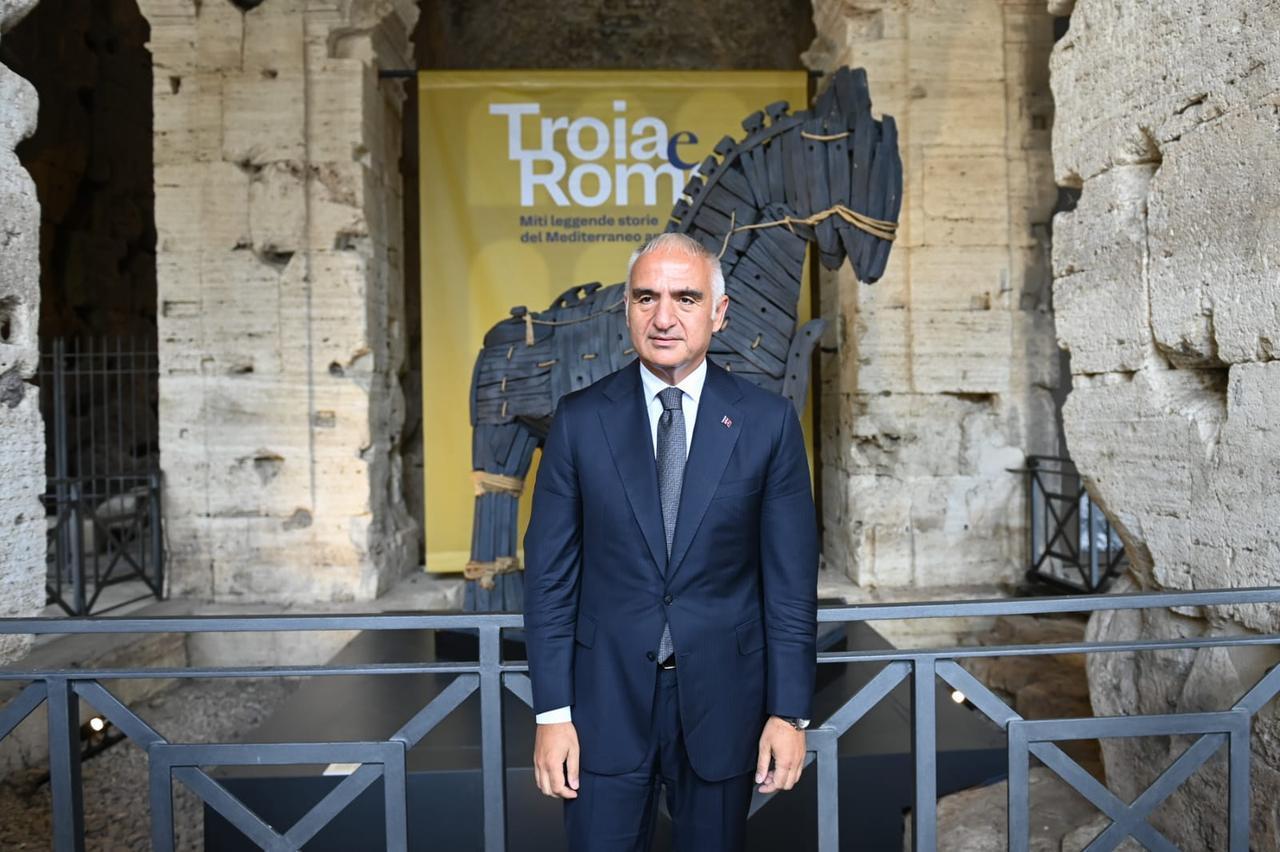
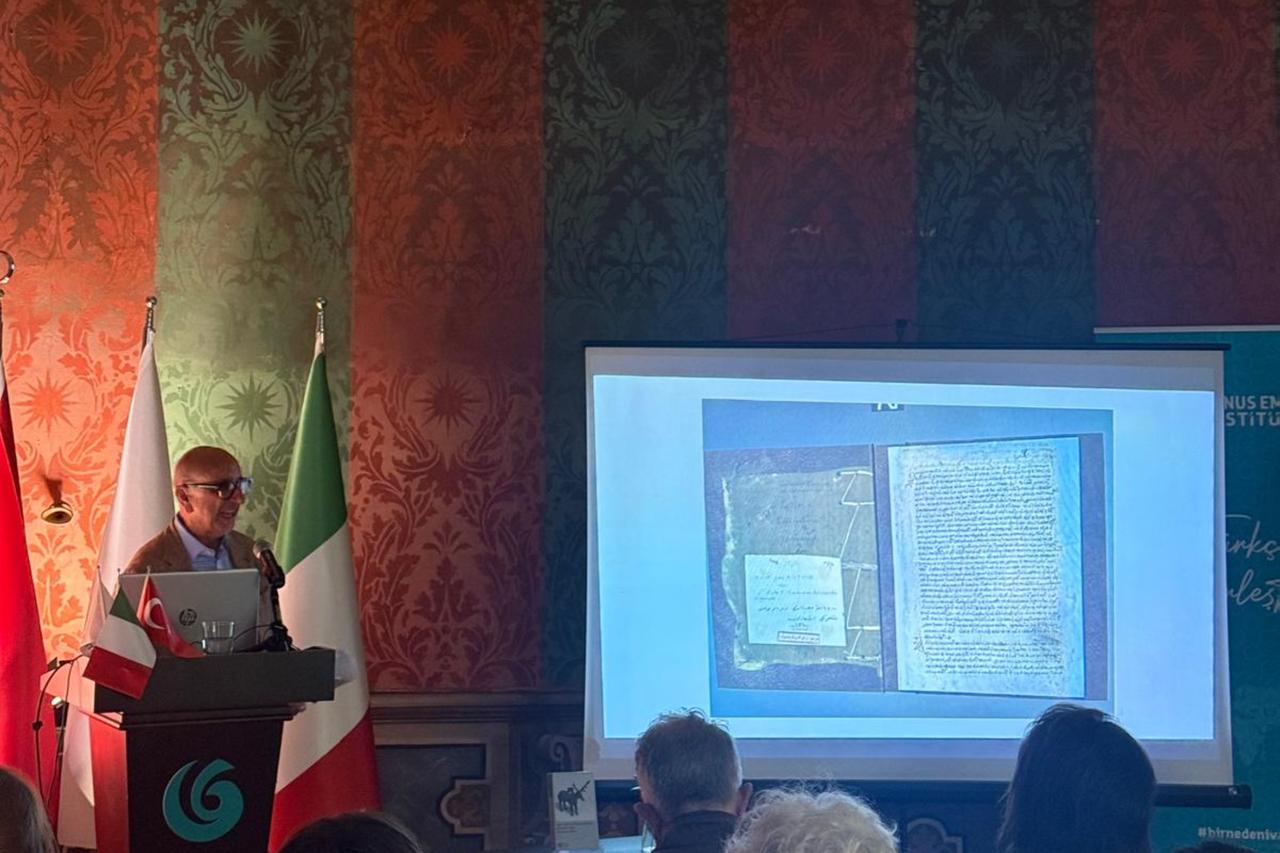
The exhibition is also framed as cultural diplomacy between Türkiye and Italy. It follows the bilateral agreement signed in Rome in April 2025 by Italian Culture Minister Alessandro Giuli and Turkish Culture and Tourism Minister Mehmet Nuri Ersoy, as well as the technical agreement signed in December 2025 between Italian and Turkish cultural heritage authorities.
Giuli said the exhibition brings the narrative power of a founding myth to the international stage while giving epic tradition a concrete archaeological dimension.
Ersoy said the project brings Troy’s epic history to the Colosseum through scientific rigor, heritage protection and strong storytelling.
The preparation and installation process of the “Troy and Rome: Myths, Legends and Stories of the Ancient Mediterranean” exhibition is shown before its opening at the Colosseum Archaeological Park in Rome, Italy. (Video via Culture and Tourism Ministry)
The importance of this moment lies in the change of perspective. Troy is not being separated from Homer, Rome or the Mediterranean world. Instead, Türkiye is placing Anatolia back into a story that had often been told through others.
That is why the line from the Troy Museum to the Colosseum matters. The museum helped set up a new language at home. The Rome exhibition now carries that language abroad, showing that Troy can be read as myth, archaeology, Roman memory and Anatolian heritage at the same time.
 1 min read
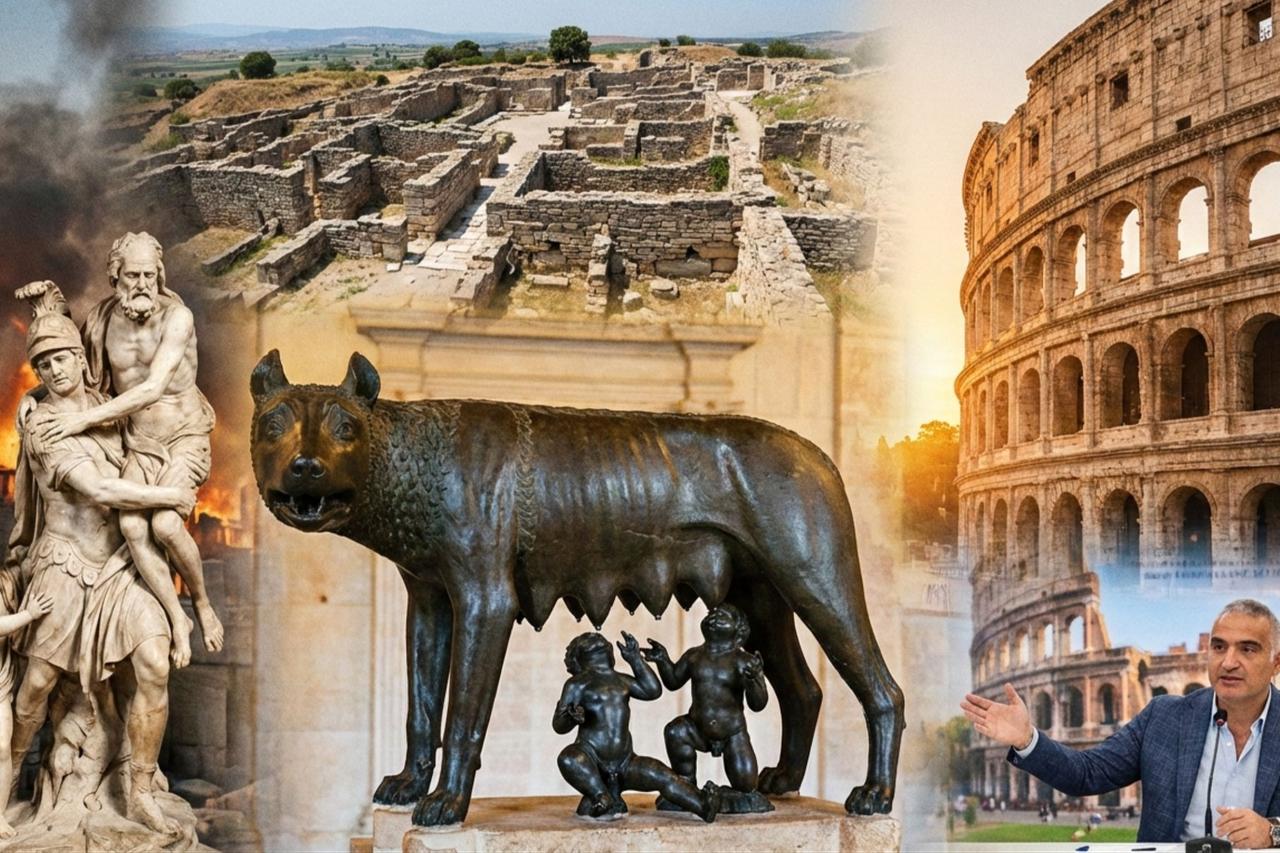
In the end, the question is not whether Troy belongs only to one nation, one tradition or one text. The stronger point is that a story of universal value becomes clearer when the land that shaped it is allowed to speak.
Ersoy also said Türkiye will continue carrying its cultural heritage to the world’s leading museums and cultural centers, with new exhibitions planned in Denmark, the U.K., Italy and the U.S. after the ongoing Gobeklitepe and Tas Tepeler exhibition in Berlin.


 Set as preferred source
 Set as preferred source


 1 min read


