Newsletters


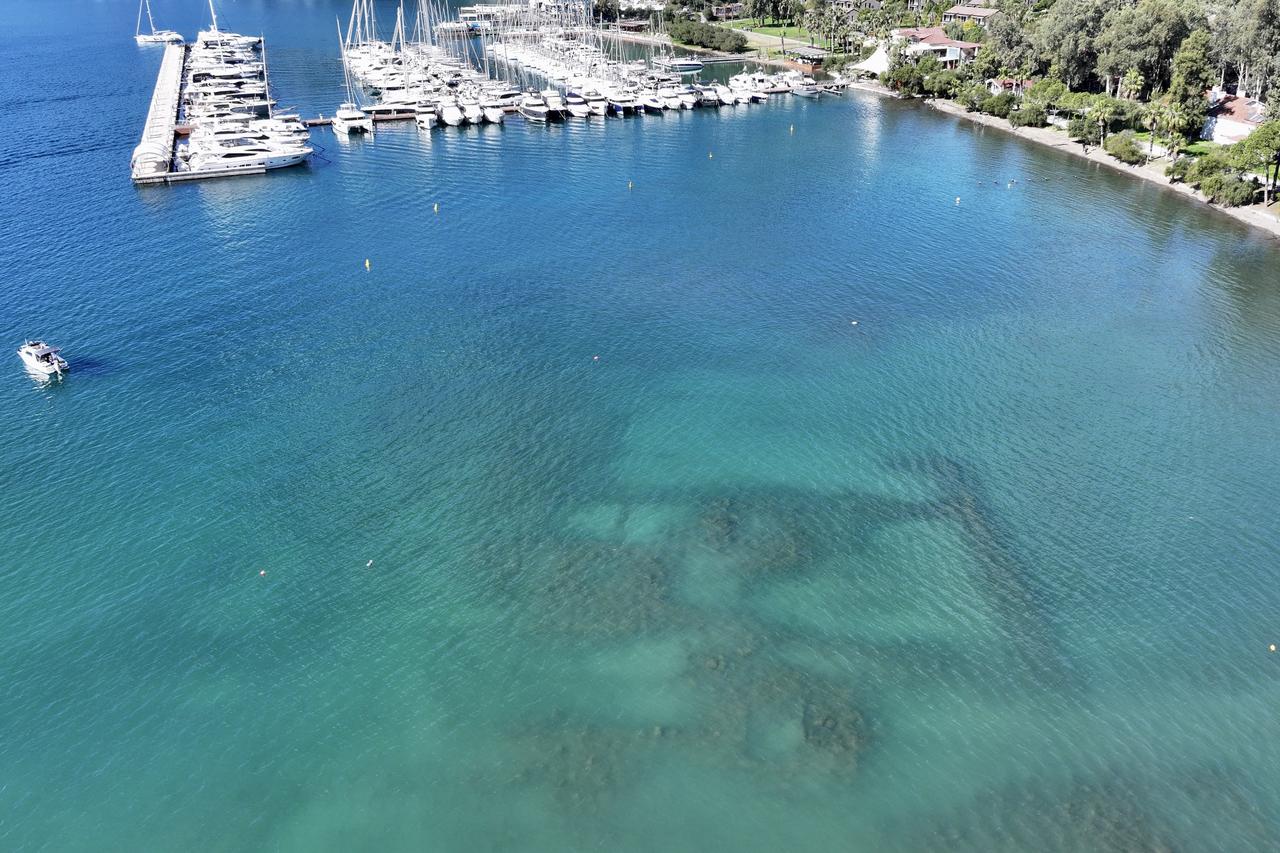


The underwater remains known locally as the “Kalimce Ruins” off the coast of Gocek in southwestern Türkiye have officially been placed under state protection after authorities designated the area a First-Degree Archaeological Site, a move welcomed by local residents who say it will help safeguard both cultural heritage and the region’s future development.
The protected zone lies near the shoreline of Gocek, a popular tourism neighborhood in Fethiye, where submerged structures can occasionally be seen from land when sea levels recede. The decision followed a formal application submitted by the Gocek Culture and Tourism Association and the Gocek Public Assembly to regional cultural heritage authorities.
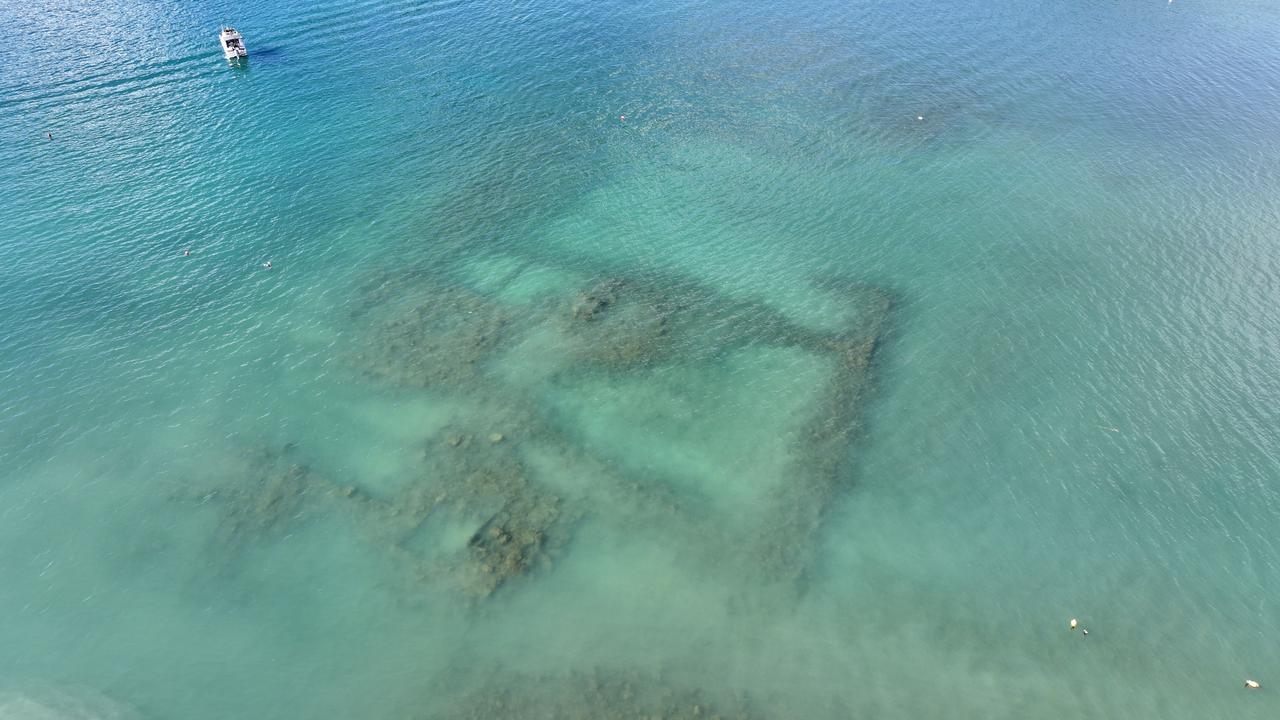

The designation came after heritage officials carried out examinations of the site, widely known among locals as the Kalimce Ruins. Community representatives had pushed for recognition in order to prevent uncontrolled construction and ensure long-term conservation.
Onur Ugan, a board member of the Gocek Culture and Tourism Association, said the decision reflected growing awareness that Gocek’s appeal goes beyond its well-known marine tourism. He noted that while the area has recently stood out for sailing and coastal travel, its historical depth has long been recognized by residents familiar with remains scattered across bays, mountains, and underwater areas.
According to Ugan, protecting the site is expected to both strengthen tourism potential and help hold back unplanned development. He emphasized that preserving nature and history together would ultimately protect Gocek itself, warning that otherwise the region could gradually give way to excessive construction.
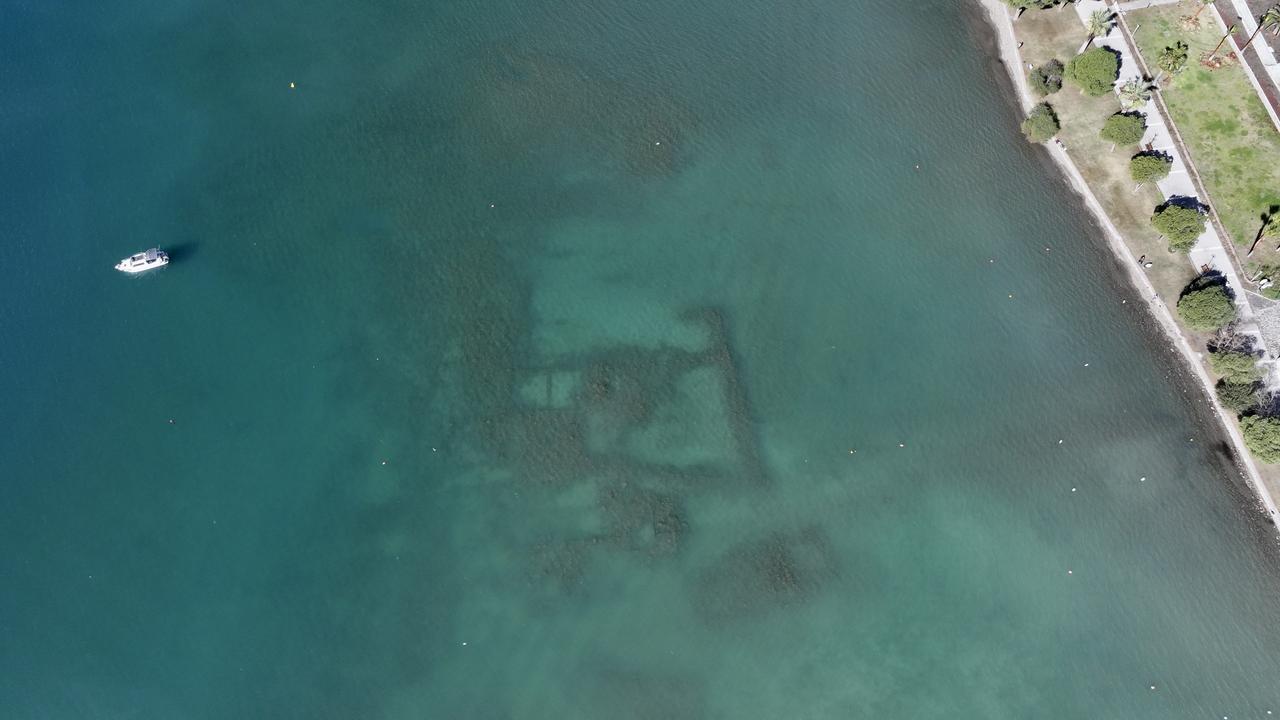
Local researchers and residents believe the newly protected area forms part of a broader historical network stretching across nearby coves and islands, including Yassiclar, Seytanli Island, Hamam Bay, and Tersane Bay, where additional remains have been identified.
Ugan explained that historical maps refer to Gocek as “Skopea Harbor,” suggesting the area once functioned as an important maritime center. Kalimce is thought to have been an ancient settlement connected to this harbor system, though its precise dating will depend on future archaeological studies.
He indicated that visible remnants such as ancient water channels, cisterns, and settlement traces point to organized habitation in earlier periods. Brick-built waterways observed in Gobun Bay, for instance, are seen as evidence of agricultural activity, while rock tombs and submerged remains in Bedri Rahmi Bay resemble the partially sunken ancient landscapes found in other Mediterranean coastal sites.
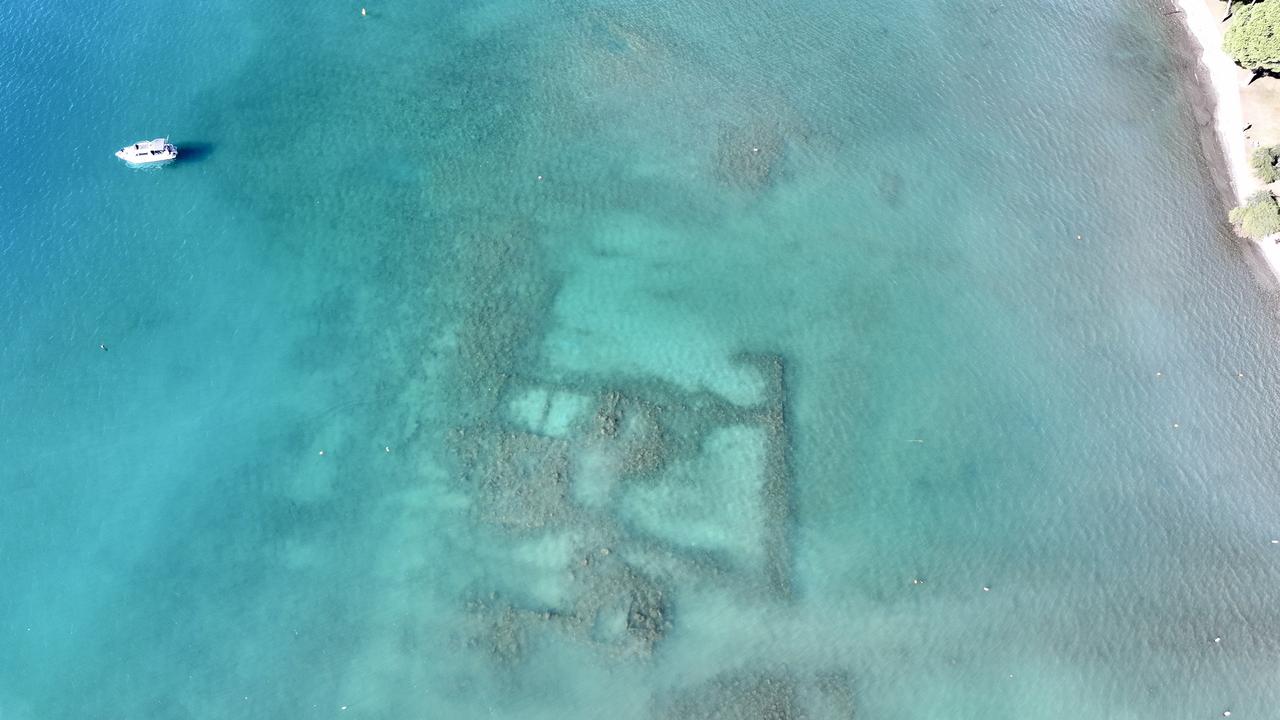
Local representatives hope that formal archaeological work will now move forward, bringing buried and submerged remains to light and clarifying the historical timeline of the settlement.
Ugan described southwestern Anatolia as a cradle of early civilizations, noting that the Lycian civilization once lived in the region and likely contributed to its development as a trade hub shaped by sheltered bays and island routes.


 Set as preferred source
 Set as preferred source


 3 min read