

 Newsletters


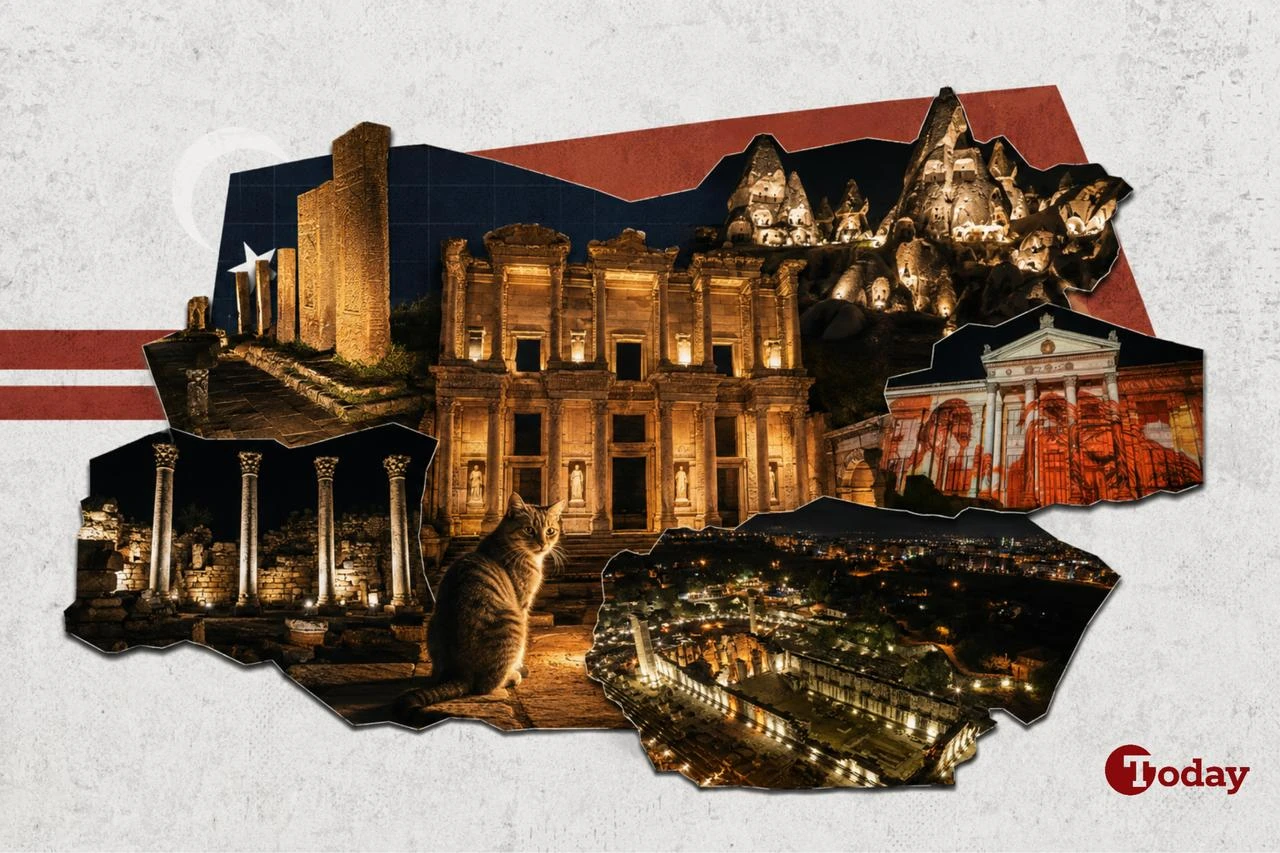


Türkiye is extending cultural tourism well beyond conventional visiting hours this summer, opening 20 major museums and archaeological sites after dark as its Night Museums Project enters a third season following more than 1 million visits in 2025.
Running from June 1 through Oct. 1, the 2026 program stretches across the country, bringing together internationally known ancient cities such as Ephesus, Hierapolis and Side with major museums and landmarks including the Istanbul Archaeological Museums, Galata Tower and the Zeugma Mosaic Museum. Participating sites begin their night sessions from 7:00 p.m. and remain accessible until individually designated closing times.
The initiative is designed to spread visitor traffic more evenly throughout the day while extending access to Türkiye's cultural heritage beyond traditional daytime schedules. According to GoTürkiye, the program also aims to ease daytime congestion, encourage longer stays and allow visitors to spend more time engaging with historic sites.
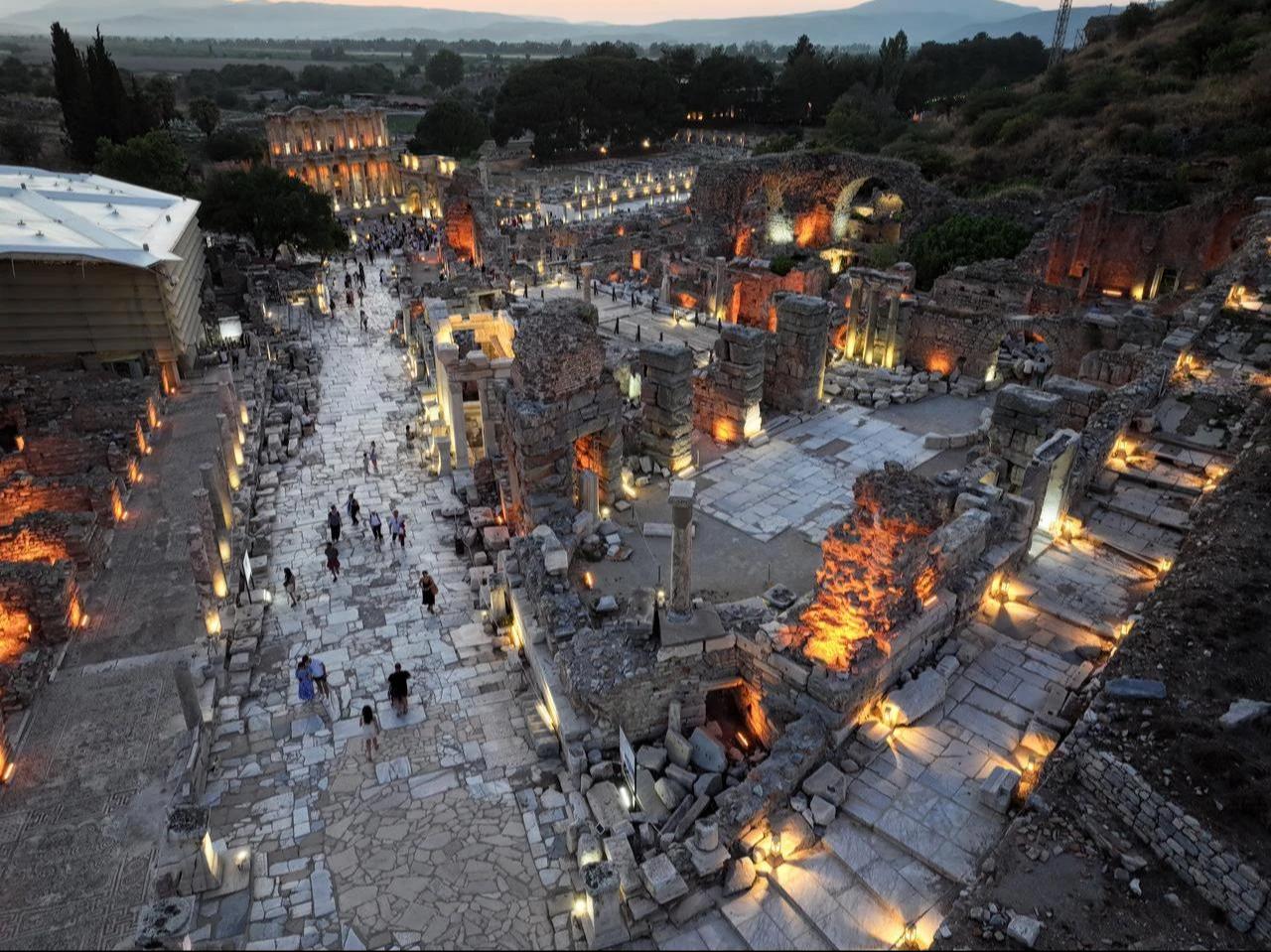

Some of the program's most prominent locations are found along Türkiye's Aegean region, where archaeological sites take on extended schedules during the summer.
Ephesus in Izmir, regarded as one of the world's best-preserved Roman cities, stays open until 11:00 p.m. on Wednesdays, Thursdays, Fridays and Saturdays. Its monumental structures are illuminated after sunset, allowing visitors to walk through the ancient city during hours when archaeological sites would traditionally be closed.
Further inland in Denizli, Hierapolis also remains open until 11:00 p.m. The ancient settlement, which stands alongside the white travertine formations of Pamukkale, features an illuminated theater and streets as part of the nighttime experience.
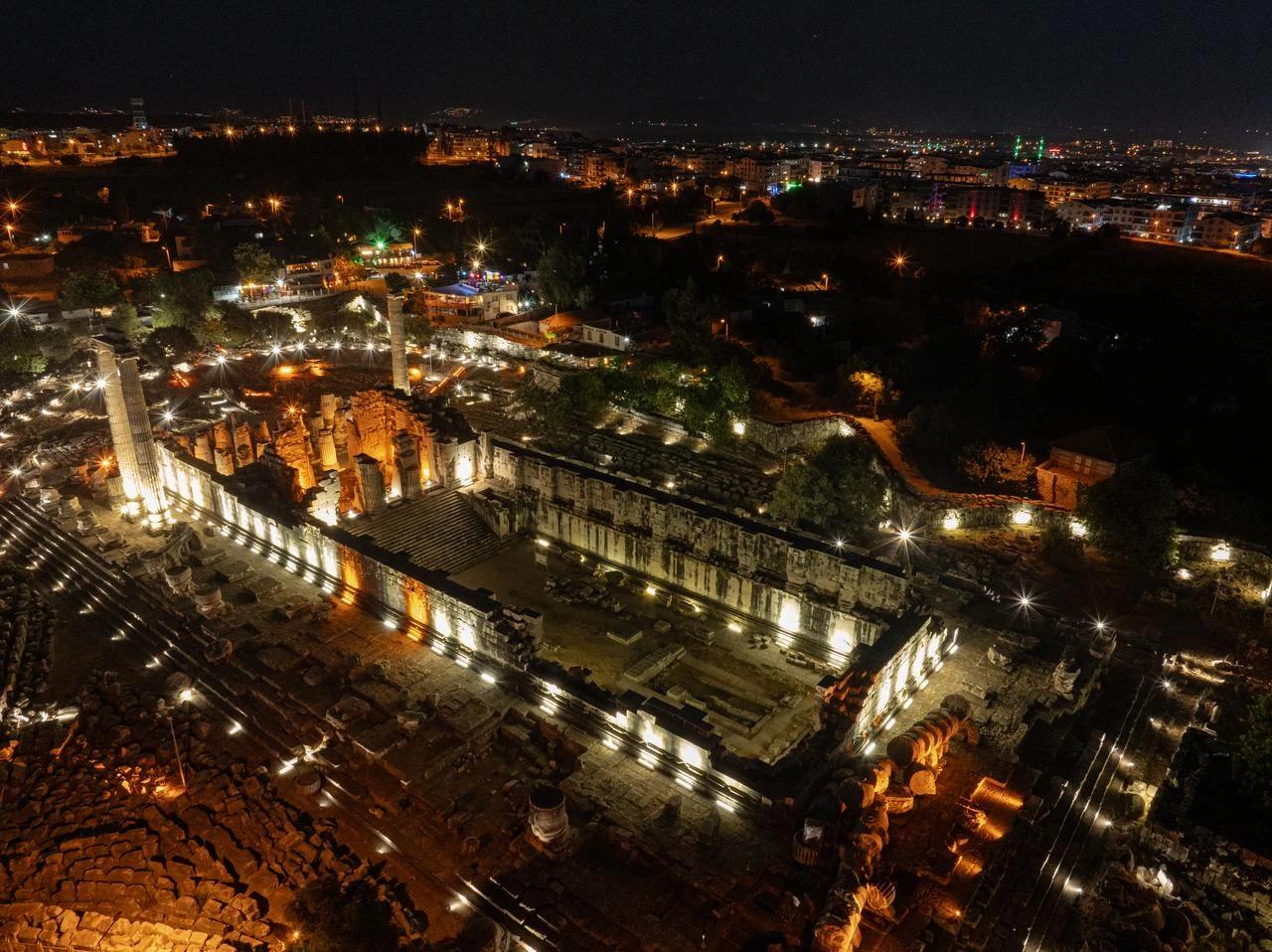
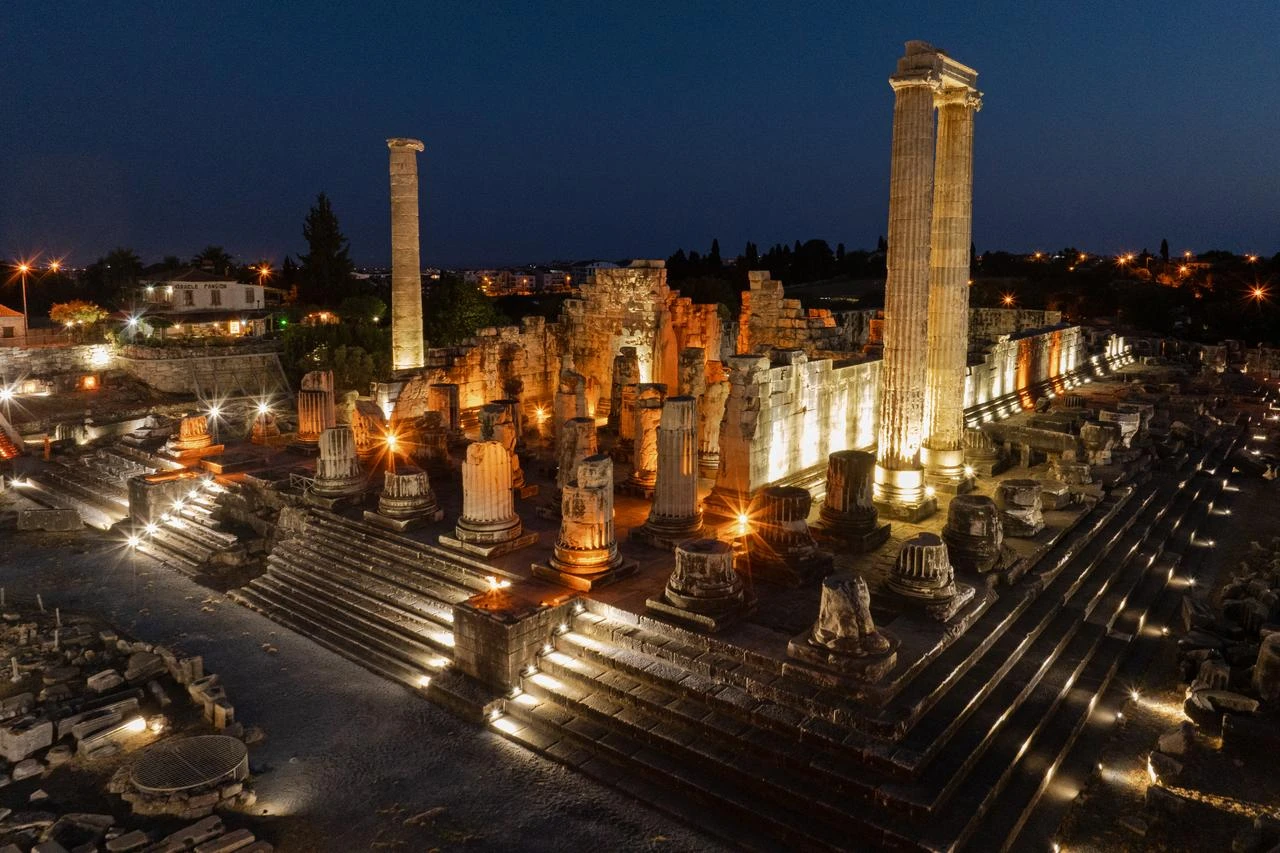
The Temple of Apollo at Didyma in Aydin, one of the largest temples of the ancient world and an important example of Ionic architecture, is included in the program as well, remaining open until 9:00 p.m.
The program also brings nighttime access to several archaeological sites around Antalya, where the ancient regions of Lycia, Pamphylia and Pisidia once met along the Mediterranean coast.
Aspendos, known for its exceptionally preserved Roman theater; Patara, where an ancient assembly building and a restored lighthouse stand among the remains; and Side, home to the seaside Temple of Apollo, can all be visited until 10:00 p.m.
The Alanya Museum and Museum of Lycian Civilizations are also part of Antalya's nighttime offering, expanding the program beyond open-air archaeological sites and into museum collections.
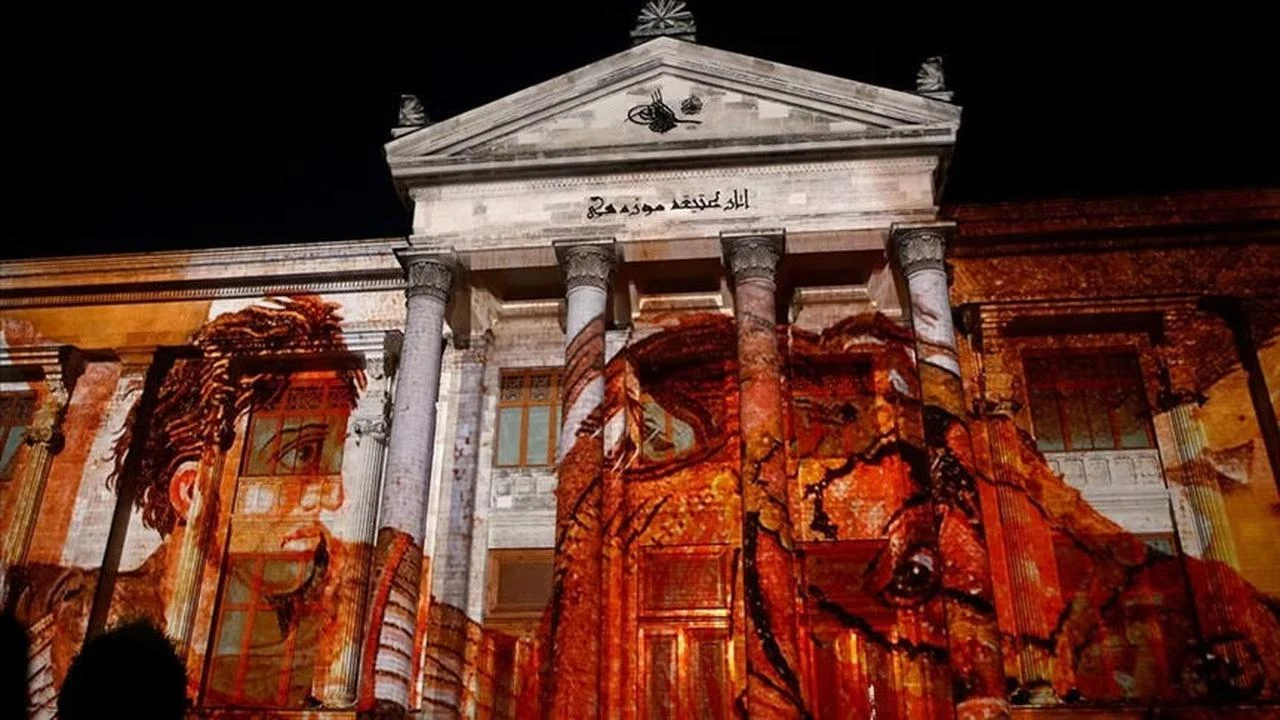
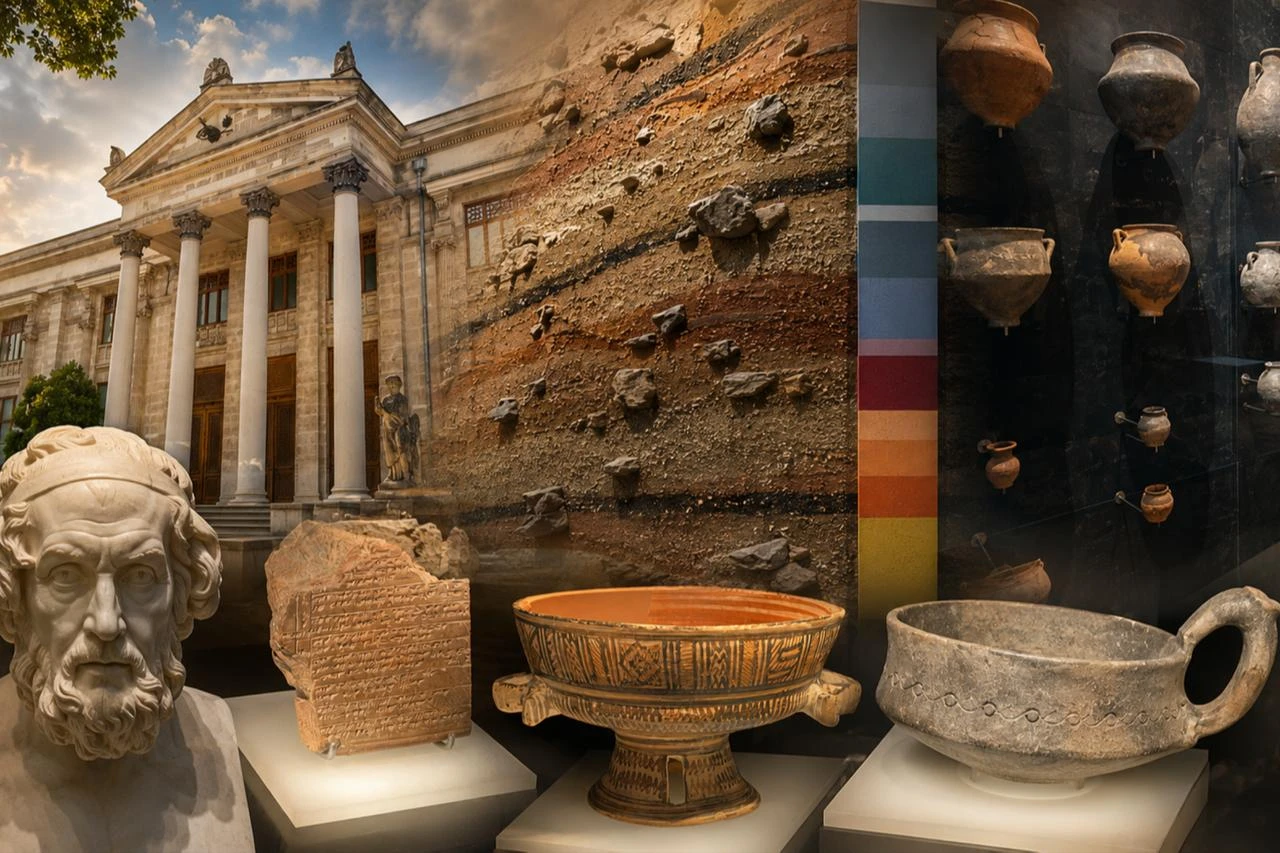
In Istanbul, the program takes in three major cultural attractions. The Istanbul Archaeological Museums, a complex containing collections from civilizations across Anatolia and the surrounding regions, stays open until 10:00 p.m., while the Turkish and Islamic Arts Museum follows the same schedule.
Galata Tower, one of the city's most recognizable historic landmarks, remains accessible until 11:00 p.m., allowing visitors to take in nighttime views across Istanbul and the Golden Horn.
The archaeological museum collections include internationally significant objects such as the Kadesh Treaty, widely known as the world's oldest surviving peace treaty, as well as one of the earliest known love poems.
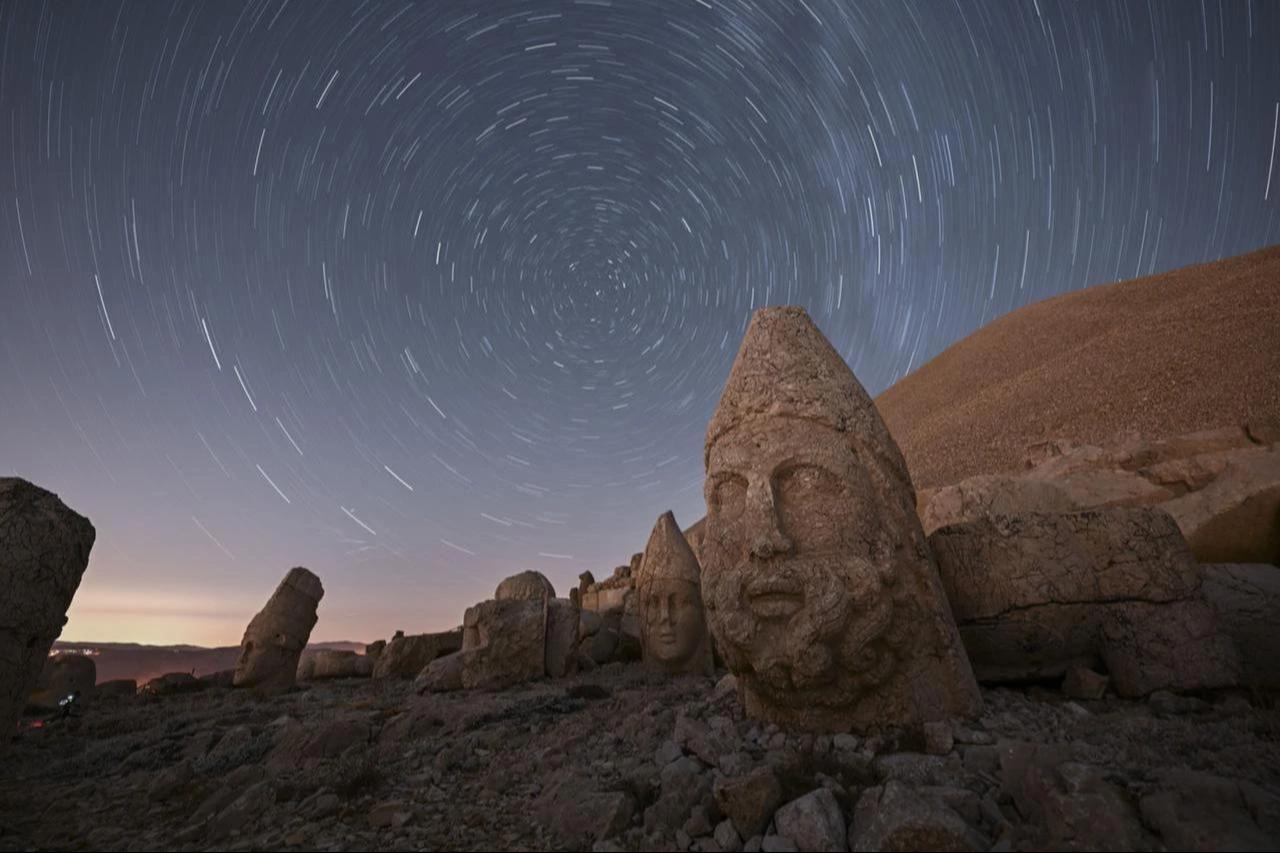
Nighttime access also reaches cultural sites far beyond Türkiye's main coastal tourism centers.
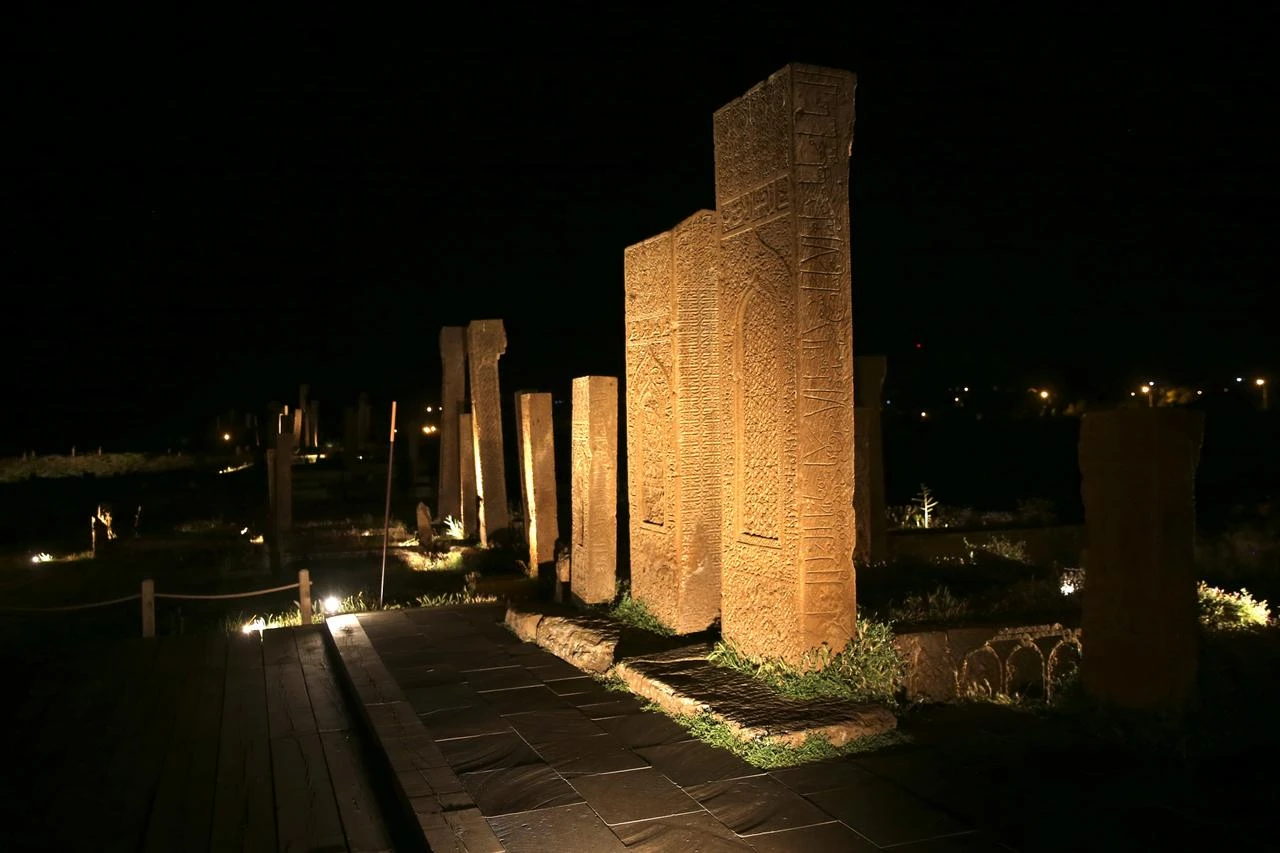
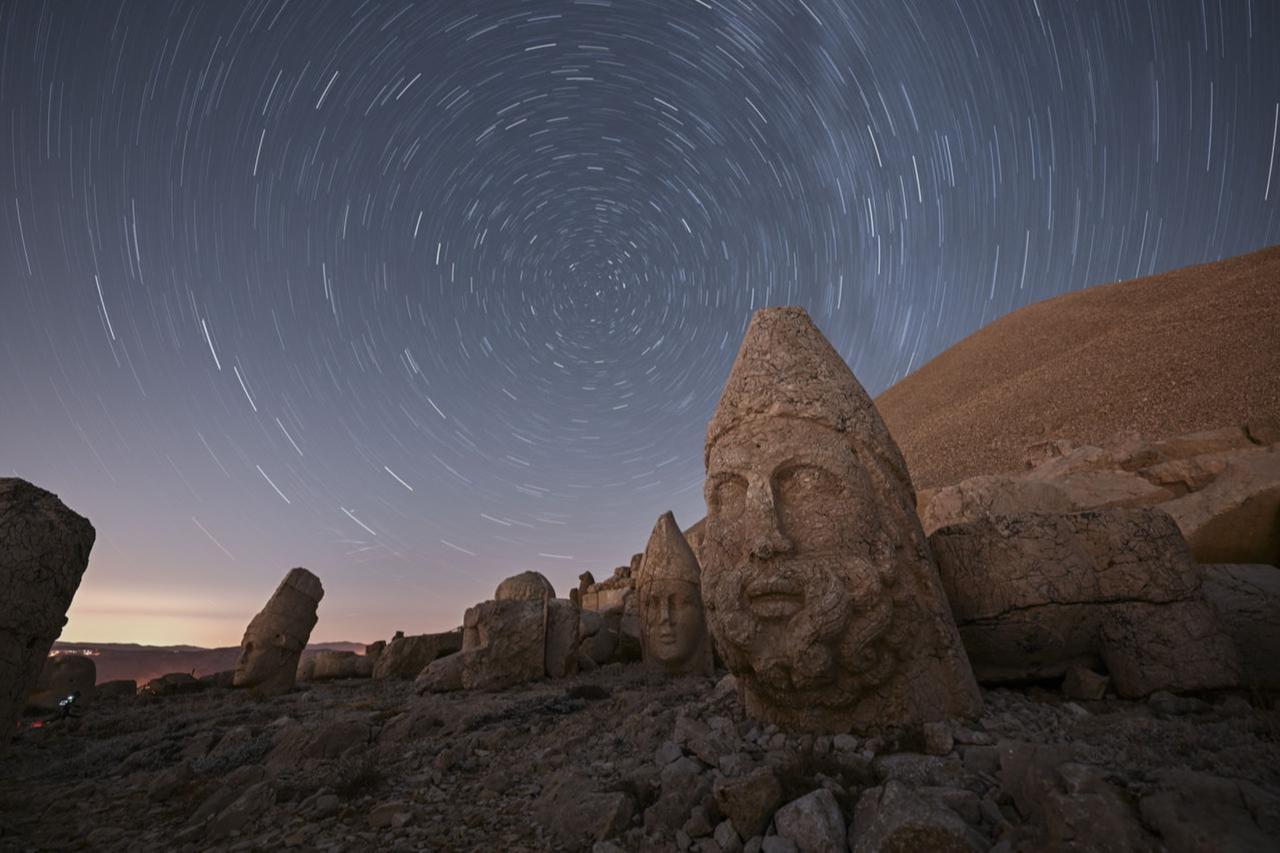
Mount Nemrut in Adiyaman, known for the monumental stone heads and statues erected around an ancient royal sanctuary, is included in the project, while the Ahlat Seljuk Cemetery in Bitlis opens until 9:00 p.m. Ahlat is known for monumental medieval tombstones associated with the Seljuk period, an era in which Turkic dynasties ruled across large parts of Anatolia and the Middle East.
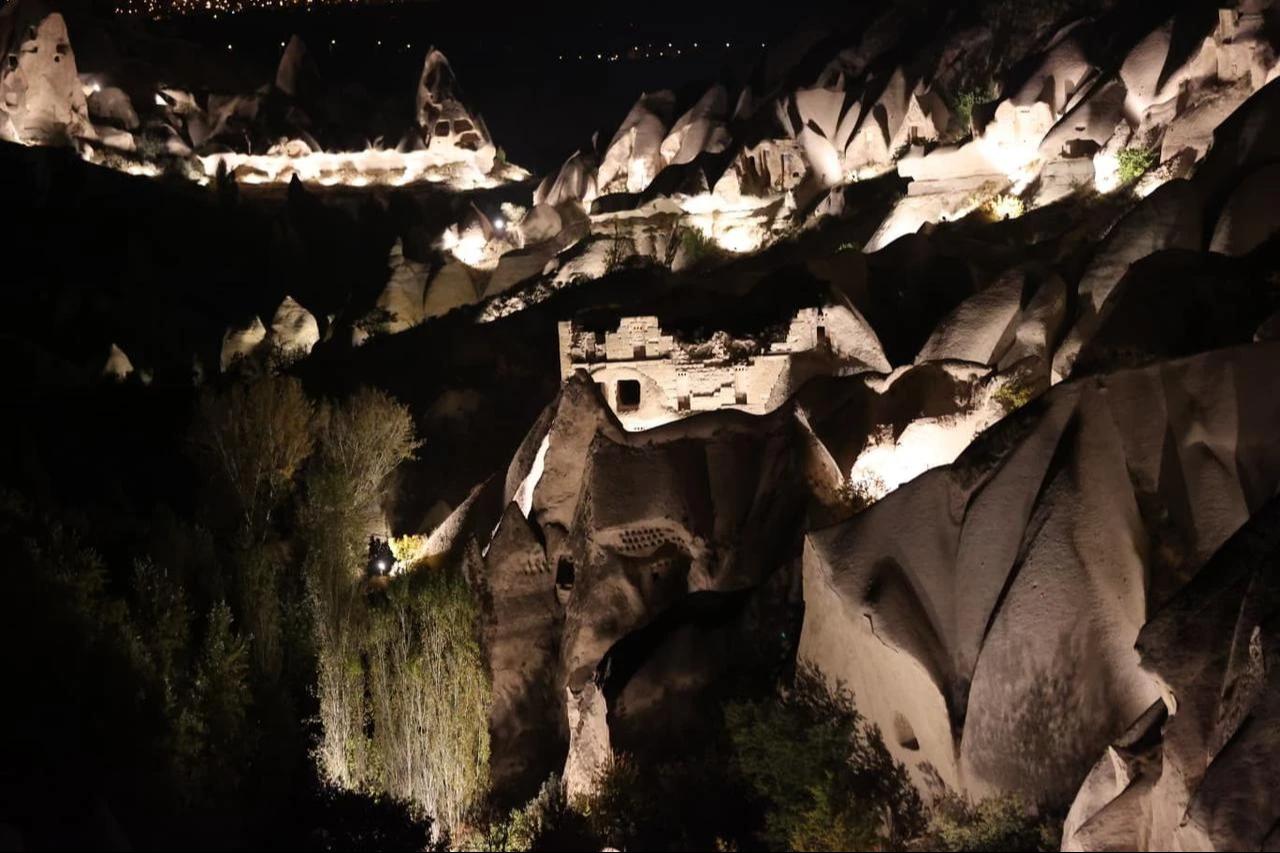
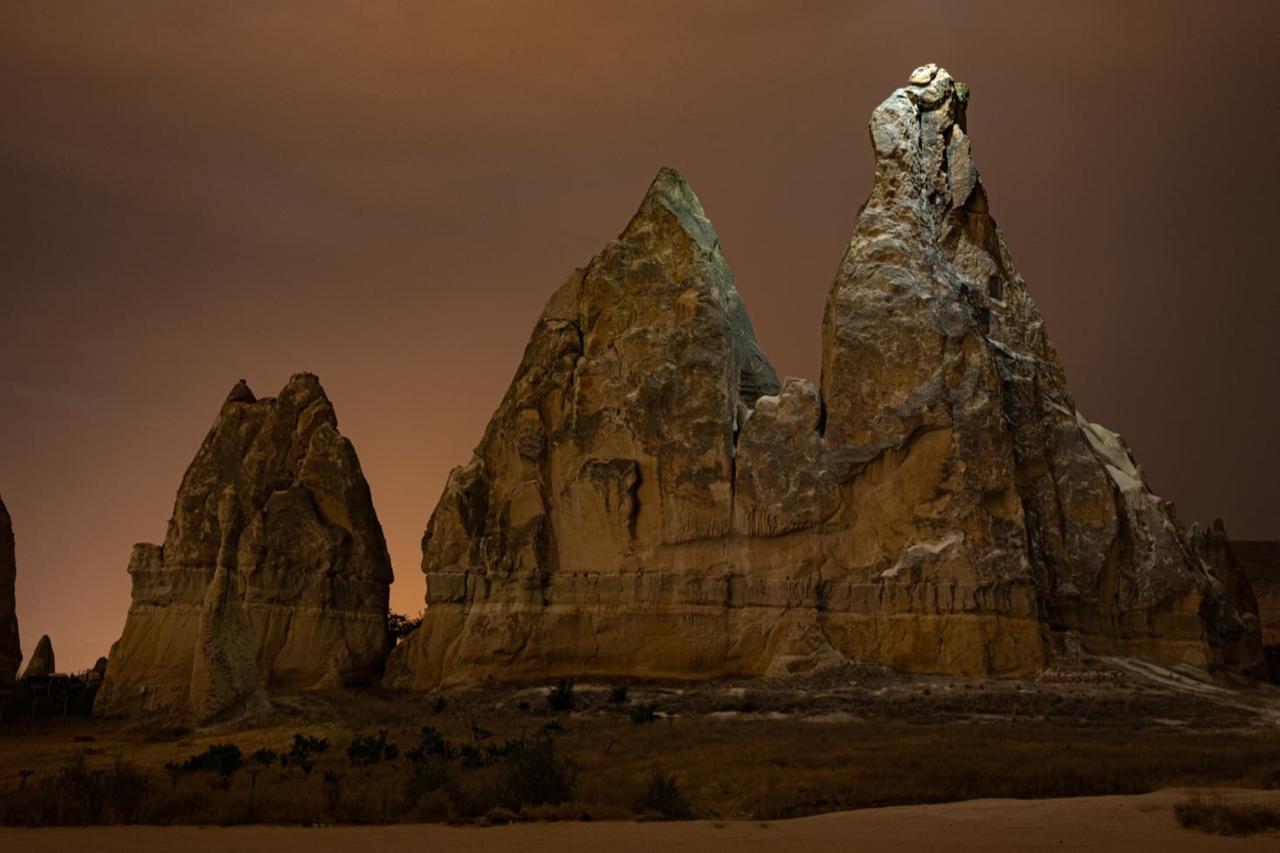
In Cappadocia, visitors can also enter Derinkuyu Underground City until 9:00 p.m. The rock-cut complex, which extends beneath the landscape and was used as a place of refuge by early Christian communities, brings an underground component into a program otherwise dominated by illuminated monuments and museums.
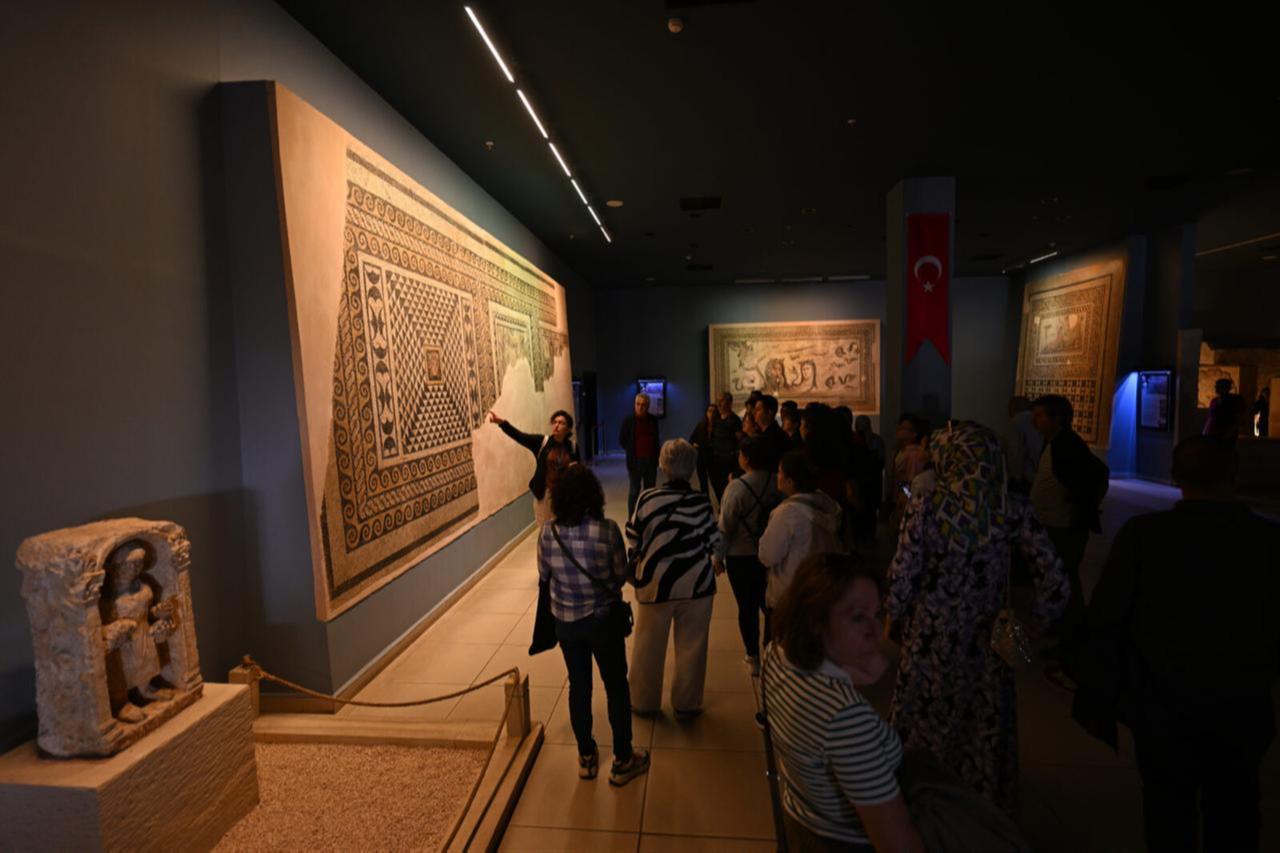
Ankara's Museum of Anatolian Civilizations, Gaziantep's Zeugma Mosaic Museum, and both the Sanliurfa Museum and Haleplibahce Mosaic Museum are among the other institutions remaining open later under the project.
 2 min read
With the third season now underway, Türkiye's Night Museums Project is bringing together archaeological cities, monumental landmarks and museum collections under a single extended-hours program, turning evening access into a recurring part of the country's summer cultural calendar.


 Set as preferred source
 Set as preferred source


 1 min read


