Newsletters


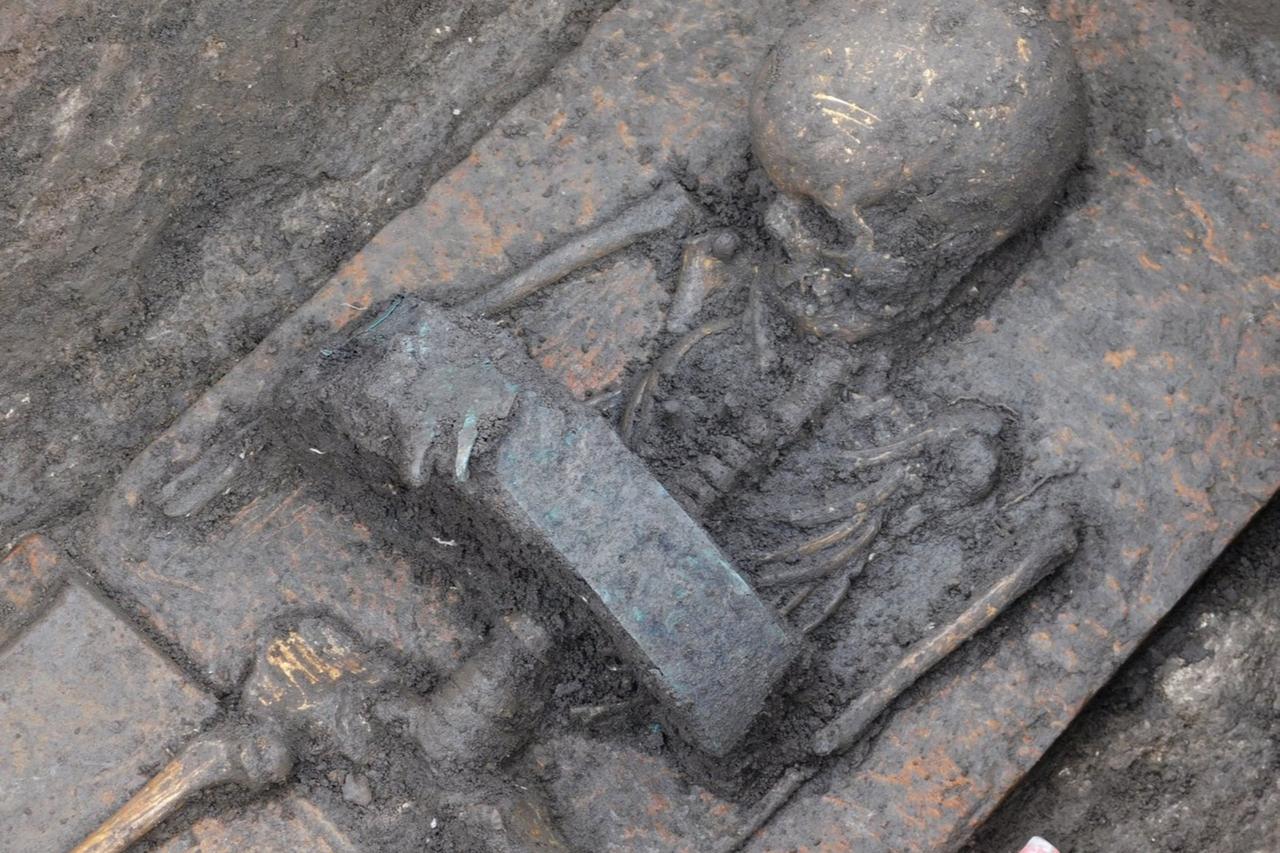


Archaeologists working in southwestern Italy have uncovered an unusual burial practice in an ancient necropolis where children were laid to rest with bronze warrior belts normally associated with adult fighters.
The graves, discovered near the modern town of Pontecagnano Faiano outside Salerno, date back to the fourth and third centuries B.C. and are linked to the Samnites, an ancient Italic people who once occupied parts of southern Italy.
The discovery emerged during preventive archaeological excavations carried out ahead of urban development in the area. The site, previously used by a tobacco factory, lies within the southern necropolis of the ancient settlement that eventually developed into Pontecagnano.
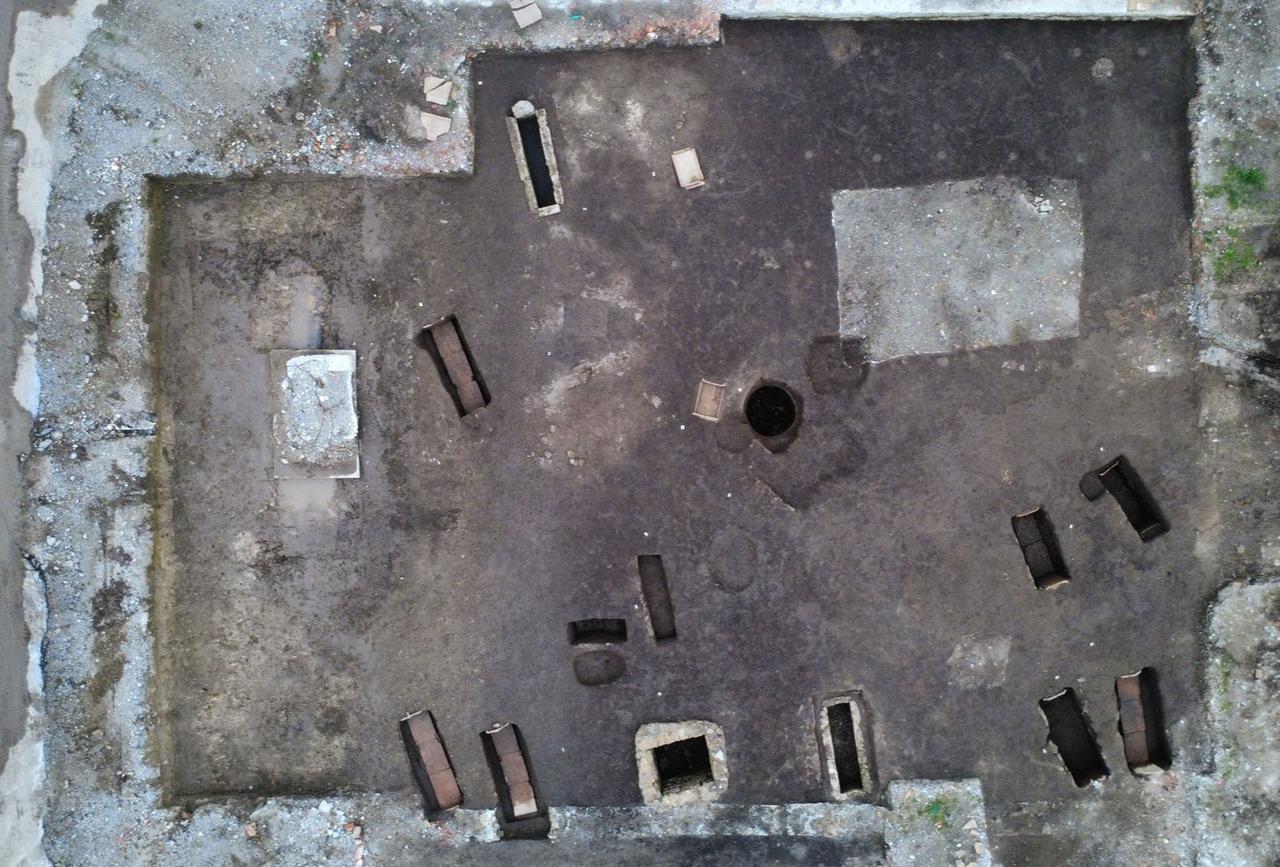
Archaeologists uncovered a total of 34 graves at the site, including 15 belonging to children who died between the ages of two and ten. The graves appear in small clusters, which researchers believe likely reflect family groups buried close to one another.
Most of the burials were simple earthen pits. These graves were typically covered with roof tiles arranged in a pitched formation, a method commonly used in ancient Mediterranean burial practices to protect the body.
However, three tombs stood out from the rest. These graves were built as stone box structures made from large blocks.
Two were constructed from travertine, a type of limestone often used in Roman architecture, while another was made from tufa, a porous volcanic stone. Because these materials were relatively expensive, archaeologists suggest that the individuals buried in these tombs likely belonged to wealthier families or held higher social status within the community.

The graves contained objects commonly associated with Samnite burial customs. Male burials included weapons such as spears and javelins, while female burials contained personal items like rings and fibulae, decorative brooches used to fasten clothing in antiquity.
Pottery vessels were also frequently found. These included small sets used during funerary offerings and ritual banquets, as well as containers designed to hold perfumes or ointments that formed part of burial ceremonies.
Together, these objects provide insight into the social roles and rituals of the Samnite people, whose communities occupied parts of what is now the Campania region during the centuries before Roman expansion.
Among the discoveries, two graves drew particular attention. They belonged to children between the ages of five and ten who had been buried with bronze belts normally worn by adult warriors.
These were not ordinary belts but wide bronze bands decorated and designed to secure the tunic worn by adult men. In Samnite society, such belts were closely tied to warrior identity and social rank.
Because the belts appear only in the graves of these two children, archaeologists believe they may carry symbolic meaning. Researchers suggest that the objects could represent a warrior lineage being passed down symbolically to the next generation, even though the children had not yet reached adulthood.
Another interpretation suggests that the belts may have served a protective function in burial rituals. By placing them in the graves, families may have been signaling the child’s membership in a respected warrior lineage to supernatural forces believed to inhabit the underworld.


 Set as preferred source
 Set as preferred source



 3 min read