Newsletters


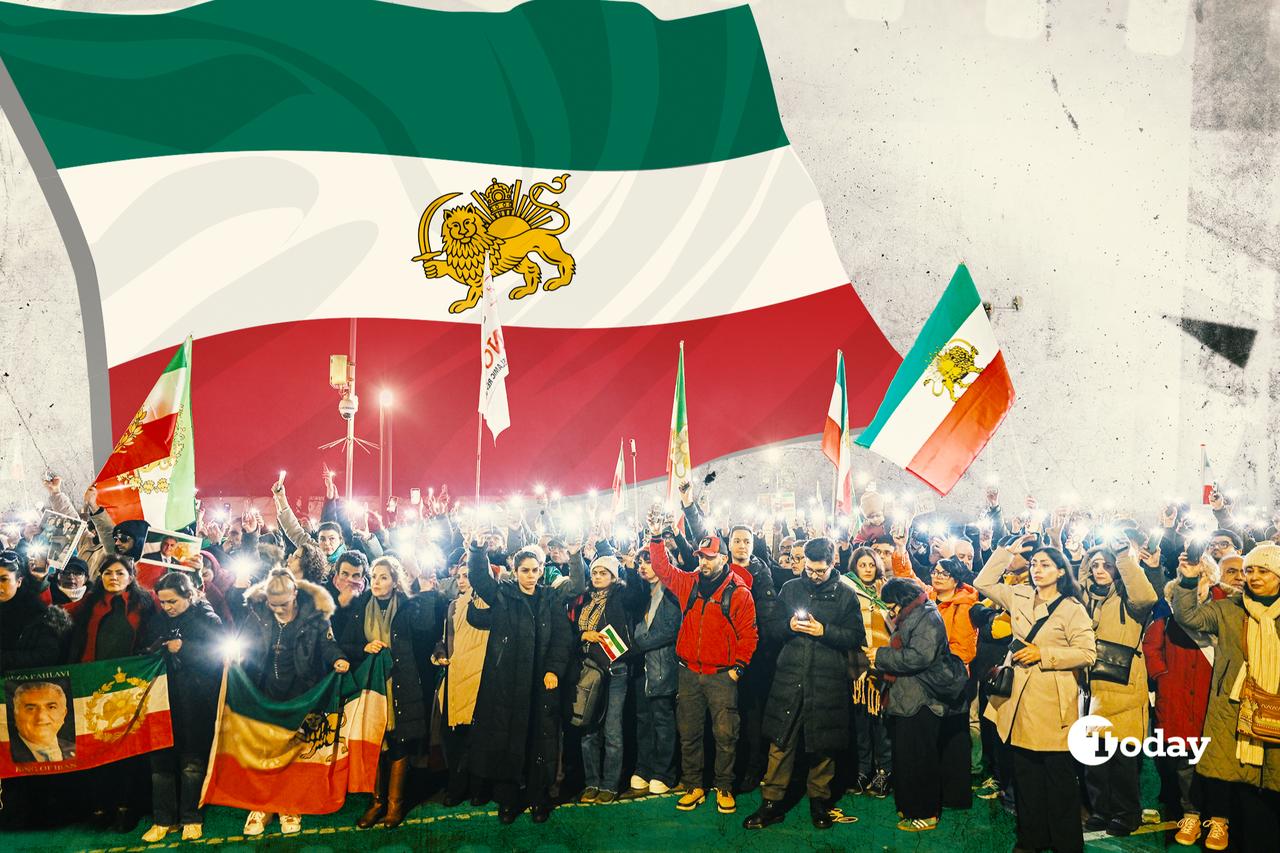


The Iranian flag used before the 1979 Islamic Revolution, featuring the Lion and Sun emblem, has reemerged in recent protests inside Iran and in demonstrations held by Iranian communities abroad. Its reappearance has drawn renewed attention to the long historical journey of this symbol and to the political meanings now being attached to it.
The Lion and Sun motif reflects both ancient and modern Iranian traditions. It became widely used in Iran from the 12th century onward and was largely shaped by astronomical and astrological symbolism. Over time, it evolved from a cultural motif into a state emblem that would remain central to Iranian visual identity for centuries.
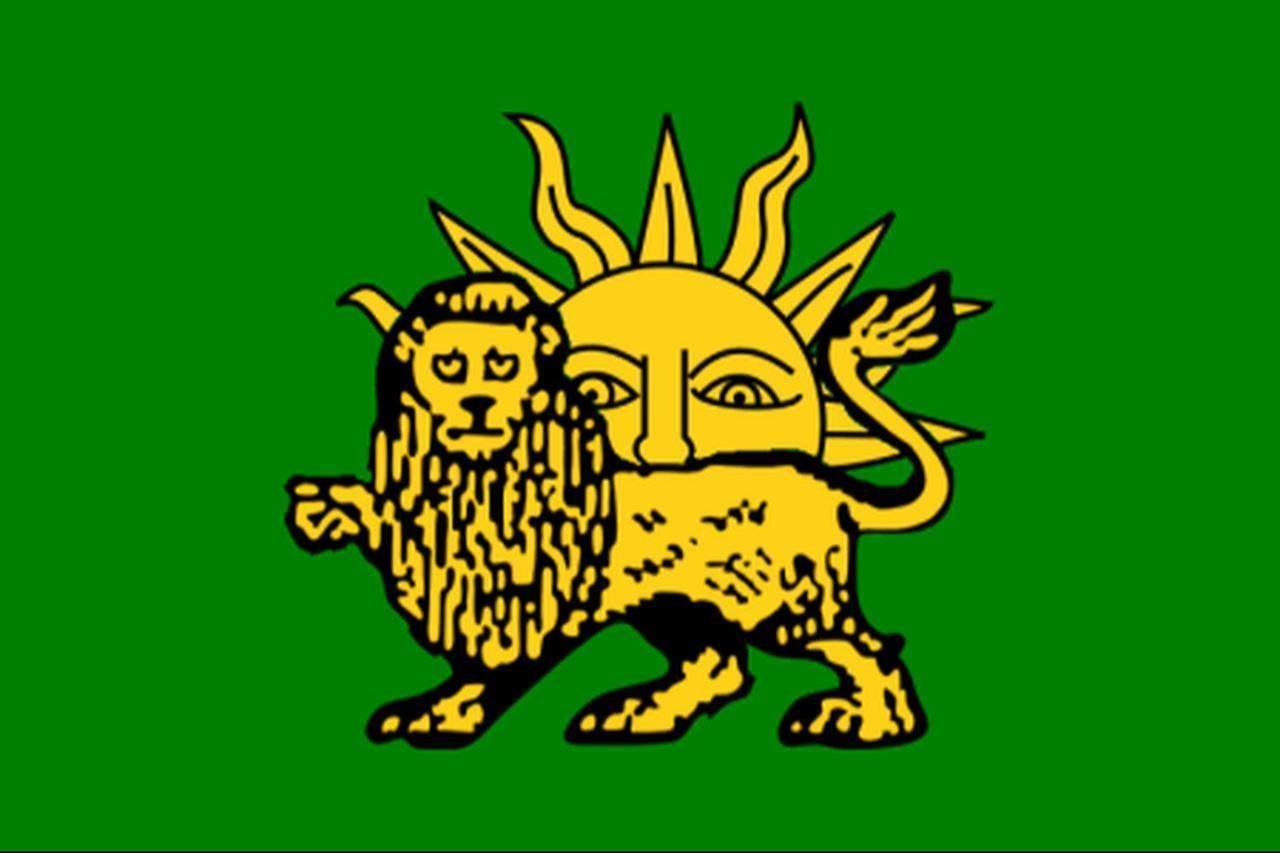

The Lion and Sun first appeared on an official Iranian flag during the Safavid dynasty in the 16th century. Safavid banners typically displayed a golden lion standing before a sun with a human face, placed on a green background. In this period, the emblem was understood as representing two foundational pillars of society: state authority and Islam.
During the reign of Shah Tahmasp II, a ram symbol was briefly added to the flag, referencing the rulers birth under the zodiac sign Aries. After this period ended, the design reverted to the green field with the Lion and Sun. The colors later associated with the Iranian flag were already gaining meaning, with green linked to Islamic belief, white to innocence, and red to courage.
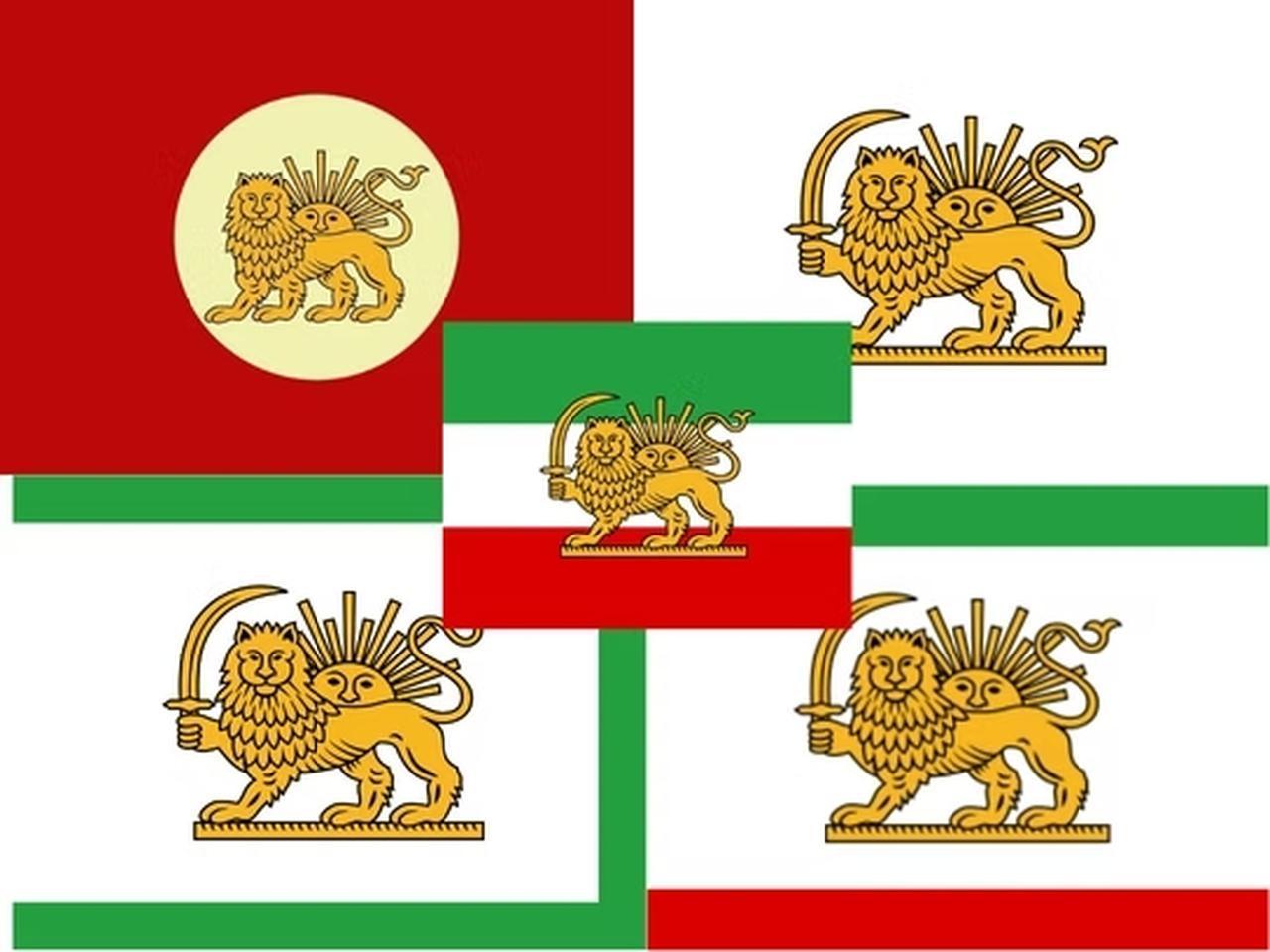
Under the Zand dynasty, Iran adopted a triangular standard featuring three horizontal stripes in green, white, and red, combined with the golden Lion and Sun emblem. These colors came to represent faith, peace, and heroism, while the emblem itself continued to signal sovereignty and monarchical legitimacy.
With the rise of the Qajar dynasty at the end of the 18th century, the flag design underwent further changes. Early Qajar banners included a yellow Lion and Sun on a red background. Over time, the familiar green-white-red tricolor emerged, with the emblem placed at the center of the white band. Following the 1906 Constitutional Revolution, this design was formally defined in law, confirming the Lion and Sun as the official state symbol.
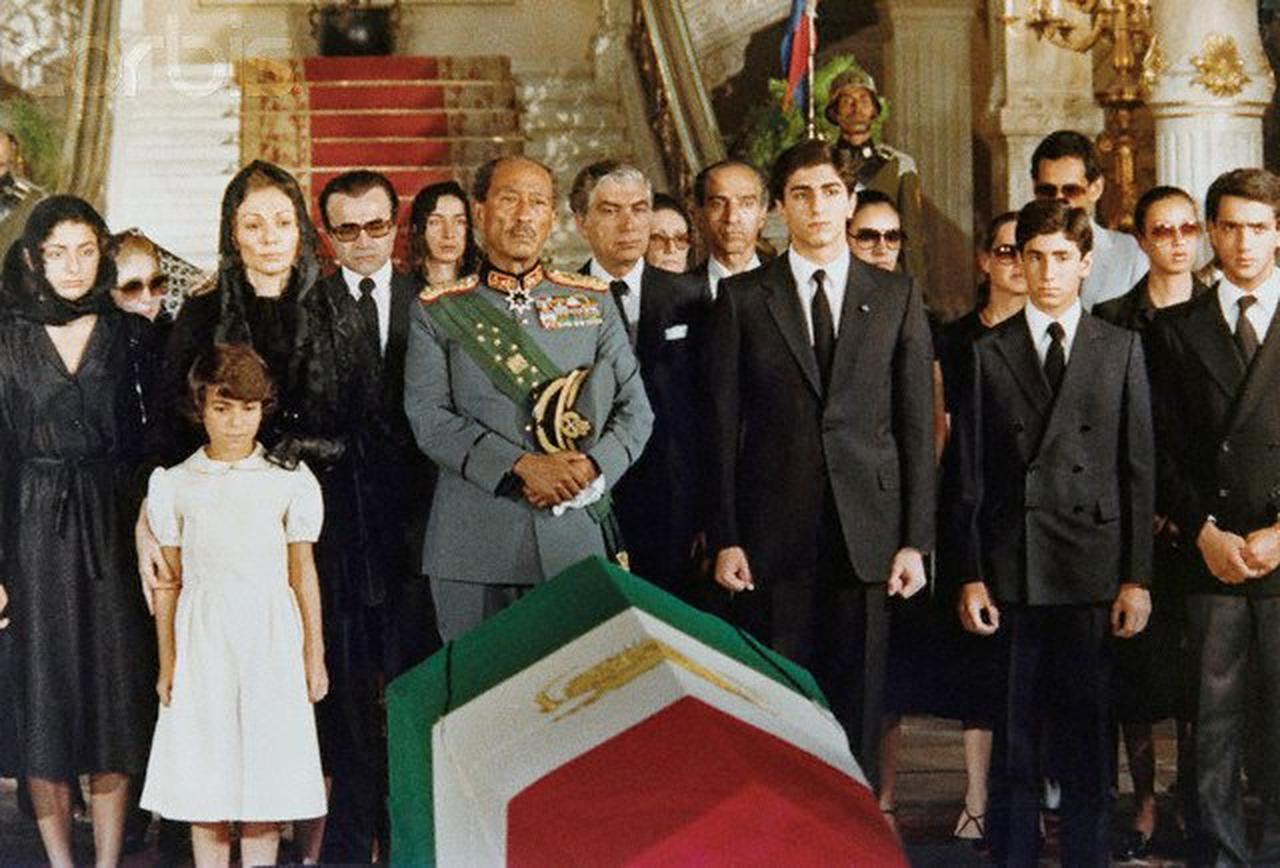
The Pahlavi dynasty retained the tricolor flag and the Lion and Sun emblem, while standardizing its appearance. In the 20th century, the colors were darkened, the suns face was simplified, and the flags proportions were revised. The final standardized version remained in use until the 1979 Iranian Revolution.
After the revolution, monarchical symbols were rejected. The pre-revolution flag was banned, and the current flag of the Islamic Republic replaced it. Despite this, the Lion and Sun never disappeared from public memory.
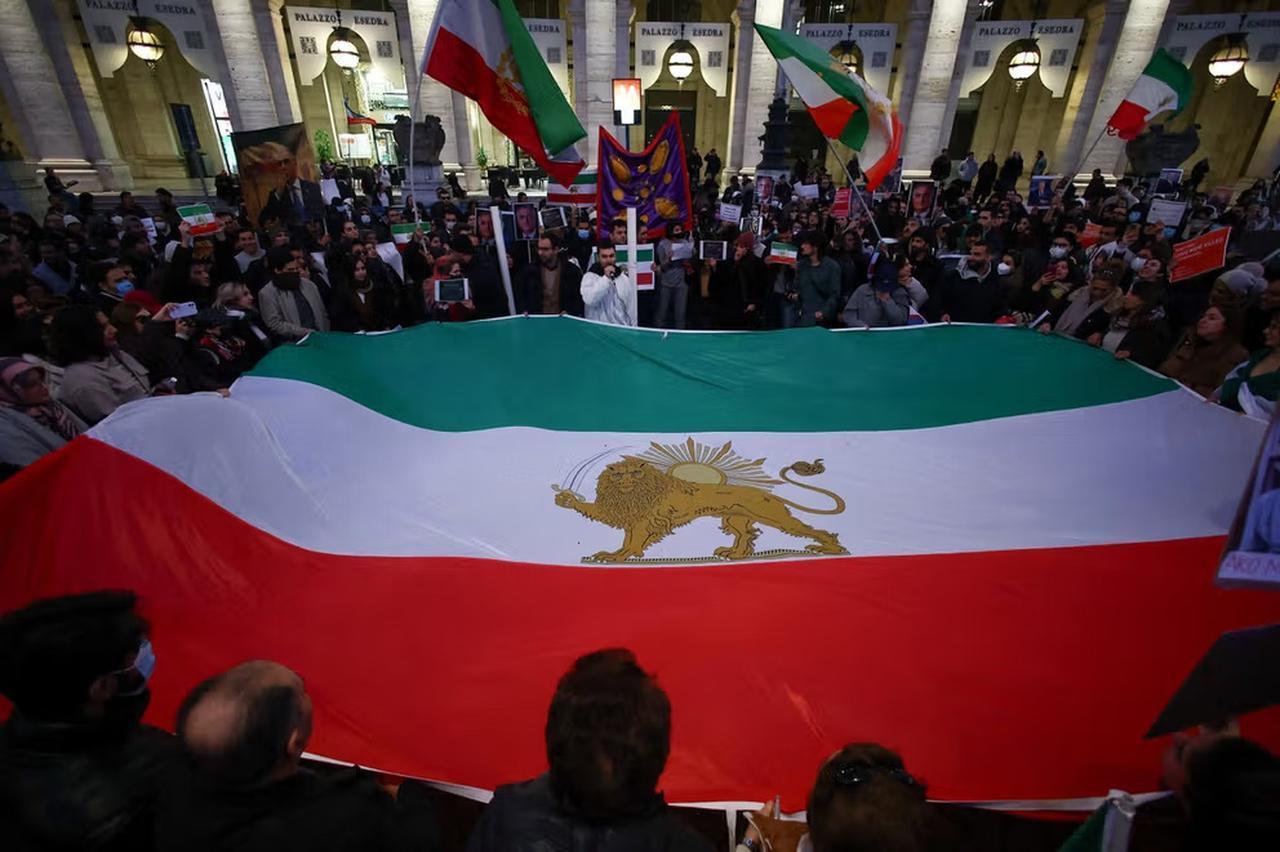
In current protests, the reappearance of the pre-1979 flag has been interpreted as a reference to Irans political order before the Islamic Republic.
The lion holding a sword, once a state emblem, has become a visual marker used by some protesters and supporters abroad to express opposition to the current system and to invoke an alternative historical reference.
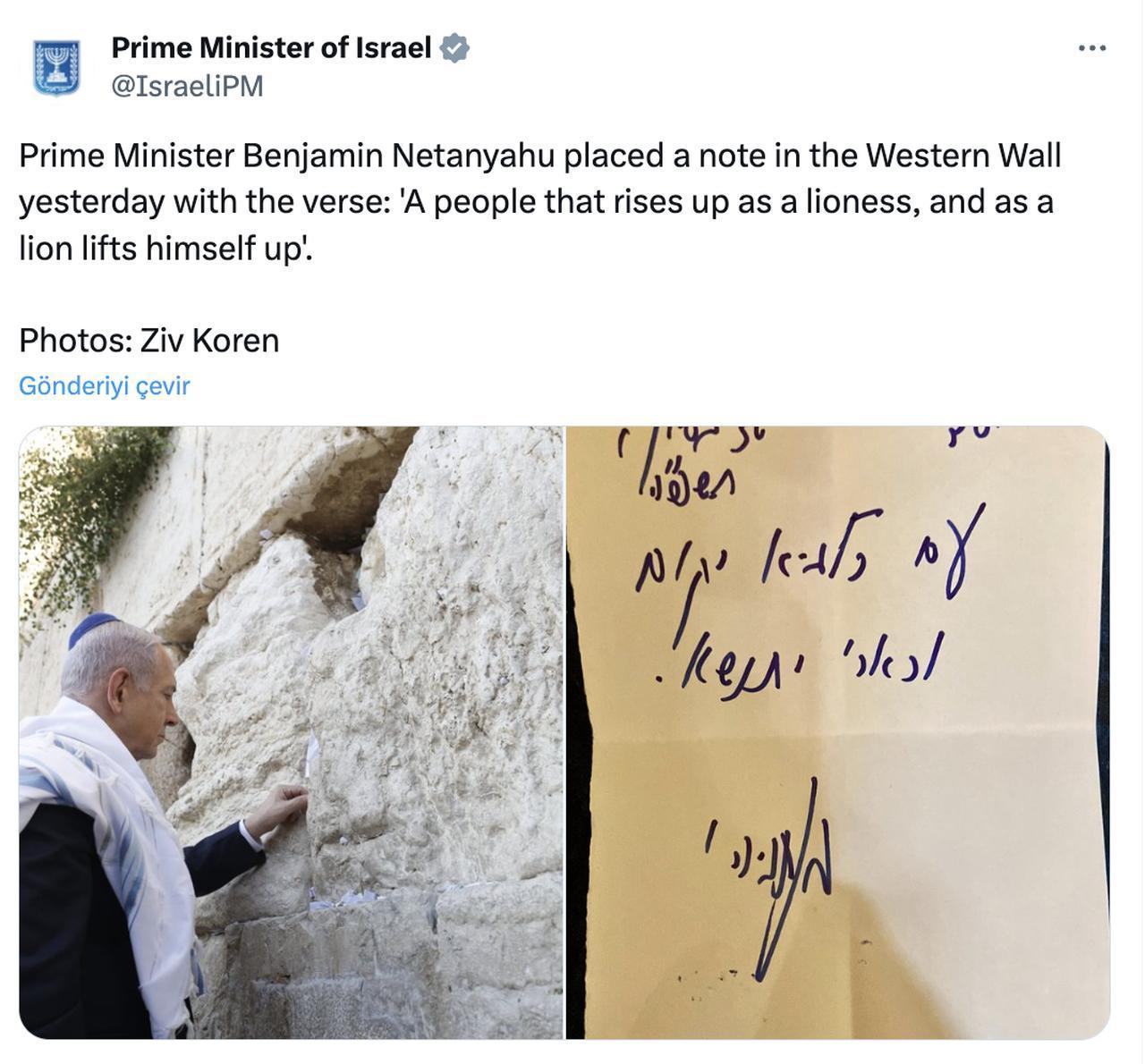
Discussions following recent Israeli attacks on Iran have also highlighted the symbolic use of the lion image. A previous Israeli operation was named “Rising Lion,” and on 13 June, Israeli Prime Minister Benjamin Netanyahu visited the Western Wall hours before an attack and left a note quoting a biblical verse describing a people rising like a lion.
The verse, drawn from the Bible, speaks of a people that will not rest until it has prevailed. Some post-attack assessments suggested that Israels use of lion imagery, alongside references to strength and awakening, may have been aimed at challenging Irans image of power and encouraging internal unrest.


 Set as preferred source
 Set as preferred source


 3 min read