Newsletters


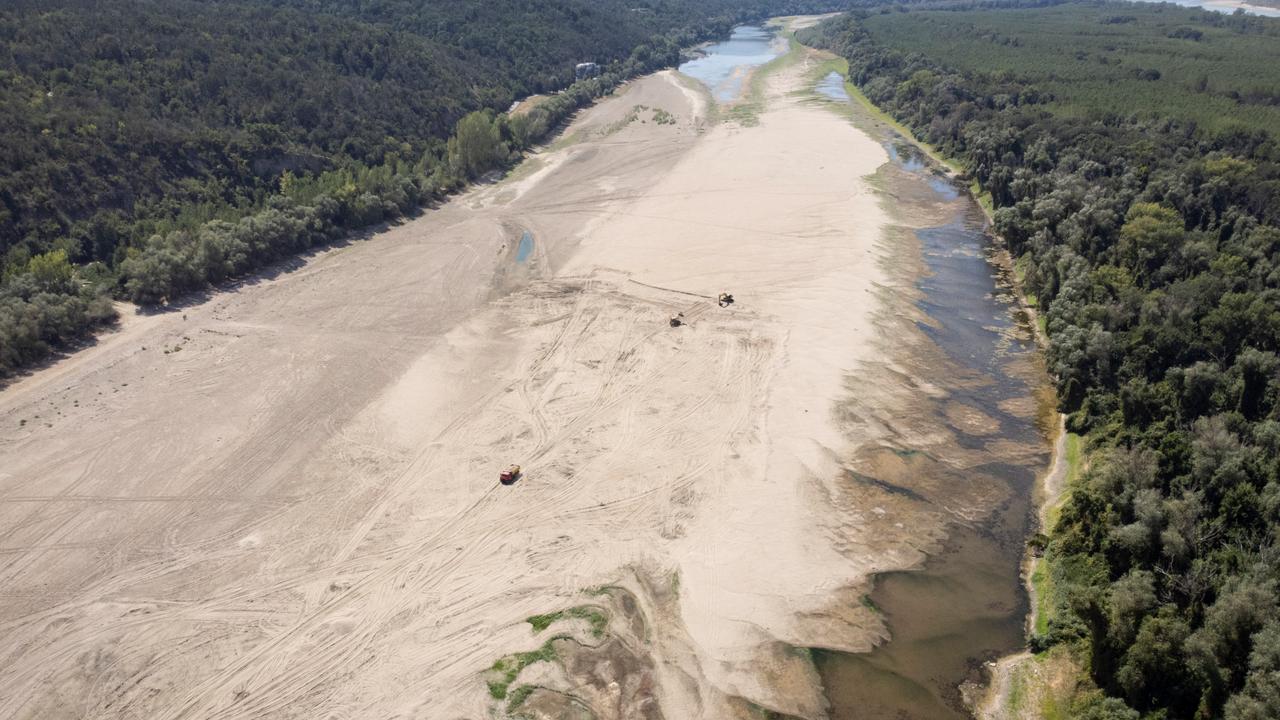
As Europe's historic drought pushes the Danube to record-low water levels, the receding riverbank in northern Bulgaria has begun revealing mammoth remains and other fossilized fragments that had stayed buried for thousands of years.
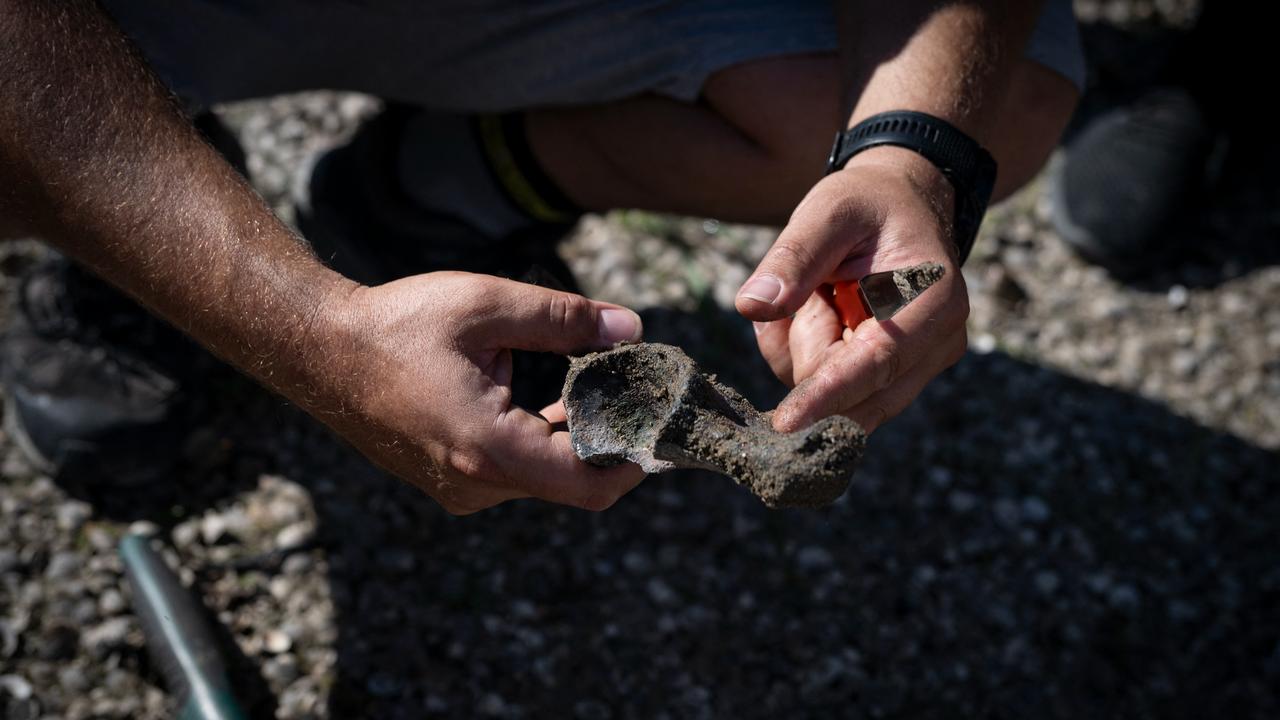
Near the Bulgarian village of Ryahovo, roughly 30 kilometers from the city of Ruse, a resident stumbled upon what museum specialists later identified as a mammoth jaw bone along with fragments of tusks, part of a shoulder blade, and a femur.
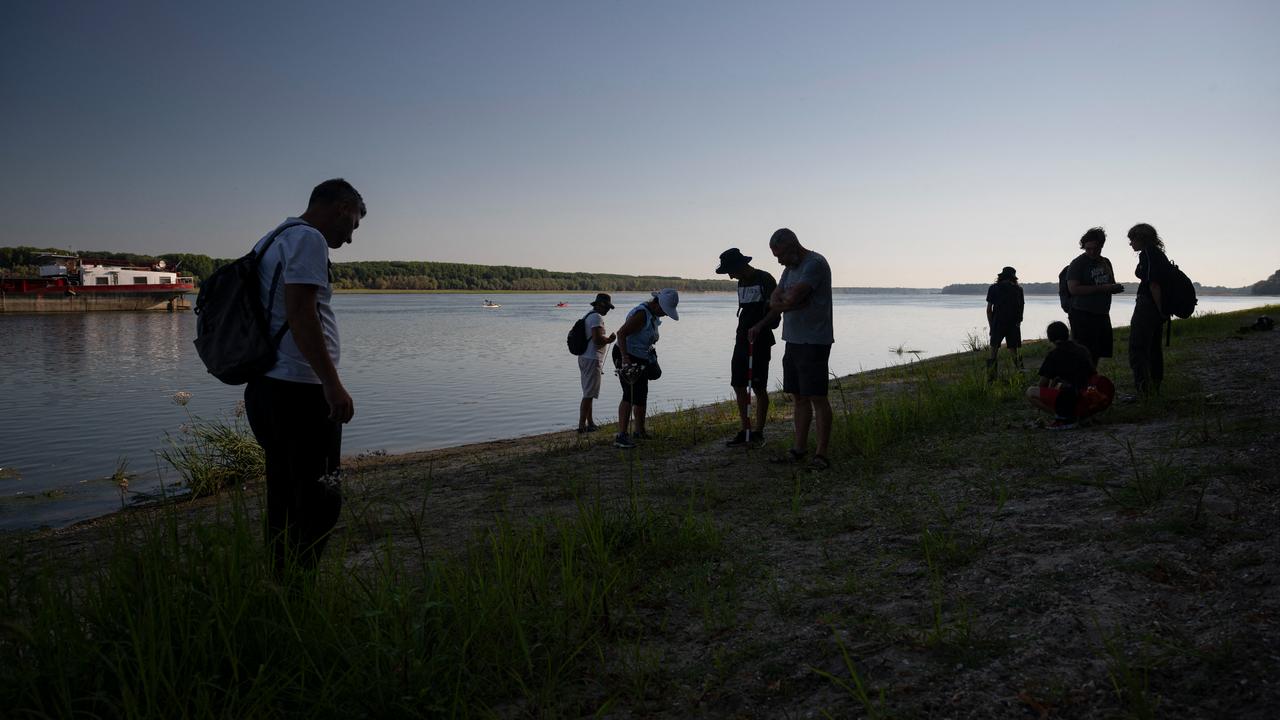
Following that discovery, the Ruse Regional History Museum organized a guided field search along the dried-up riverbank, drawing around 20 volunteers who lined up to scan the exposed sand for additional fossilized fragments.
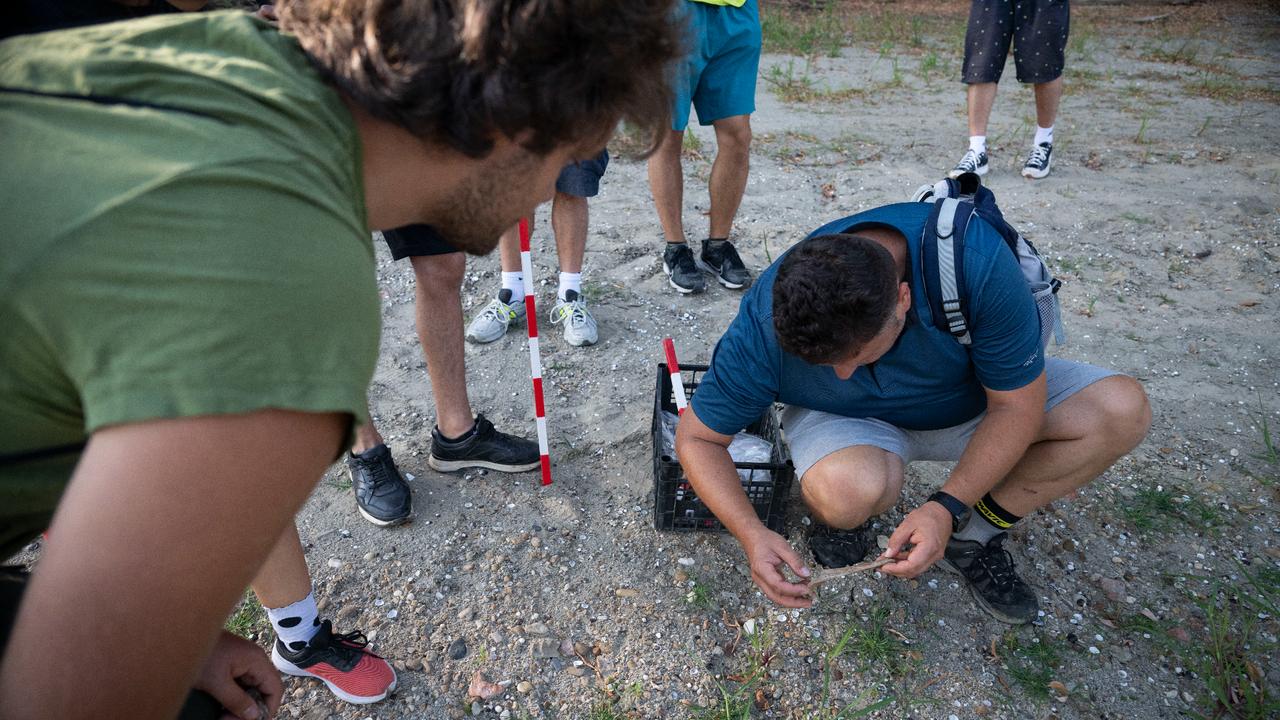
Among the volunteers was Aleksandar Denkov, a 30-year-old amateur photographer, who spotted a yellowish tooth protruding from the sand during the search.
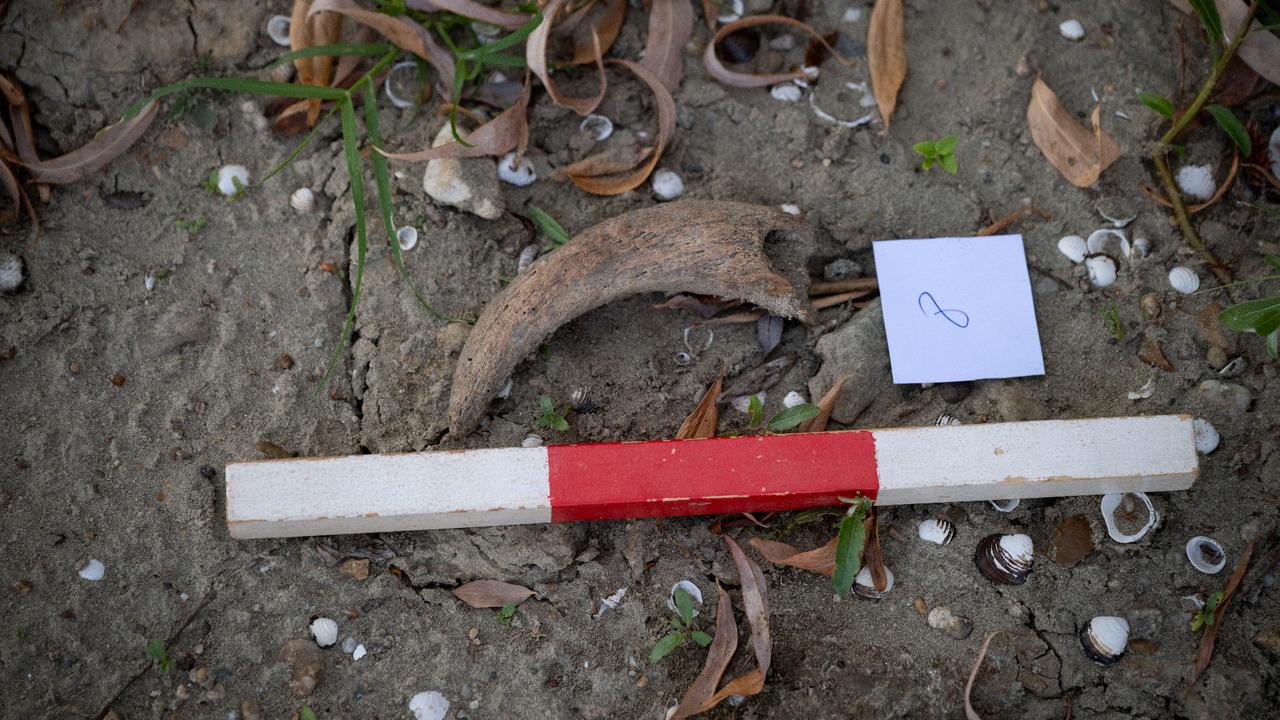
Although the group did not find further mammoth remains, they did uncover the bones of a mammal believed to be either an aurochs or a European bison, along with a horse jawbone in a sub-fossil state.
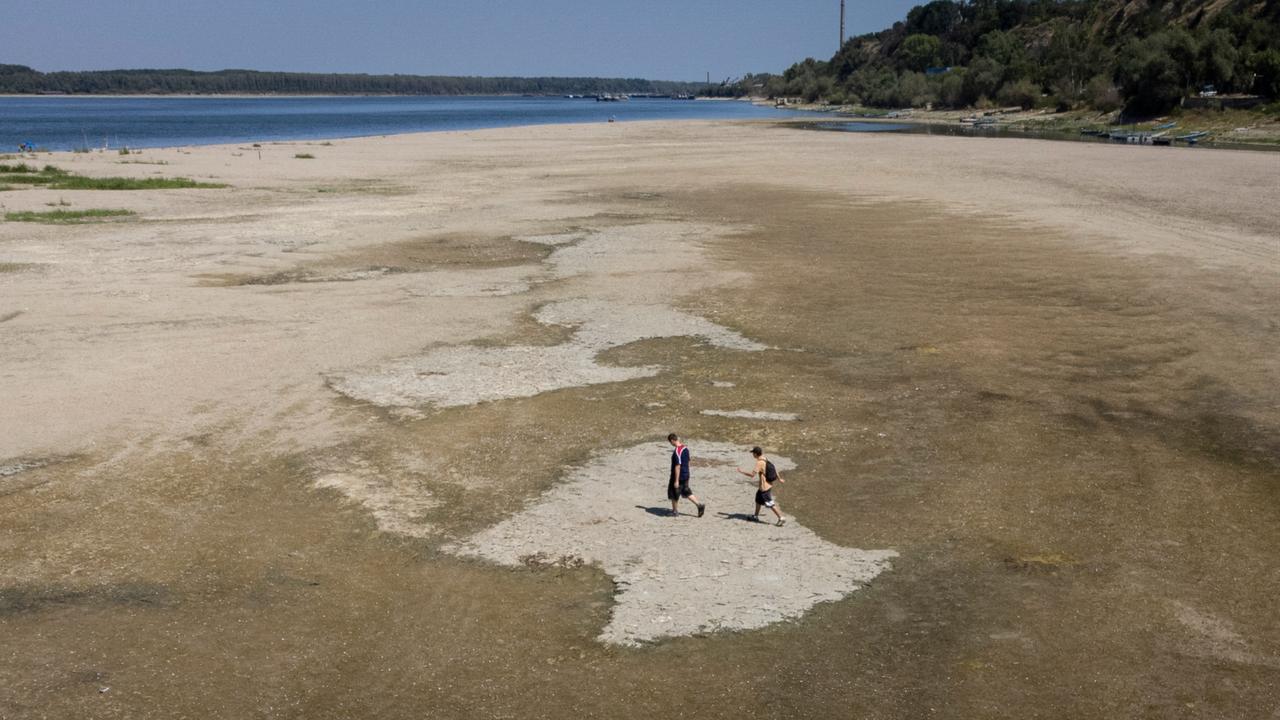
The search also turned up a cluster of fossilized oysters dating back approximately 60 to 65 million years, offering a glimpse into a period long before the mammoths that first drew attention to the site.
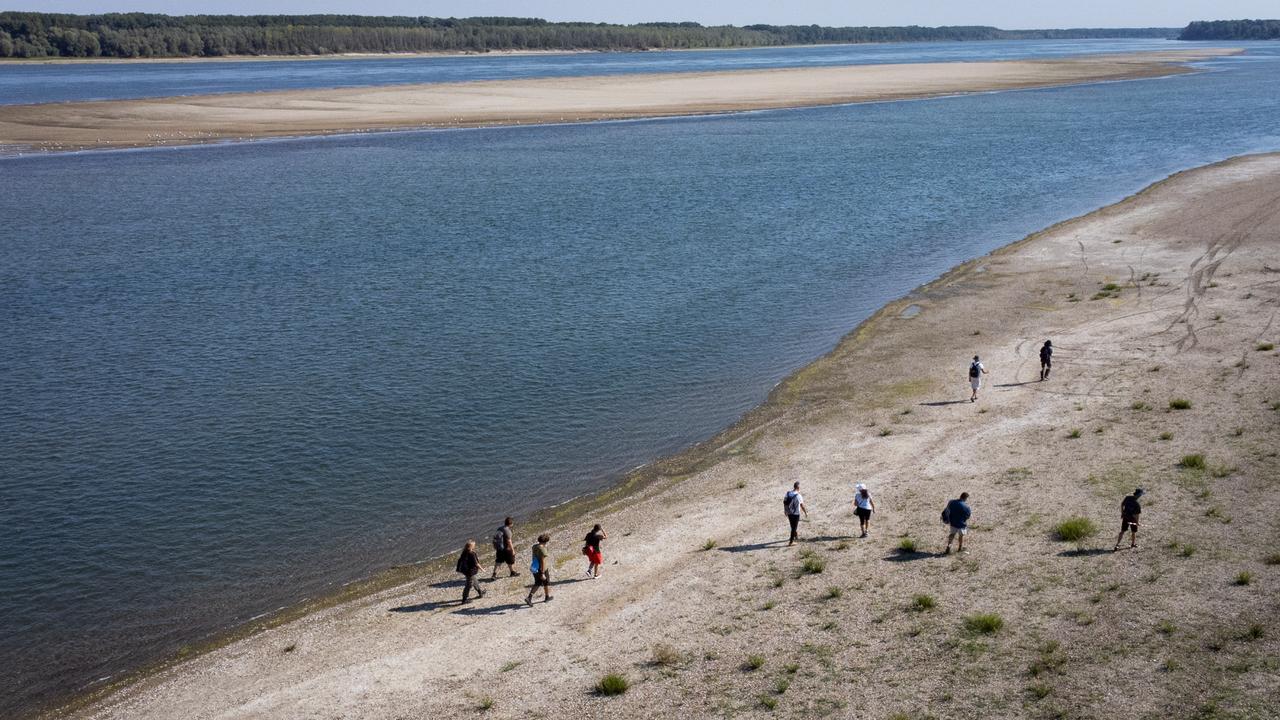
Museum curator Krasimir Kirov said the organized outing was meant to teach residents how to properly recognize historical finds, understand what they might encounter, and follow basic safety guidelines, particularly the instruction to avoid touching any metal objects that could turn out to be old ammunition or explosives.
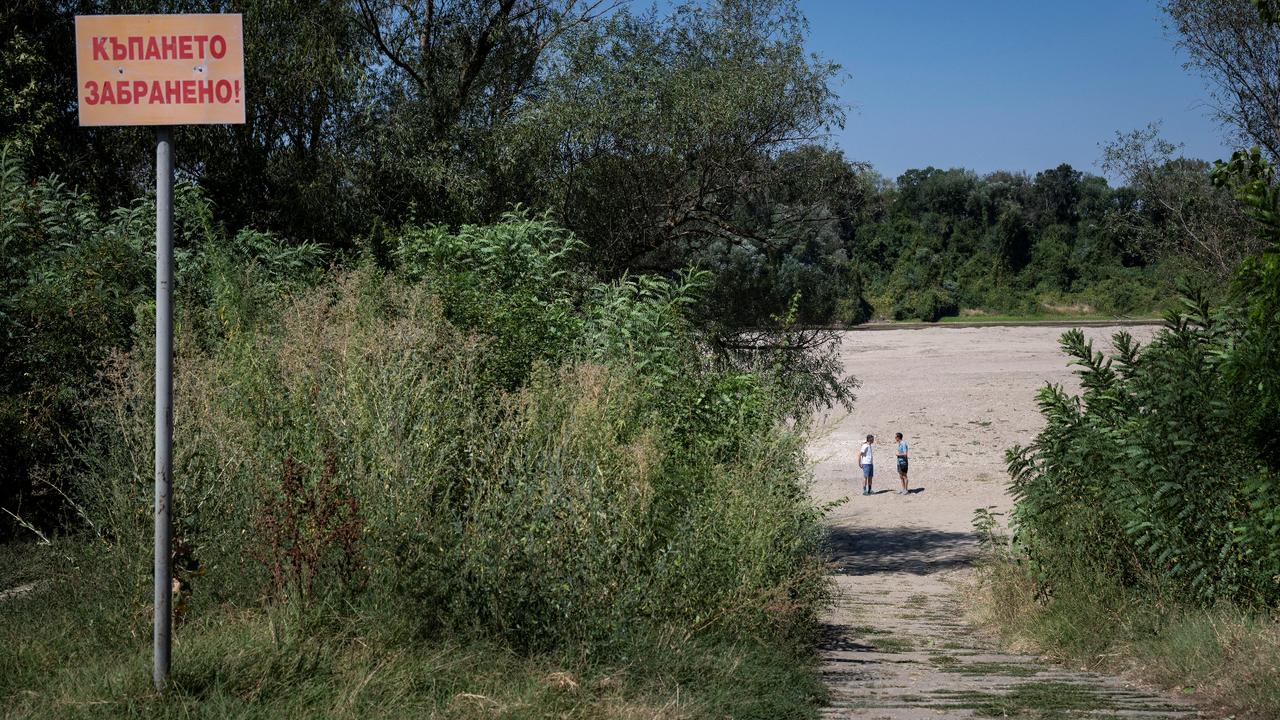
Kirov noted that after news of the mammoth discovery spread, he began receiving dozens of calls from residents reporting their own finds, which helped inspire the organized search near Ryahovo.
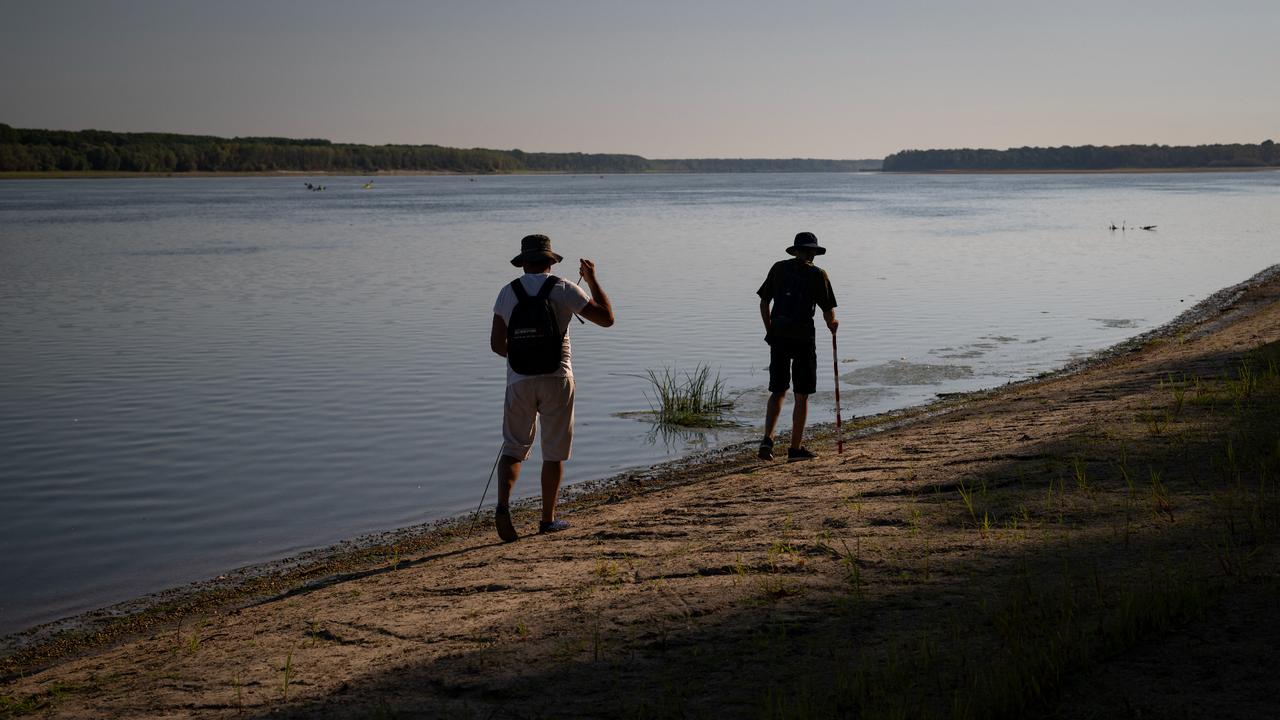
Participants described the experience as a rare chance to connect with history, even as many expressed concern over how dramatically the Danube's water levels had dropped compared to previous years.

 1 min read


 Set as preferred source