Newsletters


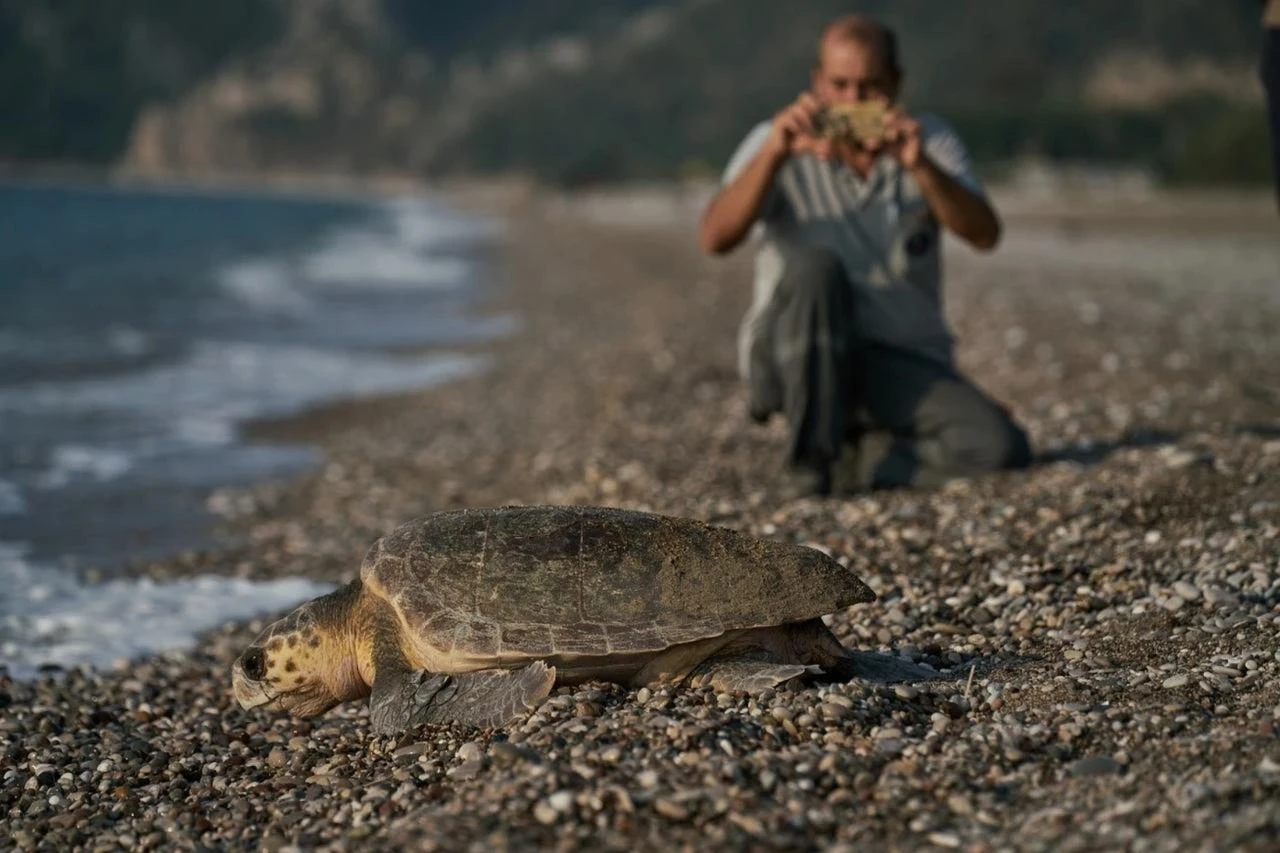


Sea turtles fitted with miniature sensors could help scientists fill critical gaps in ocean monitoring, improve estimates of tropical cyclone intensity and track the effects of climate change, according to research led by University of New South Wales Canberra oceanographer Christopher Chapman.
The approach uses turtles moving through the upper ocean as mobile observing platforms. As the animals dive, sensors record water temperature and depth, while GPS data show where each measurement was taken, potentially providing information from regions where conventional observations are scarce.
The findings are particularly relevant to tropical cyclones, which draw energy from warm surface waters but can also cool the ocean beneath them as powerful winds and waves mix warmer water with colder layers below.
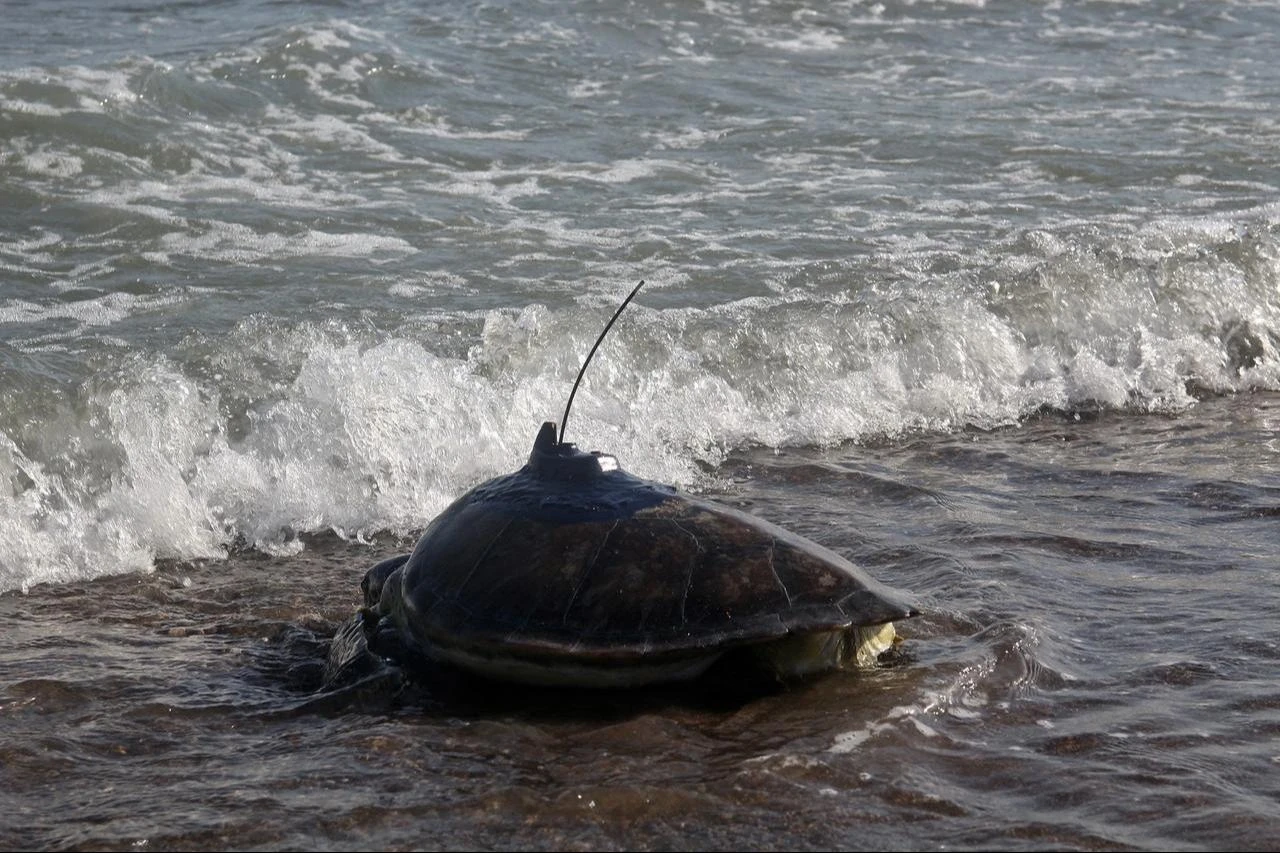

Collecting real-time ocean data during tropical cyclones is difficult because extreme winds and large waves can make research vessels and other monitoring equipment dangerous or ineffective to operate.
Chapman told Anadolu that sea turtles could provide an additional source of information in poorly observed tropical regions, although they would not replace existing monitoring systems.
One of the species included in the research, the Olive ridley, or Lepidochelys olivacea, is found throughout the tropics, including cyclone-prone areas such as southeastern Africa and the Bay of Bengal.
“These oceans are not well observed, and turtles could partially fill this data gap. However, they would never be more than one part of a global tropical cyclone observing system,” Chapman said.
The instruments used in the study were adapted from technology originally deployed on elephant seals in polar regions. Chapman said using similar equipment on sharks, whales or other animals would be more difficult because turtles and seals come onto land, allowing researchers to attach instruments more safely.
The study examined data collected by sensors attached to flatback turtles, or Natator depressus, and Olive ridleys off northern Australia. The animals recorded temperature profiles at depths reaching 80 meters.
During five tropical cyclones, tagged turtles gathered measurements within 120 kilometers of storm centers. The observations showed sea surface temperatures falling by as much as 3.2 degrees Celsius as the cyclones passed through.
Researchers then compared the turtle measurements with a modern ocean reanalysis model, which combines observations and modeling to reconstruct ocean conditions. In two of the five cases, the model underestimated how much the ocean surface cooled after the storm.
When the researchers incorporated the temperatures measured by the turtles, the estimated potential intensity of all five systems fell.
For cyclones 16U and Rusty, the difference exceeded 30%. Without the observed cooling, the systems would have had estimated potential intensities equivalent to Category 4 and Category 5 cyclones. With the turtle data included, those estimates fell to tropical-storm level and Category 2, respectively.
The study stressed, however, that these figures did not represent the cyclones' actual measured strength, but their potential intensity under the observed ocean conditions.
Chapman said one of the most surprising findings was the number of times tagged turtles came close to tropical cyclones.
“Many things surprised us, but mostly the number of turtle-cyclone encounters that we had!” he said.
Researchers now hope the dataset can also shed light on how turtles respond when storms move through their habitat, including whether they alter their movements to avoid cyclones or search for food in their wake.
Beyond storm forecasting, Chapman said sensor-equipped turtles could contribute observations from parts of the ocean where measurements are currently almost nonexistent.
“Turtles equipped with sensors could become a cost-effective and long-term component of a global ocean monitoring system,” he said.
If the monitoring network can be maintained, Chapman said the data could eventually be used to improve oceanographic and meteorological forecasts, monitor climate change and examine how turtles themselves respond to changing environmental conditions.


 Set as preferred source
 Set as preferred source


 2 min read