Newsletters


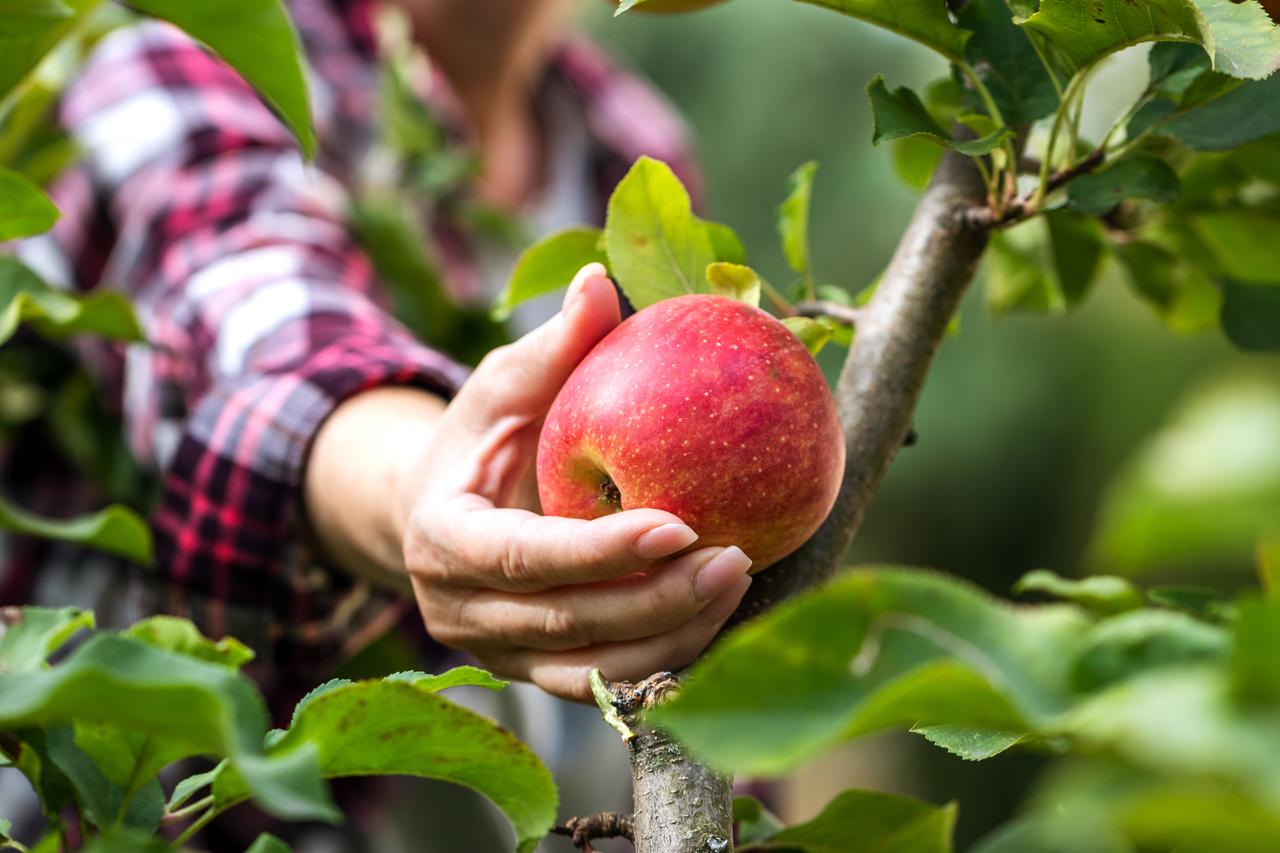


Climate change is reshaping global food systems, with rising temperatures and extreme weather straining crop yields, fisheries and the nutritional quality of food supplies, according to researchers tracking the shift.
In Colorado, a major U.S. wheat-producing state, this year's winter wheat crop illustrated the volatility. A warm, dry winter was followed by a 12-hour freeze, then temperatures near 32 degrees Celsius (90 degrees Fahrenheit) two days later.
By July, 73% of the crop was rated poor or very poor, marking the smallest harvest in the state since 1965, according to Colorado Wheat estimates.
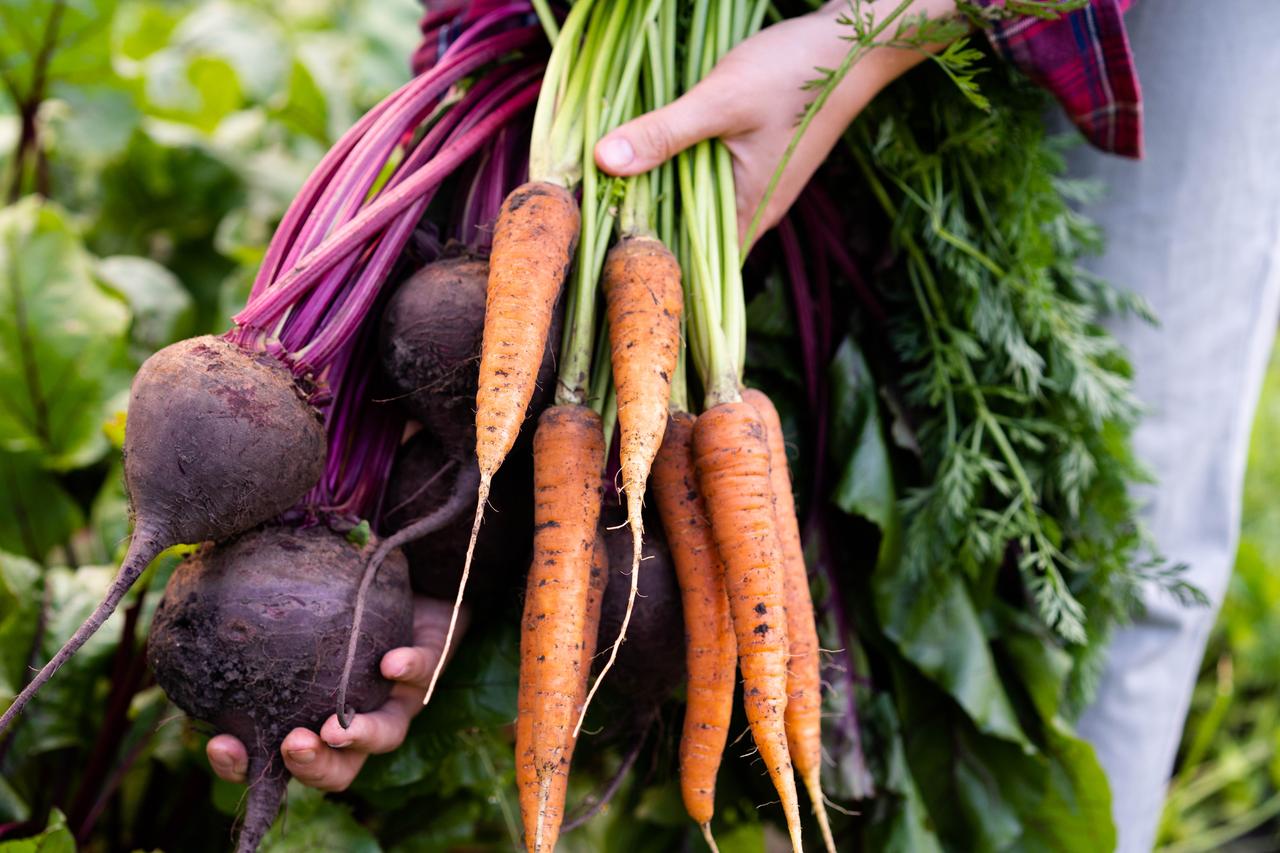

Beyond yield disruptions, rising carbon dioxide levels are making crops less nutritious. Global monthly average carbon dioxide concentrations now exceed 420 parts per million, up from a preindustrial average of 280 ppm, and are projected to reach at least 550 ppm by the end of the century in most scenarios.
A 2018 study found that by 2050, an additional 175 million people could become zinc deficient and 122 million people protein deficient.
Zinc deficiency is linked to weakened immune function and impaired growth in children, while protein deficiency can cause stunted growth, fatigue and muscle weakness.
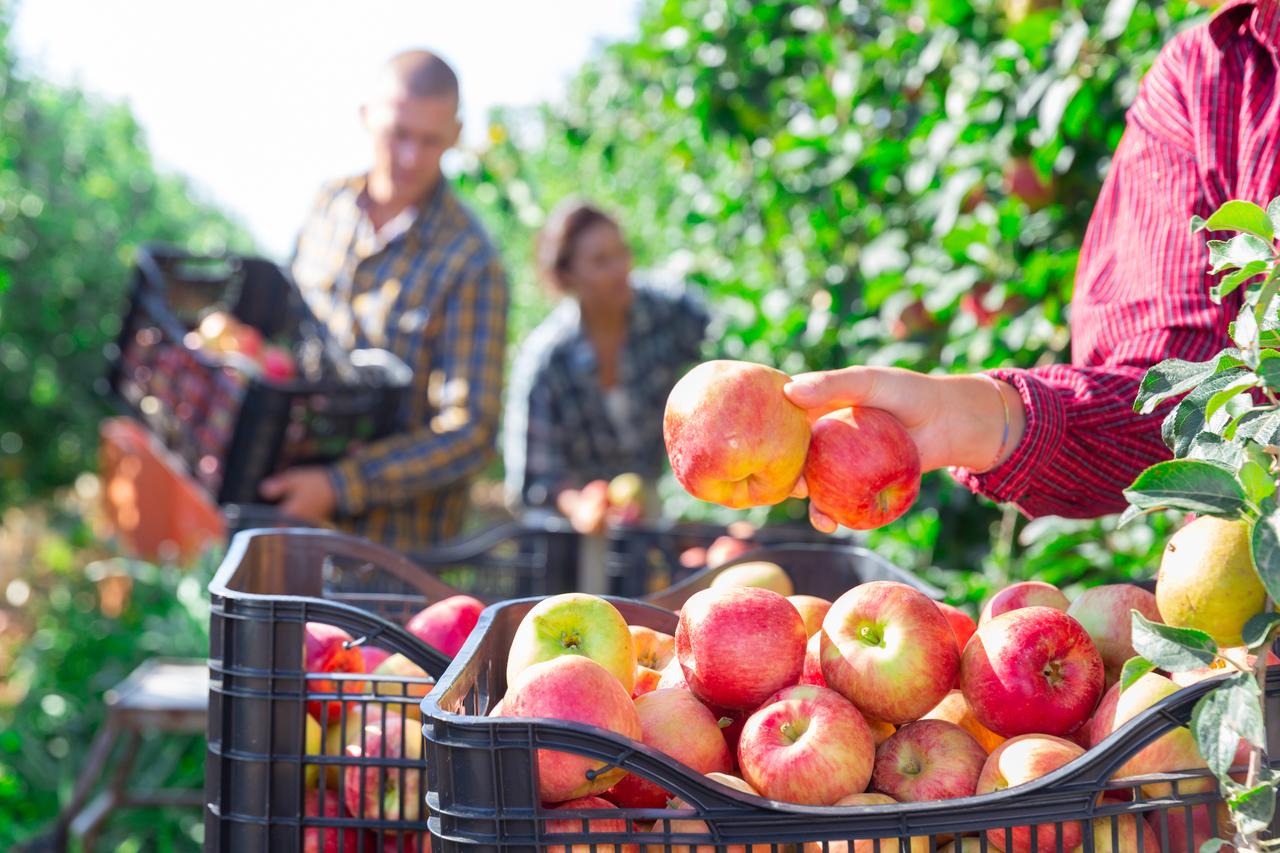
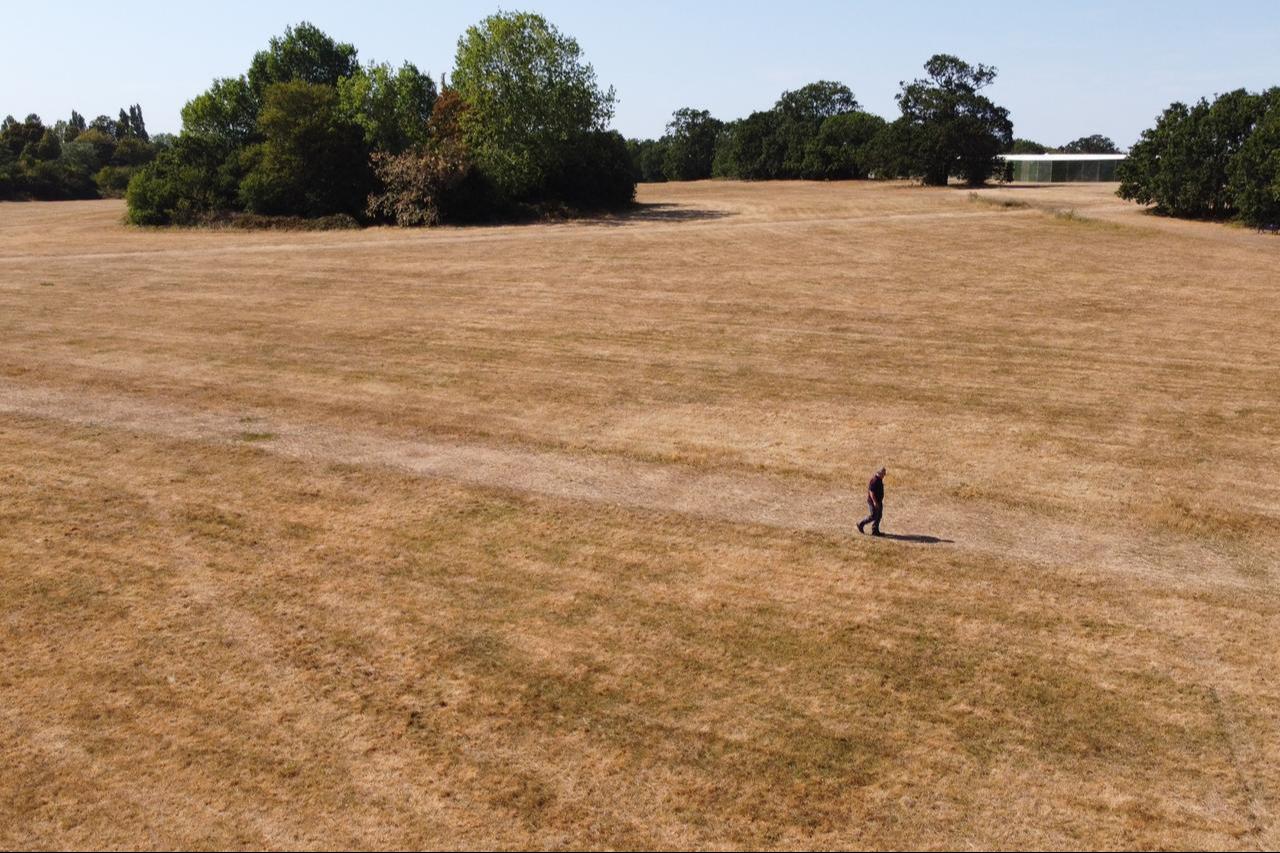
Extreme weather is compounding the problem. Droughts, storms and temperature swings are damaging crops in specific regions, contributing to year-to-year price spikes and shortages.
Rising sea levels are also increasing soil salinity in coastal farmland, particularly affecting rice-growing regions, while shifts in pollinator populations and the spread of plant pathogens are further reducing yields.
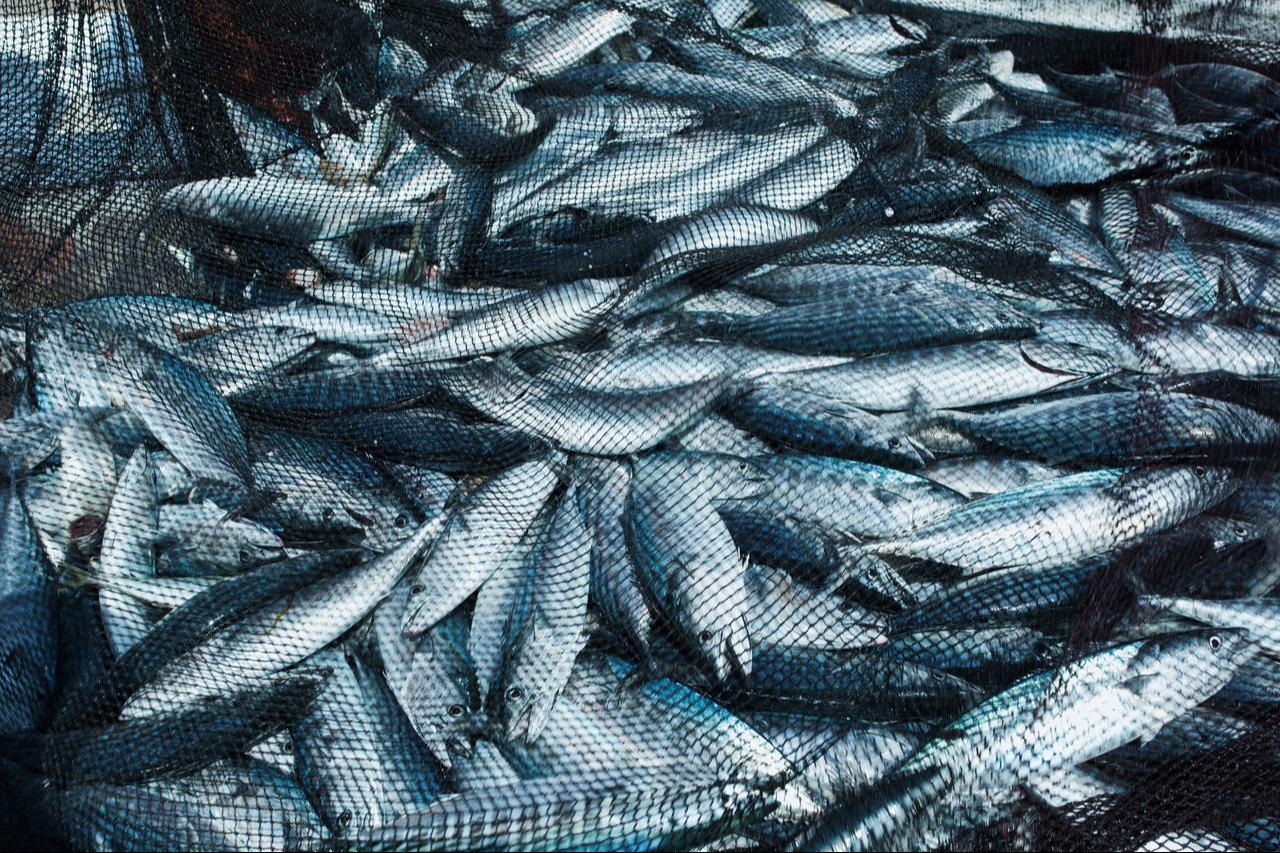
Ocean-dependent food systems face similar pressure. Ocean acidification and coral reef degradation are affecting food sources for coastal communities, and warmer seas are raising the risk of harmful algal blooms.
"Increasing sea temperature and increasing sedimentation within seas could lead to harmful algal blooms or increasing food poisoning events from temperature-related food spoilage," said Christopher Golden, a professor of nutrition and public health at the Harvard T.H. Chan School of Public Health.
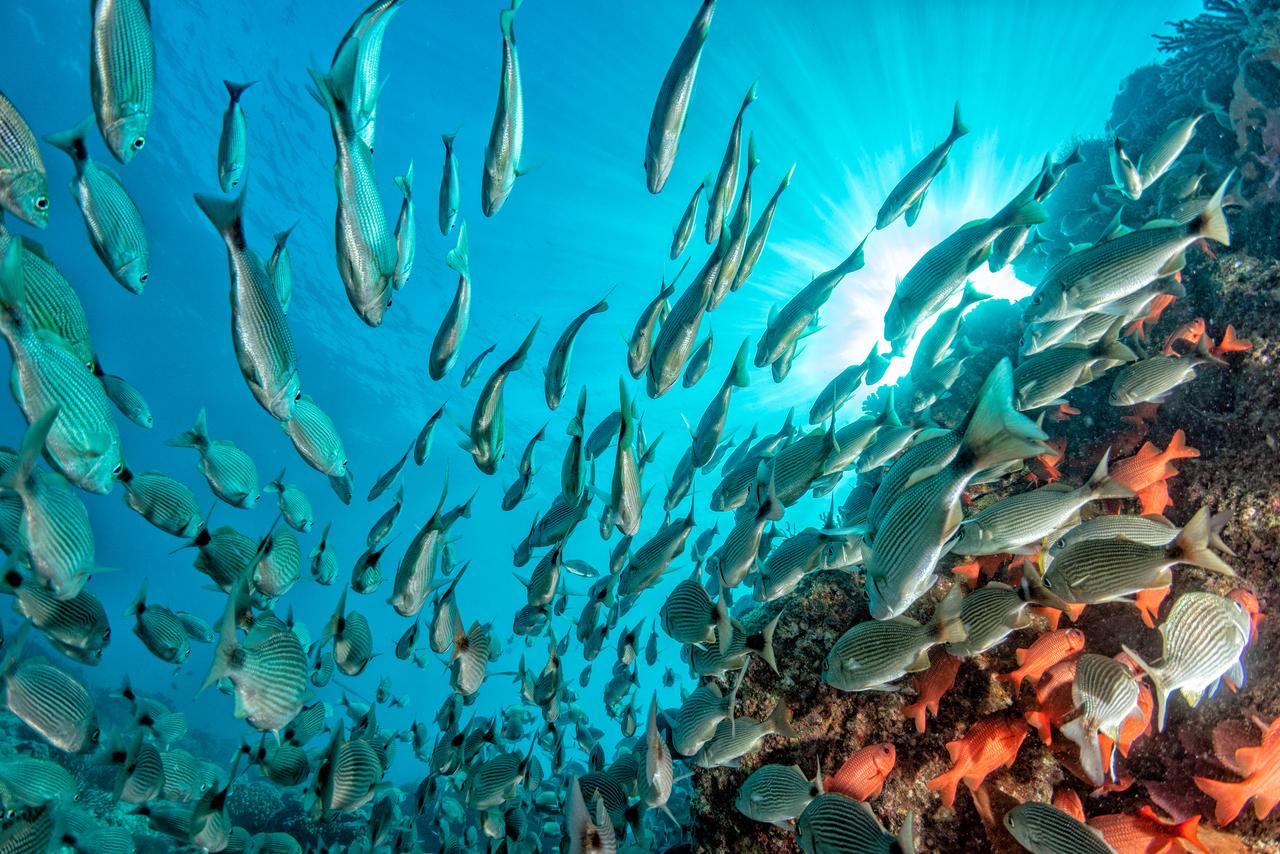
Fish populations are also moving toward cooler waters, with research indicating catches could decline by 58% to 92% around small Pacific islands and by 70% to 86% in Southeast Asia without mitigation measures.
Researchers have also identified longer-term risks, including the potential collapse of the Atlantic Meridional Overturning Circulation, an ocean current system that regulates temperatures across the Northern Hemisphere.
Studies suggest a collapse could push winter lows in London to minus 20 degrees Celsius (minus 4 degrees Fahrenheit) and reduce precipitation across Europe, while reversing wet and dry seasons in the Amazon.
Without a collapse, London is projected to warm by 2.7 degrees Celsius with increased precipitation. Scientists say significant uncertainty remains over whether and when such a collapse could occur.
Andrew Hultgren, an environmental economist at the University of Illinois Urbana-Champaign, said the effects extend to overall food availability.
"For each degree of that global temperature rise, caloric output from crops drops by 120 kilocalories or U.S. calories per person per day," he said, adding that the figure represents about 4.5% of a person's daily recommended caloric intake.
The calculation, published in the journal Nature in 2025, already accounts for farmer adaptations; without them, losses would be more than 30% higher.
Researchers note that adaptation measures, such as shifting to heat-resistant crop varieties and adjusting water use, could reduce caloric losses by up to 30%. The same research found that reducing greenhouse gas emissions could cut those losses by half.


 Set as preferred source
 Set as preferred source



 2 min read