Newsletters


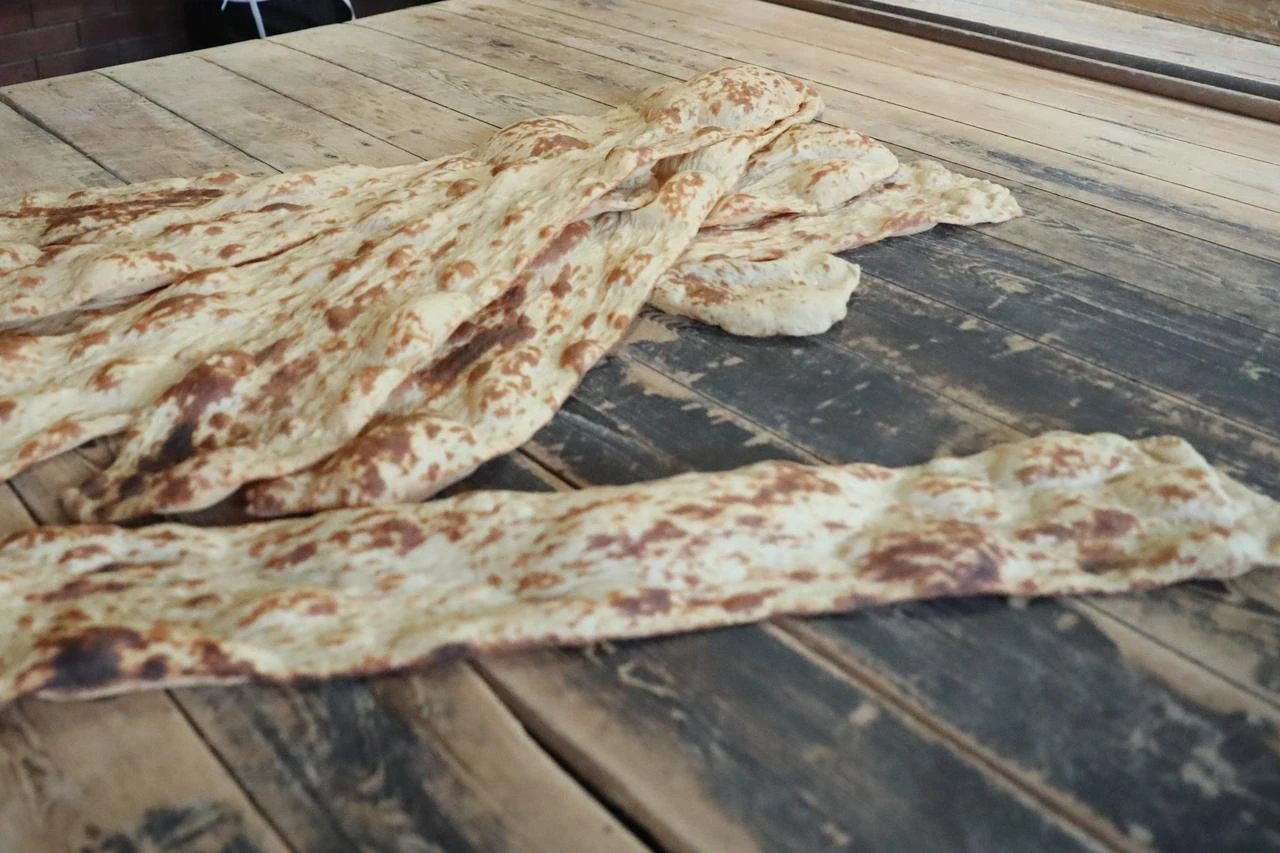


A centuries-old bread baked in wood-fired ovens in the Kemaliye district of Erzincan, a mountainous province in eastern Türkiye, is drawing growing demand from Turkish expats abroad, as officials pursue geographic indication status for the product.
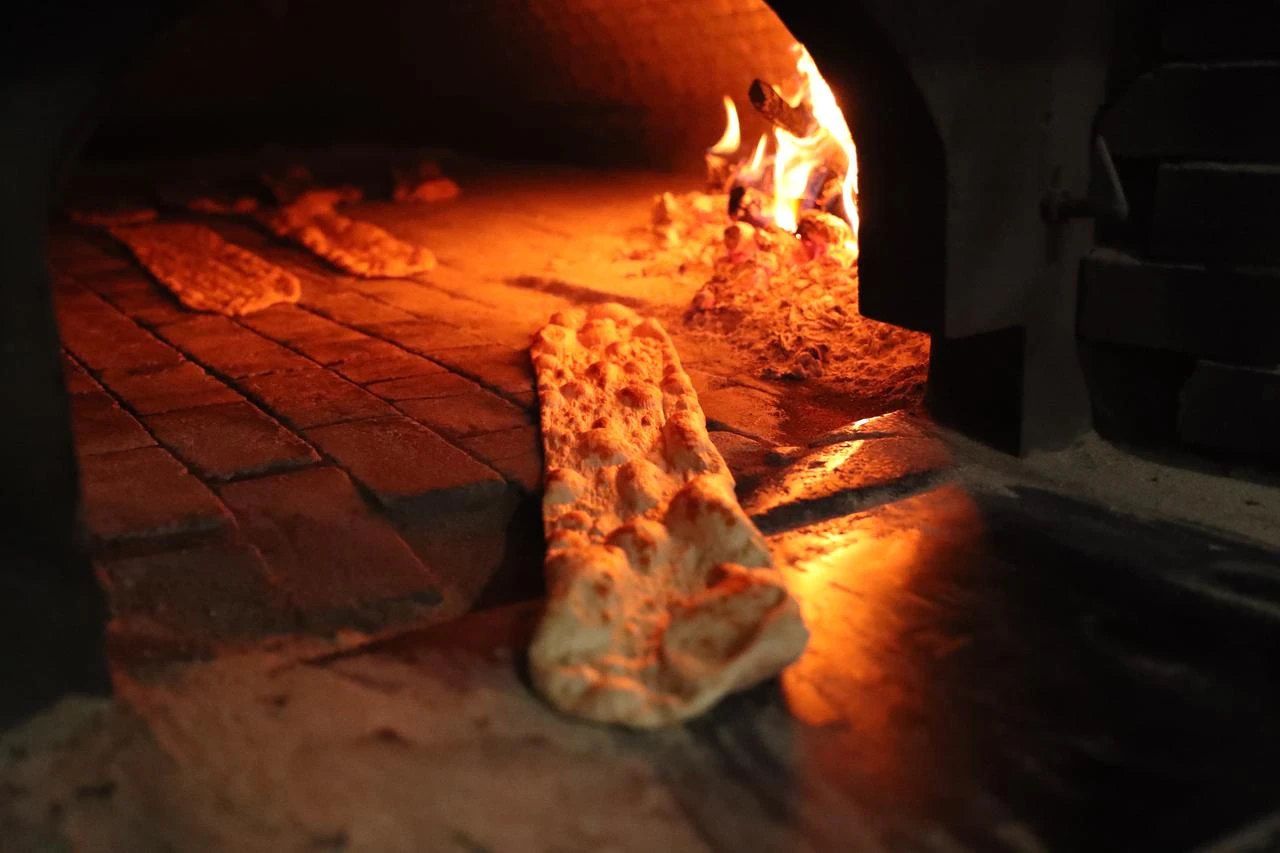
Egin bread, made using small amounts of yeast and whole wheat flour, is fermented and kneaded before being rolled thin and baked over wood fire.
The technique gives the bread an unusually long shelf life, with loaves staying fresh for months when dried and stored, or kept in a freezer.

The Erzincan Governor's Office has applied to the Turkish Patent and Trademark Office for geographic indication registration.
This status would formally recognize Egin bread as a regional specialty tied to its place of origin. Officials expect the designation to further raise the bread's profile among both domestic and international buyers.
Because of the demanding production process, daily output at the Apcaga bakery remains limited, and during peak periods only pre-ordered loaves can be prepared. As a result, some customers leave without being able to buy as much bread as they had hoped for.
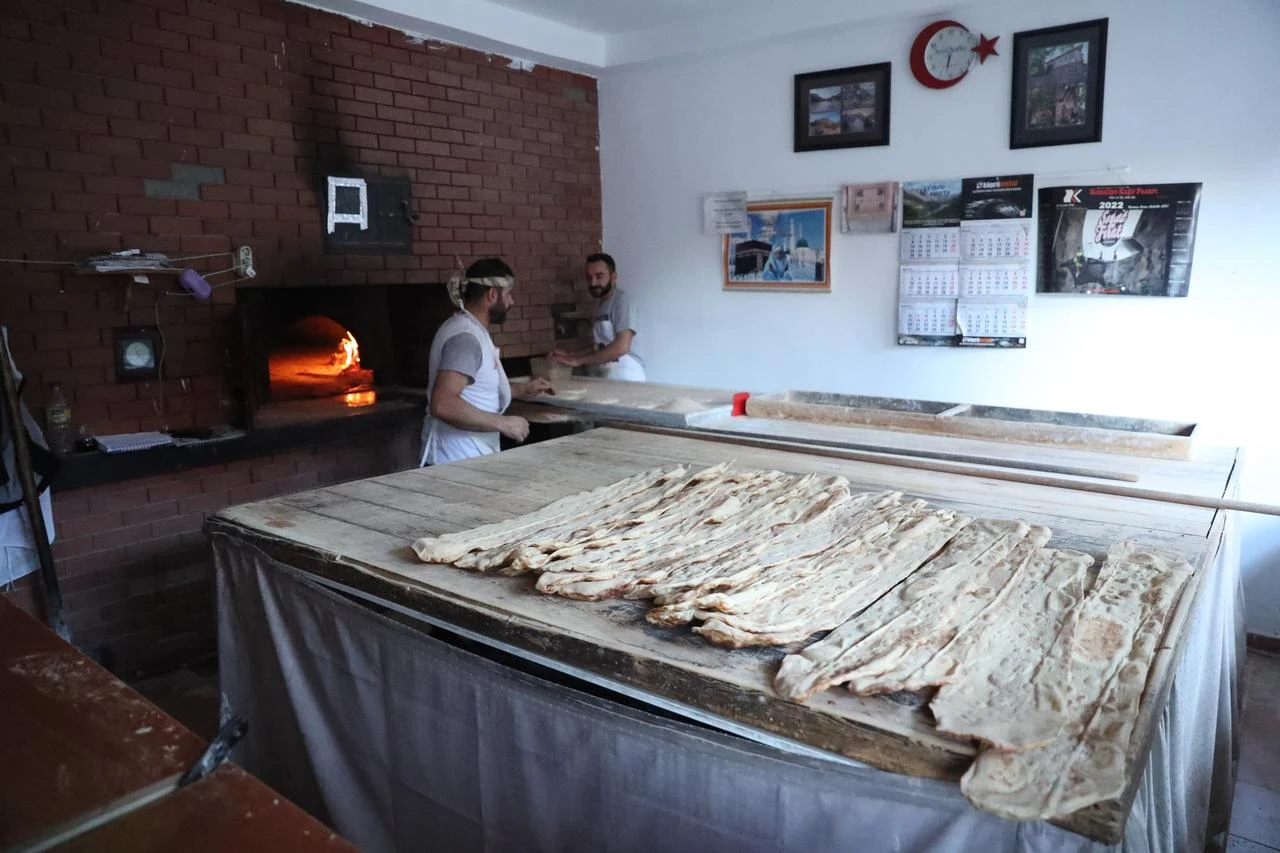
Osman Ozcelik, who runs one of four bakeries in Apcaga, a small village in Kemaliye, and is the only one still producing the bread, said the tradition dates back to the Ottoman era.
He said his late grandfather, who died in 1998 at the age of 100, had eaten the bread since childhood.
Visitors from nearby provinces and from abroad often head straight to the bakery to buy fresh bread before continuing to relatives' homes, typically pairing it with Erzincan tulum cheese, butter and honey for breakfast, according to Ozcelik.
Production remains limited due to the labor-intensive process, and the bakery sometimes cannot meet demand during busy periods.
"There are times when we can't give people bread," Ozcelik said, adding that a visit from the provincial governor's 40-person delegation left the bakery able to provide only about five loaves.
Ozcelik said expats returning from countries such as Poland, Germany and France frequently buy the bread to take back with them, and some have asked whether it can be shipped internationally.
No such shipping system currently exists, he said, citing limited capacity and a shortage of staff as the main obstacles.
Village resident Gokhan Turhan said Ozcelik's bakery produces the best version of the bread in Apcaga, recommending it paired with cheese or butter while still warm.
He said the bread is easy to digest and can be preserved for long periods by drying it, with a brief dampening step restoring its texture and flavor before serving.
Sehriban Turker, another resident, said tourists visiting the village on organized tours also purchase the bread, though demand at times outpaces what the bakery can supply.


 Set as preferred source
 Set as preferred source




 2 min read