Newsletters


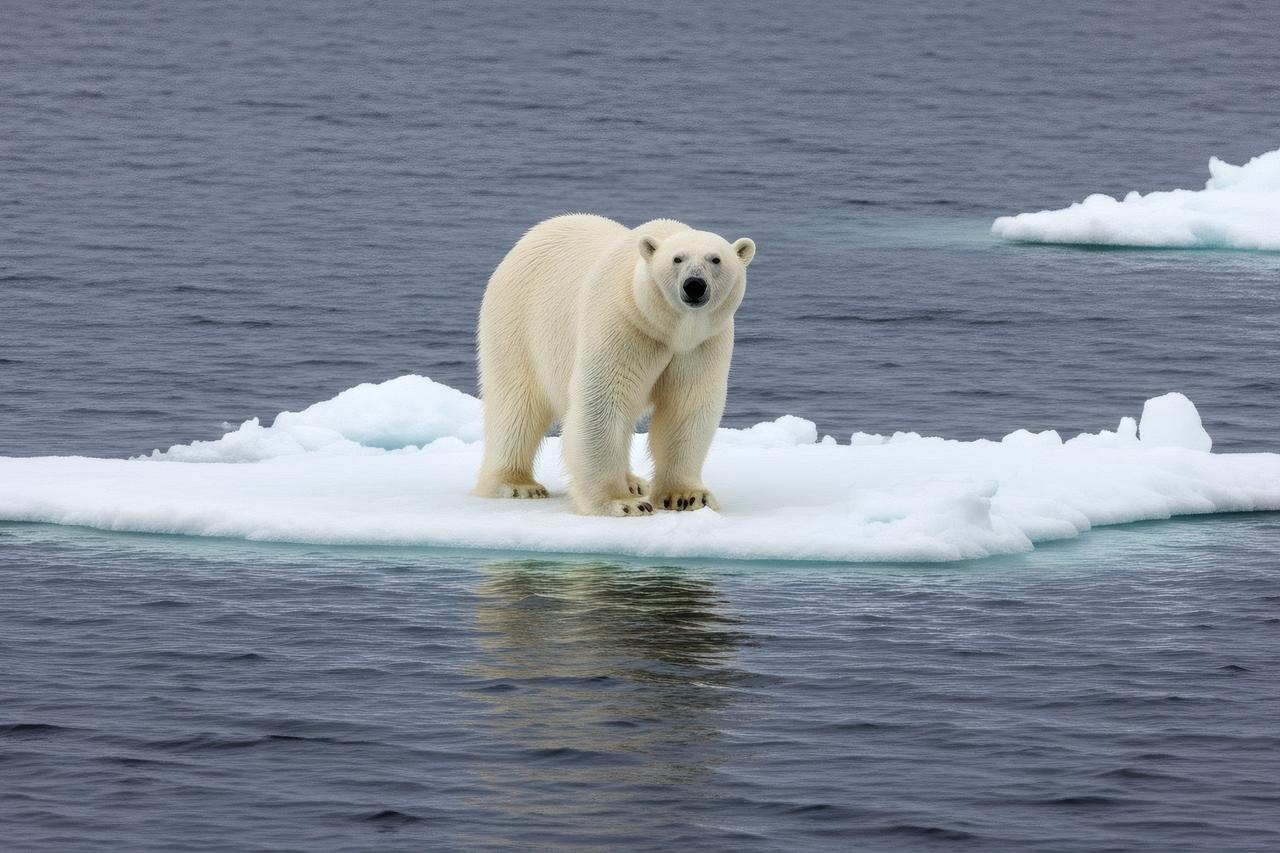


Greenland's ice sheet shrank for the 30th consecutive year, Danish broadcaster KNR reported Tuesday, citing new data from the Geological Survey of Denmark and Greenland (GEUS), adding to the long-term rise in global sea levels.
The ice sheet, which covers about 80% of Greenland's landmass, has been shrinking every year since the 1995-1996 season, GEUS said. The agency described the three-decade trend as a climate signal rather than a short-term fluctuation.
GEUS calculates the ice sheet's annual mass loss from September to August, with the melting season ending in August. Over the past year, the ice sheet lost about 173 billion tons of ice, KNR reported.
Greenland's ice sheet is the second-largest body of ice on Earth after the Antarctic ice sheet, and scientists estimate it holds enough frozen water to raise global sea levels by about 7.4 meters, or 24 feet, if it were to melt completely.
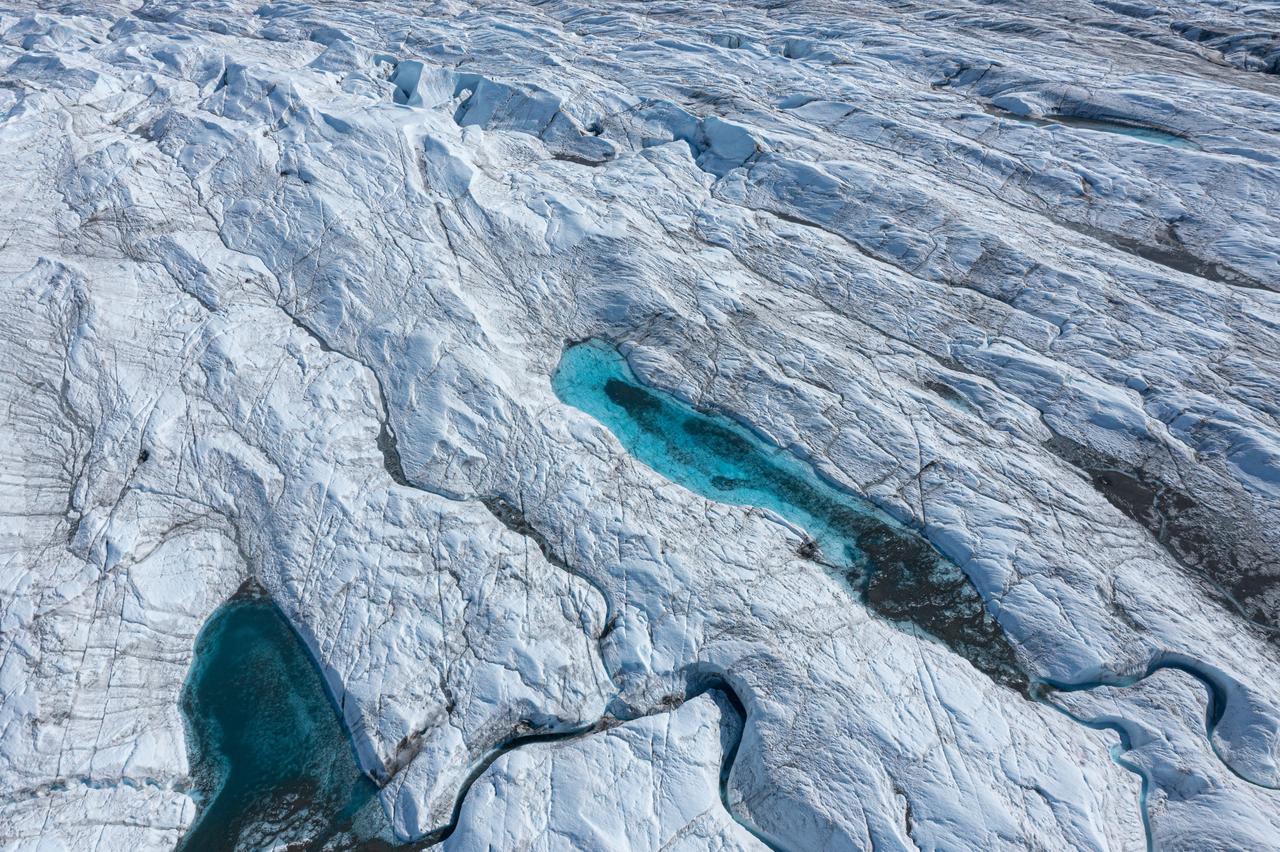

"It's important because the melting of the ice sheet contributes to global sea level. The more ice that melts from the ice sheet, the more the seas rise," said GEUS researcher Signe Hillerup Larsen.
Larsen said the 30-year streak of melting was "not at all" a surprise, but stressed the need to continue monitoring the trend.
"We expect the ice to continue to melt for many years to come, when we look at the general trends in the climate, and that it will get warmer," she added.


 Set as preferred source
 Set as preferred source



 2 min read