Newsletters


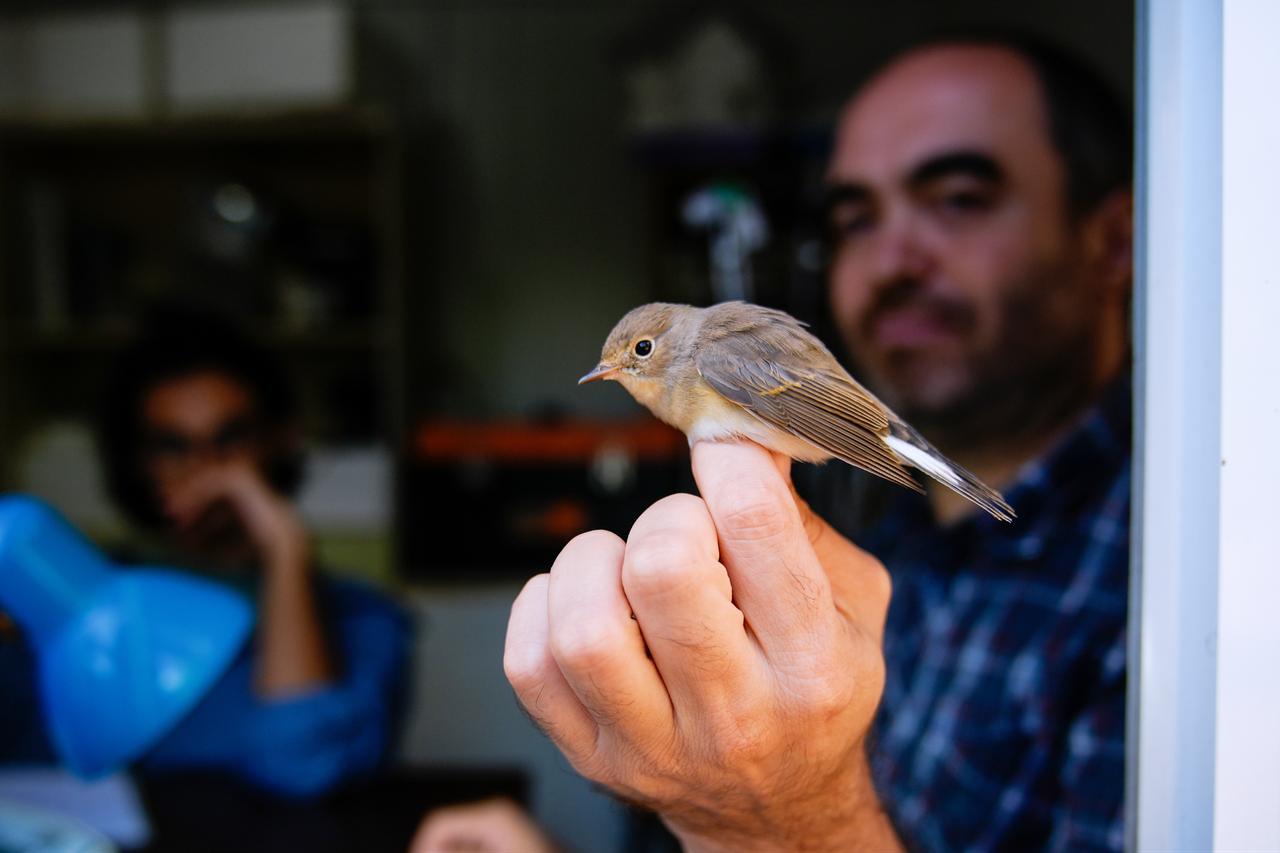


Migratory birds passing through Istanbul on their journeys between Europe and Africa are being fitted with identification rings as researchers track their routes, stopover sites and changing migration patterns while highlighting the city's role as a critical place for birds to rest and refuel.
The bird-ringing work, carried out at Istanbul University-Cerrahpasa's Avcilar Campus, turns the seasonal movement seen over the city into scientific data that can help researchers understand where birds feed, breed and spend the winter.
Although Istanbul is one of the world's major migration corridors, particularly for soaring birds, much of the movement goes unnoticed because many species migrate at night.
During their long journeys, birds make use of Istanbul's remaining natural areas to build up energy before moving on. Green spaces containing blackberries, figs and other fruit-bearing vegetation provide particularly valuable feeding grounds.
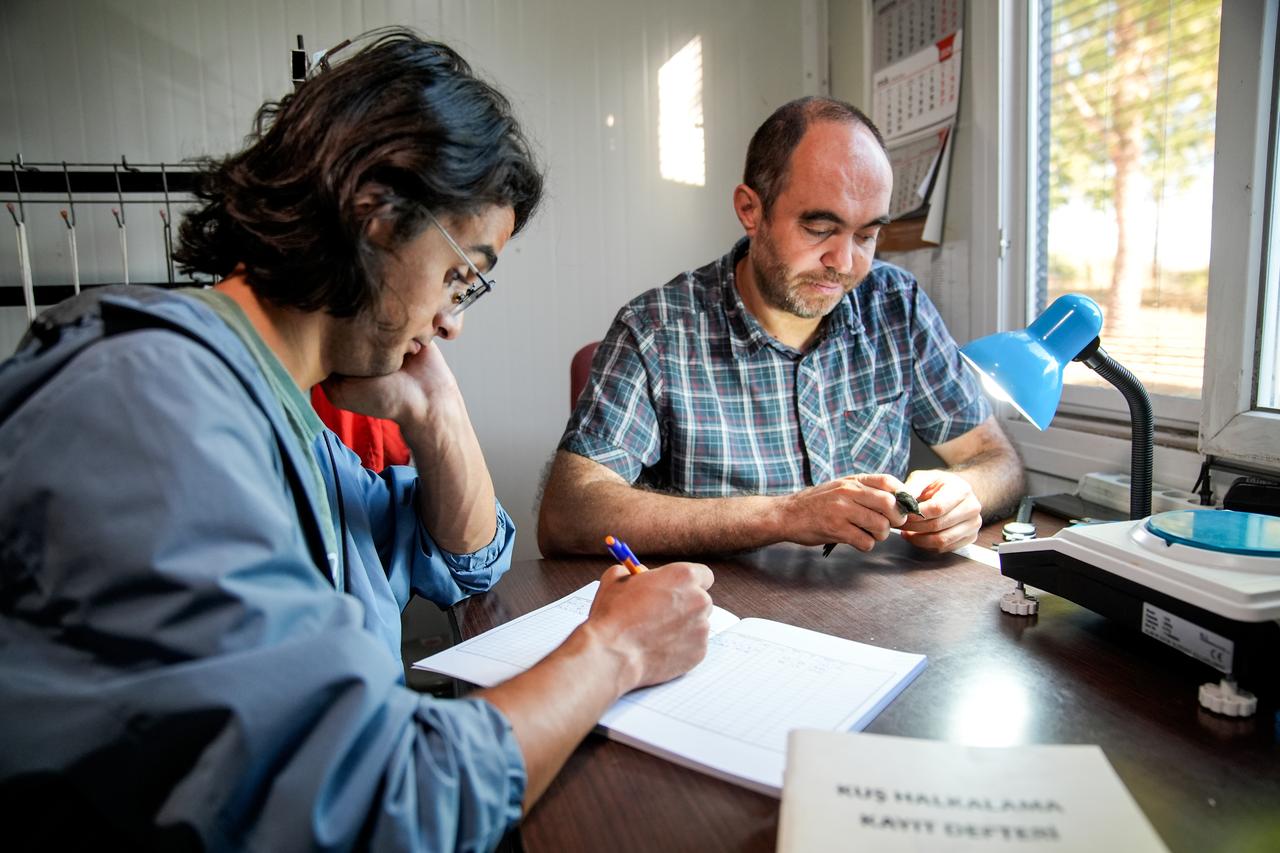

Bird ringing involves fitting a lightweight, individually numbered ring to a bird so that it can be identified if it is later caught or found elsewhere.
Ergun Bacak, head of the Hunting and Wildlife Program at Istanbul University-Cerrahpasa's Forestry Vocational School, said the system works much like an identification number for people.
"Just like our identification numbers, we give birds an identity, and by distinguishing each individual, we examine their behavior, lifespan, breeding success, valuable habitats and, especially, their migration routes," Bacak said.
Researchers record each bird's species as well as characteristics including age, sex when it can be determined, fat and muscle condition, wing and tail length and weight. Parasites found on the birds can also be examined.
The birds are caught using mist nets, fine nets widely used in ornithological research and generally placed near feeding areas or vegetation. Licensed and experienced ringers remove the birds carefully before examining them and releasing them back into the wild.
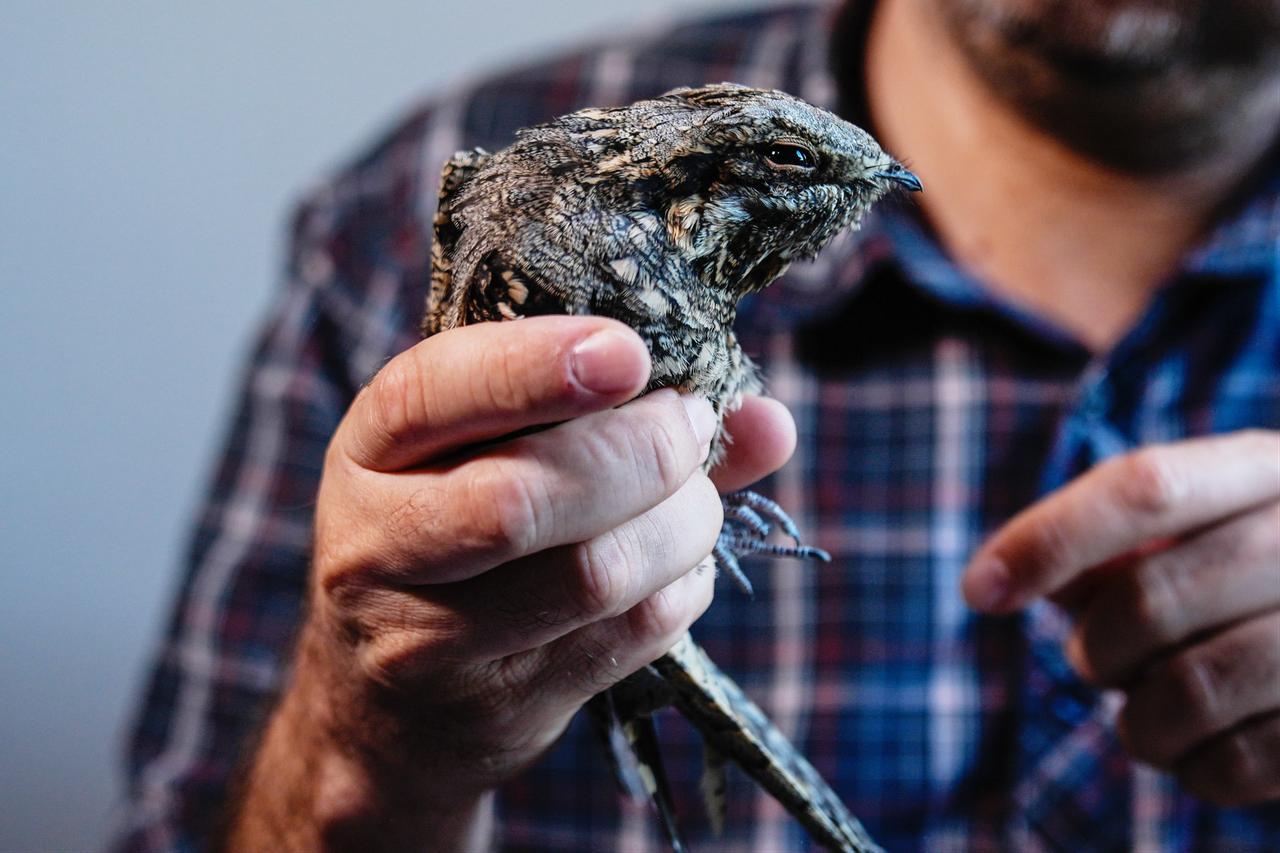
The value of the system becomes clearer when a ringed bird turns up in another country.
Birds previously ringed in Romania, Slovenia and Israel have been recorded again in Istanbul, including a red-breasted flycatcher, a marsh warbler and a blackcap. A Eurasian blackbird ringed in Istanbul was later caught at another ringing station in Ukraine.
Such encounters allow researchers in different countries to piece together migration routes and share information about where birds stop, feed and breed.
Bacak described Istanbul as both a "fuel station" and a resting point for migratory birds moving between Africa and Europe.
"Istanbul is a very important fuel station, a very important resting station. It is an extremely important area for migratory birds to rest and feed during their journeys from Africa to Europe and from Europe to Africa," he said.
He added that natural vegetation should therefore be preserved, particularly areas containing blackberries, figs and other fruit that birds rely on to build up energy.
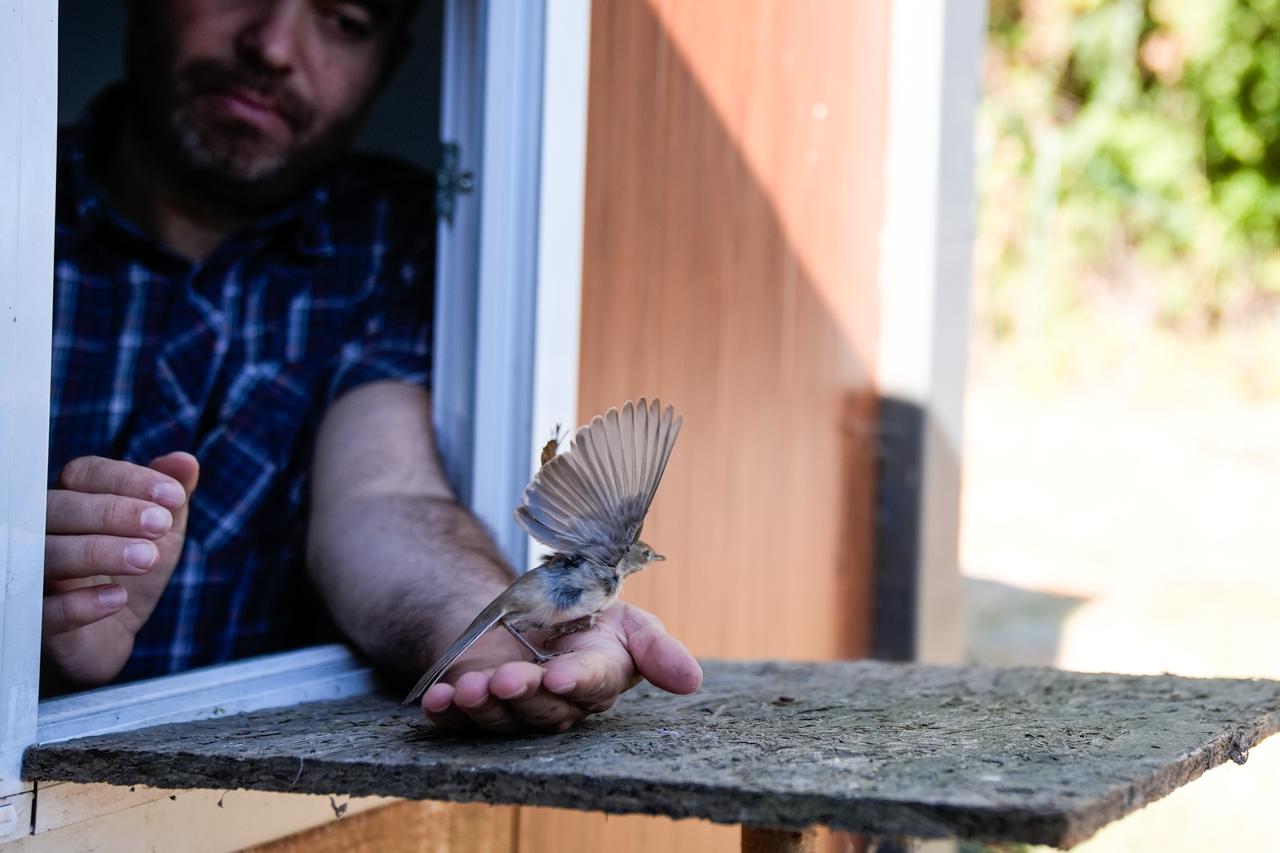
Many of the birds ringed at the Avcilar Campus during autumn are expected to continue south toward Africa.
Some will travel to sub-Saharan Africa, including Tanzania and Kenya, while others will winter around the Mediterranean or in southern Türkiye. Certain species follow still longer routes, with some reaching India.
Bacak said a red-breasted flycatcher weighing around 10 grams can travel as far as India, while nightingales and thrush nightingales weighing roughly 20 to 30 grams may reach Tanzania and Kenya.
Once ringed, birds can be identified if they are later found alive or dead elsewhere, allowing information to flow between researchers across national borders.
"Birds have no political borders, birds have no nationalities. Birds belong to the world," Bacak said, adding that nature-related research can bring different countries and societies together.
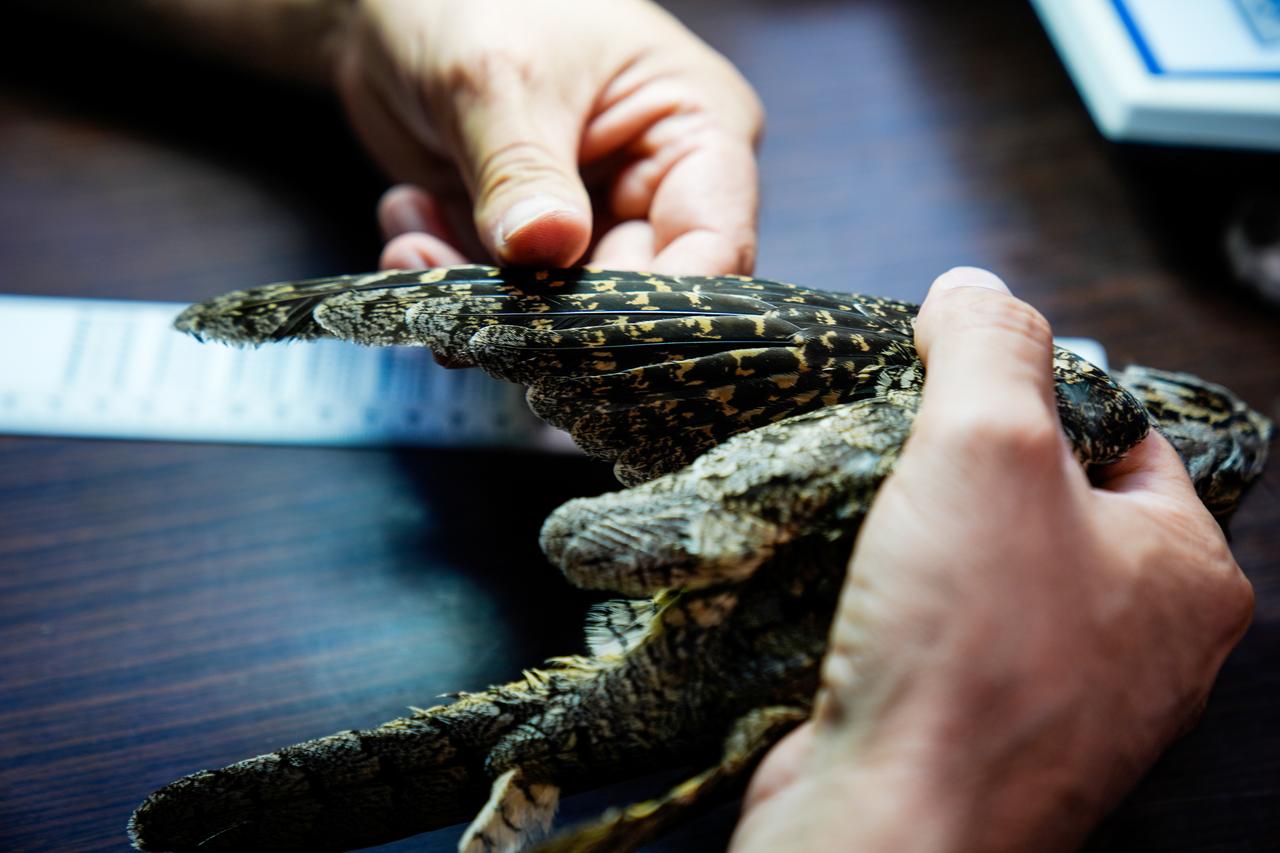
Researchers began this year's autumn ringing work on Aug. 10 and had approached 1,000 birds by the time of the latest count.
Bacak said the station normally rings around 2,500 to 3,000 birds during autumn, although weather conditions can push the total considerably higher. More than 7,000 birds were ringed during the previous autumn season, which he said had been wetter.
This year, however, dry summer and autumn conditions have coincided with lower numbers.
Bacak said ringing programs also provide data that can be used to examine how global climate change affects birds and their environment because migration dates, routes, behavior and even the parasites carried by birds can change over time.
Beyond scientific monitoring, he said ringing stations can also introduce children directly to wildlife and encourage a lasting connection with nature.
"Bird-ringing studies are not only scientific studies; they are studies that help shape people's plans for the future," Bacak said.


 Set as preferred source
 Set as preferred source


 1 min read

 1 min read