Newsletters


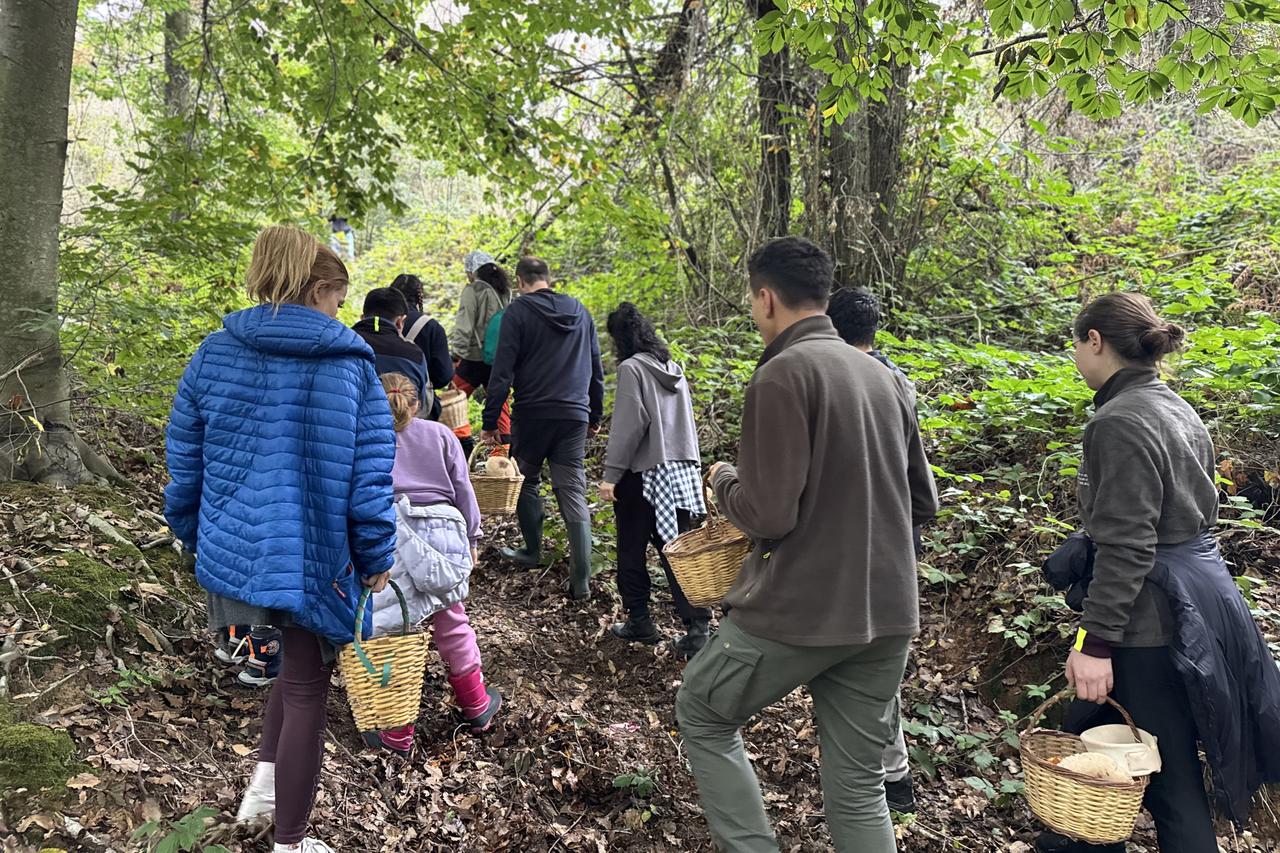


After the first autumn rains, baskets in hand, people of all ages are heading into Istanbul’s Belgrad Forest to search under trees and through fallen leaves for wild mushrooms.
The hunt has become a seasonal escape from the city’s crowds. Species rarely seen at markets grow here in their natural setting, some bright and easy to spot, others hidden beneath leaf litter.
One prized find is Amanita caesarea, known in English as Caesar’s mushroom. In Türkiye, it is called the "egg," "sultan" or "emperor" mushroom.
Ergun Bacak, who leads weekend foraging courses, said it was reserved for Roman nobles, who ate it with special utensils.
"Eating this mushroom was banned for ordinary people in ancient Rome," said Bacak, head of the Hunting and Wildlife Program at Istanbul University-Cerrahpasa’s Forestry Vocational School. "Only the nobles would eat it."


Bacak pointed to the death cap, Amanita phalloides, a deadly species whose toxins can cause symptoms six to 12 hours after eating, before damaging the liver. Bright color is no guide to safety, he said. Caesar’s mushroom is more colorful than many others.
"There is no easy way to tell mushrooms apart," Bacak said.
He urged beginners to join tours led by trained experts, and warned that social media personalities who have begun offering lessons could cause mass poisonings.

Ergun Bacak said he was sent samples from two people in the past three days who had developed poisoning symptoms.
Both were on breathing tubes in hospital, he said. The mushrooms were not the most lethal kind, but were toxic enough to hospitalize people.
"Mushroom foraging in our country is like Russian roulette," he said. "You need to be 100% sure of a mushroom." He cautioned against relying on family tradition, adding that villagers "don’t always eat the right mushroom."

In his courses, participants gather mushrooms along set routes, then return so Bacak can examine each basket, separating poisonous species from edible ones and explaining how to cook the good ones.
Timing depends on rainfall, he said, with mushrooms usually appearing a week to 10 days after the first autumn rains.
Many species return to the same spots every year, which is why, Bacak said, asking a forager where a mushroom grows is considered bad etiquette in both Türkiye and Europe.


 Set as preferred source
 Set as preferred source


 1 min read