Newsletters


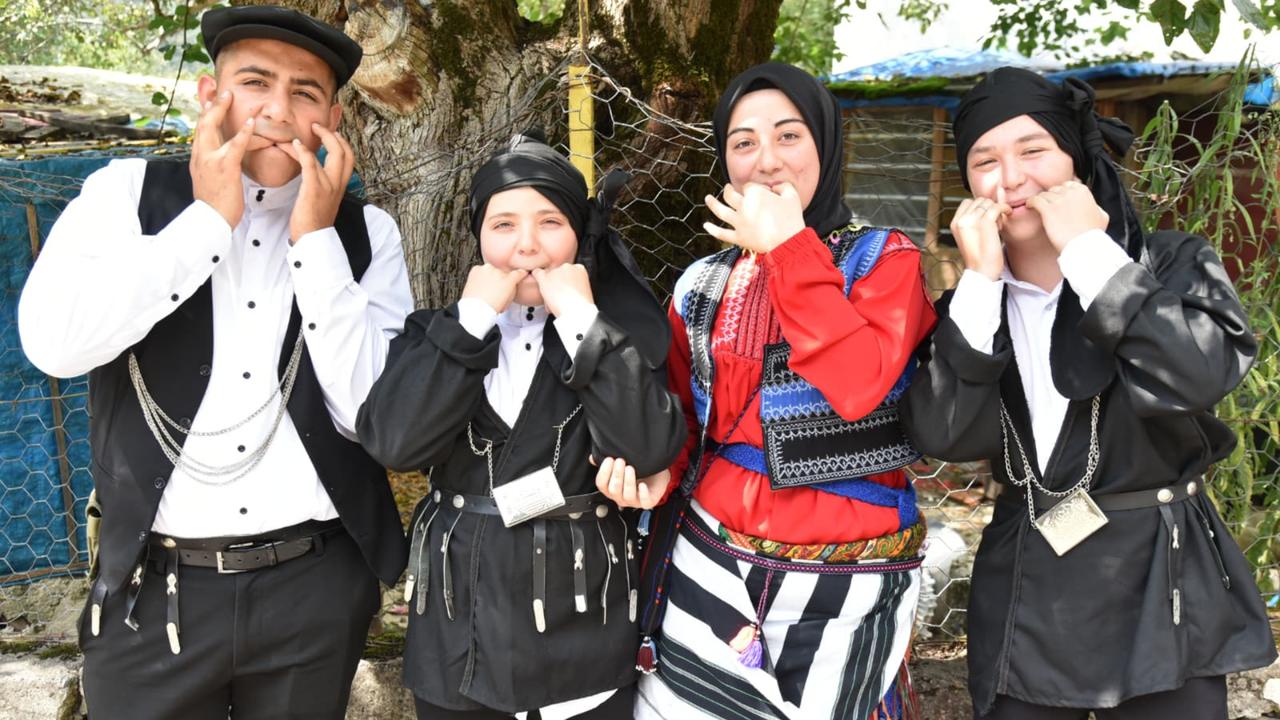
In the mountainous village of Kuskoy, located in the Canakci district of Giresun in Türkiye's Black Sea region, residents have for generations communicated using a whistled form of language rather than spoken words.
Known locally as "bird language," the whistled language was developed by farmers who needed a way to relay messages across the area's steep valleys and scattered hillside homes, where normal speech could not carry far enough to be heard.
Each whistled phrase corresponds to a spoken word or sentence, allowing villagers to convey full conversations, warnings, and everyday information purely through pitch and tone rather than vocabulary.
In 2017, UNESCO added the whistled language to its List of Intangible Cultural Heritage in Need of Urgent Safeguarding, citing the decline of traditional farming life and the widespread use of mobile phones as threats to its survival.
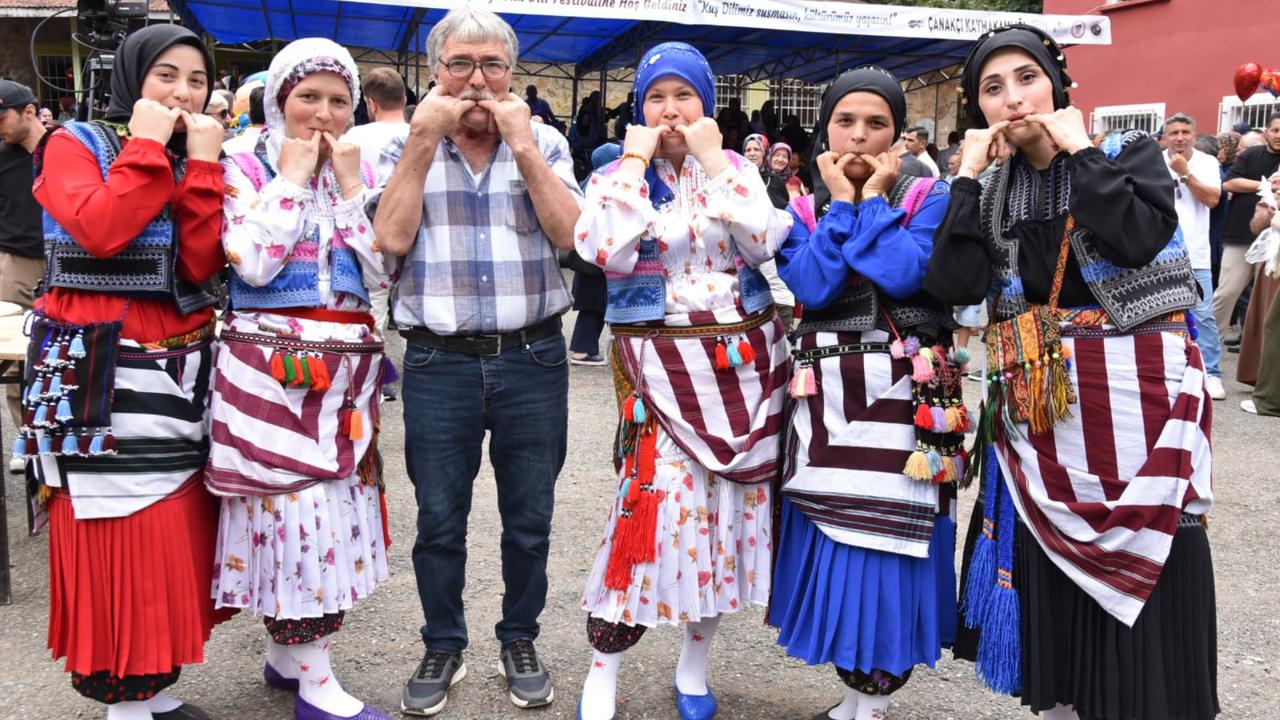
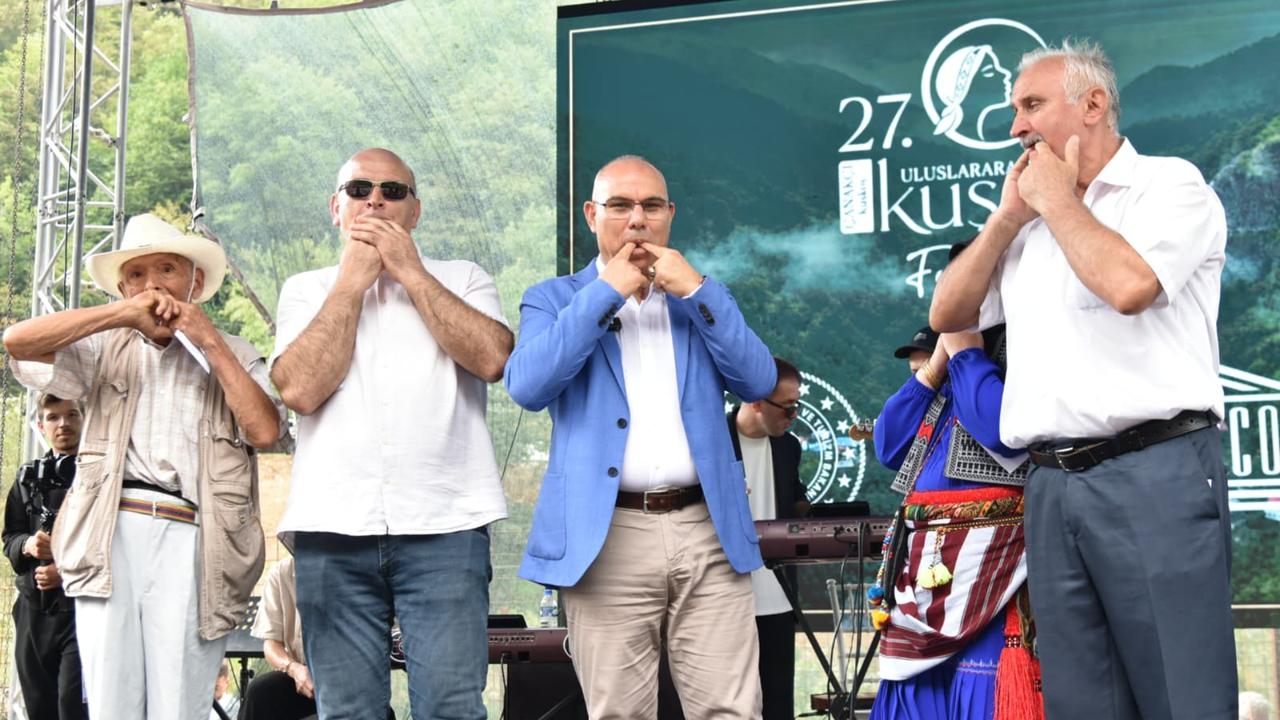
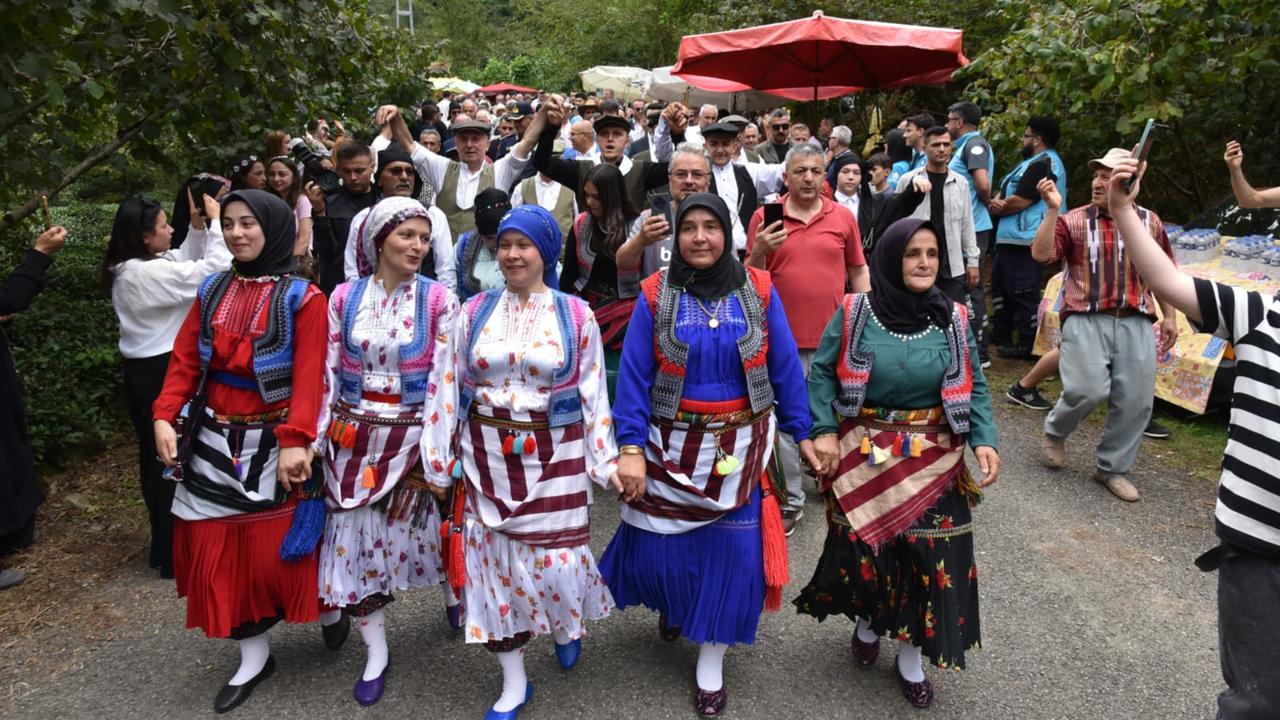
Every year, the village hosts the Whistled Language Culture and Art Festival, drawing residents, officials, and visitors to celebrate a tradition that once served as the primary means of long-distance communication in the region.

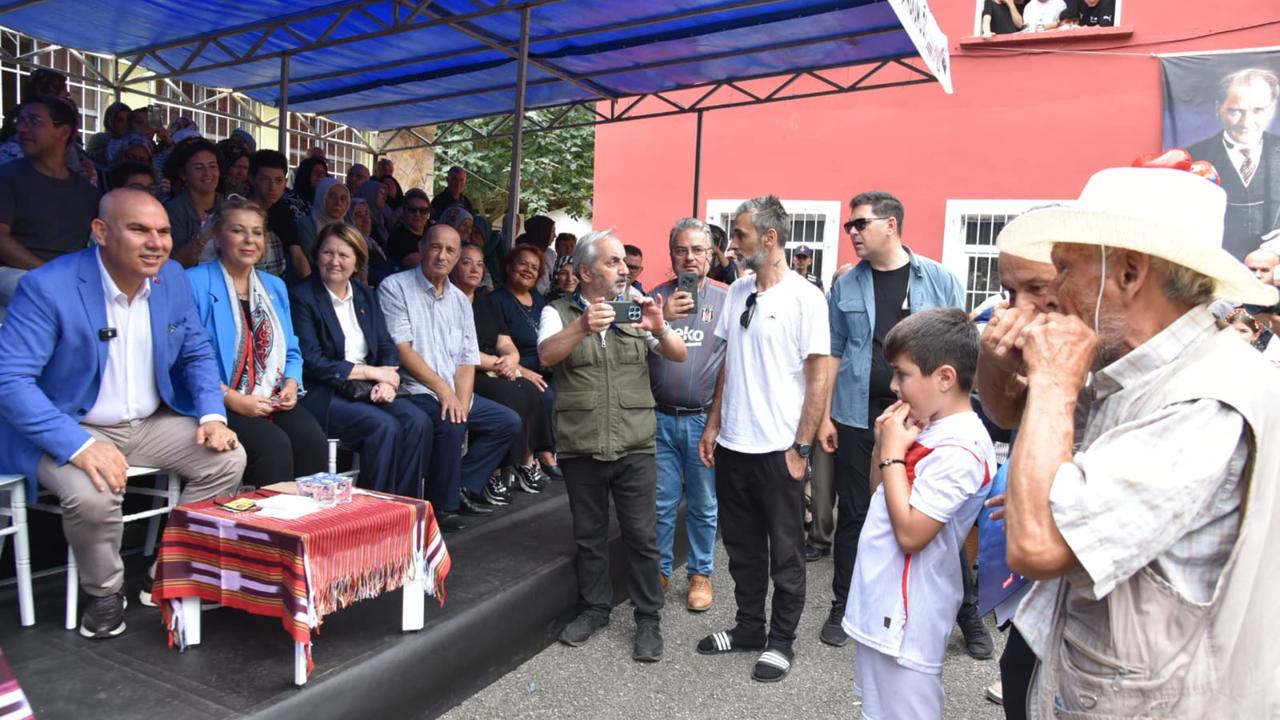
During the festival, villagers take part in a whistled-language speaking competition, attempting to convey specific sentences using only whistles, a practice that continues to entertain both participants and spectators.
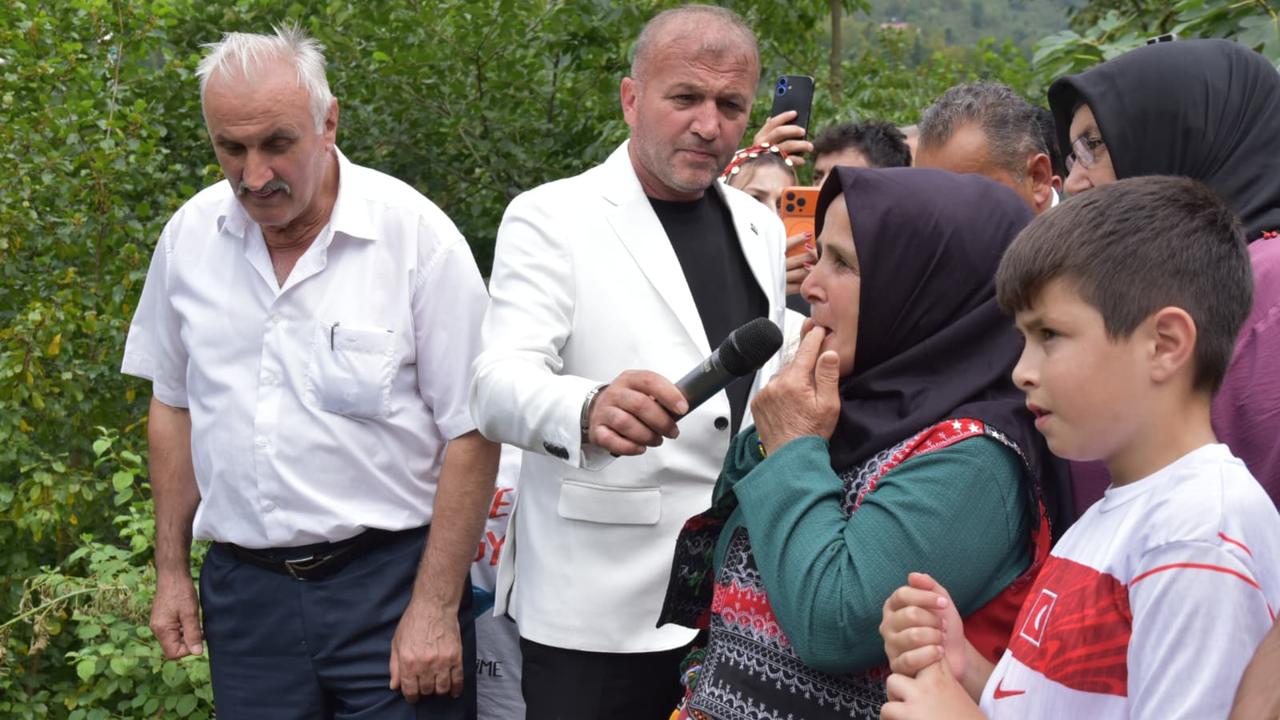
Local and national officials often attend the festival to highlight the cultural significance of the whistled language, describing it as a living link between generations and a distinctive feature of Türkiye's cultural heritage.

Despite modern communication tools reducing its practical necessity, the whistled language of Kuskoy continues to be taught and practiced today, preserved largely through community events, family tradition and cultural recognition efforts.

 1 min read


 Set as preferred source