Newsletters


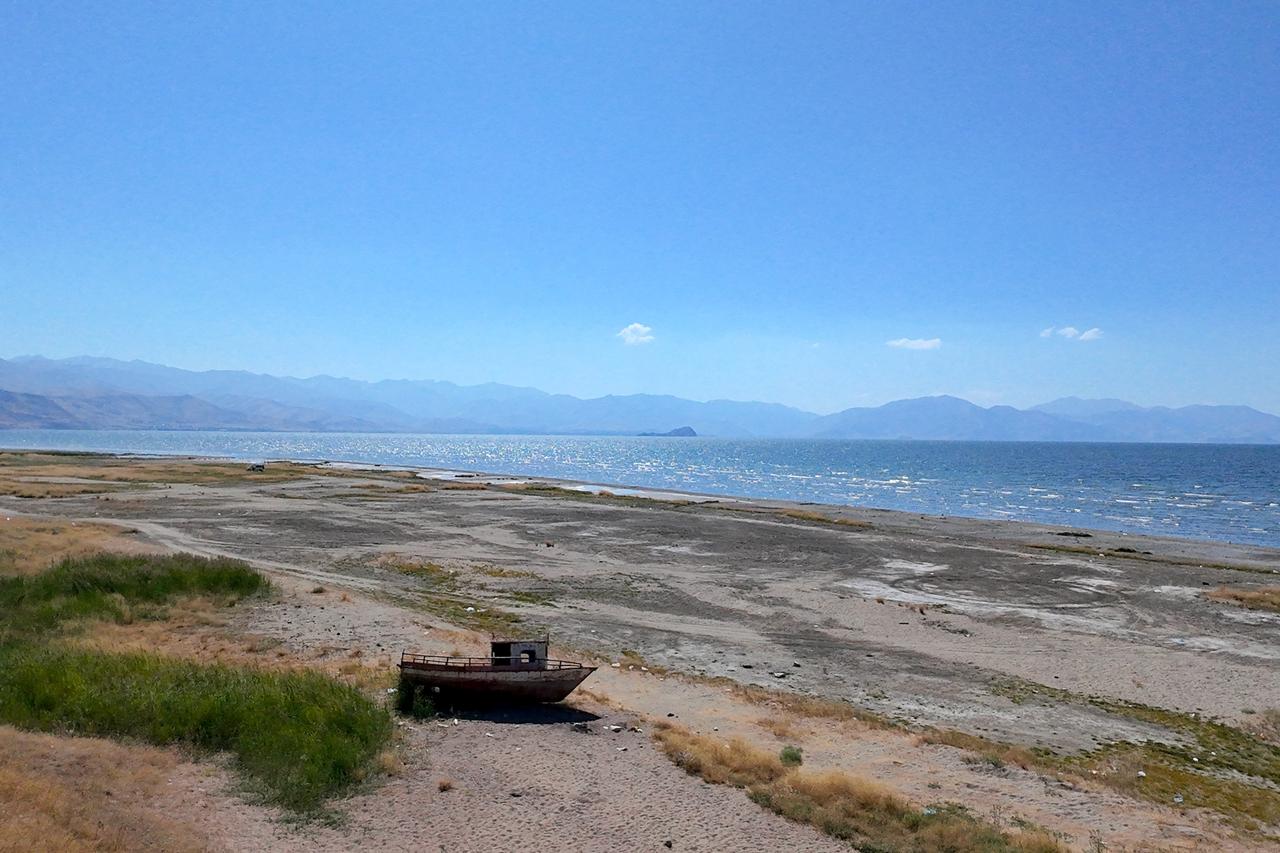


Lake Van, Türkiye's largest lake located in the eastern province of Van near the Iranian border, continues to lose water despite significantly higher rainfall this year, as rising temperatures and intensified evaporation keep the wider basin under sustained drought pressure.
Temperatures in the Lake Van Basin have climbed in recent years, heatwaves have grown more frequent and evaporation has intensified, straining the region's water resources, even as 2026 brought a notable increase in precipitation, much of it in the form of snow.
Faruk Alaeddinoglu, a professor in the Department of Geography at Van Yuzuncu Yil University's Faculty of Letters, said the basin has undergone significant shifts in temperature, rainfall and evaporation in recent years.
"Some years we genuinely receive extreme rainfall. That is what we witnessed from spring through early summer of 2026. The basin received very substantial rainfall in 2026, but more importantly, a significant portion of it came as snow," Alaeddinoglu said.
"This is vital for the basin. The area around the basin is mountainous and sloped terrain. If precipitation falls as rain, much of it flows downhill and reaches the lake. This may cause some improvement in the lake's level, but it does not replenish the underground systems."
Alaeddinoglu said snow cover melts more slowly, allowing underground systems to be replenished more effectively, adding that the gradual melting and draining of snowfall into underground systems is highly valuable for the basin.
He said 20 to 25 years of rainfall data for the basin point to rising temperatures, high evaporation and declining precipitation, and that all three factors must be assessed together.
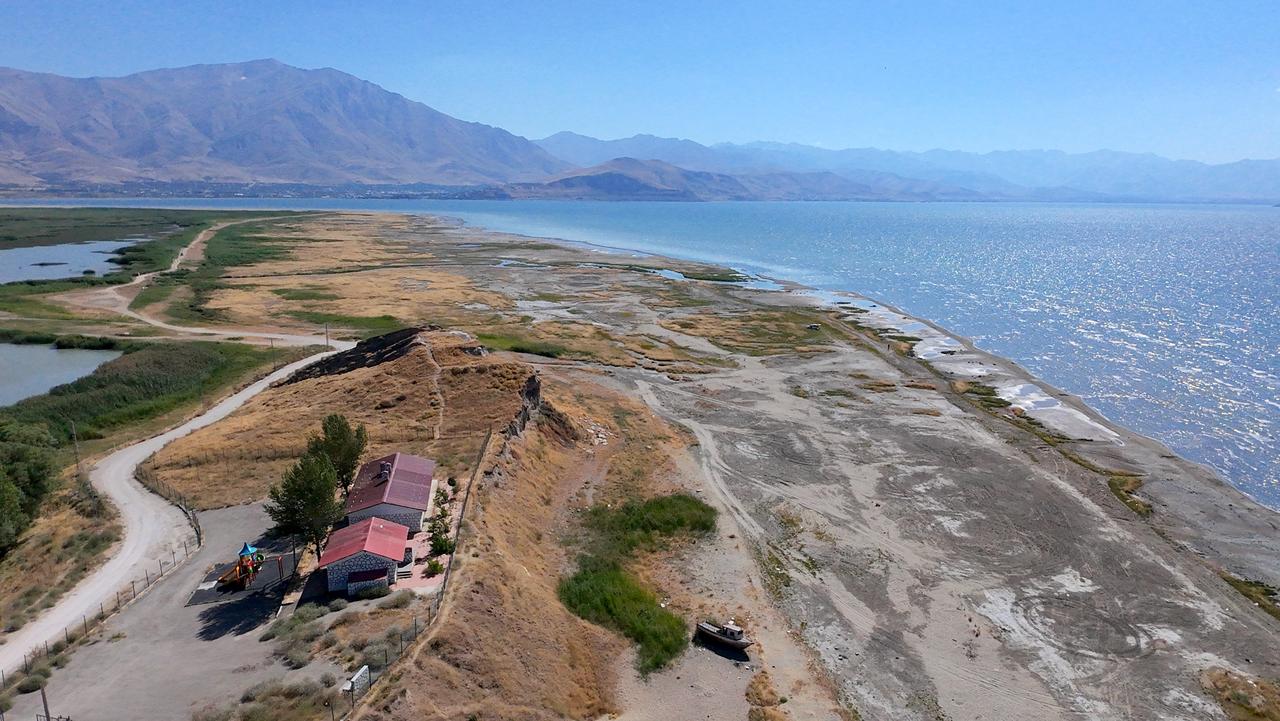

Alaeddinoglu said global warming has also driven more frequent heatwaves across the region. "Looking at 20 to 25 years of rainfall data for the basin, there is a rise in temperature, evaporation intensity is very high and rainfall is declining. All three conditions work against the basin," he said.
"Compared to the past, we see a serious increase in heatwaves affecting this area. All our modeling analyses and future projections point to these trends intensifying further in both frequency and severity.
Given this, the basin may face an even more difficult period ahead. We have to manage this situation. This is a closed basin, and the option of bringing in water from outside is very limited and would require enormous costs."
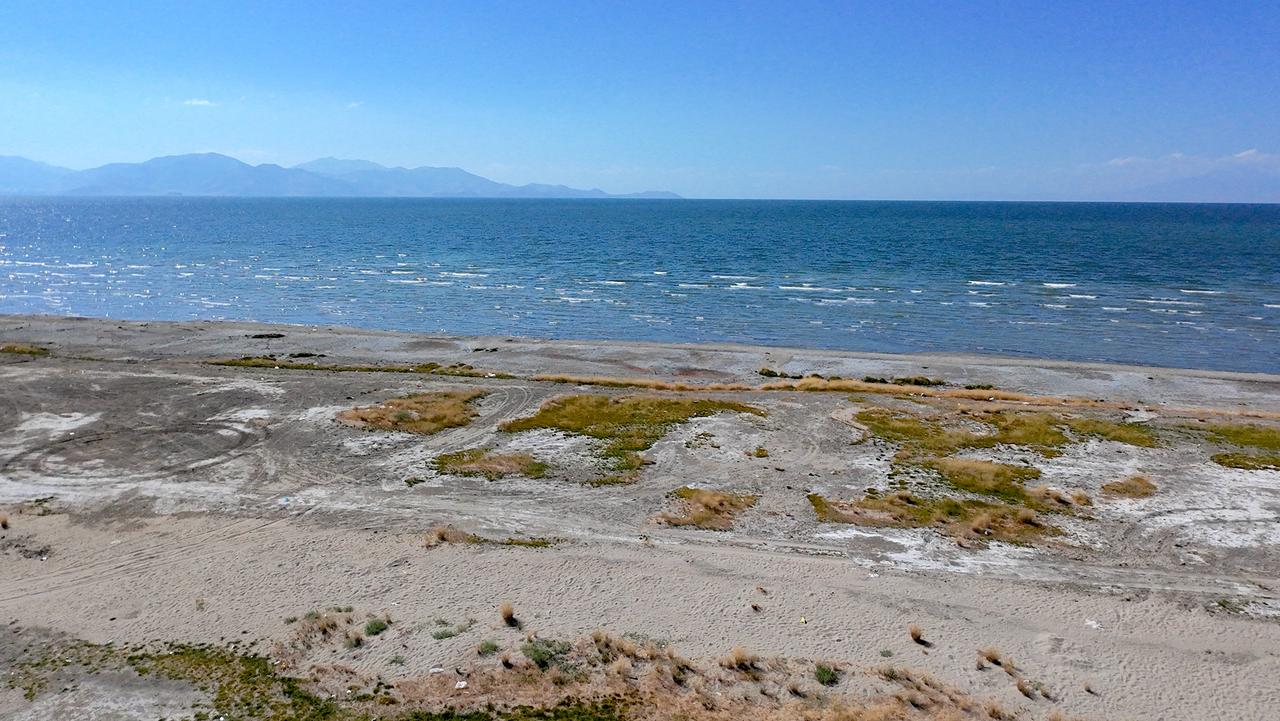
Alaeddinoglu noted that deep drilling has increased in recent years around Van to reach groundwater, warning that this could negatively affect underground water systems and soil moisture.
"If the rise in temperature and the continuation of heatwaves persist, significant changes could occur in the basin's climate structure. In the near future, the climate here will likely evolve largely into a Mediterranean-type climate.
A defining feature of the Mediterranean climate is a much hotter and drier summer season. We need to be prepared for this. In other words, we need to prepare the basin for it," he said.
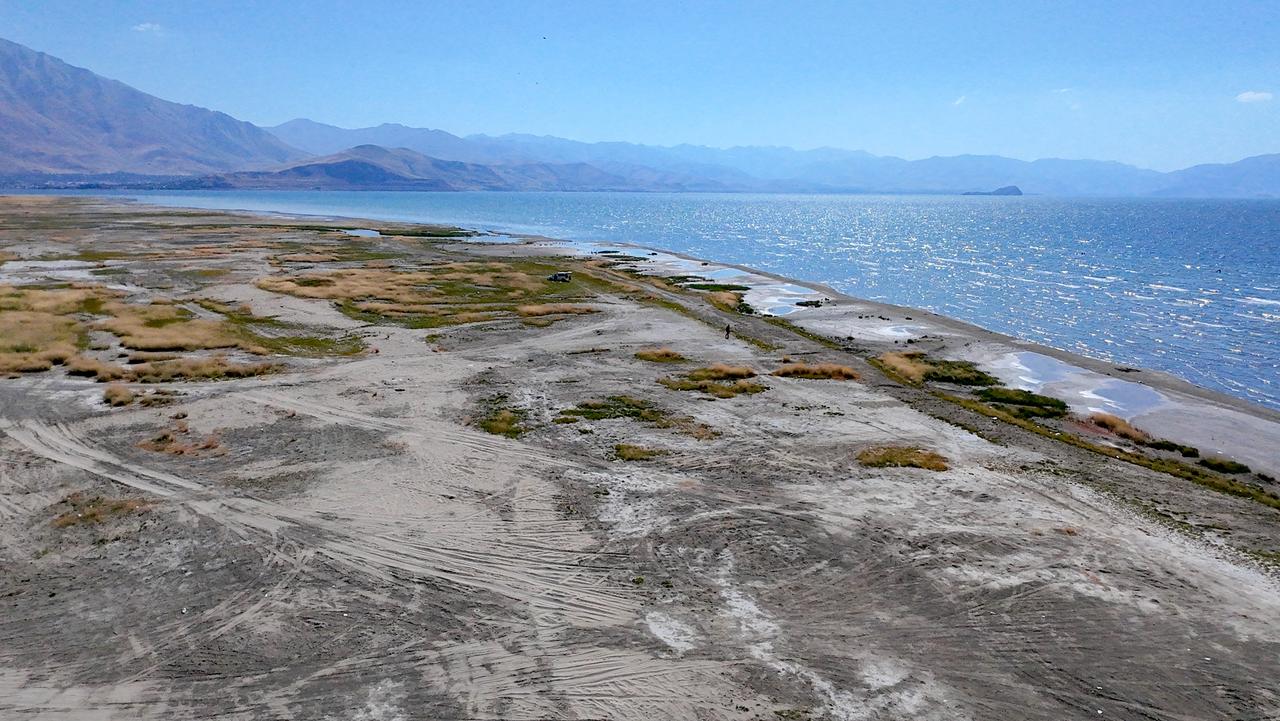
Alaeddinoglu said long-term projections point to a continued drop in Lake Van's water level, with land area expected to expand particularly along shallow coastlines.
"The lake will lose area. While not always highly visible, we will see a significant portion of the shallow coastlines, the areas where rivers feed into the lake and where sediment accumulates and fills in the coast, turn into land. We will witness this. There is no escaping it," Alaeddinoglu said.


 Set as preferred source
 Set as preferred source



 2 min read