Newsletters


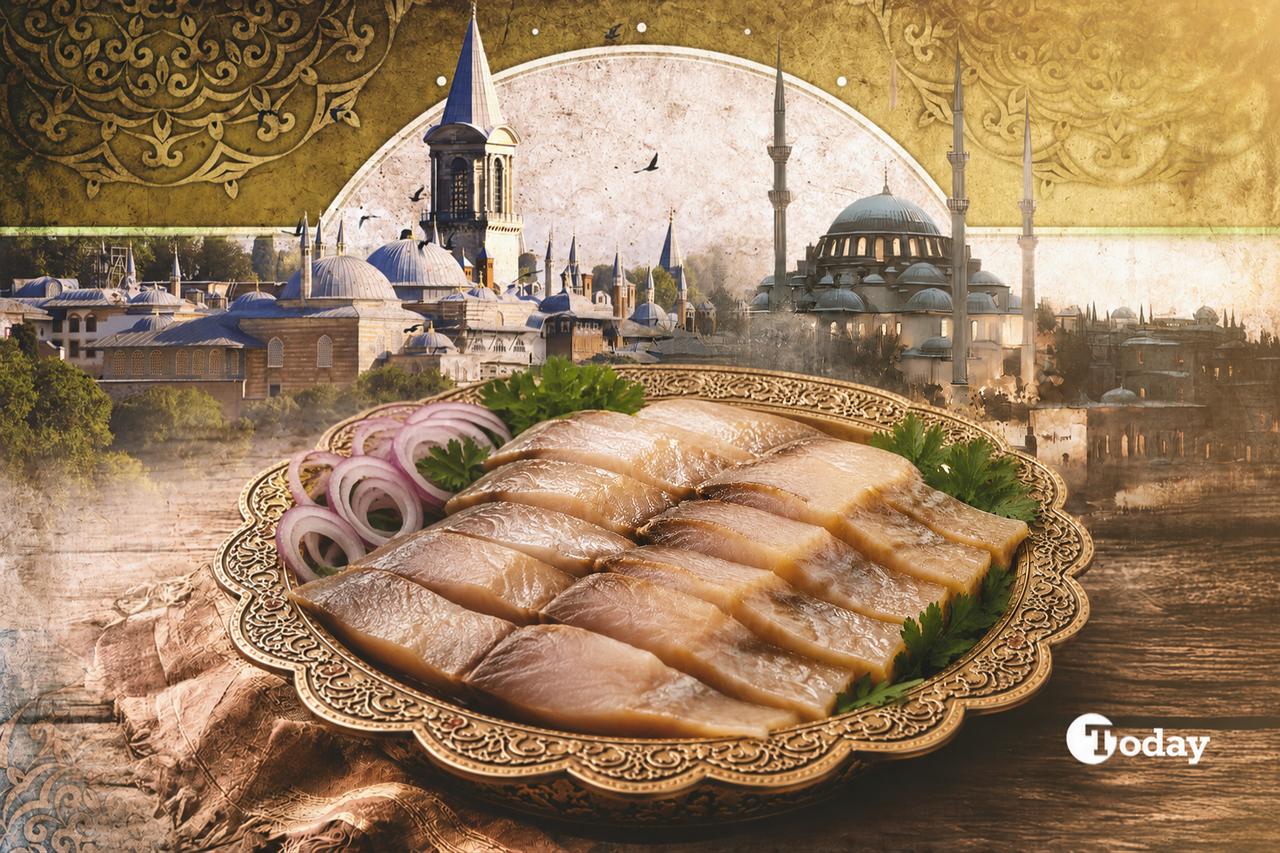


Most food in Istanbul has the decency to perform. Kebabs smoke. Bread steams. Balik ekmek vendors shout from rocking boats at Eminonu. Baklava collapses into syrup with the emotional discipline of an operatic widow. Tea glows in tulip glasses like a row of red signal lamps.
This is the version of the city sold to visitors who think history is improved by a rooftop and a ring light. Lakerda refuses all this theater. It waits. It has standards.
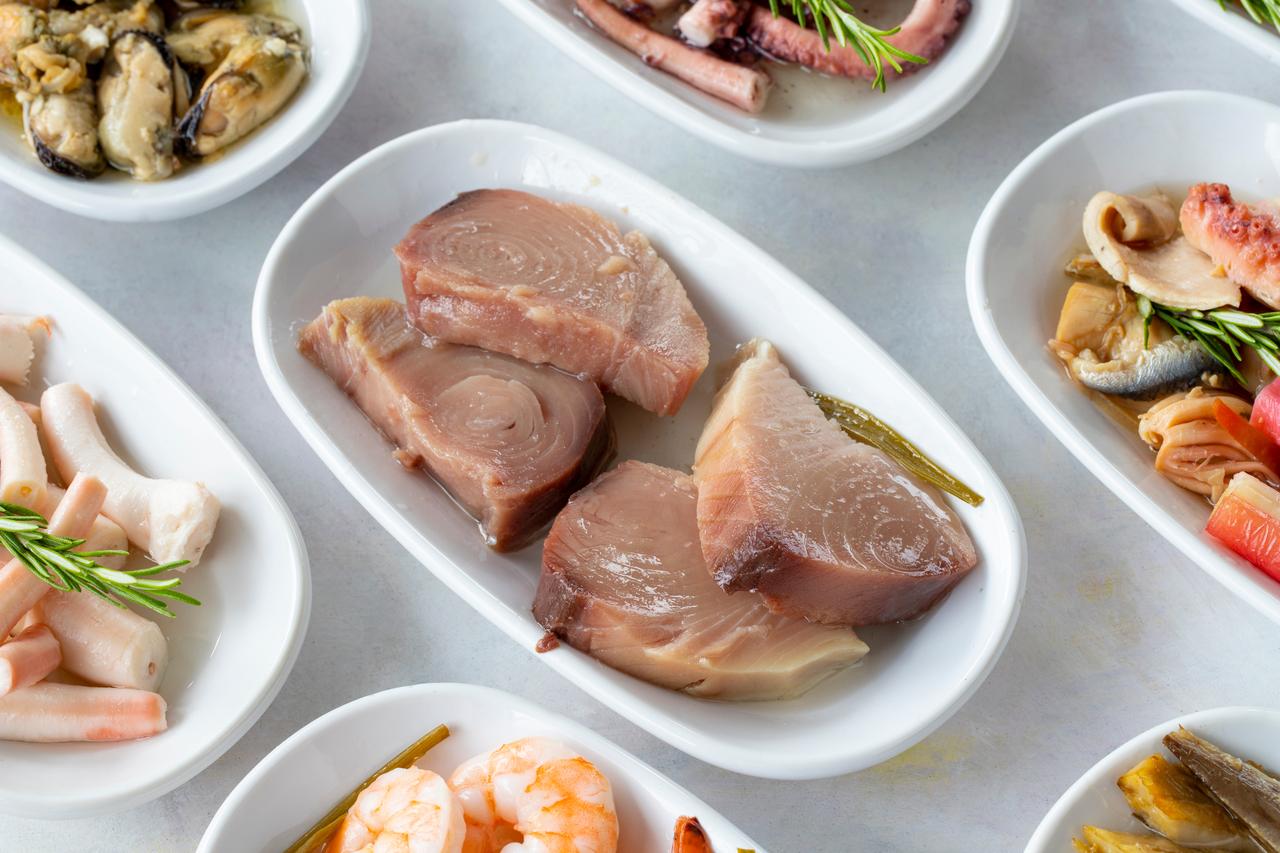

And its benchmarks are fairly high. It should be torik—the large, mature bonito of the season—not a mackerel wearing three adjectives and hoping nobody asks questions.
It should also be pale rather than lurid, powder-pink rather than raw-red, clean of bloody smears, firm without being chalky, and fatty without becoming slack. The marrow must have been dealt with, the blood drained, and the salt judged with the suspicious nose of a customs officer.
The final test, should you know what to look for, is menevis, that faint iridescent shimmer of pink, purple, and yellow that plays across a properly cured slice in good light, as though the fish has been coaxed into producing its own weather.
If it catches the light like THAT, someone knew what they were doing. If it doesn't, you have paid for the trouble of finding out that they didn’t. And a bad lakerda tastes metallic, like sucking on a 50 kurus coin.
Still, nobody does laderka like Istanbul, and you don’t need to rely on my authority. Trust Archestratos—the fourth-century B.C. Sicilian who wrote the ancient world's first food criticism in dactylic hexameter, the verse form of Homer, because sourcing fish clearly deserved the same gravity as the wrath of Achilles—who was unambiguous on the matter: if you want bonito, get yourself to Byzantion, the modern Istanbul.
His recipe lists nothing more than fig leaves, oregano, and hot ashes. He literally wrote: “No cheese, no nonsense.” His contemporaries called him the “Hesiod of gluttons,” but his underlying position (find the best fish from the right place, then get out of its way) has not been improved upon in two and a half thousand years. Every serious restaurant that stopped putting cream sauce on turbot is following his instructions.
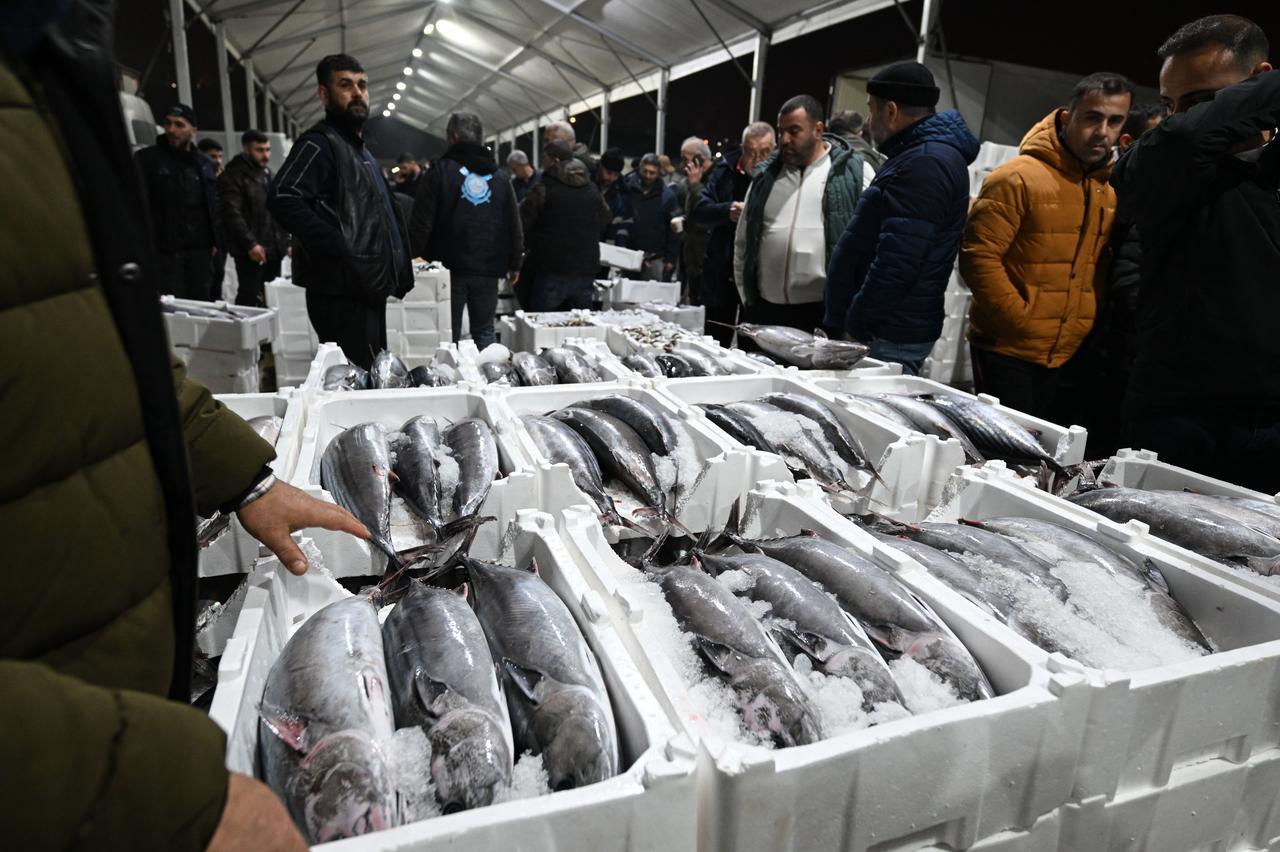
The geographical reasoning is tight. The Bosphorus is an ecological funnel, a narrow throat of water, at its tightest barely 700 meters across, through which the entire fish migration between the Black Sea and the Mediterranean must pass.
The bonito spend their summers in the Black Sea's cold, nutrient-rich water, fattening on anchovy and sprat, and then in October—heavy, well-provisioned—they come back through the strait.
Naturally, connoisseurship prowls the plate. Istanbul can turn even a cold slice of fish into a menacing examination in timing, supplier networks, moral suspicion, and whether the man recommending it knows anything.
Was it proper torik? From where? Caught when? Who cleaned it? How long was it in salt? Has the flesh bloomed correctly? Did you see the menevis? Is the iodine clean?
Every serious food culture requires a class of people willing to make pleasure slightly prosecutorial. Without them, everything becomes an all-you-can-drink brunch.
Then there is raki, which is its natural companion, albeit a treacherous one. It arrives milk-white in the glass, loosens speech, and encourages men to remember songs, grievances, women, republics, and childhood in equal parts certainty and confusion.
A table of meze can become too charming too quickly: aubergine, yogurt, herbs, beans, all little plates multiplying into a blur.
Then lakerda arrives, cold and grave, and places a hand on the table. Enough. Eat slowly. Drink properly. Stop mistaking your third glass for depth.
It is a food that corrects, even scolds, the satellite dishes that play accessories to hedonism. If Istanbul is the theater, lakerda is the pushy usher, threatening to confiscate phones as the curtains open.
Yet the usher's authority is more fragile than it looks. Early-20th-century photographs show individual torik weighing 20 to 30 kilograms. Today's fish rarely reach half that. Bosphorus fishermen, three decades on the water, will readily tell you that the strait's mackerel are simply gone—or at least extinct enough to make whole dishes like uskumru tuzlama critically endangered.
And yet the sea still has surprises: earlier this year, a mass migration of large Atlantic bonito was recorded in the Marmara Sea for the first time in 30 to 40 years, with fishermen off Istanbul and Tekirdag hauling in schools of torik they hadn't seen since their fathers' day.
If this old world is on its way out, its survival today relies on custodians such as Aylin Ornek, who learned the craft from Merdol Karaman, one of the last “masters.”
When he died, not long after teaching her, she understood that he had placed something much heavier in her hands than a recipe. Recipes, after all, are merely what remains after the craft and love have lost their usual transmission lines.
When Aylin told her mother that she was going to spend the rest of her life making lakerda, she was told to copy the old habit in Sinop of wrapping the fish in black cabbage leaves and burying it in hot ashes. Archestratus, writing 24 centuries earlier, had specified fig leaves, but, that aside, the method has barely budged an inch.
She is not, then, officially a master but technically an urban conservationist who, having failed sideways into fish, now works alone over Torik. But she still handles each piece as though the city itself might still be saved by someone paying close enough attention, which is definitely the best working definition of mastery.
Ingredients
2 large mackerel fillets, skin on (the closest most kitchens will get to torik)
200g coarse rock or sea salt (not table salt, as the anti-caking agents will ruin the cure)
1 bay leaf, crumbled
1 tsp whole black peppercorns
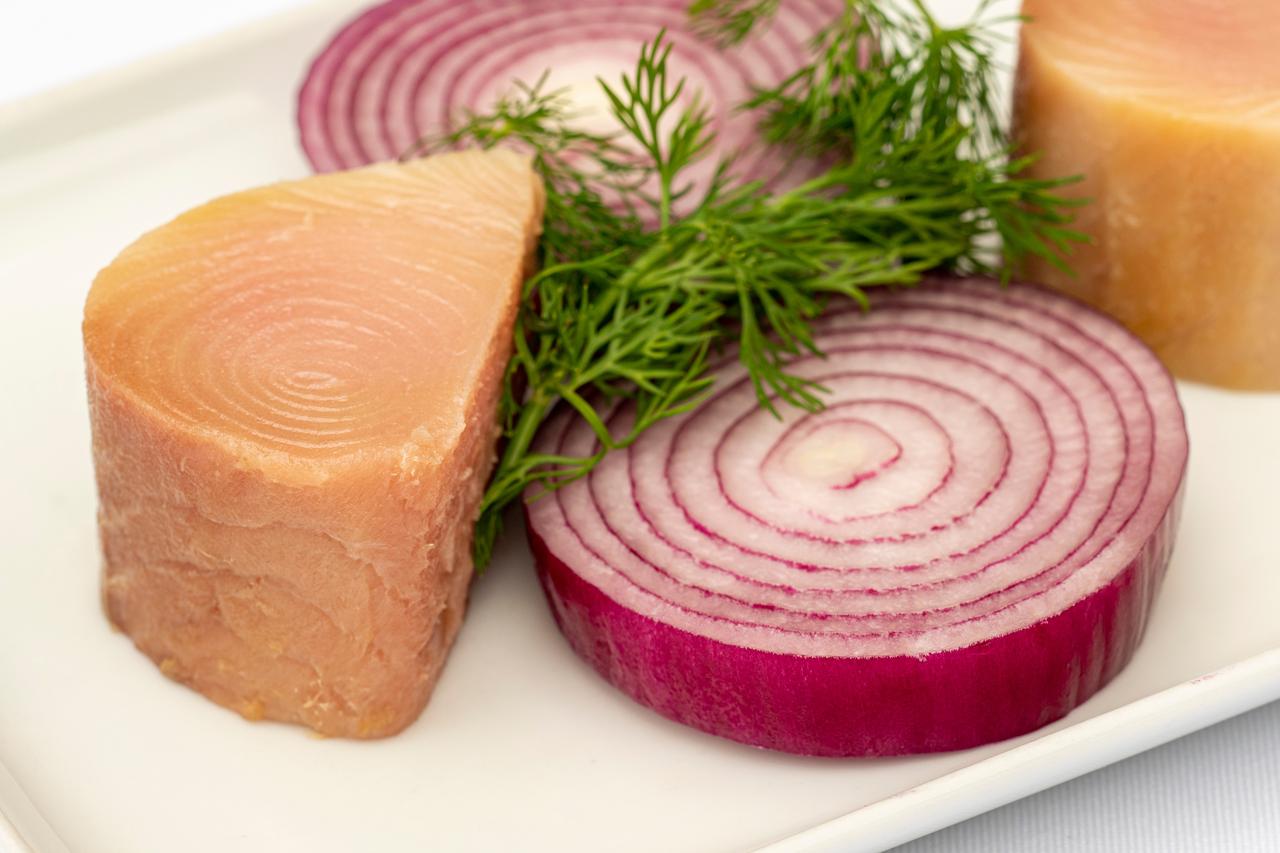
For serving: 1 small red onion, thinly sliced, a pinch of sumac, olive oil
Method
1. Clean the fish: pat the fillets dry. Run a finger along the flesh for stray bones. If any bloodline remains along the spine side, scrape it away—this is the part that turns rancid first, and rancid is the whole game lost.
2. Salt the fish: scatter a third of the salt in a non-reactive dish. Lay the fillets on top, skin-down, then bury them completely under the remaining salt and crumbled bay leaf. Press a small plate or tin directly on top to weigh them down.
3. Cure: refrigerate for 24 hours. The salt will draw out a surprising quantity of liquid—drain this off once, halfway through, so the fish isn't sitting in its own brine.
4. Rinse and rest: rinse the fillets briefly under cold water, just enough to remove the surface salt, then pat dry and let them rest on a rack in the fridge, uncovered, for a further 24 hours. The flesh should firm up and turn pale.
5. Slice and serve: slice thinly on the diagonal. Arrange with the red onion and a pinch of sumac. Finish with olive oil.
Notes
On the fish: torik is a large, mature, fatty bonito, and no amount of technique substitutes for it. Mackerel is the honest stand-in—buy it as fresh and as fat as you can find, and look for pale rather than red flesh, which is the same test Istanbul fishmongers use.
On the lemon: don't. The old guard insists lemon kills the cured aroma rather than complementing it, and on this one point at least, they are not being precious.
On the shimmer, menevis, the iridescent sheen that marks proper lakerda, takes years of practice to coax out reliably. Don't be discouraged if your first batch doesn't catch the light.


 Set as preferred source
 Set as preferred source


 2 min read