Newsletters


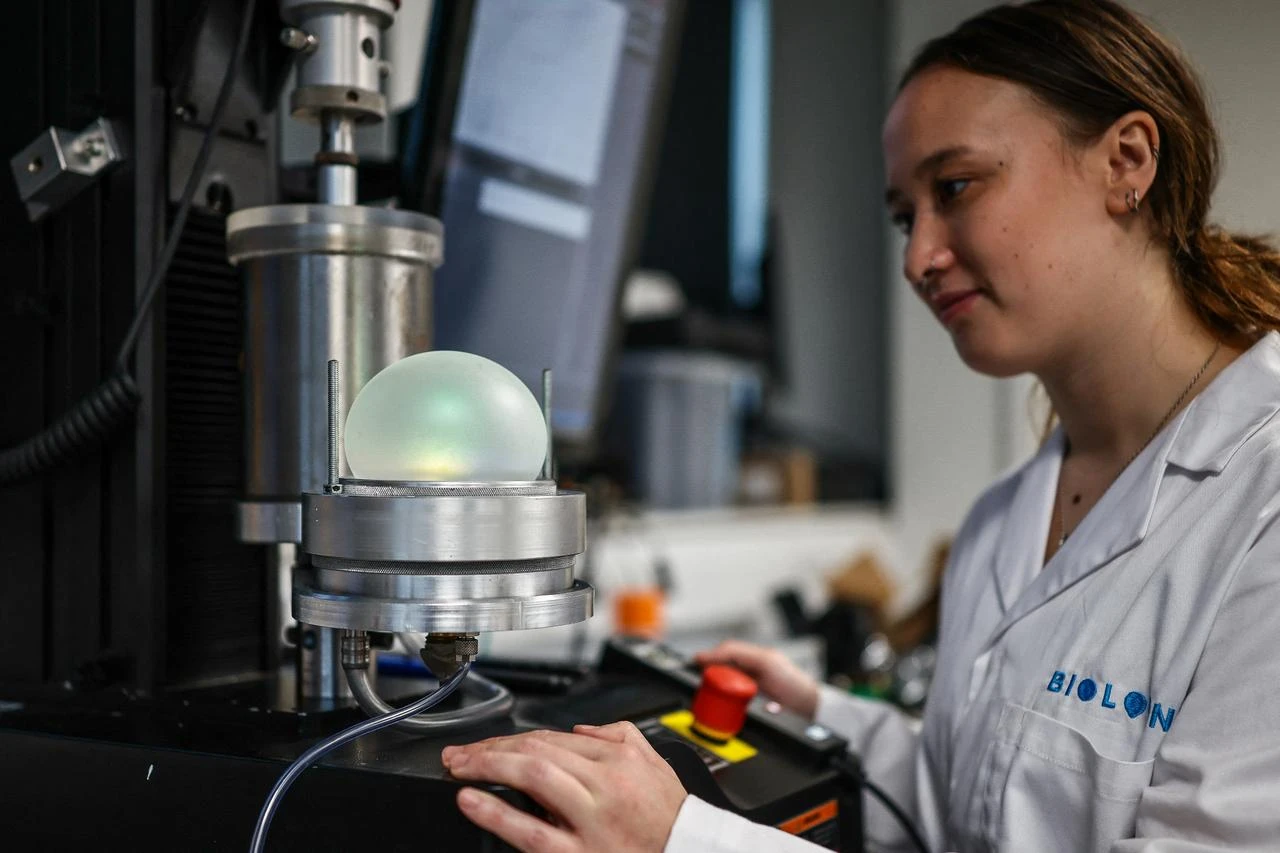


Researchers at Imperial College London have developed what they describe as the first fully biodegradable balloon, aiming to bring the product to market within two years.
The balloon, named the 'Bioloon,' is made from 100% biodegradable material and is designed to break down completely within nine months, unlike conventional balloons, according to its creators.
"So there was hundreds of trials. We had many, many failures," said Juliana Cumming, a PhD student at the university and co-creator of the Bioloon.
Cumming spent three years developing the formula. The material begins as natural latex derived from the sap of the rubber tree, native to the Amazon, a substance largely unchanged since the balloon was invented in 1824.
Conventional balloons are produced through a process called sulfur vulcanization, which adds sulfur accelerators, antioxidants, and activators to the latex. Cumming said this process prevents biodegradation and releases toxic chemicals into the environment.
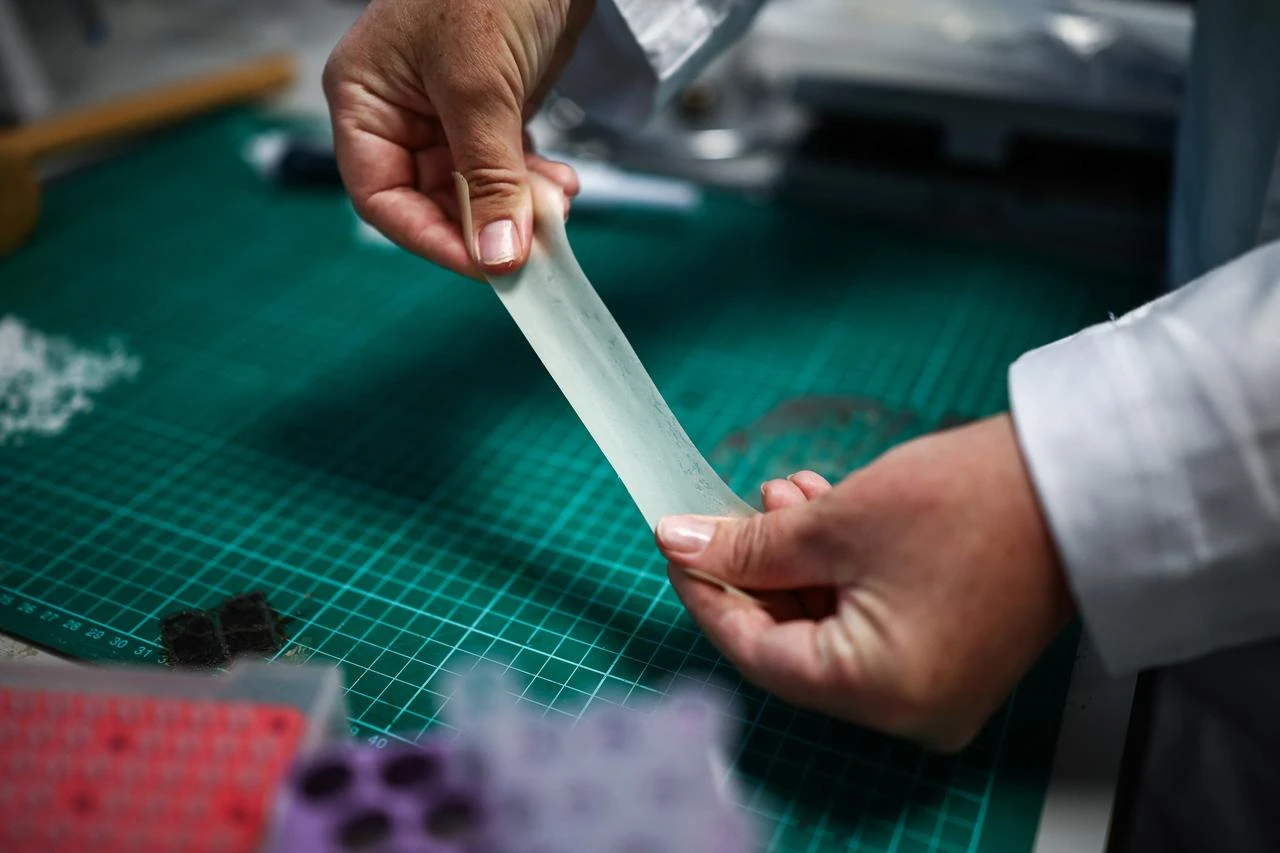
"Our balloon is still made with natural latex, but we blend it with another biodegradable polymer, and we don't add any of these additives that are used in traditional balloons," Cumming said, declining to detail the patented process further.
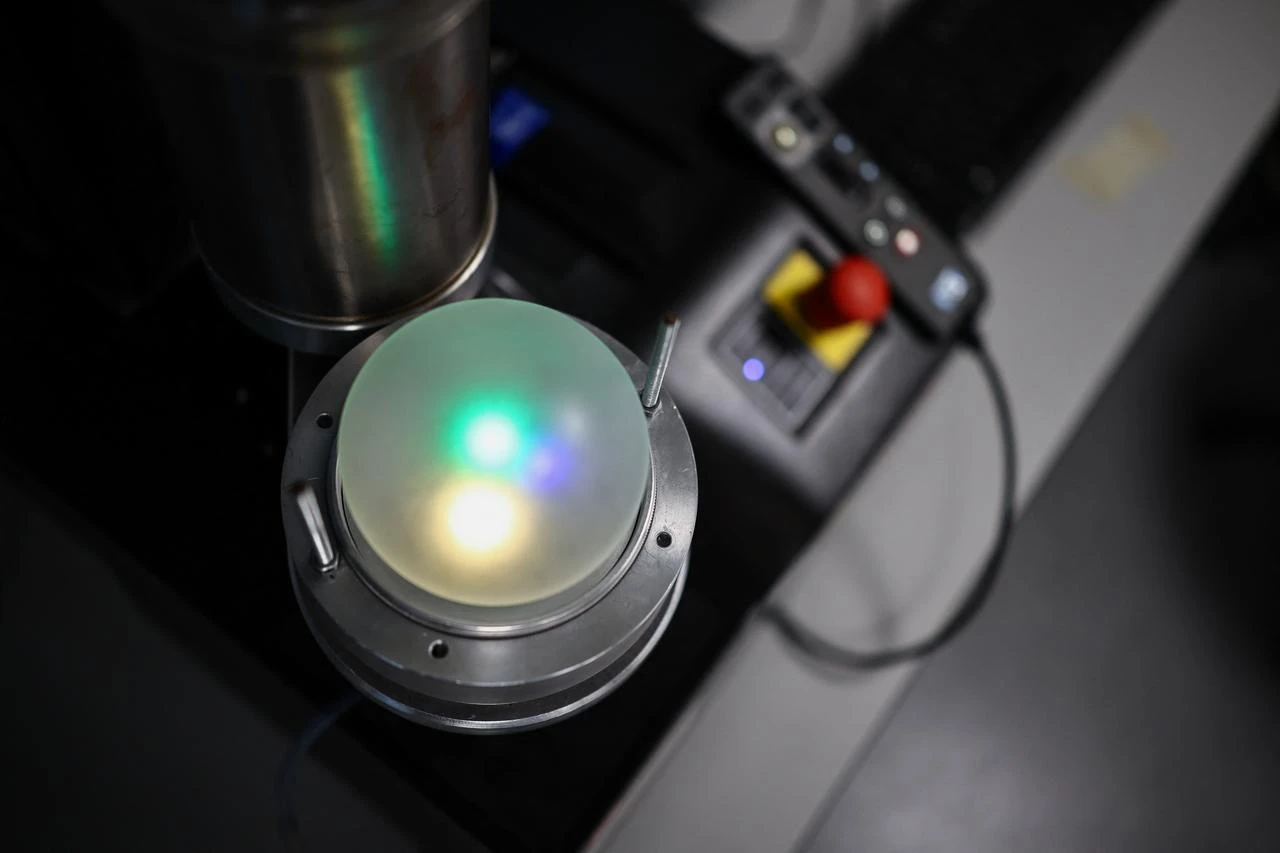

Researchers said the Bioloon was tested in soil, seawater and deionized water and degraded in all three conditions within an estimated nine months. The balloon inflates in the same way as a conventional one, according to the team.
Imperial College's department of chemical engineering estimates that people worldwide buy between 20 billion and 25 billion balloons each year.
A 2019 study by the University of Tasmania, published in the journal Scientific Reports, found balloons carried a mortality risk 32 times higher than hard plastic debris for seabirds that ingest them.
The Bioloon project originated through a partnership with events entrepreneur Charlotte Melia, who provided part of the funding for Cumming's doctoral research.
"I was a party planner for over 10 years, and... I was very sustainably focused. The final stumbling block for me was the balloon waste," Melia said.
Melia said her company was distributing thousands of party balloons weekly that were used for a matter of hours before being discarded. She said she later learned the balloons did not biodegrade despite packaging claims that they would break down at the rate of an oak leaf.
Melia and an associate contributed $41,000 (£30,000) to fund part of Cumming's research.
Melia said the technology could eventually extend beyond party decorations to products including household and surgical gloves, latex clothing and condoms.


 Set as preferred source
 Set as preferred source


 2 min read