Newsletters


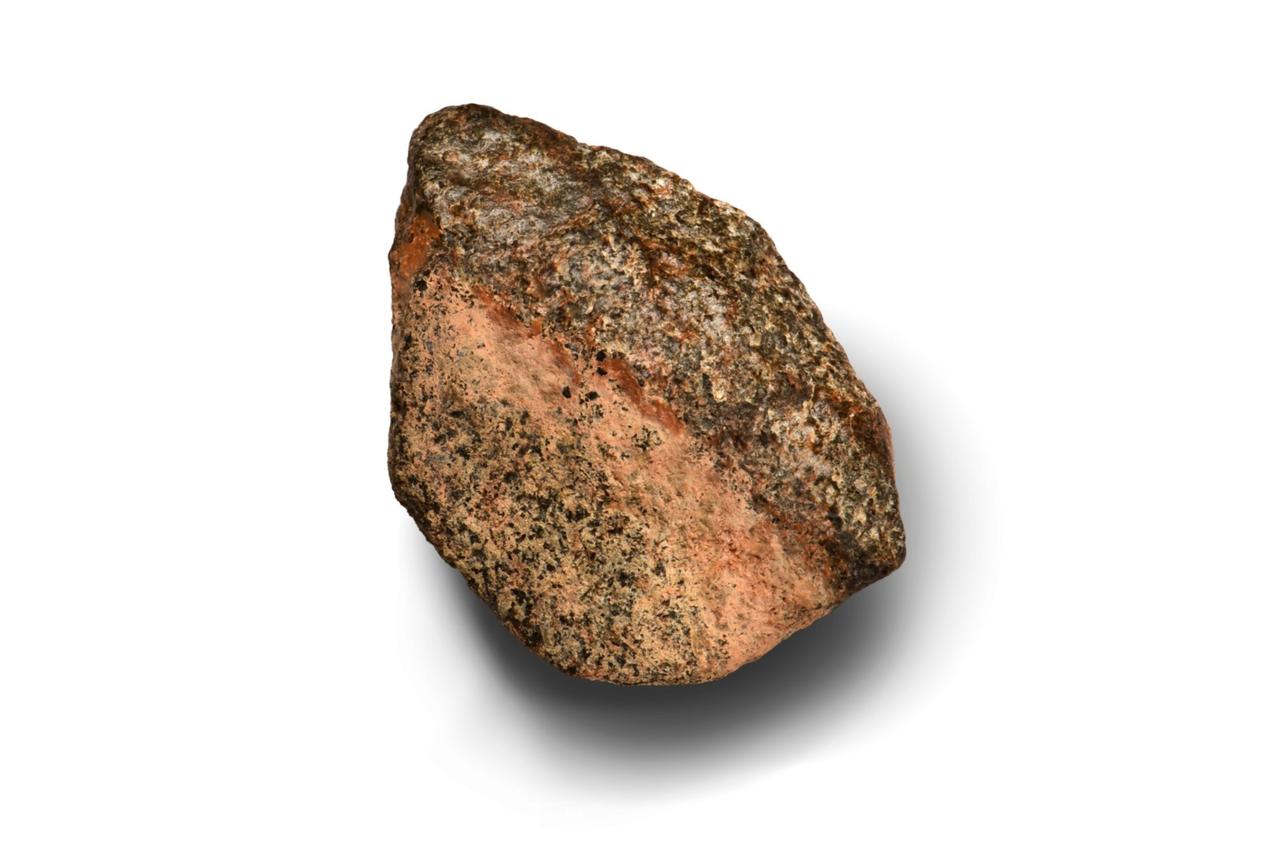


A rock found in the Sahara Desert in 2022 by nomadic meteorite hunters is a piece of Mars at least 4.1 billion years old, according to new research published in the journal Science. The meteorite, named Teghaza 001, was found in Mali, in northwest Africa.
Teghaza 001 is a crust fragment that formed in the early period of Mars, when the planet was warmer, wetter, and more similar to Earth.
Lead author Yang Liu, a planetary scientist at Caltech’s Jet Propulsion Laboratory, said the rock offers a chance to study material older than Earth's oldest rock samples.

Several hundred meteorites from Mars are known, but most carry information on only the last 600 million years of the planet’s roughly 4.5-billion-year history.
The next oldest intact ancient Martian meteorite, found in Antarctica in the 1980s, is only 10 million years younger than Teghaza 001.
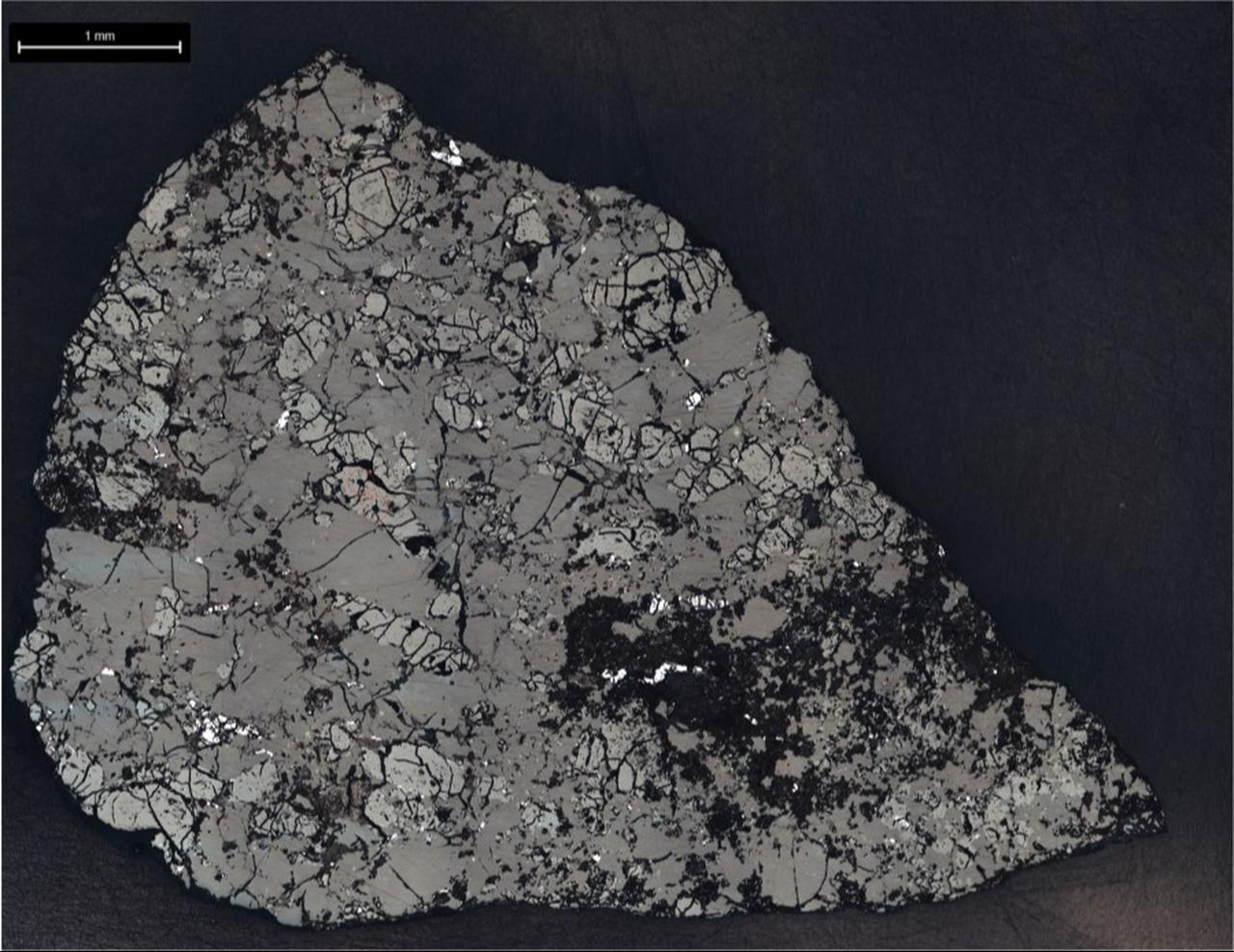
Liu and her team found zircon crystals in small meteorite samples. Zircons preserve their structure for billions of years, and their radioactive isotopes allow scientists to date rocks with high precision.
The analyses showed that Teghaza 001 is an igneous rock formed from slowly cooling magma and was once part of the Martian crust.
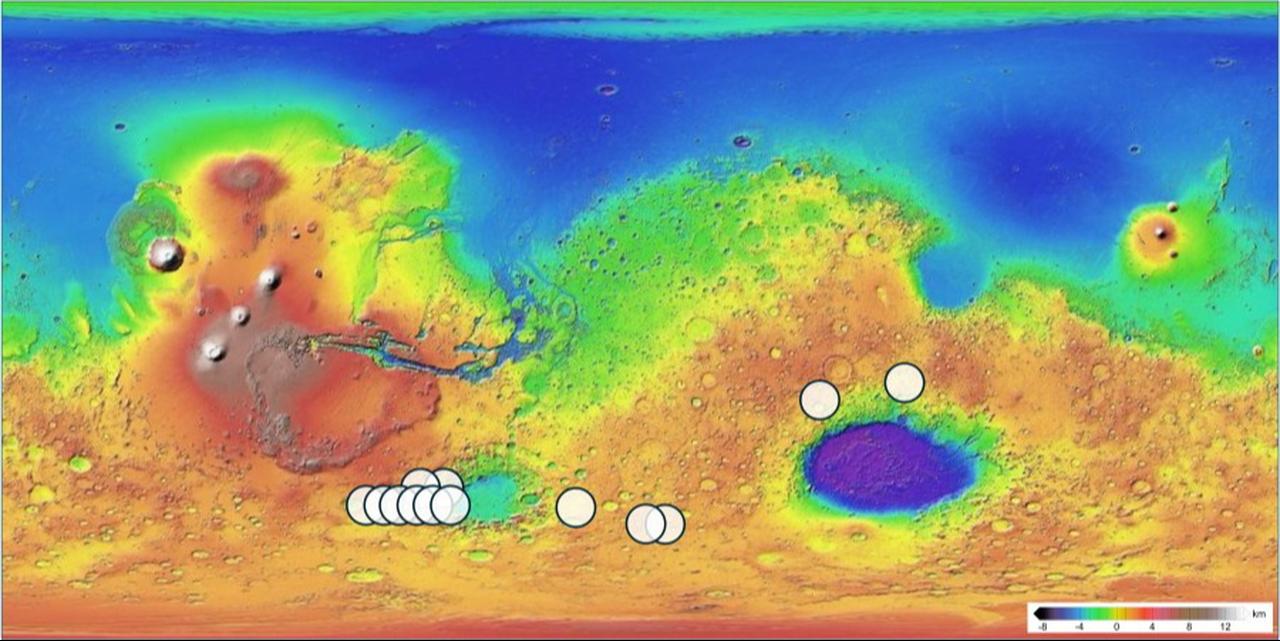
Comparing element ratios in the meteorite with surface data gathered by orbiters, the researchers found that Teghaza 001 resembles high-altitude areas in Mars’ southern hemisphere.
The cratered, rugged region is considered one of the oldest surface areas on the planet.
Another study by Liu’s team, published earlier this year, found that some minerals in the meteorite had chemically interacted with water, suggesting liquid water passed through ancient layers of the Martian mantle and crust.
According to Scientific American, hydrogen remnants trapped in the meteorite indicate that Mars began losing much of its atmosphere when the rock formed more than 4.1 billion years ago.
The planet cooled during this process and moved toward its present dry and frozen state. The team said the findings suggest the Martian mantle may be more complex than previously thought.
Mars and Earth went through similar early processes, with both forming core, mantle and crust layers as magma oceans cooled.
On Earth, tectonic activity continually buries and reshapes surface rocks, making early samples hard to find, while on Mars geological activity declined long ago, allowing ancient rocks to survive.
Arya Udry, a planetary scientist at the University of Nevada, Las Vegas, described the meteorite as a significant find but said scientists must bring samples directly from Mars to fully understand its past.


 Set as preferred source
 Set as preferred source


 1 min read


 1 min read