Newsletters


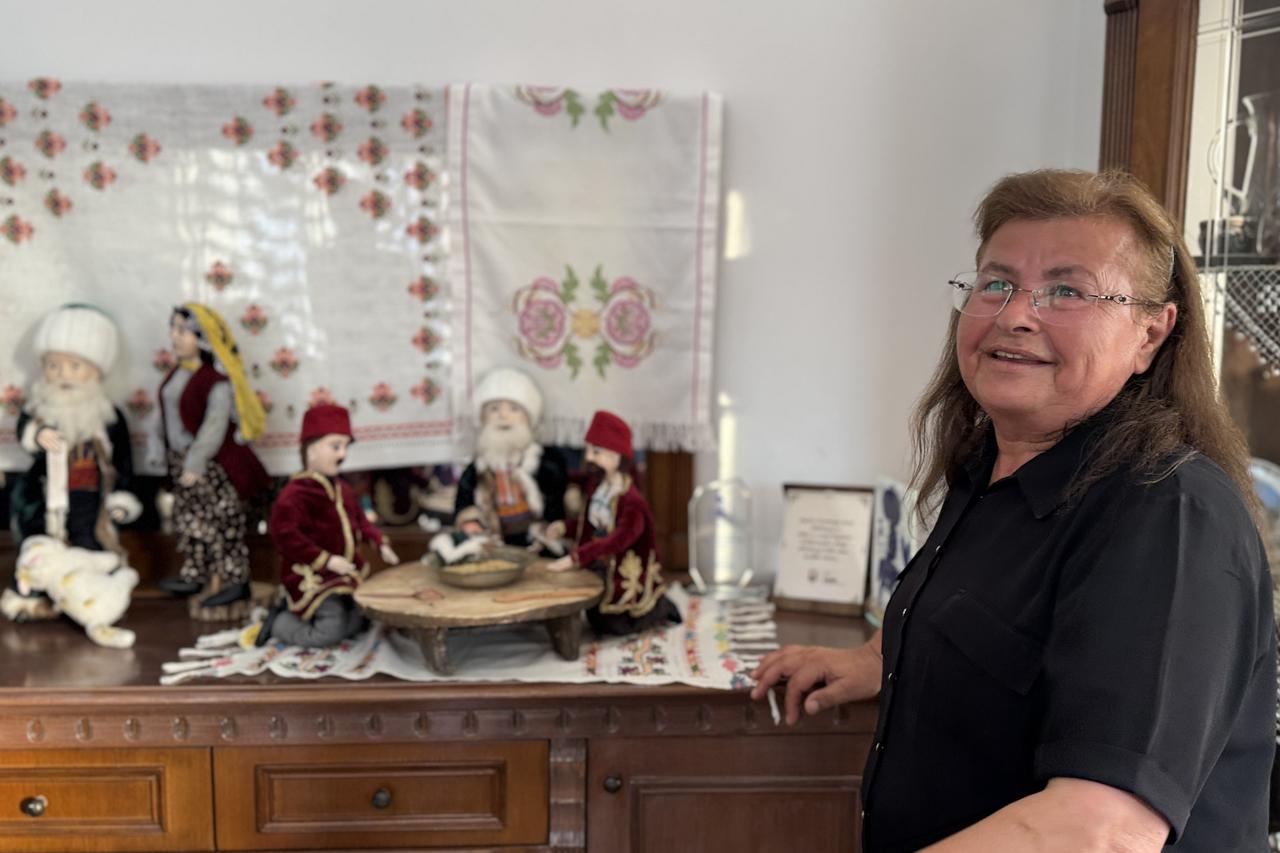


A Konya artisan is keeping the wit of Nasreddin Hodja alive one doll at a time, and the world has taken notice.
Nazike Kaban Gunduz, who crafts figures depicting the legendary humorist using kitre, a plant-based gum that thickens in water and hardens as it dries, has won first place globally in the "Best Creative Product Embroiderer" category at an international festival in Uzbekistan.
Nazike Gunduz, 60, who lives in Aksehir, carries on her craft with a single goal: rescuing handicrafts at risk of dying out and passing them on to new generations.
Recognized as a "bearer of intangible cultural heritage" following evaluations by the Ministry of Culture and Tourism for her work in the field of kitre dolls, Gunduz also teaches trainees at the Aksehir Public Education Center.
Bringing Nasreddin Hodja's anecdotes to life through kitre dolls, Gunduz also keeps alive the traditional local clothing once worn in Aksehir through her works.
Among Gunduz's works are depictions of Nasreddin Hodja's anecdotes "Eat, My Fur Coat, Eat," "He Is Churning Yogurt Into the Lake," "Whoever Pays Gets to Play the Tune," and "The Well," as well as various compositions reflecting the traditional life of Aksehir.
Bringing the "Eat, My Fur Coat, Eat" anecdote to life through kitre dolls, Gunduz depicts the story of Nasreddin Hodja, who, after being ignored at a wedding, put on his fur coat and returned to a later feast, where he was seated at the table and proceeded to feed the food to his coat.
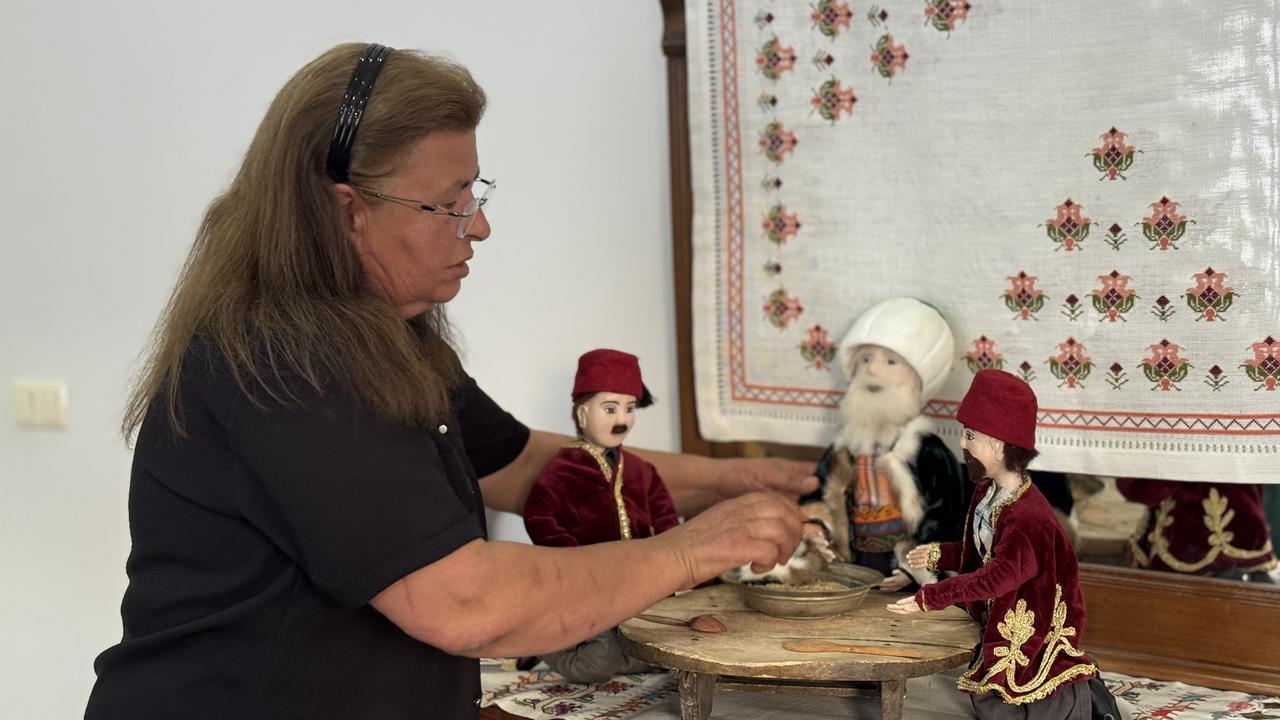

Gunduz said that the kitre doll, one of the traditional Turkish handicrafts, is made by shaping a human figure using wire, cotton and kitre.
She explained that kitre dolls are prepared to depict traditional clothing, daily life, historical figures or a story as a composition, and said this art form is kept alive by only a small number of people in Türkiye.
Gunduz said she works meticulously on every detail of the dolls. A composition depicting Nasreddin Hodja riding his donkey backwards, she noted, takes about 10 days to complete.
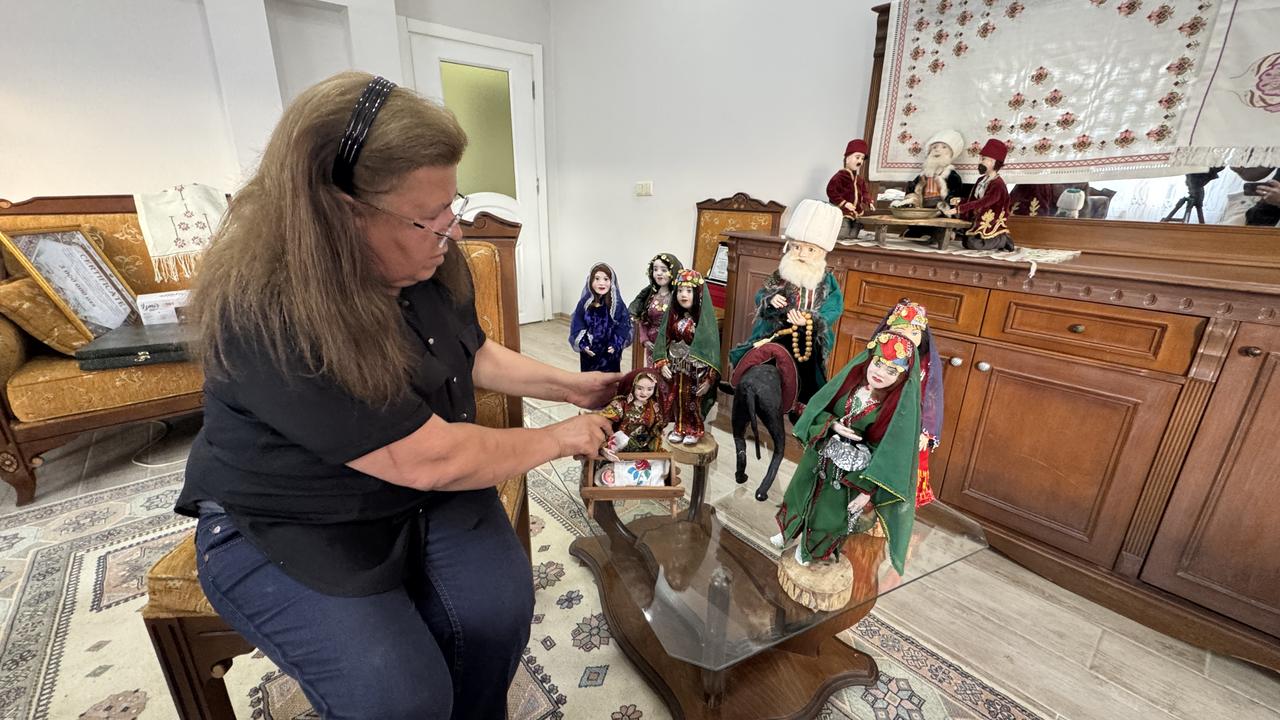
Gunduz said she has made more than 500 kitre dolls and compositions to date. She explained that through her work, she is both narrating Nasreddin Hodja's anecdotes and introducing Aksehir's local clothing, adding that she continues to keep these values alive so young people can see and learn about them and so they are not forgotten.
She said her work is shown at exhibitions and festivals, where it receives a positive response, and noted that she opened a kitre doll course this year that saw considerable demand. As a result, she said, people have now started having kitre dolls made in Aksehir as well.


 Set as preferred source
 Set as preferred source


 2 min read