Newsletters


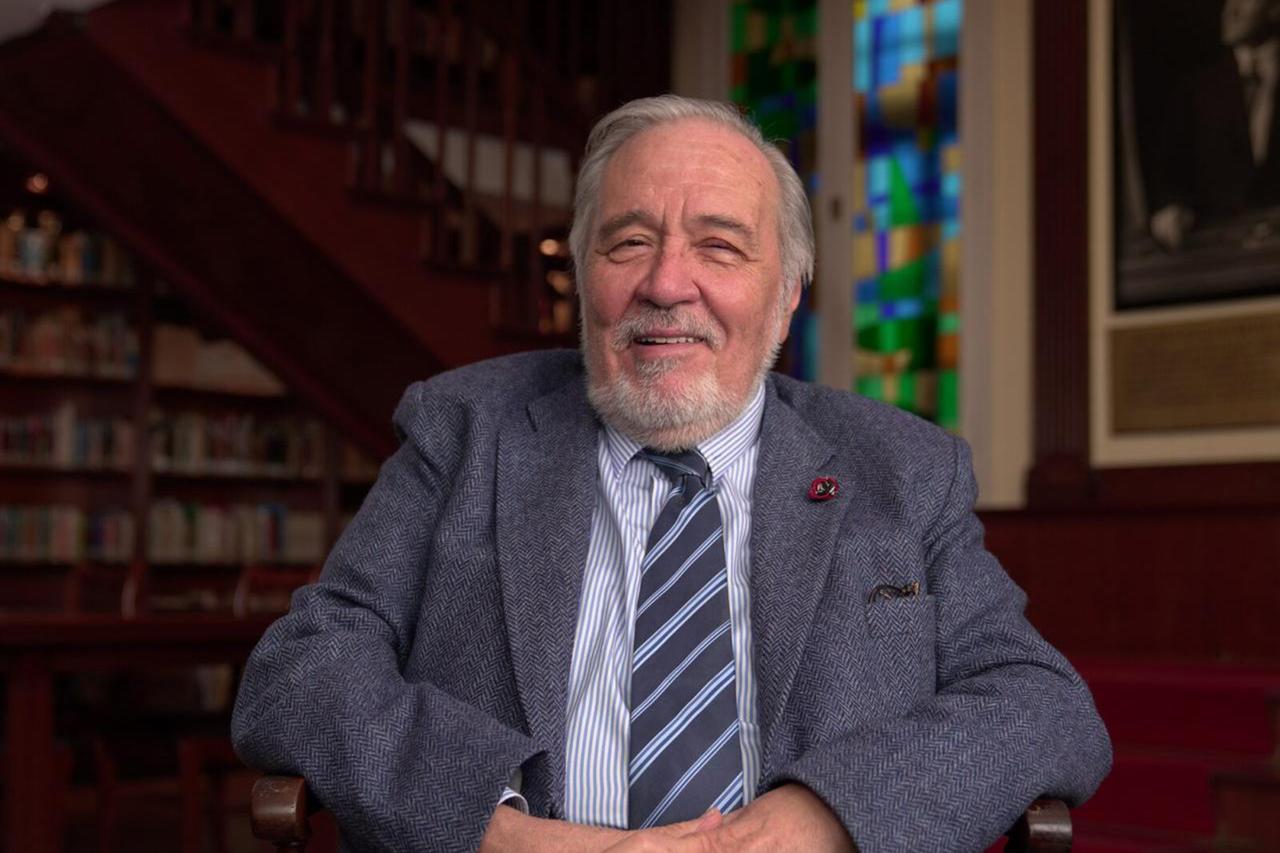


Veteran Turkish historian and public intellectual Professor Ilber Ortayli, one of the most widely recognized figures in the study of Ottoman and Turkish history, has died at the age of 78 following a period of serious health complications.
The historian had recently undergone surgery and had been receiving treatment in intensive care for several days. Earlier updates shared through his official social media account had said his condition was stable and that he was being monitored by a specialized medical team.
Ilber Ortayli was born on May 21, 1947, in Bregenz, Austria, where his family had taken refuge after fleeing Soviet repression under Joseph Stalin.
His parents were Crimean Tatars, a Turkic Muslim community historically connected to the Crimean Peninsula.
When Ortayli was two years old, the family moved to Türkiye, where he would spend the rest of his life building a reputation as one of the country’s most prominent historians.
He grew up in a multilingual environment, learning German from his father and Russian from his mother.
Over time he became known as a polyglot scholar able to read and write in numerous languages, including Turkish, English, French, Arabic, Persian, Russian, and Ottoman Turkish, the historical form of Turkish used during the Ottoman Empire.
Ortayli began his education at St. George’s Austrian High School in Istanbul before continuing at Ankara Ataturk High School. He later studied at Ankara University’s School of Political Sciences, widely known in Türkiye as Mekteb-i Mulkiye, an institution historically associated with training senior civil servants.
After completing his undergraduate studies, he moved abroad for further academic work, studying Slavic and Oriental studies at the University of Vienna before continuing his graduate education at the University of Chicago under the supervision of the renowned Ottoman historian Halil Inalcik.
He eventually returned to Ankara University, where he earned his doctorate with a thesis titled “Local Administration in the Tanzimat Period.” The Tanzimat refers to a series of modernization reforms carried out in the Ottoman Empire during the nineteenth century.
Following his doctorate, Ortayli joined the faculty at Ankara University’s School of Political Sciences and was appointed associate professor soon afterward.
In the early 1980s, he stepped down from his position in protest against the academic policies introduced after the 1980 military coup in Türkiye. Over the following years, he taught at a number of universities in Türkiye and abroad before returning to Ankara University, where he became a professor and chaired the Department of Administrative History.
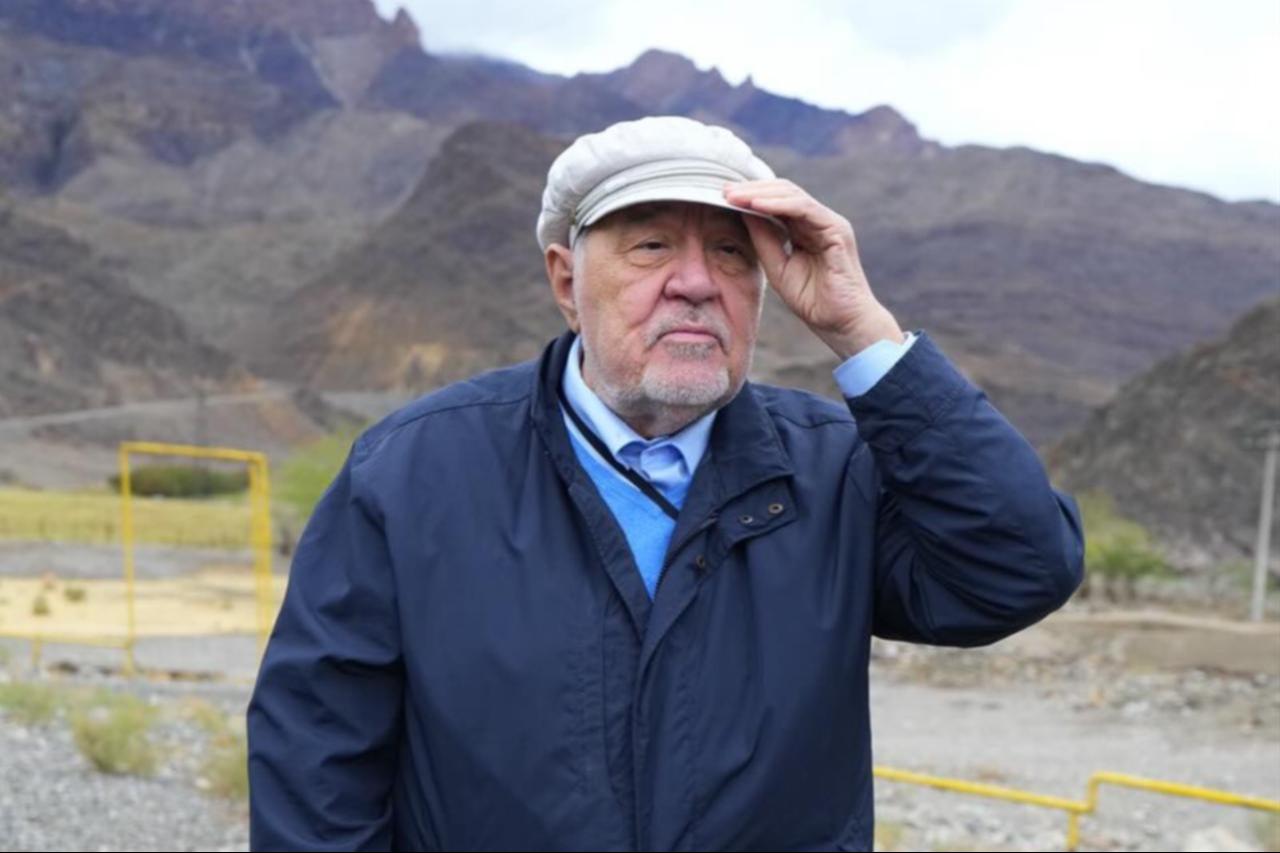

Throughout his academic career, Ortayli focused primarily on the institutional and administrative history of the Ottoman Empire, with particular attention to diplomacy, cultural exchange, and governance.
His research also explored subjects such as Ottoman-Habsburg relations, the influence of Germany in the nineteenth-century Ottoman state, and the transformation of provincial administration during the empire’s modernization period.
Among his most widely known works was “The Longest Century of the Empire,” which examined the nineteenth century as a defining period of reform and transformation in the Ottoman state.
He also wrote extensively about the social and cultural life of the empire, urban history in Istanbul, and the intellectual history of the broader region once governed by Ottoman rule.
While respected as a scholar, Ortayli became particularly well known in Türkiye for bringing historical discussions into popular culture.
Beginning in the late twentieth century, he appeared frequently on television programs, radio broadcasts, and public panels, where he discussed historical events, political developments, and Türkiye’s place in the wider world.
His ability to explain complex historical issues in an accessible language helped expand public interest in Ottoman and Turkish history. At the same time, his outspoken style and sharp criticism of what he called historical ignorance also drew public debate and occasional controversy.
In 2005, Ortayli was appointed director of the Topkapi Palace Museum in Istanbul, one of the most significant historical sites of the Ottoman Empire. The palace served as the main residence and administrative center of Ottoman sultans for centuries.
He led the institution for seven years before retiring from the position in 2012.
Beyond his museum leadership, Ortayli continued teaching at several universities, including Galatasaray University, Bilkent University, and later Medipol University, while also writing books and appearing regularly in media discussions about history and culture.
Ortayli’s contributions to historical scholarship earned him several international honors.
In 2001, he received the Aydin Dogan Foundation Award for History in recognition of decades of academic work and his efforts to popularize historical knowledge in Türkiye.
In 2007, he was awarded the Pushkin Medal by Russia for his role in promoting the study of the Russian language and culture and encouraging cultural exchange between nations.
He was also elected as an honorary member of the Macedonian Academy of Sciences and Arts and maintained affiliations with several academic organizations, including the Austrian and Turkish academies of sciences.
With his death, Türkiye loses one of the most recognizable voices in the study and public interpretation of its past.


 Set as preferred source
 Set as preferred source



 6 min read