Newsletters


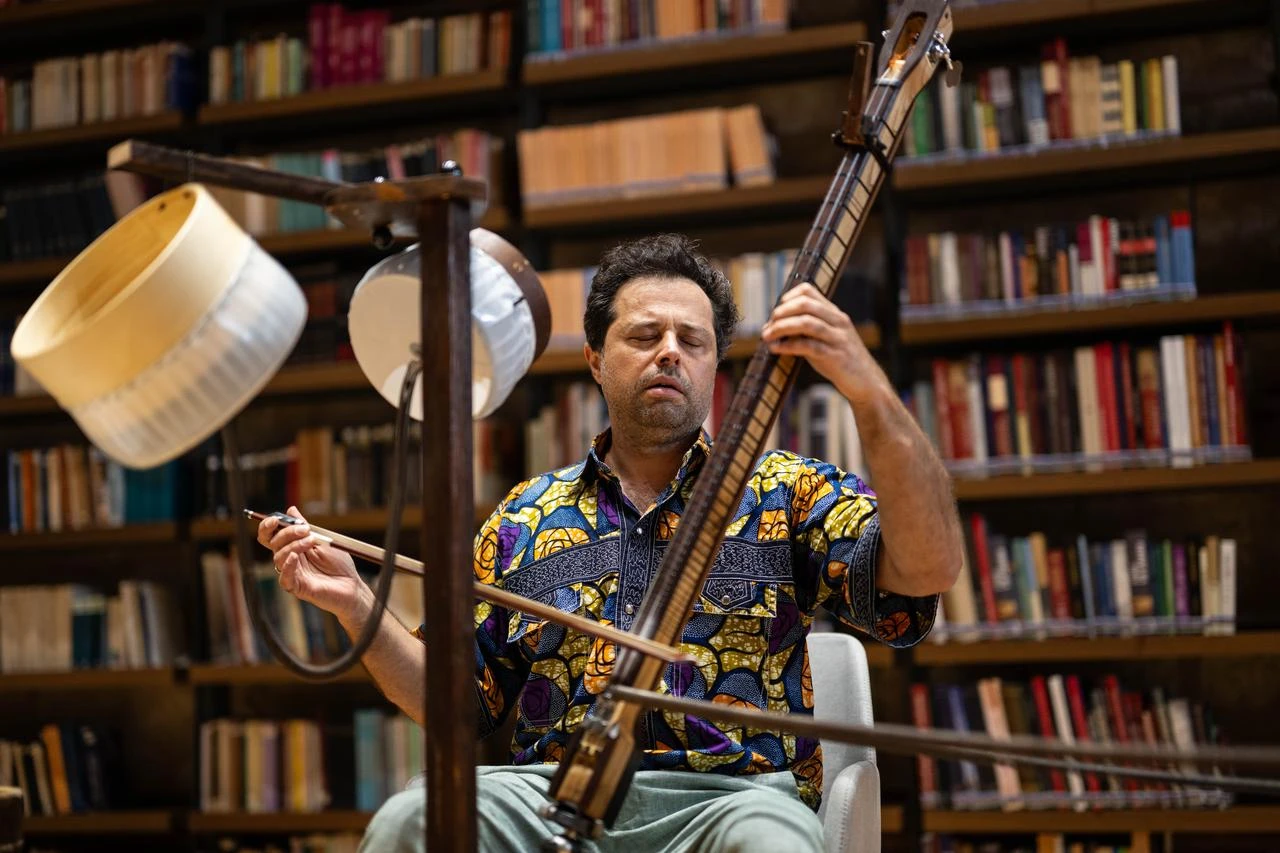
Musician Gorkem Sen has spent more than a decade building his own instruments to find sounds no traditional instrument can produce
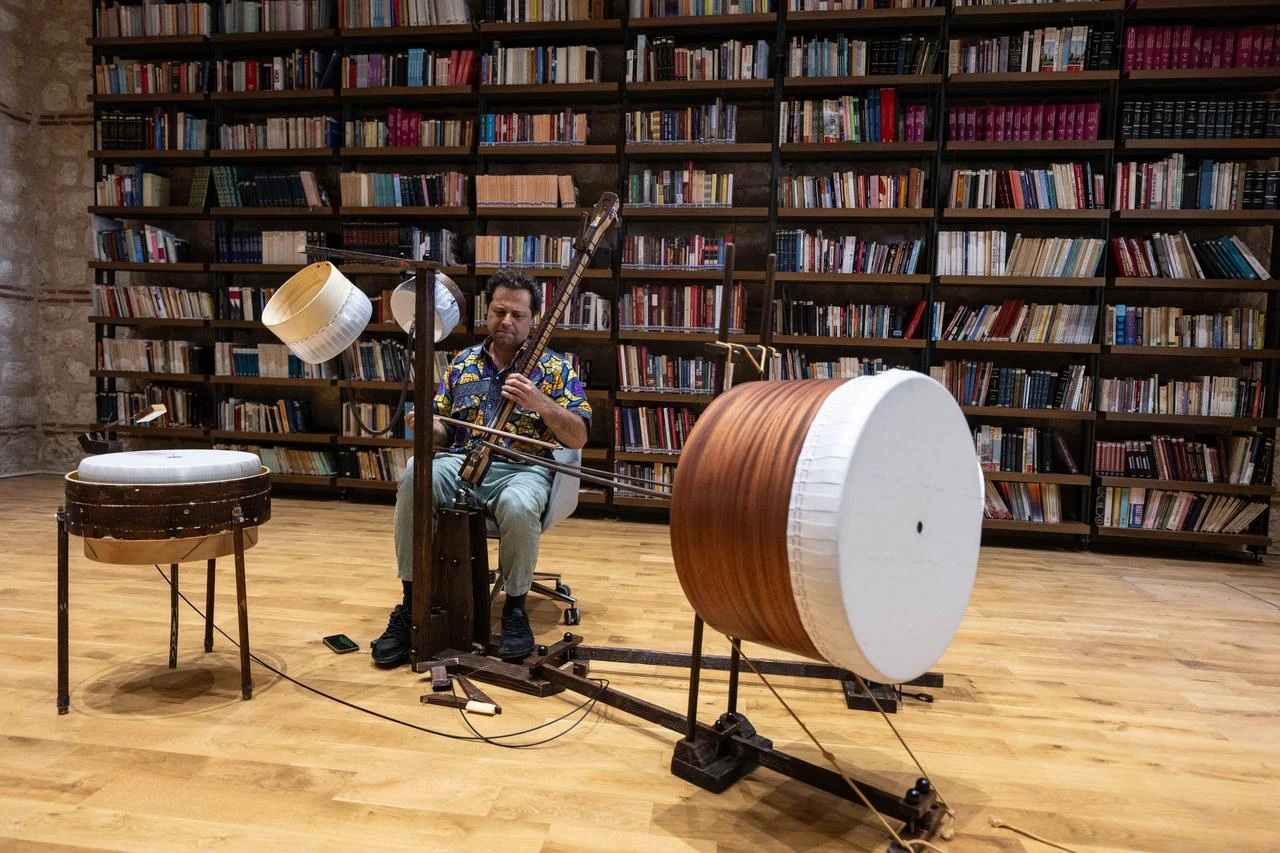
His acoustic invention, the yaybahar, blends the character of traditional instruments with an entirely original voice, carrying his work far beyond Türkiye's borders and into scores, exhibitions and stages around the world.
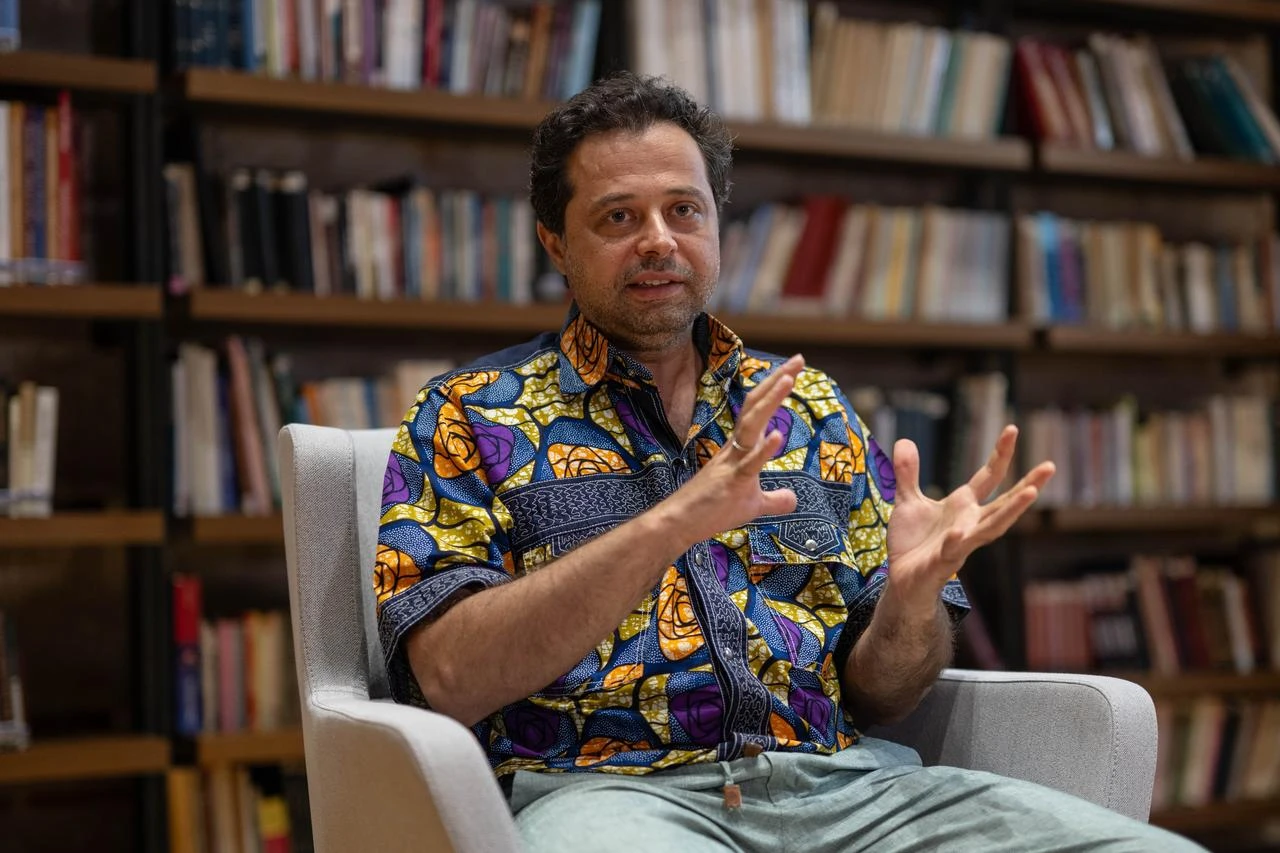
At 13, Sen suffered a brain hemorrhage in an accident and spent a year unable to move. When he recovered, he picked up his older sister's guitar, marking the start of a lifelong search for sound. A friend's self-written song later left a deep impression, pushing him to look for his own voice as a musician.
Sen experimented widely in the years that followed, moving between electronic setups, computers and regional folk instruments.
He tested both acoustic and electronic approaches to composition, constantly asking what new sound might come next. The search eventually led him toward traditional instruments and musical traditions from across the world.
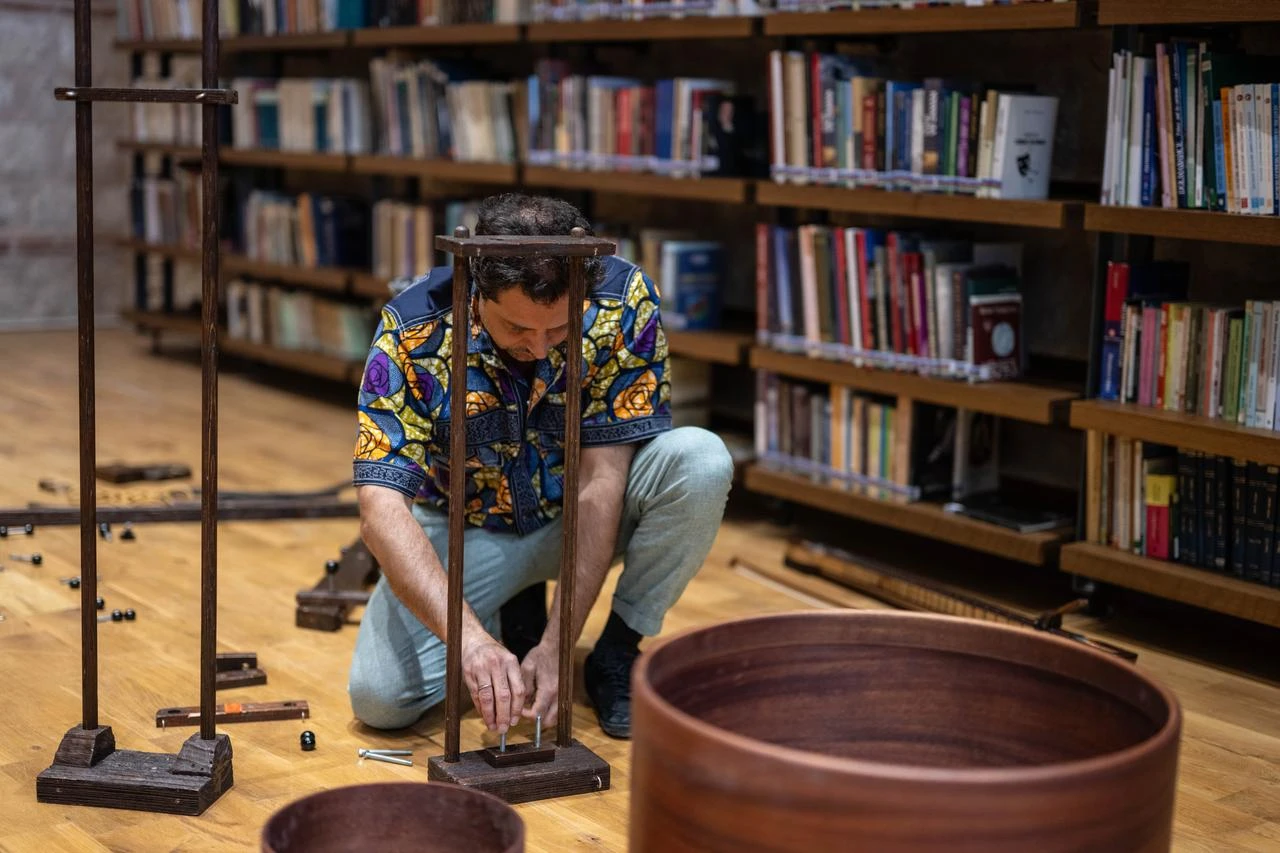
Sen briefly leaned toward sound engineering before choosing the creative side of music instead, studying on scholarship at Istanbul Bilgi University.
His years there broadened his outlook and set him on a path toward a long-held ambition: building an orchestra made entirely of instruments of his own design.

A book proved pivotal to that ambition. Sufi Inayat Khan's "Music, the Human and the Universe" convinced Sen that music carried a sacred dimension, and the idea stayed with him.
He recalls dreams in which he heard the sound of the yaybahar long before he had built the instrument itself.
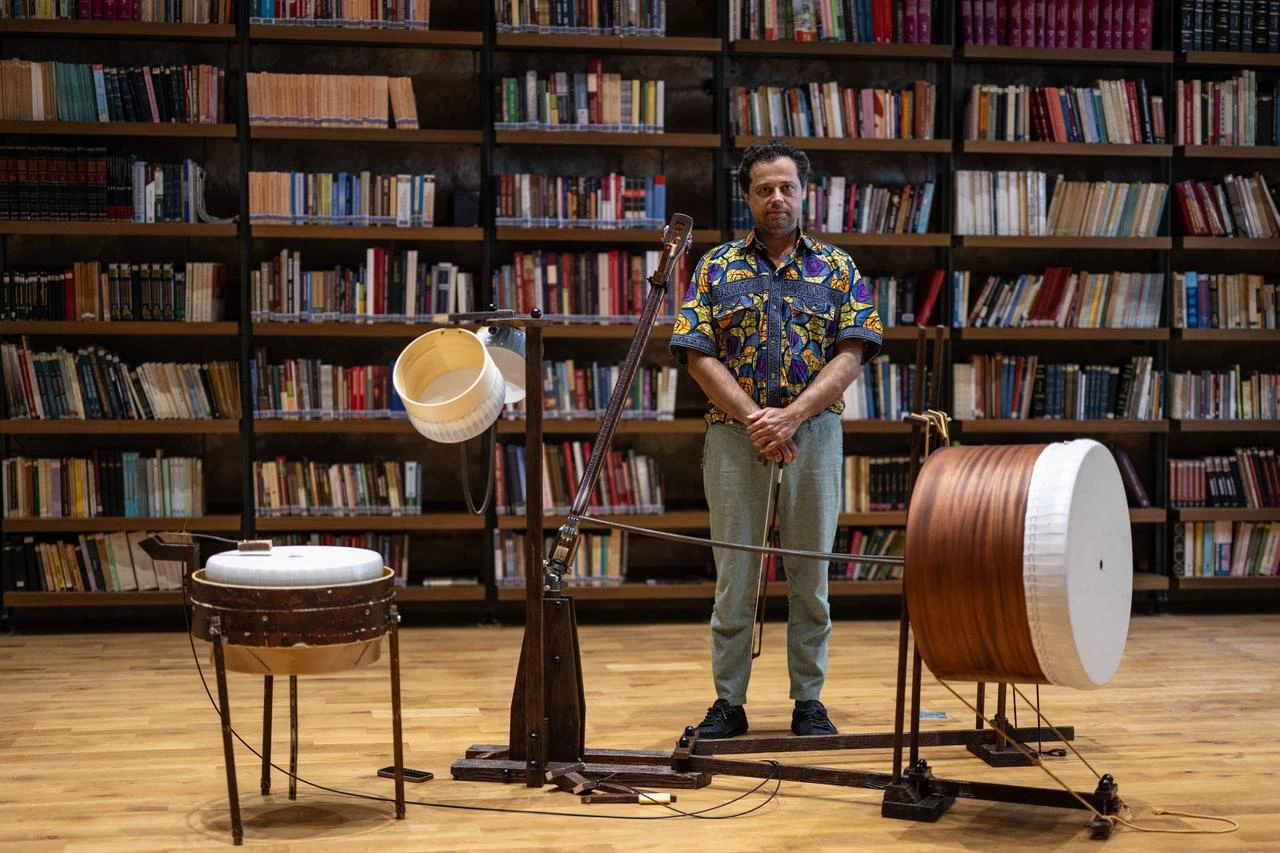
Sen spent four to five years researching traditional instruments and musical traditions worldwide, drawing inspiration that raised a new question in his mind: could he design an entirely new instrument?
Creating original music, he concluded, meant designing original instruments to make it with.
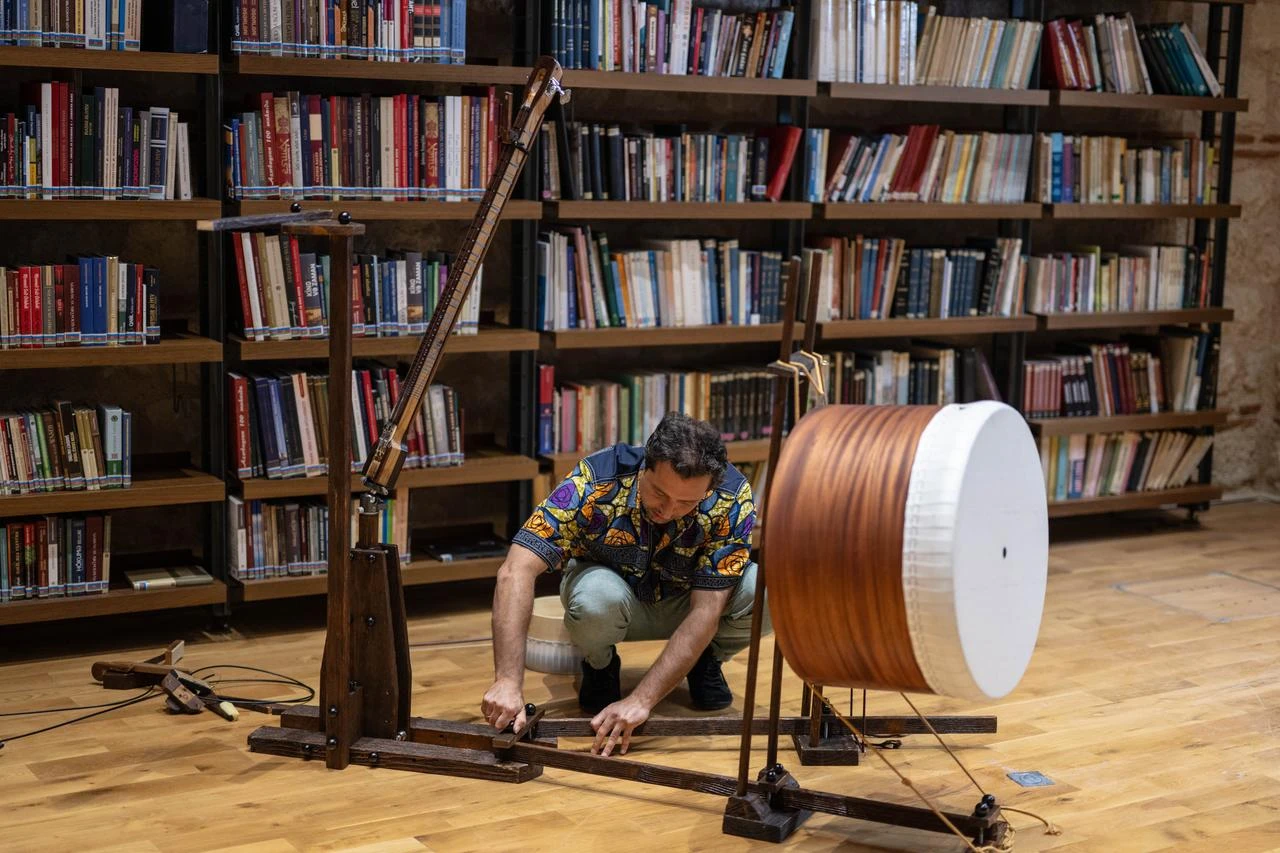
What followed was effectively a personal laboratory. Sen designed around 30 prototype instruments before the yaybahar took shape in 2012, an entirely acoustic design in which string vibrations pass through spiral springs into membranes, producing sound without any electronic component. He has devoted the last 16 years largely to refining it.
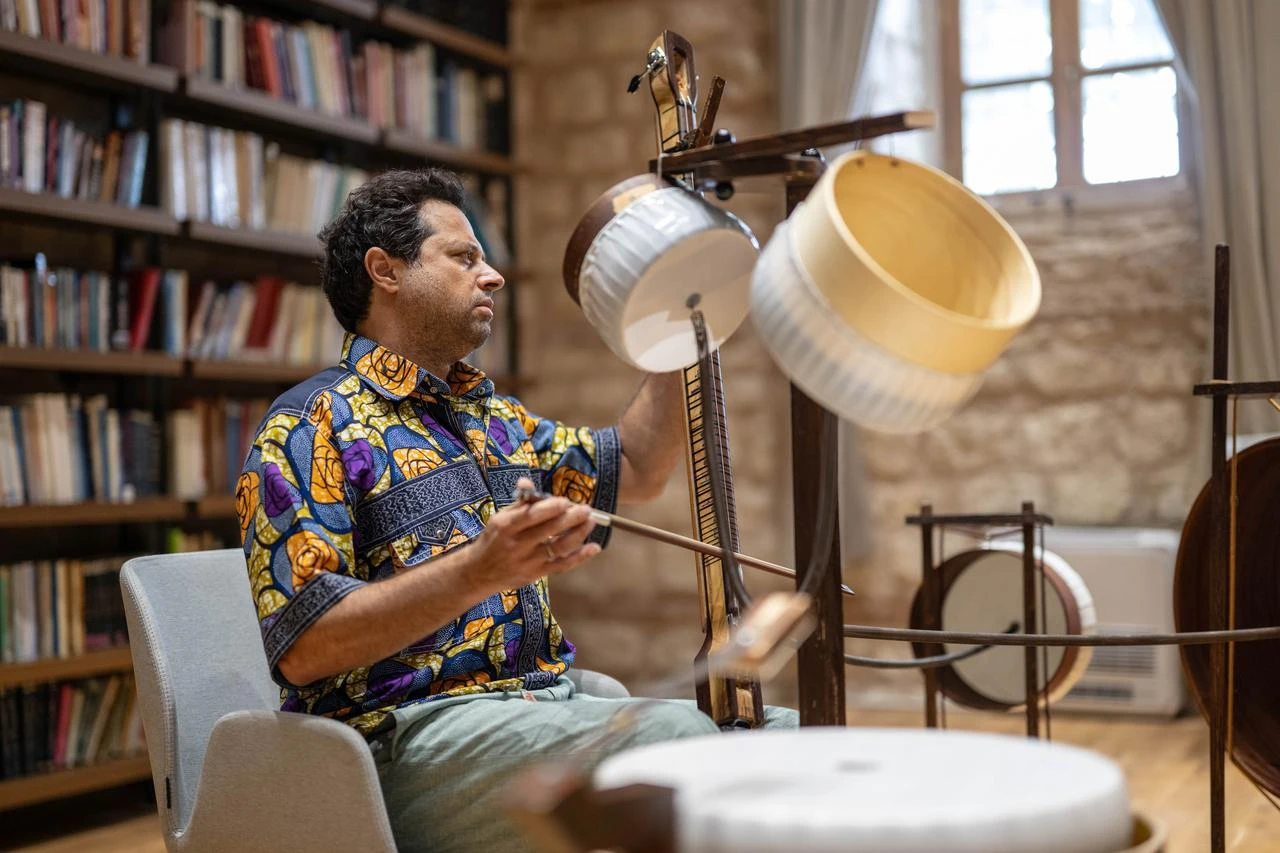
In 2015, Sen entered an instrument competition in the United States, winning two awards, while his submission video drew two million views within a week.
The exposure carried the yaybahar onto the international stage, leading to solo concerts in 30 countries and collaborations with composers including Hans Zimmer and Max Richter on film and documentary scores.

 2 min read
 1 min read


 Set as preferred source