Newsletters


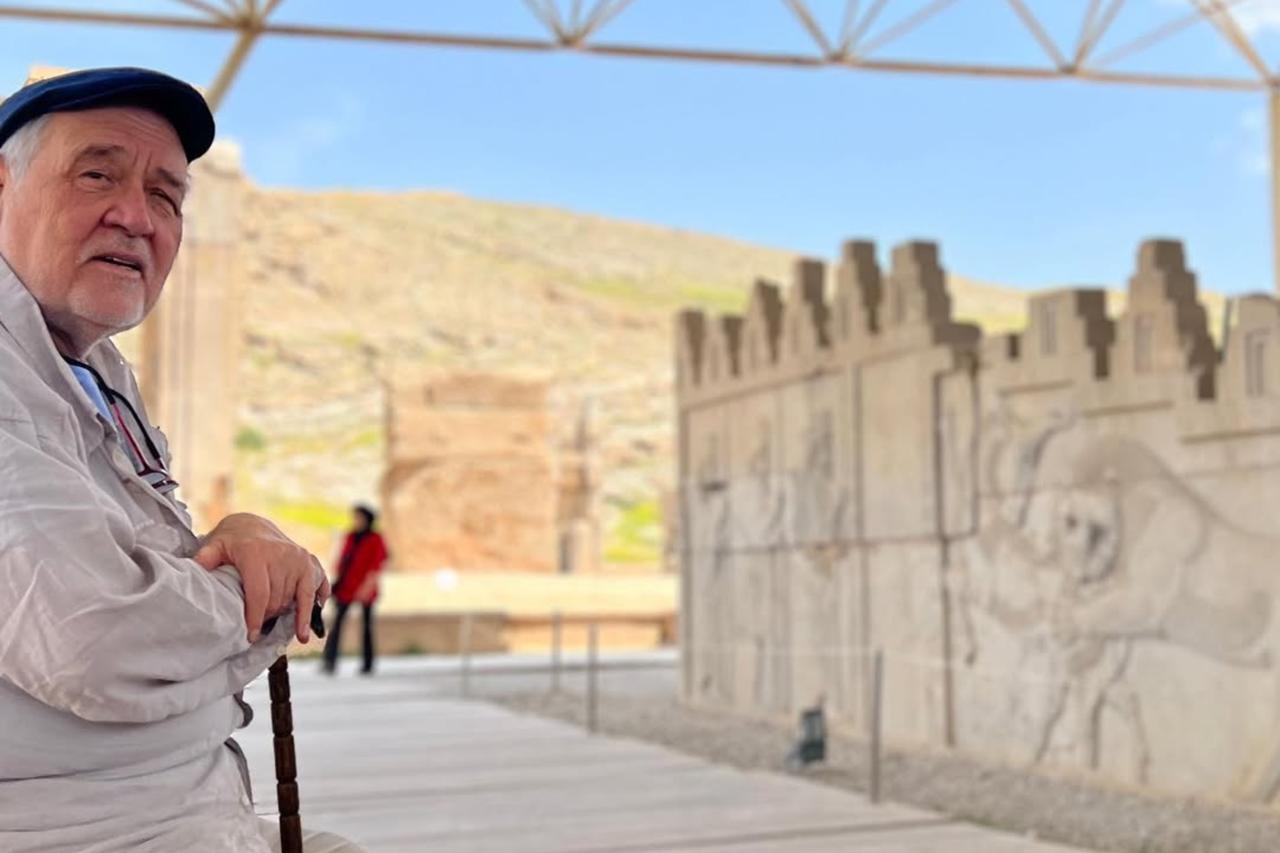


The passing of one of Türkiye’s most prominent historians came at a striking moment in the region’s history. As tensions and war grip neighboring Iran, Türkiye bid farewell to Professor Ilber Ortayli, who had spent decades reminding his country of its deep cultural and historical ties with that very land.
Professor Ilber Ortayli, widely regarded as one of the giants of Ottoman historiography, was far more than a historian of empires. He was also a keen student of Iranian history and culture. Through his writings, lectures, and television appearances, he inspired generations of Turks to look beyond political tensions and rediscover Iran as part of their shared historical world.
On Friday, Türkiye lost one of its greatest historians. Ortayli, born in 1947 and known for his vast scholarship and charismatic public presence, passed away in Istanbul at the age of 78 after receiving medical treatment.
He especially specialized in what he called the Empire’s longest century. International readers can enjoy his magnum opus, ‘The Empire’s Longest Century’, as well as his select works and numerous academic articles in various languages. Professor Ortayli was a polyglot. Beyond the Ottoman sources, he could use archives in English, French, German, Russian, Latin, Italian, and Persian. This gave him the ability to conduct his research in a widely comparative manner.
Professor Ortayli, however, was a great communicator for Turks, opening new windows into their collective consciousness. With his immense historical knowledge of Ottoman, European, and Middle Eastern history, he was a multi-layered intellectual. His larger-than-life personality and charisma made it a charm to listen to him. Turkish society is not known for its love of reading. Turks are an oral society, and they loved to listen to him. He did have his critics. Nevertheless, his critics had to praise his work as a historian and someone who popularized history in Türkiye.
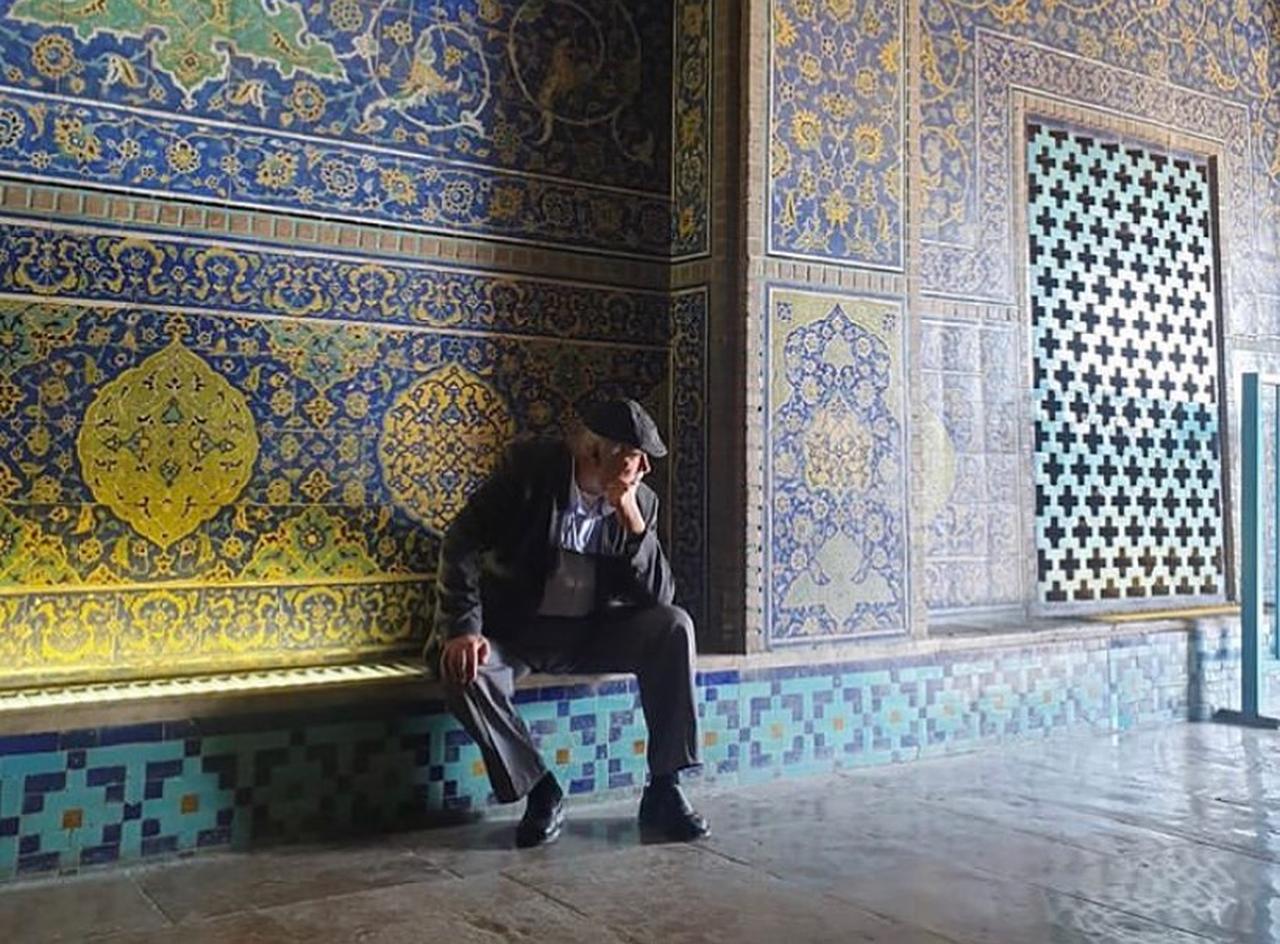

One of Ortayli’s defining features was that he was an avid traveller. He was also a travel writer, and he encouraged Turkish people to travel more. Ortayli noted that Turkish society usually chose to travel to the West. They avoided countries that were historically and culturally important for Türkiye. Ortayli rightly argued that for Turkish people, there was a wide and familiar cultural geography to be explored beyond Europe and North America. It was a world that did not demand visas from Turkish citizens. There, Turks were more welcome. They could even communicate with locals in their own language. More importantly, they could explore the roots of their identity and culture. For Ortayli, the Ottoman and Turkic geography includes the Balkans, West Asia, the Caucasus, and Central Asia. And for Ortayli, Iran was at the heart of his world of travel.
Perhaps, leaving aside history buffs, many around the world do not know the importance of Iran in Turkish history. For the past millennium, Turkish dynasties ruled Iran, including the most influential ones, the Seljuks, Safavids, and Qajars. Iran was the corridor through which the Turks moved towards the west from the Central Asian steppes to reach Anatolia and the Balkans. Today, Turks constitute an important element of Iranian society. Turkish is spoken and understood on average by a third of the Iranians. A Turkish traveller would be able to easily navigate in Iran by speaking nothing but Turkish. However, Turkish society has had an orientalist view of Iran. In recent memory, after the Iranian Revolution, Türkiye saw Iran as a potential threat to its secular system. Ortayli wrote how he was warned by the Turkish border police in the 1980s to think twice before crossing into Iran. Travelling to Iran could be a red flag in Ortayli’s record, who taught at a public university. Ortayli did not view the Islamic regime positively, but he believed culture should rise above contemporary politics.
In his autobiography, Ortayli listed Iran as one of his special interests. He was fluent in Farsi. He was also a member of European Iranists, Societas Iranologica Europaea. As Ortayli became a household name in Türkiye, his articles and TV programs on Iran as an integral part of Turkish history and culture helped break the prejudices in Turkish society against Iran.
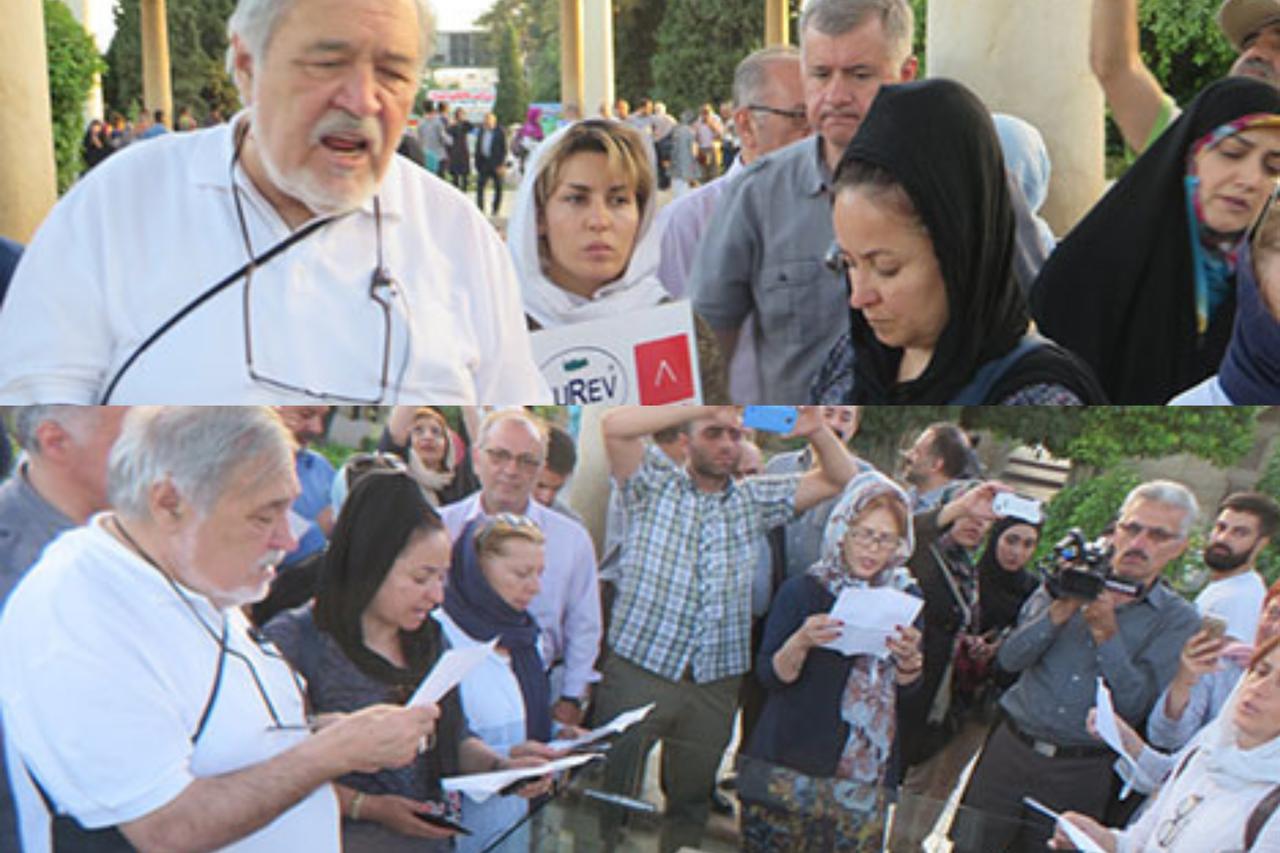
In his autobiography, Professor Ortayli tells a charming story. As he visited the Hafez Mausoleum in Shiraz, he fell into a state of euphoria and began reciting a classic poem by Turkish poet Yahya Kemal Beyatli in Turkish. The poem told the story of a "bleeding-colored" rose that blooms every morning in the garden of Hafez's tomb. Iranians who listened to him felt the music of the words he uttered. They gave him cards with pictures of roses on it. They had understood the word ‘gul’ in the poem. It means rose in Turkish and flower in Farsi. That moment for Ortayli was a moment he witnessed how the music in poetry transcended languages, and he understood the cultural sphere to which Türkiye belonged.
Professor Ortayli witnessed the ongoing war in Iran in his last days, unfortunately he will not be around to see the end of it.


 Set as preferred source
 Set as preferred source



 6 min read