Newsletters


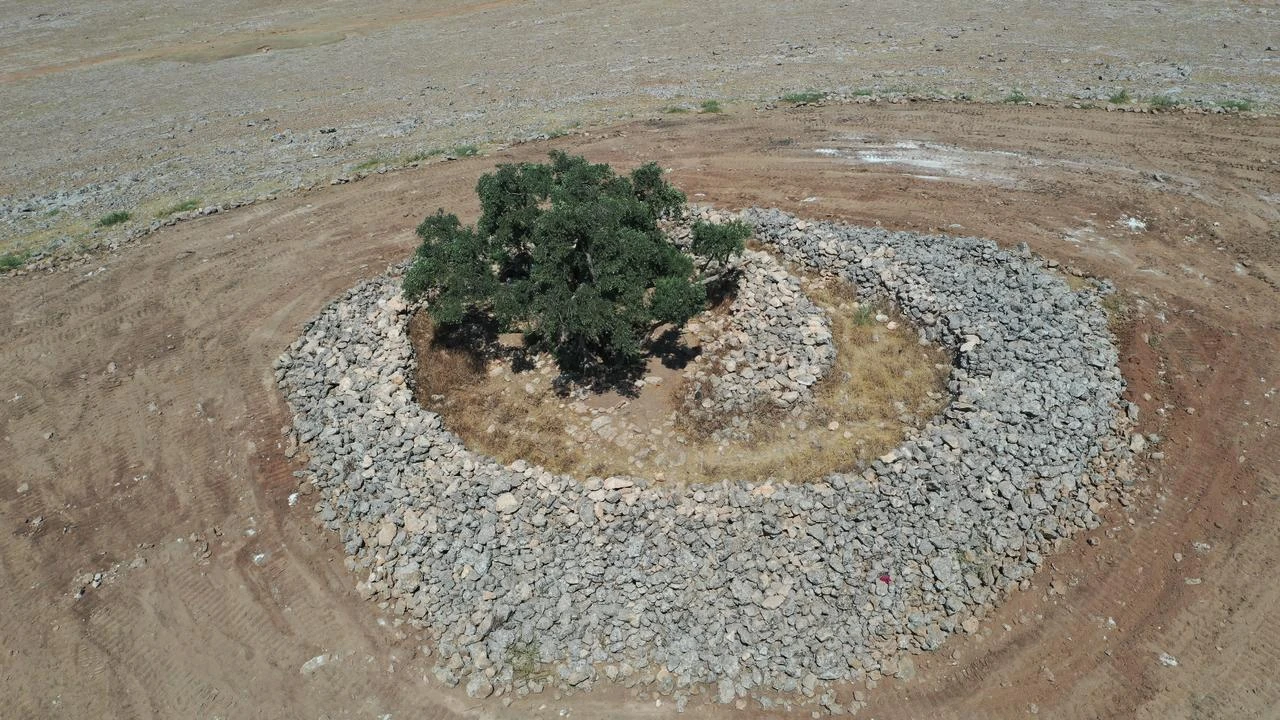
In the rural Altinbasak neighborhood of Sanliurfa's Eyyubiye district, a registered olive tree known as "Cudi" has stood atop a dominant hilltop overlooking the surrounding steppe for an estimated 1,332 years, continuing to produce fruit despite its extraordinary age.
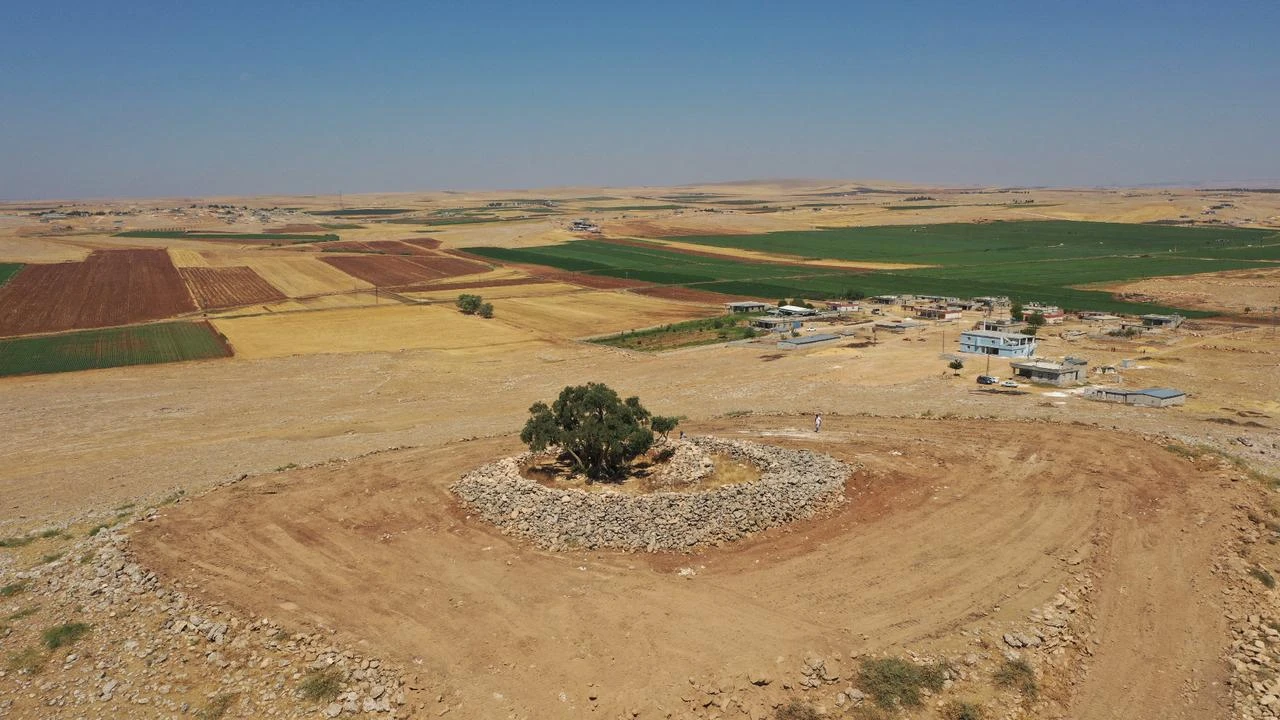
The historic tree was officially registered by the Sanliurfa Regional Commission for the Protection of Natural Assets in 2007, formally recognizing its status as a natural monument worthy of preservation.
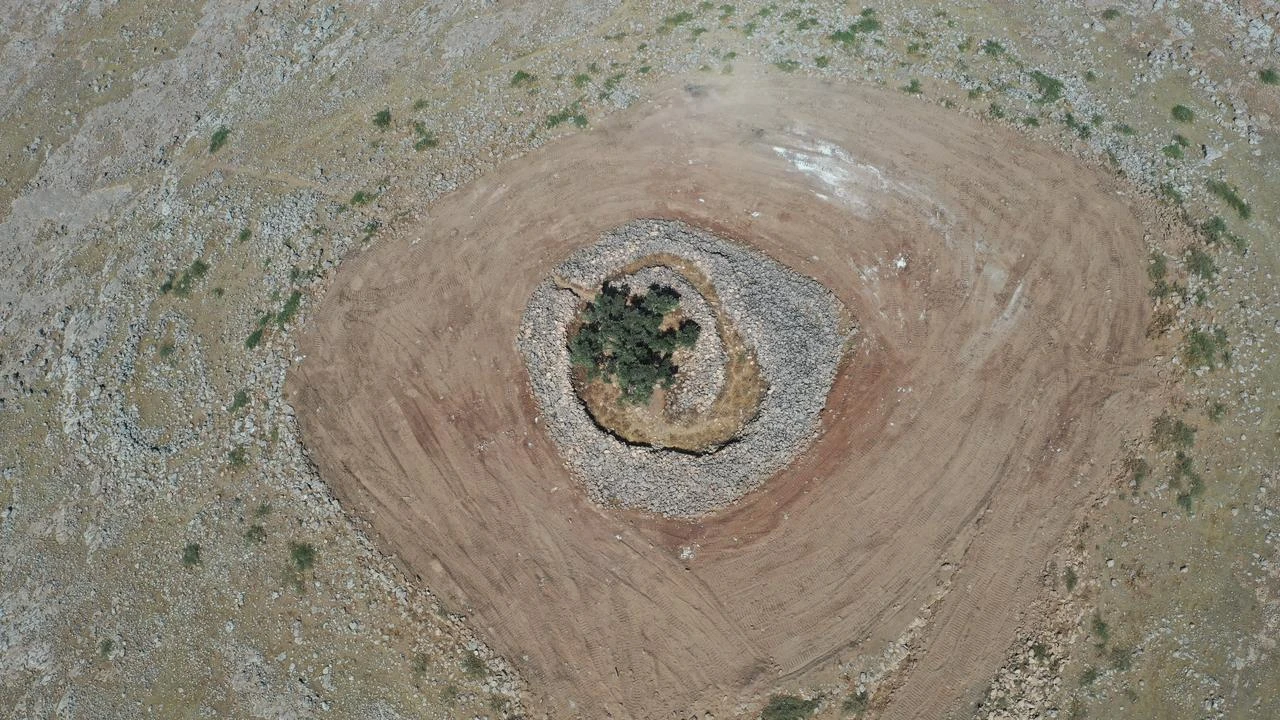
Despite receiving no irrigation throughout its 13 centuries atop the hill, the tree yields an average of 50 kilograms of olives every year, a figure local agricultural officials describe as consistent with the broader region's productivity.
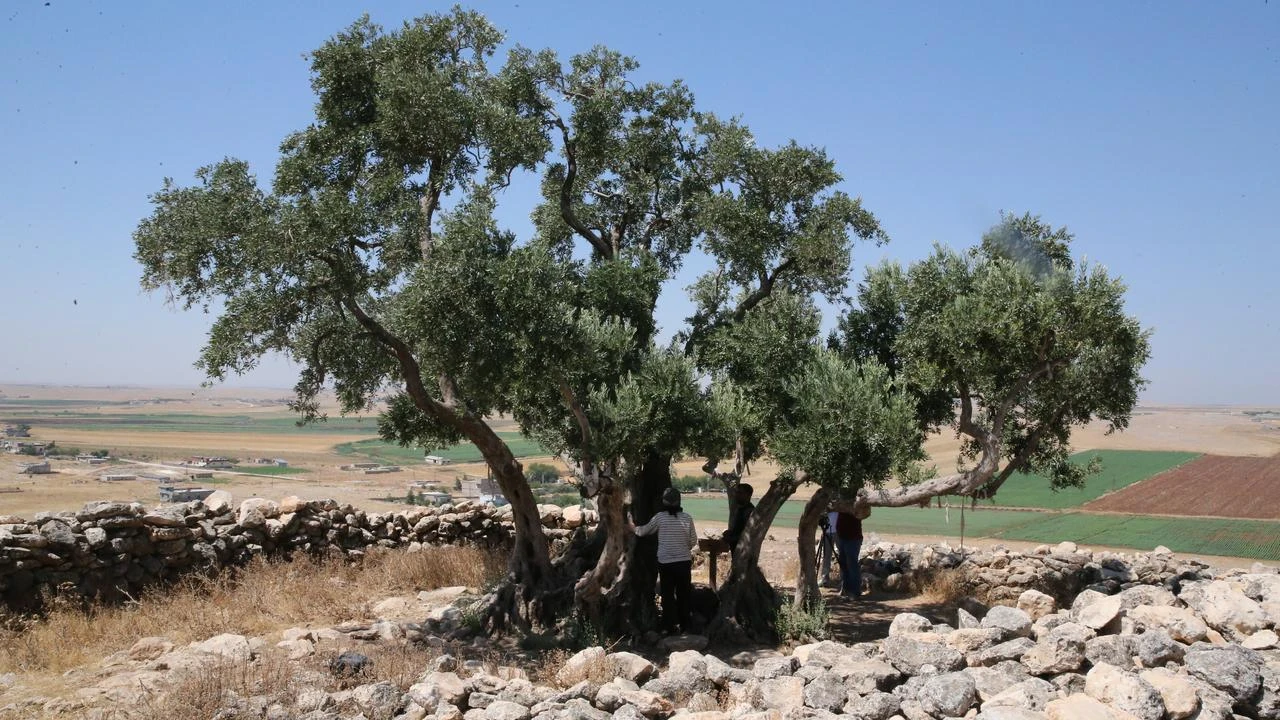
Isa Izgi, director of the Eyyubiye District Agriculture and Forestry Office, has described the tree as a symbol of the region's long-standing agricultural productivity, noting that olive cultivation across Sanliurfa dates back centuries.
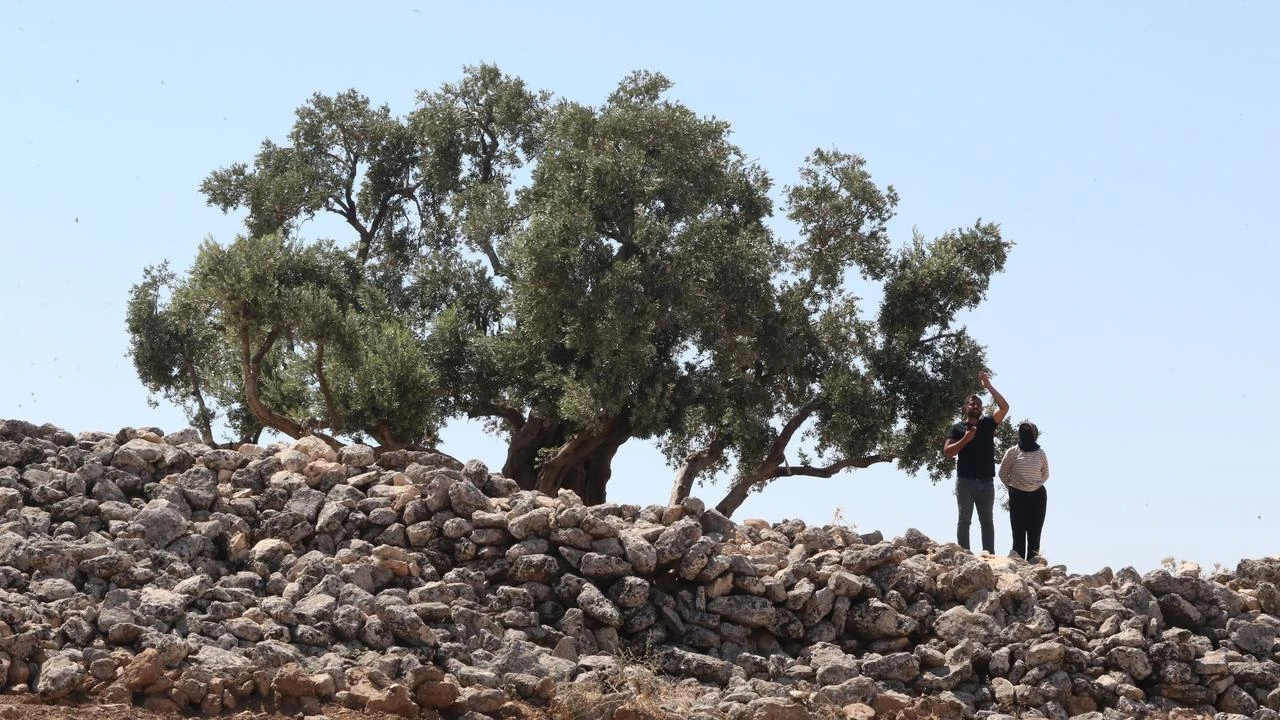
The region where the tree grows has historically been referred to as part of the "Fertile Crescent," an area long associated with early agricultural development and olive farming.
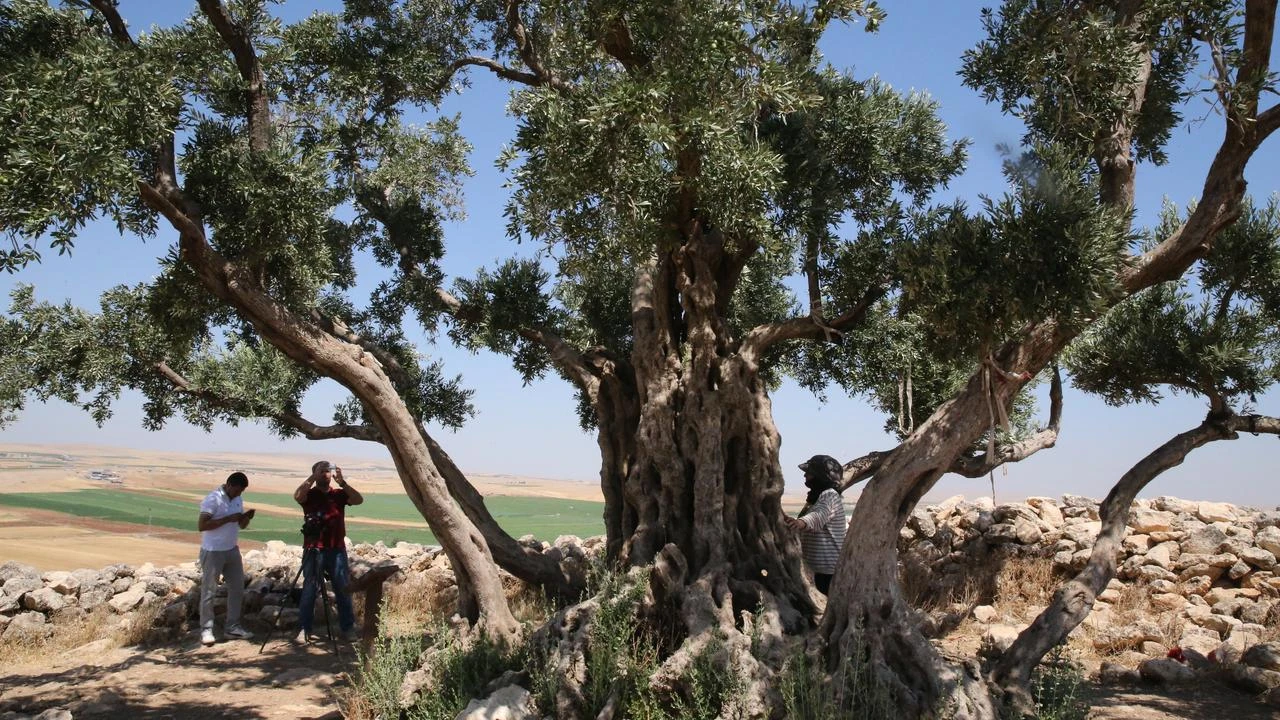
Local resident Osman Kilic said generations of his family have rested in the shade of the tree, adding that it has become a cherished symbol passed down through the community over the years.
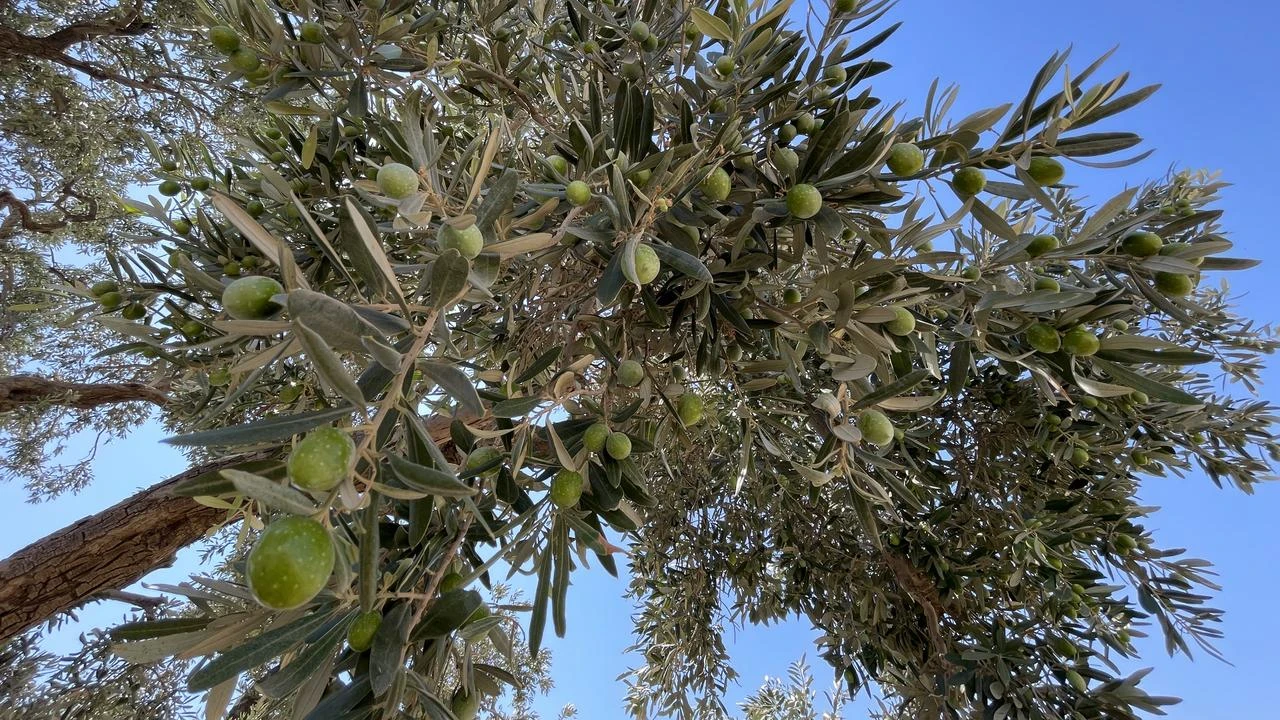
Kilic explained that the tree has remained a fixture in the landscape for so long that even his ancestors would have recognized it, describing it as a living link between past and present generations.
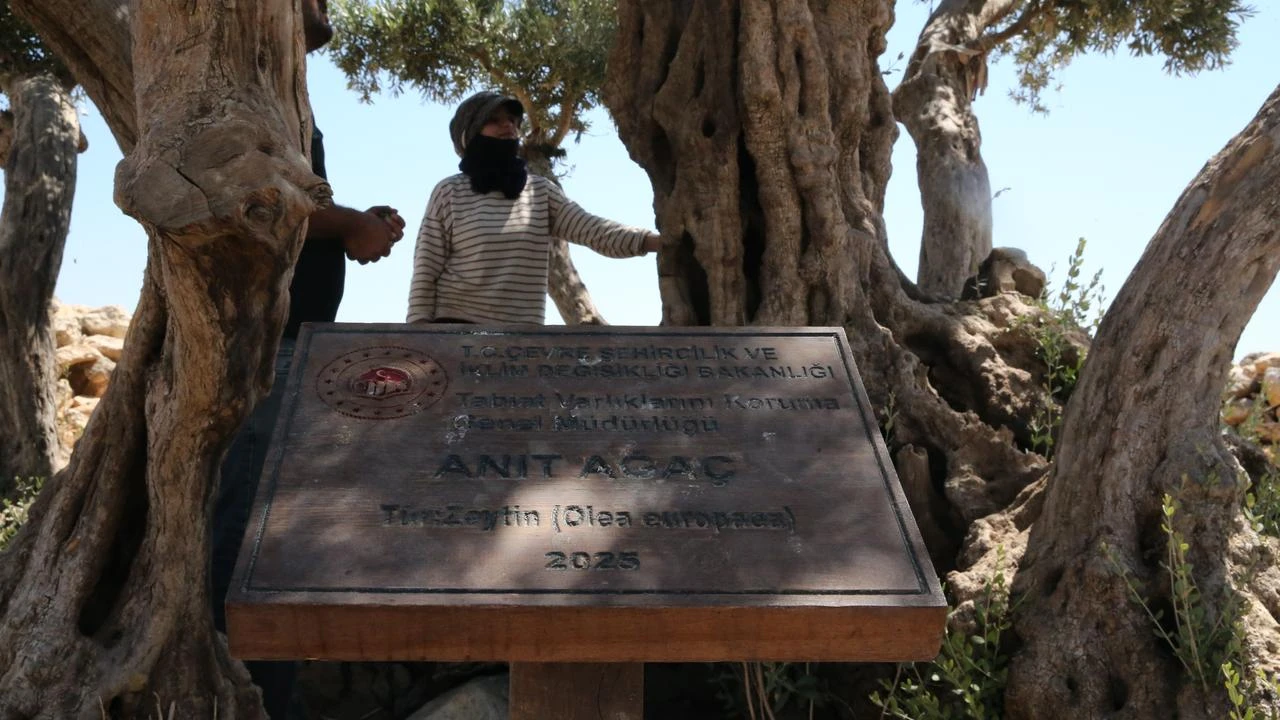
Sude Nur Ertuga, another local resident, said the olives produced by the ancient tree have a distinct taste that residents consider superior to olives from other trees in the area.
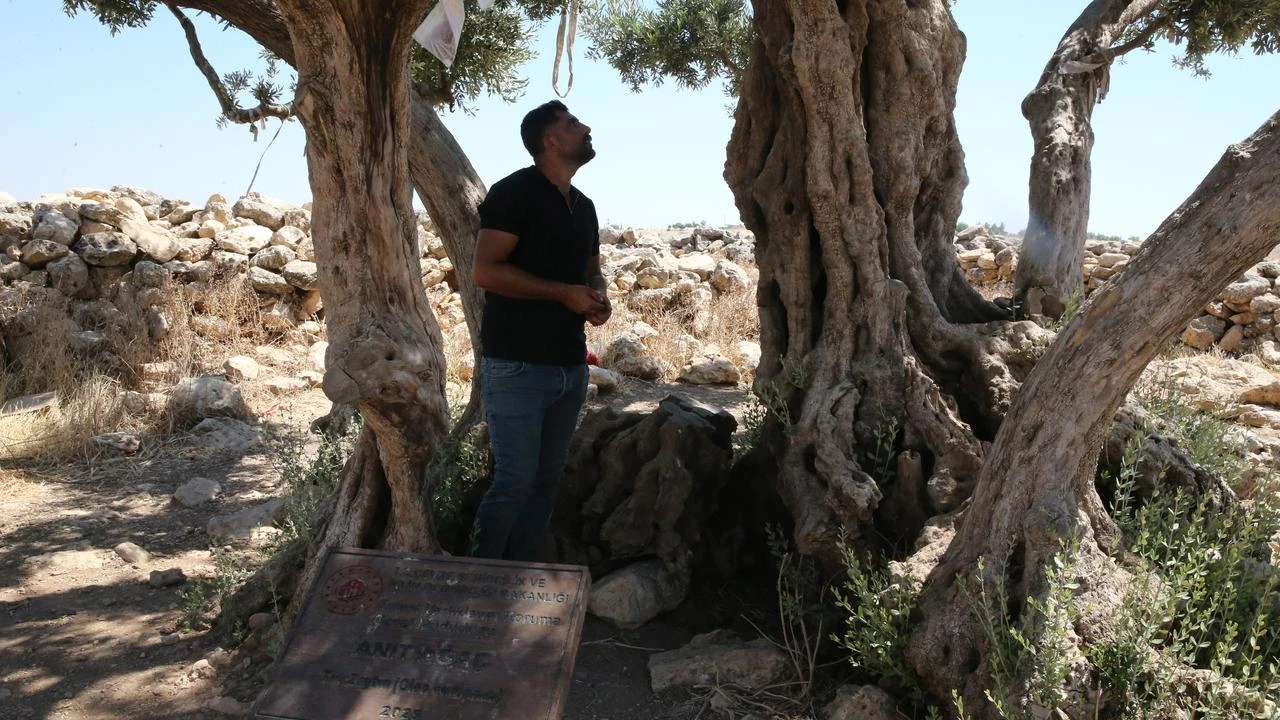
Families in the community wait each year for the tree's harvest rather than purchasing olives elsewhere, and the olives are often served to guests as a gesture of hospitality.
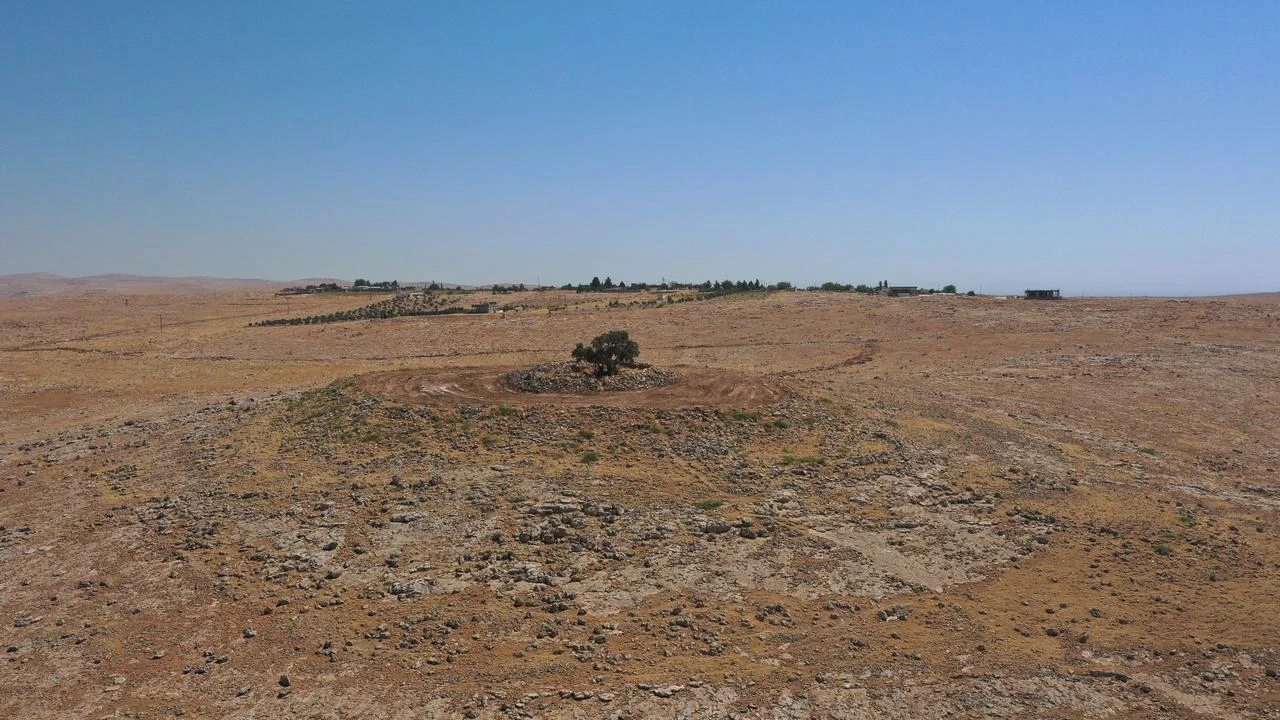
Today, the centuries-old olive tree remains a popular destination for visitors and continues to draw attention from residents and travelers curious to see a tree that has survived war, changing landscapes, and shifting agricultural practices for well over a thousand years.

 1 min read


 Set as preferred source