Newsletters


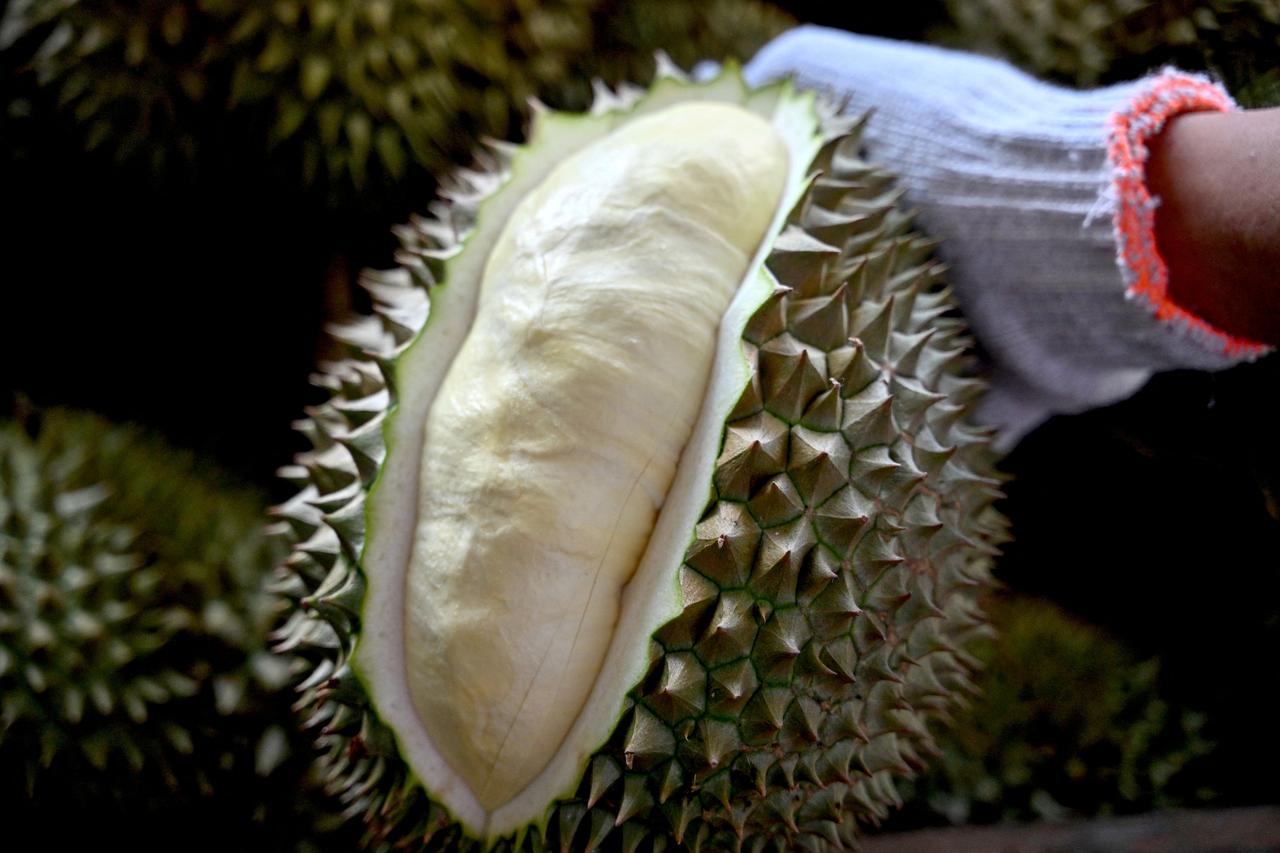


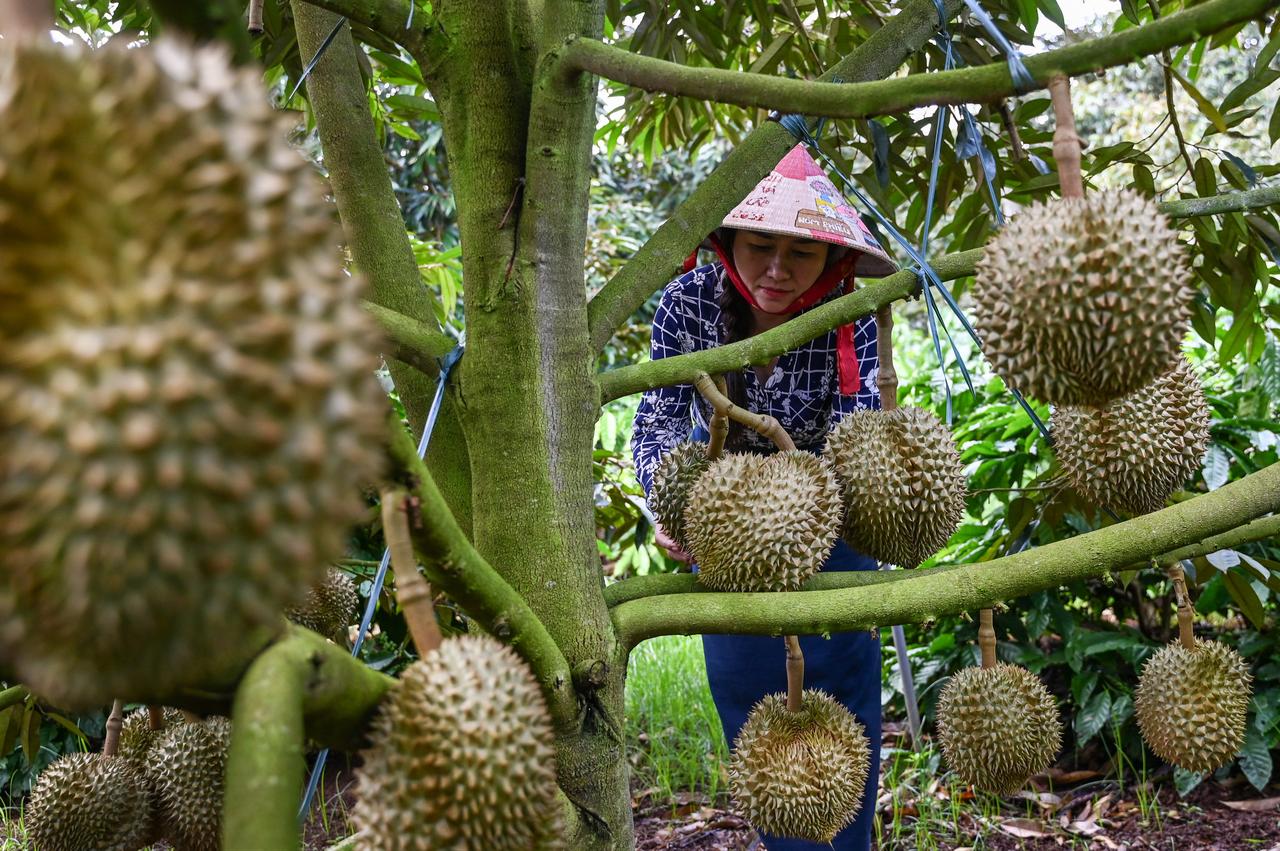
Vietnam has become China's largest durian supplier by volume, displacing Thailand after nearly two decades of dominance, as coffee farmers in the country's Central Highlands increasingly turn to the pungent fruit to capitalize on surging demand.
The Central Highlands, a region known for its tropical climate and basalt soil, produces about one sixth of the world's coffee, with Vietnam trailing only Brazil in output. But the area devoted to durian cultivation nationwide has grown more than fivefold over the past decade, reaching 200,000 hectares (494,000 acres), according to the Ministry of Agriculture.
Vietnam officially entered the Chinese durian market under a 2022 trade protocol. Within two years it became China's biggest supplier by volume.
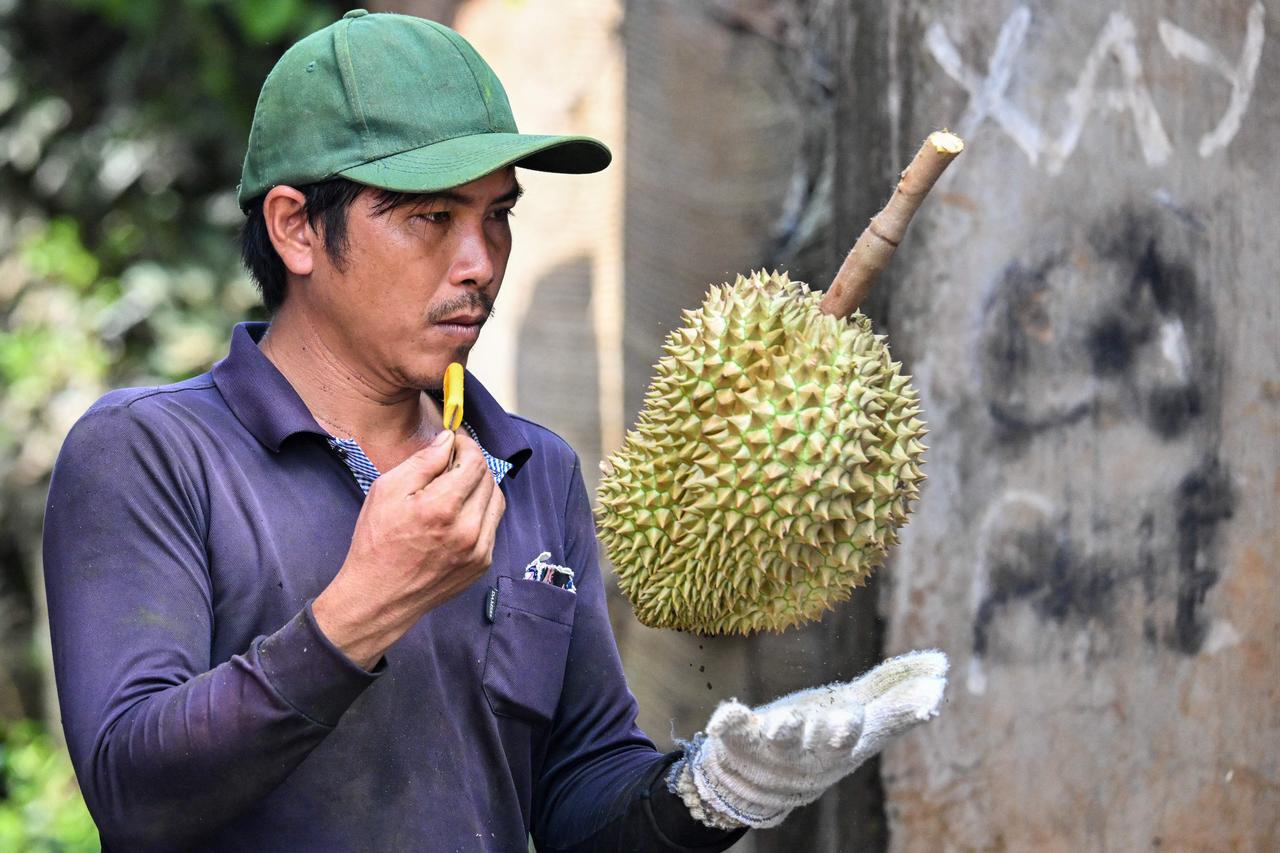

Farmer Pham Xuan Lan diversified into durian two decades ago and now grows 400 trees in Dak Lak province, producing 60 tonnes annually that are shipped in refrigerated containers to China. He expects to earn $76,000 this year, compared with $10,000 had he kept farming only coffee.
"You can live okay with coffee, but it's durian that makes you rich," Lan said.
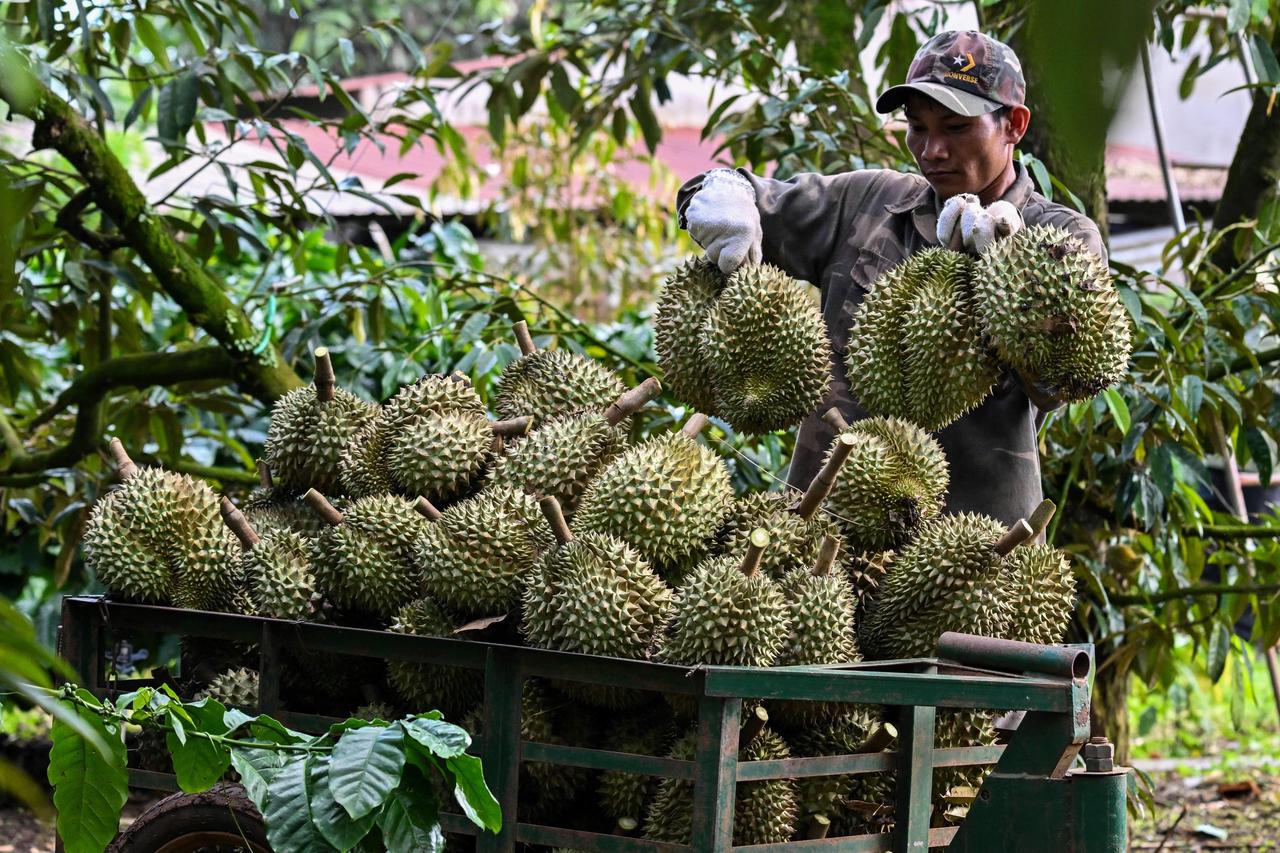
During the August to October harvest season, roads in Dak Lak fill with trucks carrying the spiky fruit. A durian festival this month drew 525 vehicles, forming what Guinness World Records declared the largest parade of fruit-carrying vehicles.
The surge in Chinese demand has been fueled partly by growing popularity on social media platforms, particularly among younger consumers. Videos on Douyin, China's version of TikTok, showing users cracking open the fruit have drawn billions of views.
China imported nearly $7.5 billion worth of fresh durian last year, a nearly 12-fold increase from 2015. Vietnam's durian exports are projected to reach $4 billion this year, up from $180 million in 2021, with 90 percent of shipments going to China.
Beijing has moved to expand domestic durian production, with more than 3,000 hectares planted on Hainan island. Agricultural experts in China say homegrown supply will remain a small complement to Southeast Asian imports, not a competitor.
Vietnam's government warned in early August of risks tied to oversupply and quality control as durian acreage expands rapidly. Growers in the Central Highlands have also watched a recent price crash in Malaysia, attributed to an unusually large harvest there.
Not every farmer has succeeded in the shift. One grower, who gave only the name Hung, switched entirely from coffee to durian five years ago but returned to coffee two years later after struggling to meet quality requirements.
"I could not do it. I failed," he said.


 Set as preferred source
 Set as preferred source


 2 min read