Newsletters


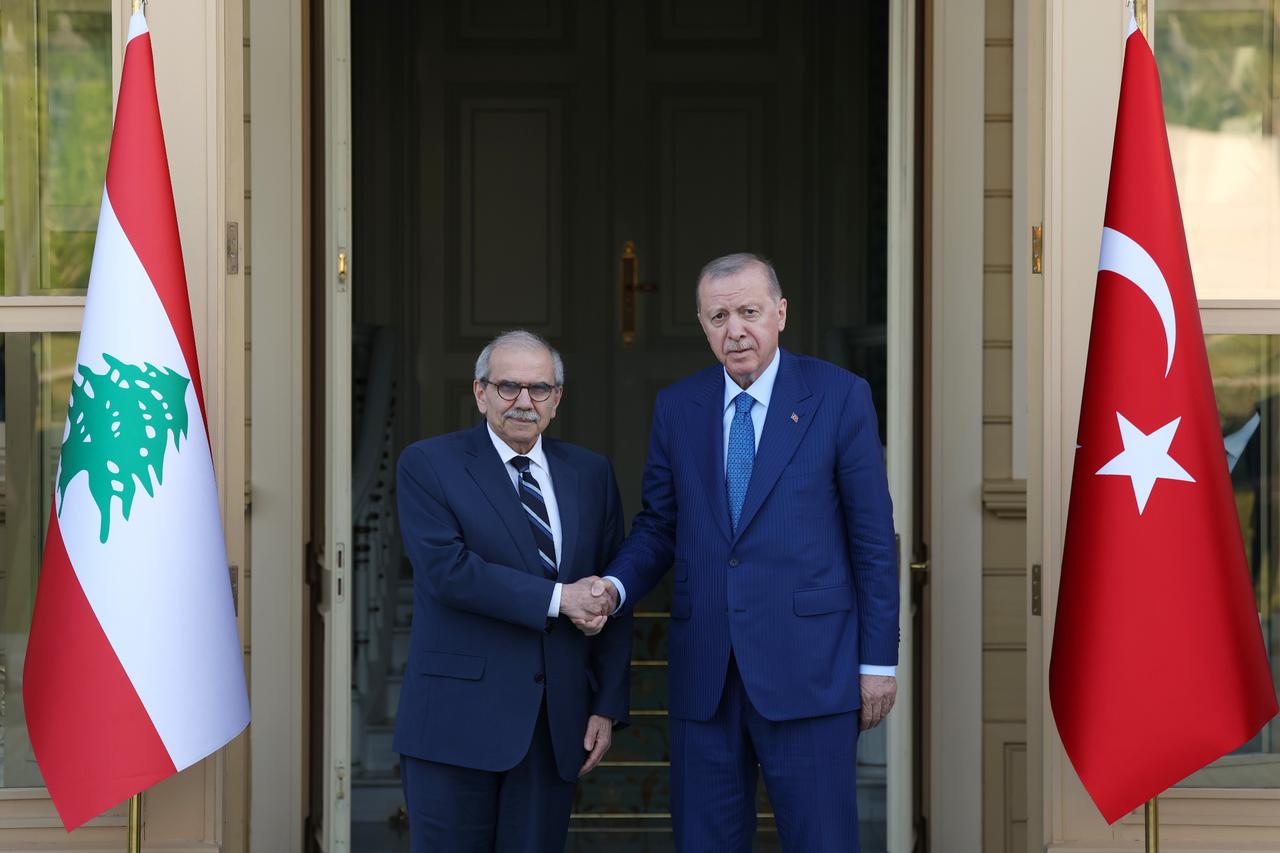


President Recep Tayyip Erdogan vowed on Friday that Türkiye would continue diplomatic efforts to help ensure Lebanon's security as Israel's ongoing offensive deepens the humanitarian crisis in the country.
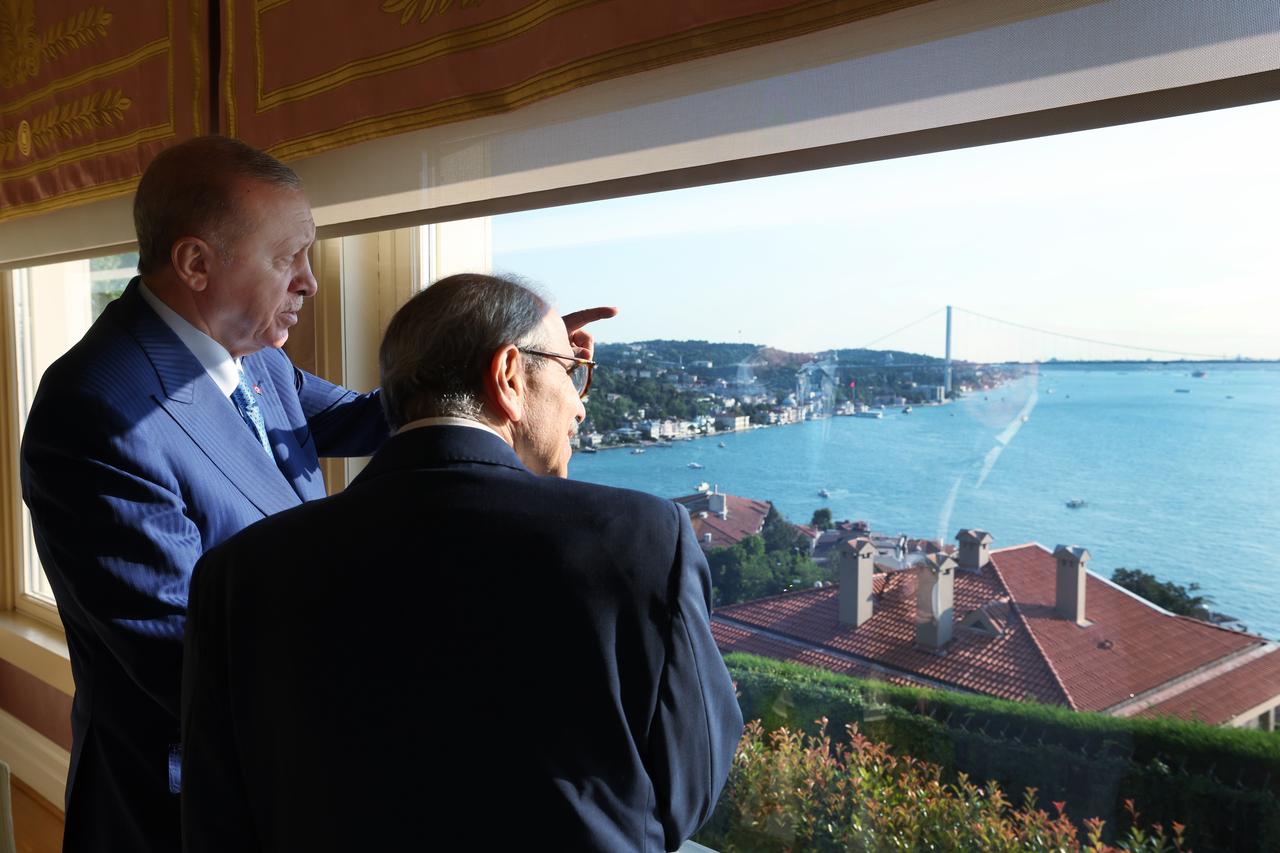
Erdogan made the remarks during talks with Lebanese Prime Minister Nawaf Salam at the Vahdettin Mansion in Istanbul, where the two leaders discussed bilateral ties and regional developments.
The Turkish president stressed that Ankara places great importance on its relationship with the "brotherly country" of Lebanon and believes closer diplomatic engagement would benefit both sides.
He also pledged that Türkiye would continue providing all possible support, including humanitarian assistance, to help restore security, peace and stability in Lebanon, according to Türkiye's Directorate of Communications.
Erdogan added that stronger neighborly relations between Lebanon and Syria would contribute to regional stability and reaffirmed Ankara's commitment to expanding cooperation with Beirut.
Lebanon has been engulfed in renewed fighting since March 2, when Iran-backed Hezbollah launched attacks in support of Iran following U.S.-Israeli strikes on the country, prompting a large-scale Israeli air and ground offensive across southern Lebanon and parts of Beirut.
According to Lebanon's Health Ministry, the conflict has killed more than 4,300 people and displaced more than 1 million others, making it one of the deadliest escalations in the country's recent history. Israeli strikes have continued despite diplomatic efforts to secure a lasting settlement.
Amnesty International has called for Israeli airstrikes in southern Lebanon to be investigated as war crimes, while urging a comprehensive arms embargo on Israel and accountability for those responsible.

Currently, Lebanon navigates a fragile U.S.-brokered framework agreement with Israel, signed on June 26, while Israeli military operations and political tensions continue to cloud prospects for a lasting settlement.
The agreement followed five rounds of U.S.-mediated negotiations that began in April and lays out a phased process under which the Lebanese Armed Forces would gradually take control of parts of southern Lebanon as Israeli troops withdraw.
Israel, however, has insisted it will keep forces in southern Lebanon until Hezbollah is disarmed, while Hezbollah has rejected the arrangement and warned against any attempt to force its disarmament.
Earlier this week, Lebanese President Joseph Aoun reaffirmed Beirut's commitment to direct negotiations with Israel, saying the country would stay the course despite domestic criticism, even as the process remains complicated by Israel's calculations, regional power dynamics, and U.S.-Iran relations.
He also said the current U.S. administration's engagement with Lebanon and Washington's ability to exert pressure on Israel present "an important opportunity" to recover what the country lost during the conflict.


 Set as preferred source
 Set as preferred source


 1 min read
 1 min read