Newsletters


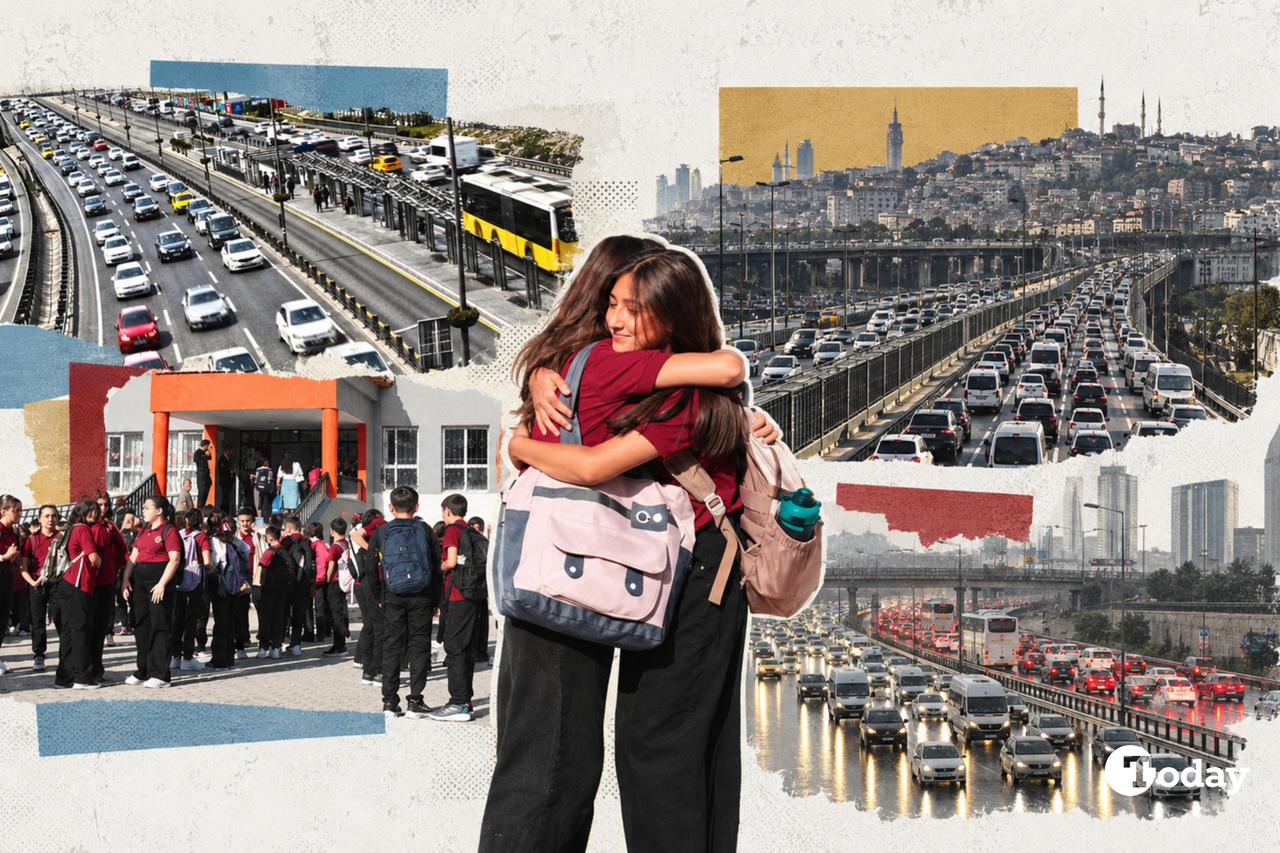


Every September, Istanbul seems to undergo an impossible transformation.
The population has not suddenly doubled. No millions of newcomers have poured into the city overnight. The bridges are the same, the highways are the same and, for the most part, so are the people.
Yet once schools reopen, universities fill up and offices return to their normal rhythm, Istanbul can feel dramatically more crowded than it did only a few weeks earlier.
The explanation lies less in how many people live in the city than in how many of them start moving at the same time.
September brings back hundreds of thousands of journeys that largely disappear during the summer, pushing an already strained transportation network closer to its limits. The result is one of Istanbul's most familiar seasonal mysteries: a city of nearly 16 million people suddenly behaving as though millions more have arrived.
So does traffic actually get worse in September? Or do we simply get used to it?
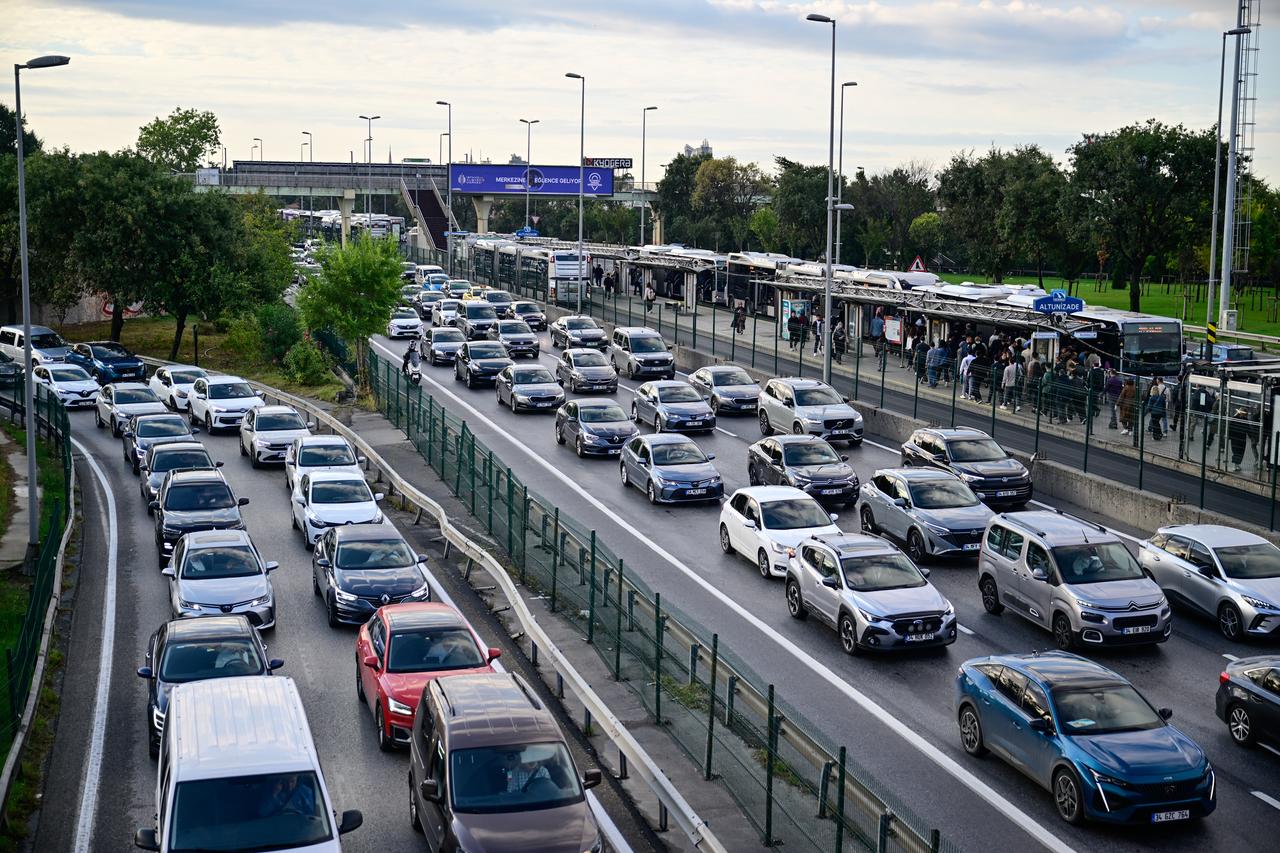

The Istanbul Metropolitan Municipality (IMM) treats the start of the school year as a major transportation event.
For the 2026–27 school year, which began on Sept. 14, the municipality planned 3,665 additional public transport trips and aimed to keep approximately 675,000 vehicles off the roads by redirecting around 790,000 passengers to public transport and deploying 1,496 teams across 808 critical points.
The effect was visible on the first morning. At 8:00 a.m. on Sept. 14, IMM's traffic map showed citywide traffic intensity at 53%. By 9:30 a.m., it had fallen to 38%. The relatively low figure was partly structural: Istanbul's governorate had moved first-day school hours to 10:00–03:00 to prevent the morning school rush from colliding with the commuter rush.
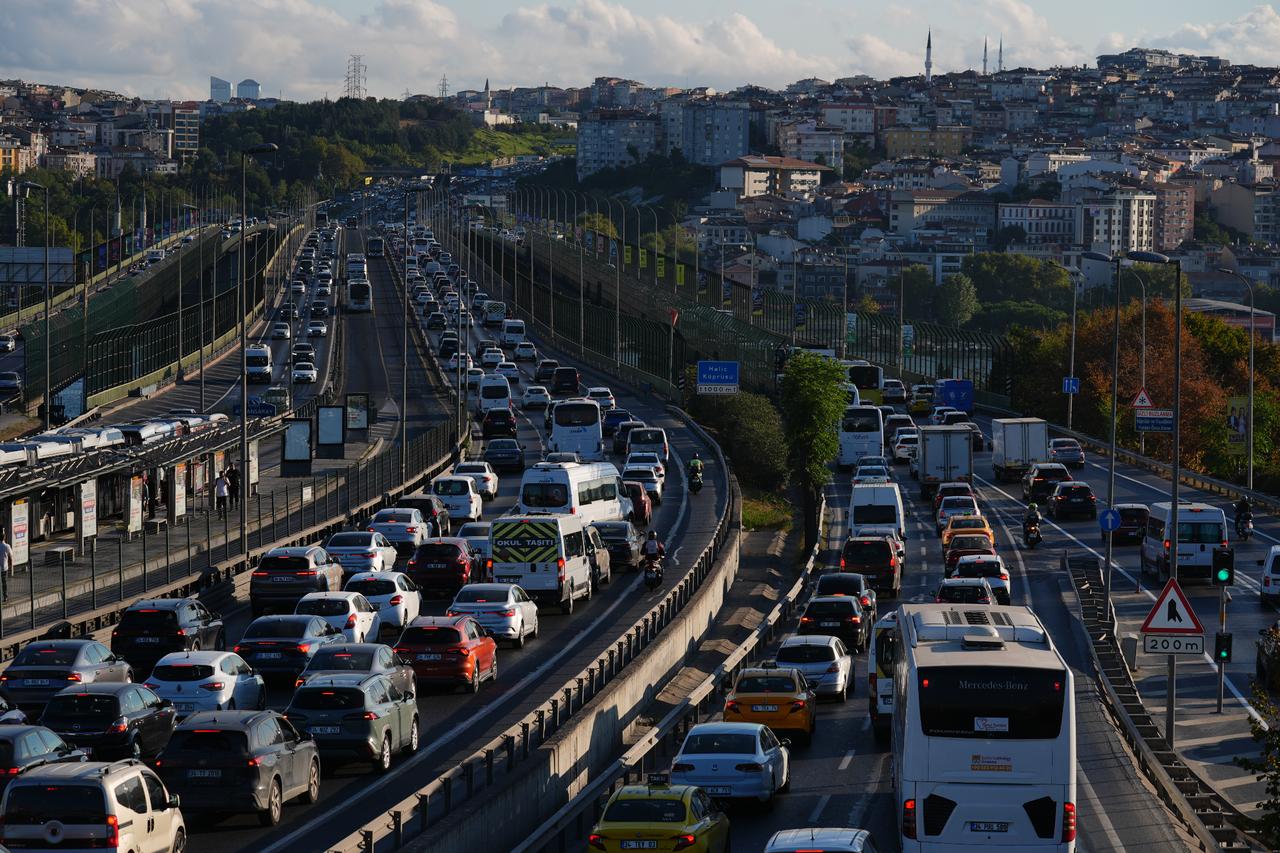
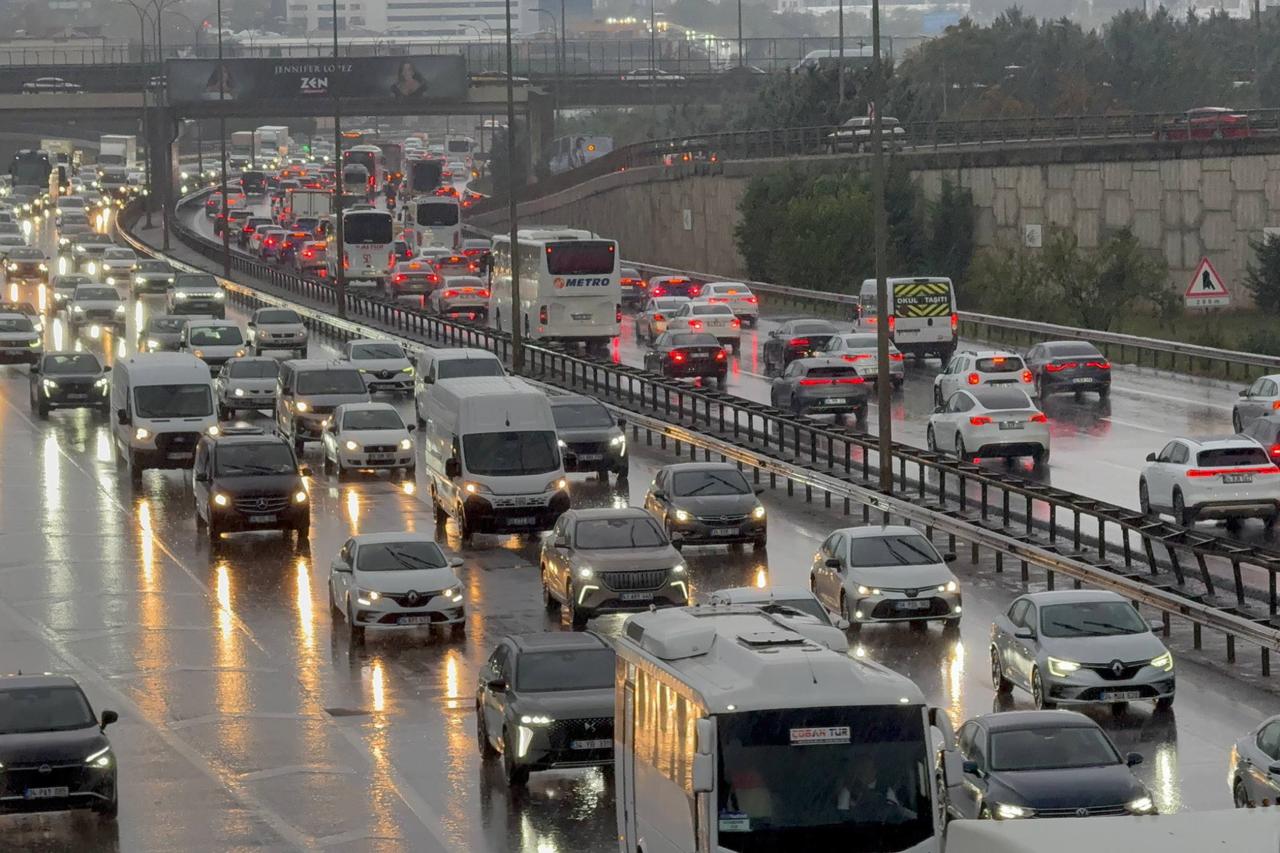
But the congestion did not disappear after the first day. On Sept. 22, IMM's map reached 70% during the morning rush, with the Asian side at 80%. By the end of September, the pressure had intensified. On Sept. 29, IMM's CepTrafik app, which shows real-time traffic density across the city, recorded citywide traffic intensity at 85% in the evening, with the Asian side at 89% and the European side at 83%. Heavy rain that day compounded the congestion.
But summer is not exactly empty either. On June 20, 2026, IMM's CepTrafik data showed traffic intensity reaching 74% citywide.
That matters. It means the story is not simply that Istanbul is fine in summer and terrible after schools open. The difference is the amount of pressure placed on the system.
When schools close, some daily journeys disappear. When September arrives, those journeys return—to a city that already has an enormous number of vehicles. By February 2026, Istanbul had 6.29 million registered motor vehicles, including more than 4.08 million automobiles and around 917,000 motorcycles.
The population does not help either: 15.75 million people lived in Istanbul in 2025, according to TurkStat. The problem, then, is not simply population. It is simultaneous movement.
Millions of people do not have to enter Istanbul for traffic to worsen. They only have to start making more journeys at the same time.
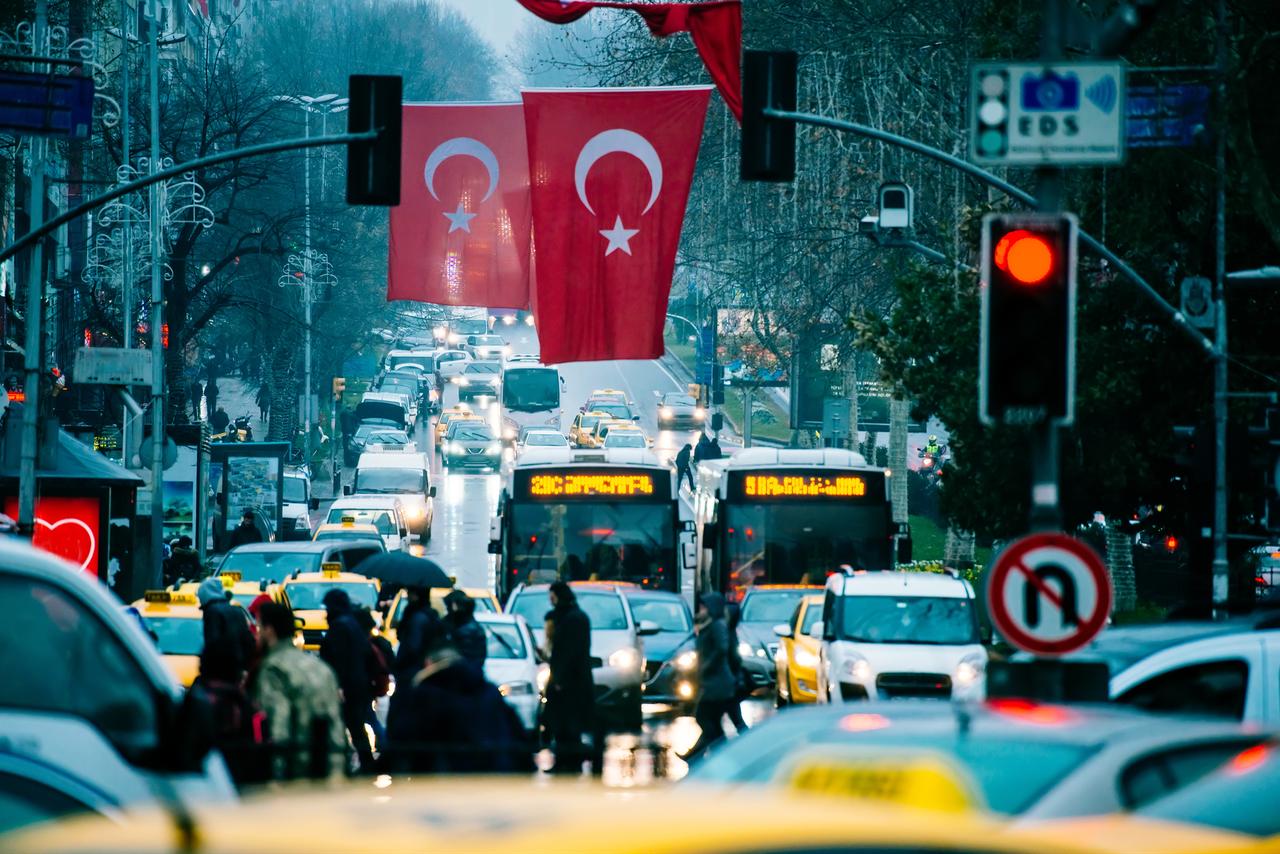
Istanbul's traffic problem is partly a problem of geography. The city is so special that it has a transportation problem that's not similar to many places in the world. It is divided by the Bosphorus.
Millions of people live on both sides, while jobs, schools, universities, commercial areas, and housing are spread across a huge metropolitan area. That creates natural bottlenecks.
Movement between the two sides has to pass through a limited number of bridges and tunnels. Those crossings then connect to major arteries such as the D-100 highway and the TEM motorway.
A problem on one part of the network can therefore spread quickly.
The 15 July Martyrs Bridge, Fatih Sultan Mehmet Bridge and Eurasia Tunnel are not simply individual pieces of infrastructure. They are connections within a much larger network. When traffic builds up on their approaches, alternative routes are limited. This helps explain why Istanbul traffic often appears to move in waves.
A slowdown on the Asian side can extend toward a bridge. The bridge slows down. Its European-side connections slow down. The congestion then spreads onto surrounding roads.
Istanbul has continued adding infrastructure to deal with this. The first bridge opened in 1973. The second followed in 1988. Later came the Marmaray rail crossing, the Eurasia Tunnel and the Yavuz Sultan Selim Bridge. But transportation infrastructure has not simply followed Istanbul’s growth. It has also helped shape it.
Research shows that Istanbul’s major bridges and roads have also shaped where the city expanded.
New connections opened up distant areas, which brought more development and, eventually, more traffic.
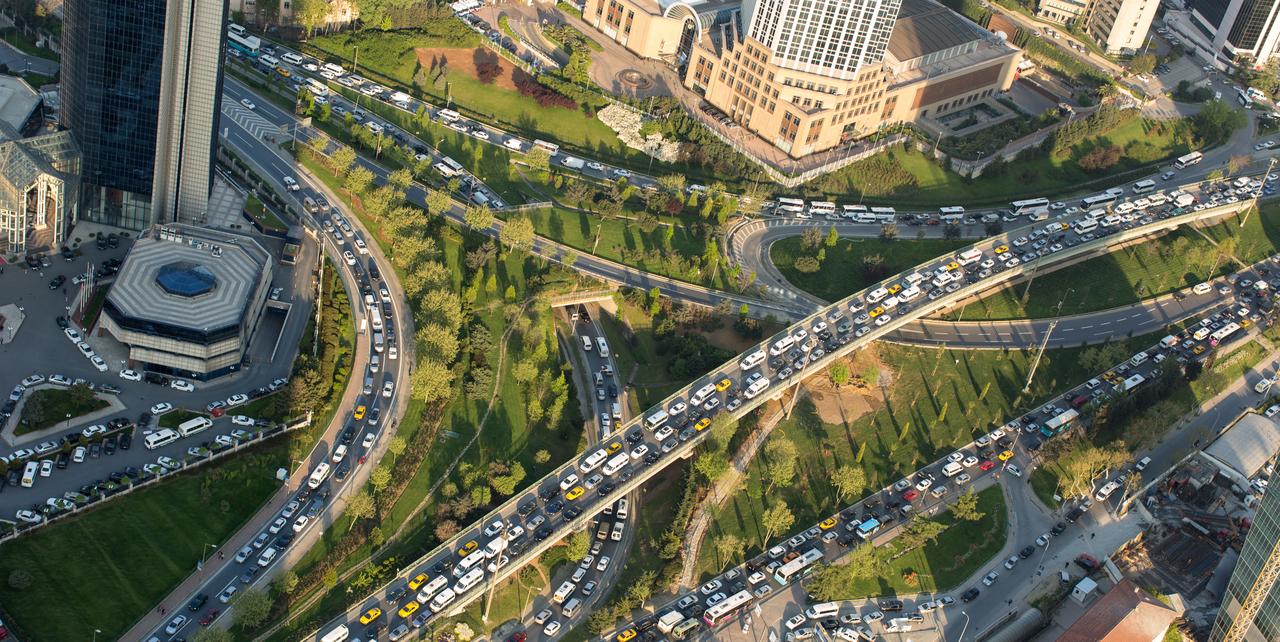
Modern Istanbul did not emerge according to a single transportation plan. It grew in layers.
The historic city expanded. Migration accelerated after the middle of the 20th century. New residential districts spread outward. Industrial areas moved. Business centres changed. Highways and bridges followed.
The scale of this transformation is difficult to overstate.
Istanbul’s population was around 3.5 million when the first bridge opened in 1973. By 2015, it had passed 15 million. Over roughly the same period, private car ownership increased dramatically.
The transportation system therefore had to keep adapting while the city itself was still expanding. But each solution became part of a larger system that was also growing.
This is why Istanbul’s traffic cannot be reduced to one explanation. It is not only the number of cars. It is not only population growth. It is not only planning or geography. It is the interaction between all of them.
And perhaps that explains the strange summer effect. When schools close, Istanbul does not become a different city. It simply asks slightly less of its transportation system.
Then September arrives.
The same city. The same bridges. The same roads. The same population. But more people moving at the same time. The result is a city that can feel as if it has suddenly doubled in size, and no concrete numbers or research explain it.
A friend once told me that Istanbul is a living being. It digests all the chaos and somehow finds a way to breathe; maybe that's how.


 Set as preferred source
 Set as preferred source


 1 min read
 1 min read