

 Newsletters


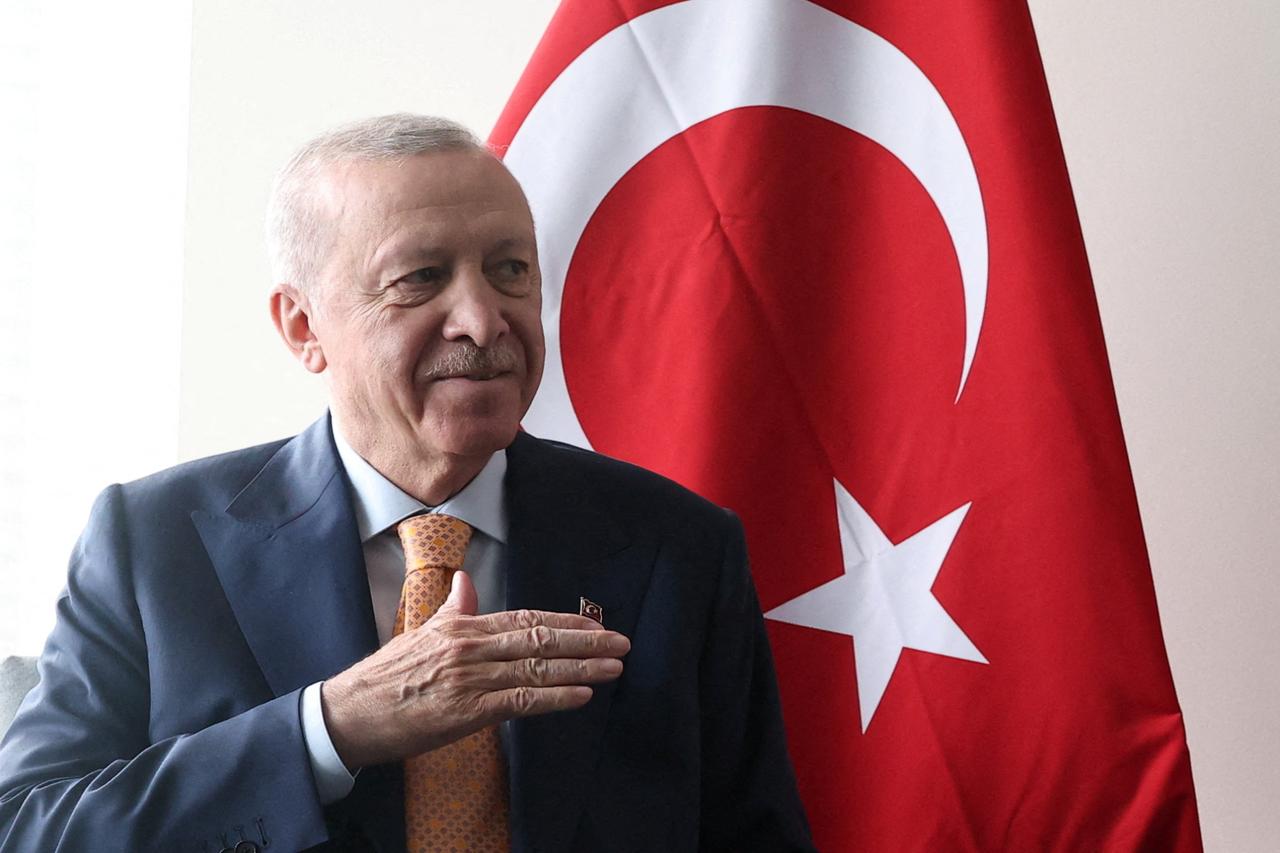


President Recep Tayyip Erdogan told Newsweek he does not rule out the Russia-Ukraine war spreading to a wider region, saying Türkiye's priority is to keep it from drawing in new countries.
Asked as commander in chief of NATO's second-largest army, the Turkish president said Ankara stands ready to help rebuild the negotiating table once the necessary political will emerges.
In the wide-ranging interview, President Erdogan also addressed the Iran-U.S. conflict, the new Mecca Joint Defense Agreement (MJDA), ties with U.S. President Donald Trump, Israeli rhetoric toward Türkiye, Syria, the PKK and Türkiye's place between East and West.
President Erdogan said claims of sabotage and hybrid activity in Europe have heightened the sensitivity of the current security environment.
"In this process, it is necessary to act with common sense, evaluate allegations based on solid evidence and avoid steps that would further escalate tension. As Türkiye, our priority is to prevent the war from turning into a conflict that draws in new countries," he said.
The Turkish president said Türkiye's position on the war has not changed in more than four years.
"The Istanbul talks, the Black Sea Grain Initiative and prisoner swaps are concrete results of our ability to talk to both sides. Türkiye is a strong NATO ally. At the same time, we can establish direct contact with Mr. Putin and the Ukrainian administration. I see no contradiction in this," he said.
"To be able to mediate, you need to be able to talk to both sides of the conflict. In my last meeting with Mr. Putin in Bishkek, I also clearly stated that we, as Türkiye, are ready to do our part to achieve peace," President Erdogan said.
He called Black Sea security one of Ankara's most sensitive issues.
"One of the issues we are sensitive about today is the security of the Black Sea. We continue our contacts with the parties to keep civilian maritime transport, trade routes and energy infrastructure out of the war. I believe there is a need for a mechanism that will permanently ensure the security of commercial maritime transport in the Black Sea," he said.
On the Russia-Ukraine war, Erdogan said: "As the war drags on, the humanitarian, economic and political costs grow. When the necessary political will is demonstrated, Türkiye is ready to contribute to the re-establishment of the negotiating table and to opening the way for peace."
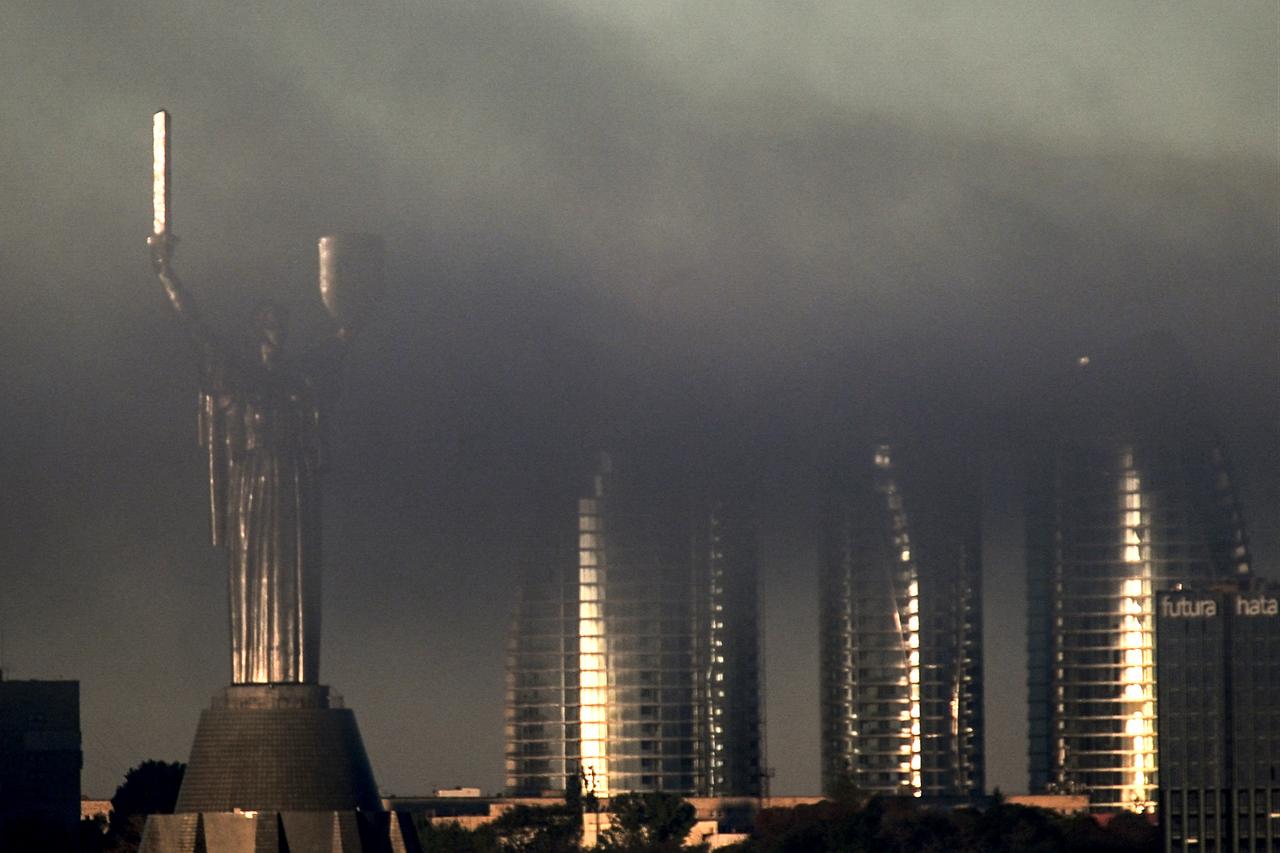

President Erdogan said the world is going through serious ruptures, with war continuing to Türkiye's north and conflicts to its south and east.
"The conflicts directly affect the security, economy and stability of our region. In such periods, it is the common responsibility of the international community to expand the space for diplomacy rather than narrow it," he said.
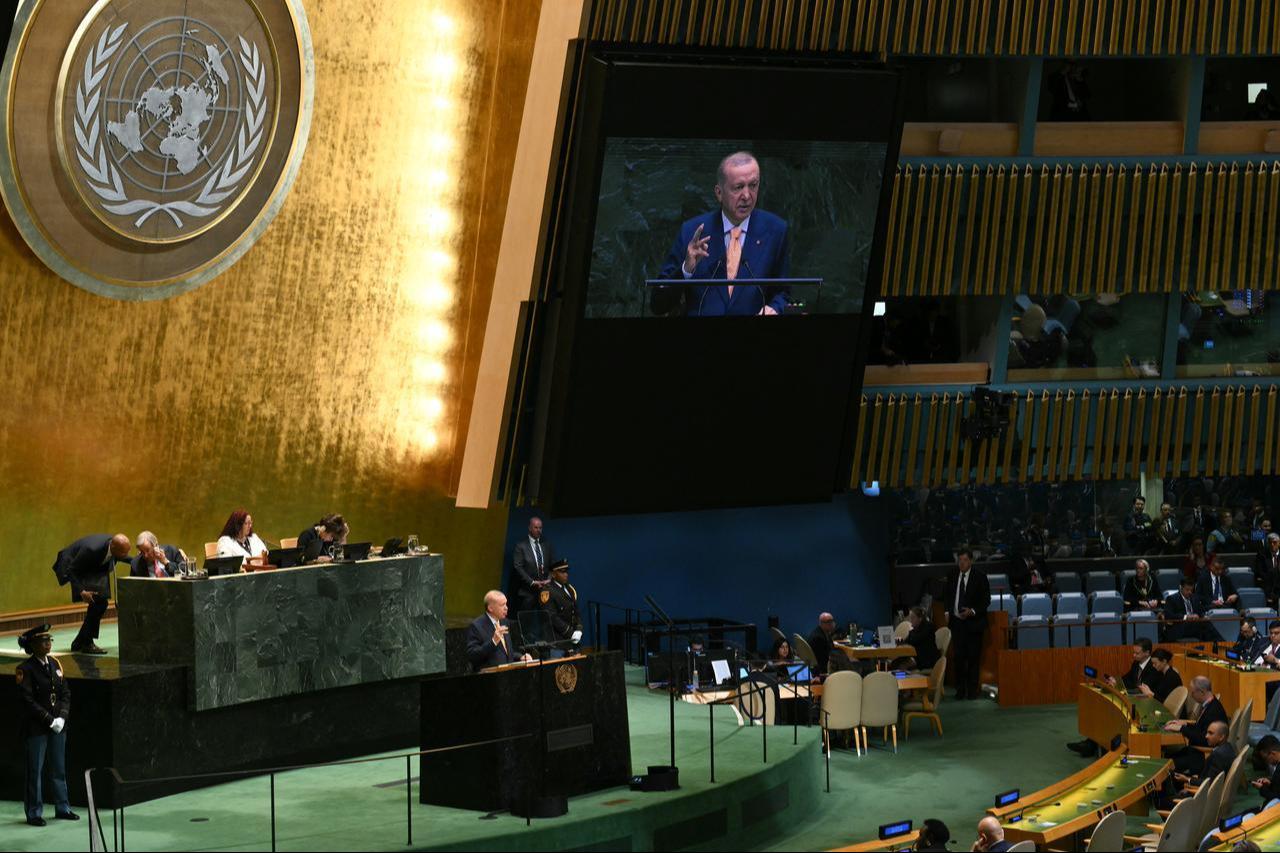
"As Türkiye, our priority at the General Assembly is to prevent conflicts from spreading to wider geographies, keep diplomatic channels open and help the parties meet again on the ground of negotiation. Türkiye is a country that can engage with all parties to conflicts, from the Russia-Ukraine war to tensions in the Middle East, and can take initiative for peace," Erdogan stated.
"The world's center of gravity is shifting," he noted.
"As new centers of power rise, more countries are demanding the place they deserve in global decision-making processes. The United Nations must not fall behind this change. We believe the Security Council must become more representative, more effective and more accountable," he added.
"Reform can no longer be postponed for an international system in which the will of the General Assembly is reflected more strongly in decision-making processes and responsibility is shared more fairly," the Turkish leader added.
Asked about the war between Iran, which borders Türkiye, and the U.S. and Israel, President Erdogan said steps that escalate tension must be avoided and the parties brought back to negotiations.
"The U.S. is our ally in NATO. Iran is our neighbor. In my last meeting with Mr. (Donald) Trump, I also stated that diplomacy should be used to the fullest extent in the tension between Iran and the U.S. Our channels of contact with our Iranian counterparts are also open," he said.
"An important asset of Türkiye is its ability to talk to the parties in conflict. We are using this asset to reduce tension. The success of these contacts is important for the global economy as much as for the security of our region," he stated.
"The tension in the Strait of Hormuz directly affects energy supply and global trade. Our priority is to prevent the conflict from spreading, protect the security of trade routes and return the parties to the negotiating table," the Turkish president noted.
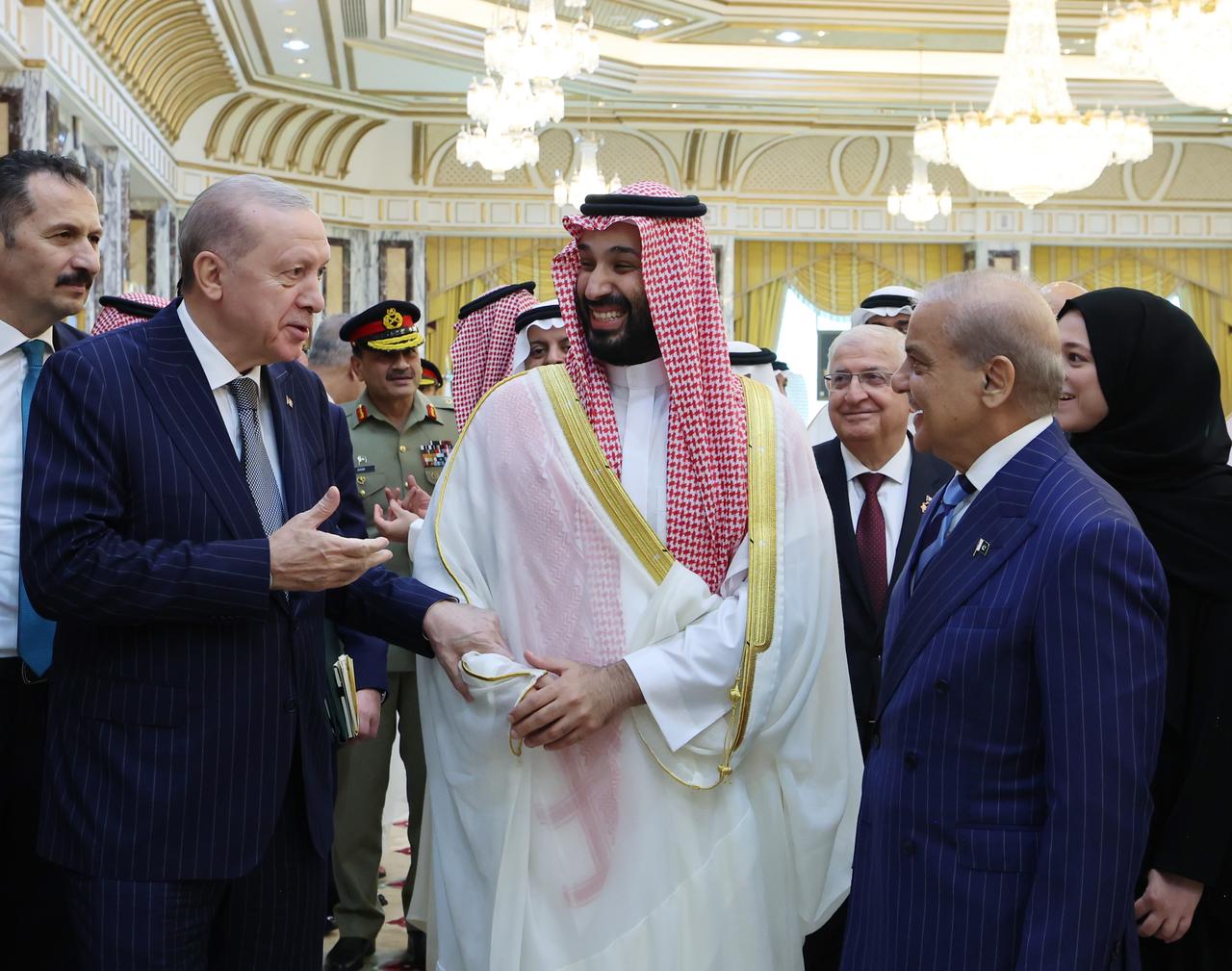
Asked whether the agreement signed with Pakistan and Saudi Arabia could lead Türkiye to intervene in attacks on Saudi Arabia by Iran or its allies in Iraq and Yemen, Erdogan rejected describing it as a bloc against any country.
"It would not be right to view the Mecca Joint Defense Agreement as an alliance formed against Iran, Israel or any third country. This agreement is an expression of the common responsibility we have undertaken to build a safer, more peaceful and more prosperous future," he said.
Erdogan said Türkiye has long argued that regional issues should be owned by the countries of the region.
"We want to reinforce our security, increase our deterrence and strengthen lasting stability in our region. The agreement is based on the right of self-defense in Article 51 of the U.N. Charter. The agreement stipulates that an armed attack against any of the three states shall be deemed to have been made against all parties," he said.
"The nature of the response to be given here can be determined on the basis of the call and needs of the country under attack. This need could be intelligence, logistics or ammunition support; depending on the scale of the threat, more advanced military support may also come onto the agenda," Erdogan said.
"The relevant political and military mechanisms decide through solidarity how these will be implemented. Therefore, it would not be right to write an automatic military scenario today for every incident that may occur in Iraq, Yemen or elsewhere," he added.
Asked about Trump's frequent praise and his approval of Türkiye staying out of the Iran conflict, Erdogan said he has a direct and open relationship with the U.S. president.
"I think this is an important asset in terms of Türkiye-America relations and even developments in our region," he said.
President Erdogan said his last talk with Trump covered Iran, regional security, Gaza and bilateral ties.
"When there is open communication between leaders, it also becomes easier to manage differences of opinion that may arise from time to time and to produce common solutions. There are long-standing, deep-rooted and multidimensional alliance relations between Türkiye and the U.S.," he said.
"We have a serious practice of cooperation, particularly in the defense industry, trade and regional security, and the potential to develop it further. Therefore, I would not find it right to discuss our relations, which have such strong foundations, through possible scenarios," Erdogan said.
"We have a sincere dialogue with Mr. Trump on the current situation between Iran and the U.S., and we will again openly discuss any possible development with him when the time comes," he said.
"However, I can say that Türkiye, as a sovereign state, will continue to act, as it has until now, by observing its relations with its neighbors, its alliance obligations, its regional responsibilities and its national interests in the most balanced way and as it should be," he added.
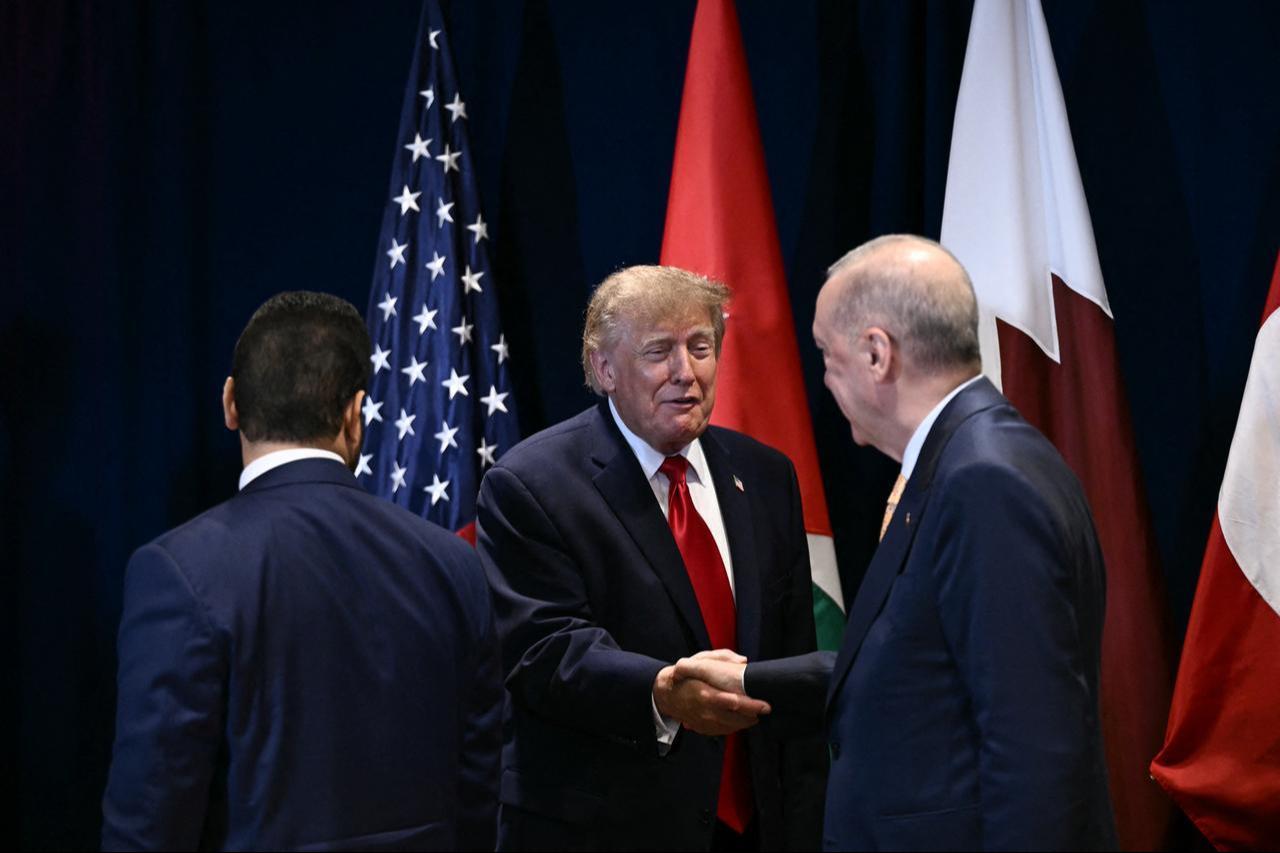
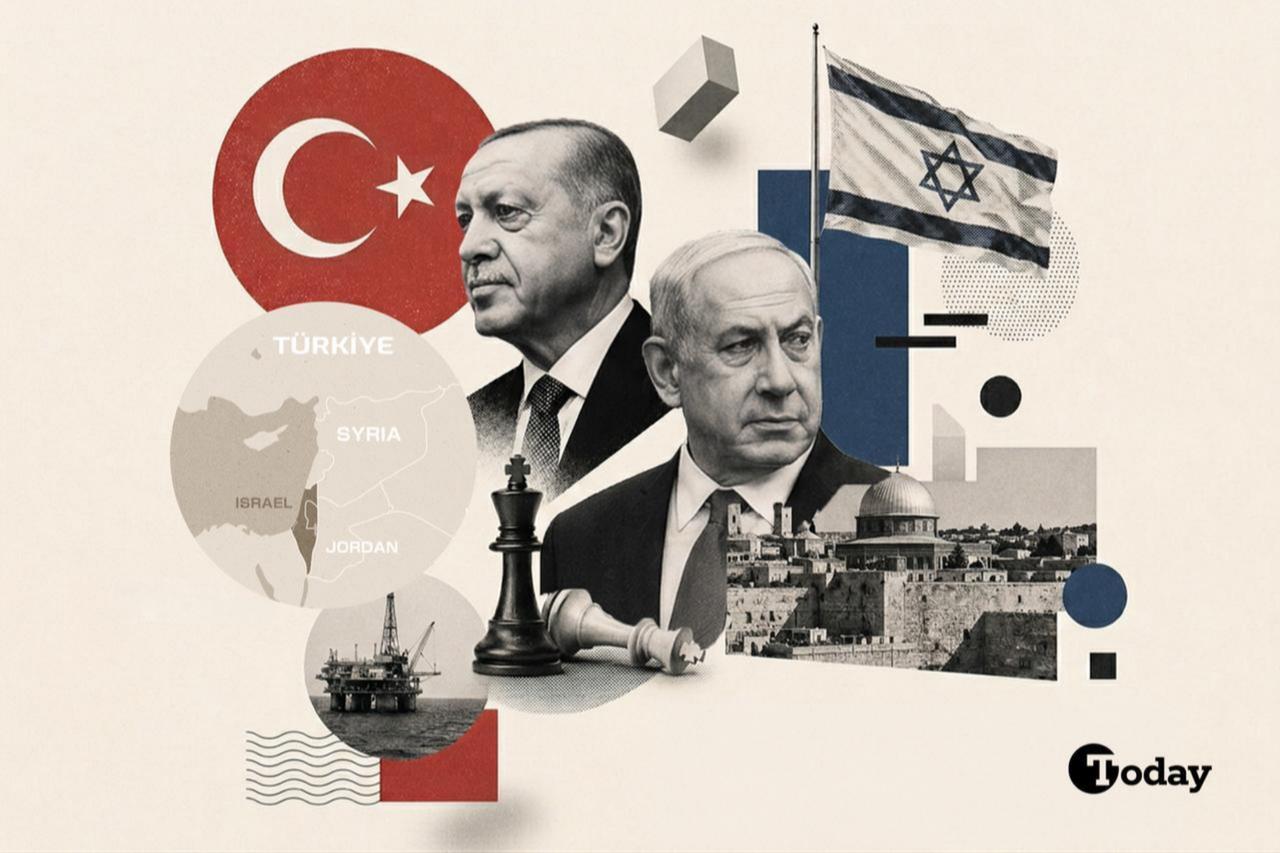
Asked whether he was concerned about Israel's influence on the U.S. administration as some Israeli officials describe Türkiye as the "next threat" after Iran, President Erdogan said Ankara deals with Washington directly.
"I do not define Türkiye-America relations through a third country. Our counterpart in Washington is the United States administration. When there is an issue we need to discuss with Mr. Trump, we discuss it directly with him," he said.
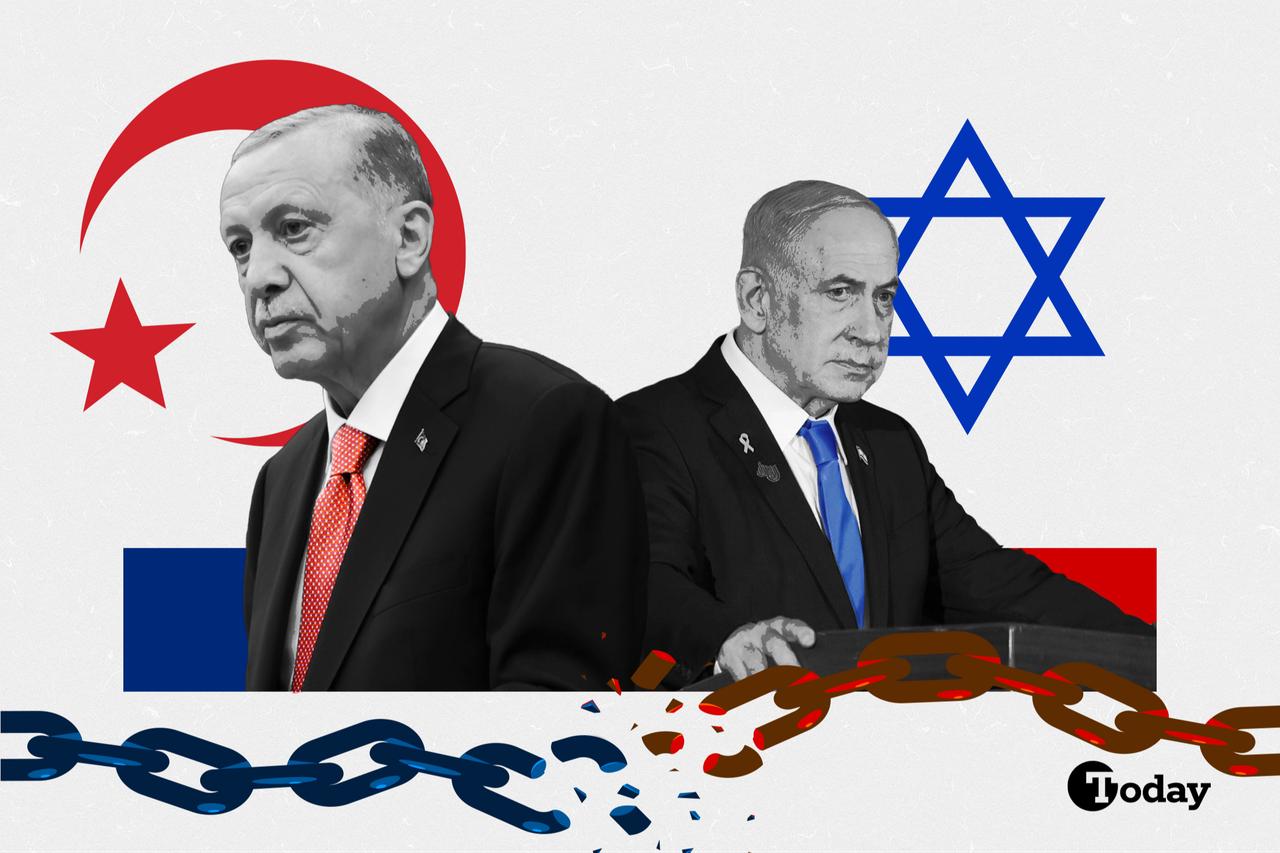
The Turkish president acknowledged serious disagreements with the Israeli government on many issues.
"Recently, an erroneous rhetoric aimed at presenting Türkiye as a new source of threat has been fueled in Israel. We assess that this rhetoric is linked to the domestic political process and election atmosphere in Israel. We do not see this language as a responsible approach that contributes to regional peace," he said.
"Türkiye has no hostility toward the Israeli people or any society. Our objection is to policies we consider contrary to international law and to steps that deepen instability in our region," he stated.
Asked whether Israeli strikes on Syria and Israel's defense agreement with Greece could turn tensions into a military conflict, and what that would mean for NATO, Erdogan said: "Türkiye does not build its foreign policy on scenarios of inevitable war."
"We want the sovereignty, territorial integrity and national unity of Syria to be preserved. The country's recovery, the strengthening of its state institutions and the increase of its capacity to fight terrorism are in the interest of our entire region. We also assess Israel's attacks on Syria within this framework," he said.
"What is clear is that Israel's attacks, which disregard international law and established rules, clearly harm Syria's sovereignty and make it harder to establish stability in the region. Yet Syria's stability will contribute to the peace and development of our entire region, including Israel," President Erdogan said.
He said it is up to Greece, or any other country, to decide what relations to build with third states.
"Türkiye does not read every bilateral relationship as a threat directed at itself. However, we also closely follow steps that may be taken against our national security, legitimate rights and interests. Türkiye has a strong position and weight within NATO," he stated.
"Rather than discussing today what consequences a hypothetical military conflict would have for the alliance, it would be more appropriate to focus on diplomacy that will prevent such a possibility from arising," he noted.
"The path to lasting security in our region lies in a security architecture built on alliance relations and regional partnerships shaped on the basis of a 360-degree security understanding that reduces tension, reinforces deterrence, overcomes the mentality of mutual encirclement and is based on international law," he added.
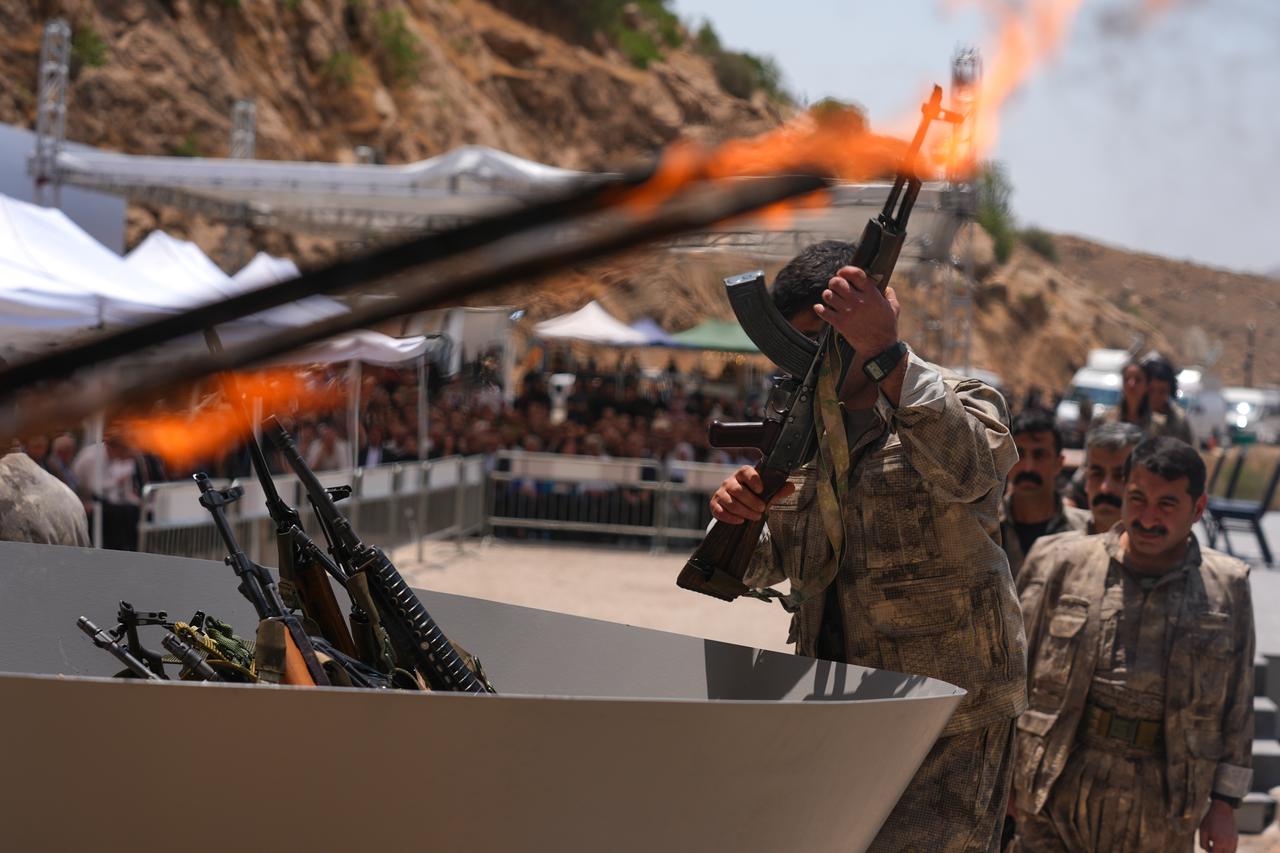
Asked about the PKK's dissolution and possible U.S. or Israeli support for Iranian Kurdish opposition groups in northern Iraq, Erdogan said "Terror-free Türkiye" is a strategic goal rather than a matter of timing.
"We see the PKK's decisions to dissolve and lay down arms as an important threshold in this respect, but what matters is the full implementation of the decisions on the ground. The organization must lay down arms with all its elements, the illegal structure must be liquidated and this process must be identified and confirmed by the relevant institutions of our state," he said.
"We are following developments in Syria with the same understanding. The integration of all armed elements there under the central state structure is essential for reinforcing Syria's sovereignty, territorial integrity and social unity," Erdogan said.
"We support this process progressing on the basis of equal citizenship and the establishment of an order in which all the Syrian people, including Kurds, will feel safer, freer and more prosperous. As Syria's unity strengthens, the security of our region will also strengthen," he said.
President Erdogan also said Ankara is watching the PKK/PJAK in Iran.
"We are also closely following attempts by the PKK/PJAK to take advantage of the conditions that emerged during developments in Iran. Iran's internal issues should be resolved by the Iranian people, free from external interference. Activating ethnic and sectarian fault lines would drag Iran and our entire region into long-term instability. This must not be allowed," he said.
President Erdogan stressed that Türkiye's concern is terrorism, not ethnicity.
"Kurds are our brothers. We have lived together, intertwined, for a thousand years. Our joy is also one. I always say: As Kurds, Arabs and Turks, we are like flesh and nail," he noted.
"We keep the peace, security and prosperity of our Kurdish brothers separate from the calculations of terrorist organizations or foreign powers. Türkiye's measure is not ethnic identity, it is terrorism, violence and threats to our national security. We believe no community in our region should be allowed to be used in other countries' proxy wars," he stated.
Asked how he would steer Türkiye in an increasingly multipolar world, including relations with China, President Erdogan said: "We do not believe it is right to impose on Türkiye a choice between 'the West or the East.'"
Noting that Türkiye hosted the NATO Ankara Summit, he said: "While consolidating our strong position in NATO, we are deepening our cooperation in the Organization of Turkic States, taking on active responsibility in the Organization of Islamic Cooperation, advancing our relations with the Shanghai Cooperation Organization, of which we are a dialogue partner, and increasing our effectiveness in the G20, D-8 and other multilateral platforms."
"Indeed, as the latest example of this, we elevated our cooperation with ASEAN to the level of 'Dialogue Partnership,'" he stated.
"Likewise, the Mecca Joint Defense Agreement has constituted the most exceptional recent example of this vision we are implementing jointly with the countries of the region," he added.
President Erdogan said Türkiye wants to expand trade, investment and connectivity with China.
"In this direction, Türkiye attaches importance to the Trans-Caspian East-West Middle Corridor, which connects Asia and Europe, taking on a greater role in global logistics and trade, and supports initiatives such as TRIPP that both offer a strategic vision for the region and will make the Middle Corridor even stronger," he said.
"At the same time, it is implementing the Development Road Project with Iraq, which will connect the Persian Gulf to Türkiye and through Türkiye to Europe, while also putting forward a new rail and road connectivity vision to Syria, Jordan and Saudi Arabia," Erdogan added.
"Türkiye's exceptional position between East and West makes it natural for us to pursue a multidimensional and multidirectional foreign policy. We take into account our national interests, regional stability and global peace together; while preserving our deep-rooted alliances, we build new partnerships and, when necessary, bring different centers of power together around the same table," he said.
"Türkiye's direction is clear: to resolutely continue this line as a strong country that acts with its own will, reinforces stability in its region and has a say and responsibility in global matters," Erdogan concluded.


 Set as preferred source
 Set as preferred source


 2 min read
 1 min read


