Newsletters


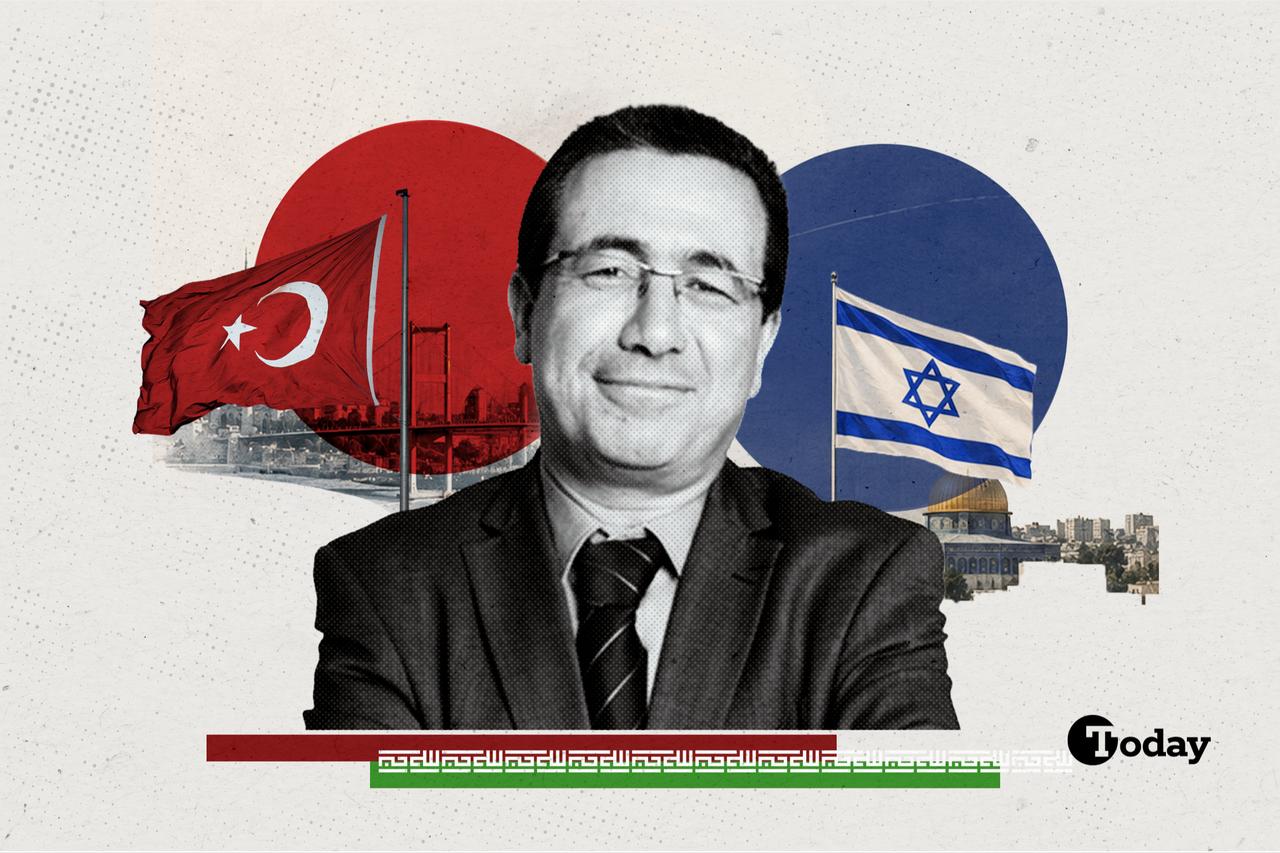


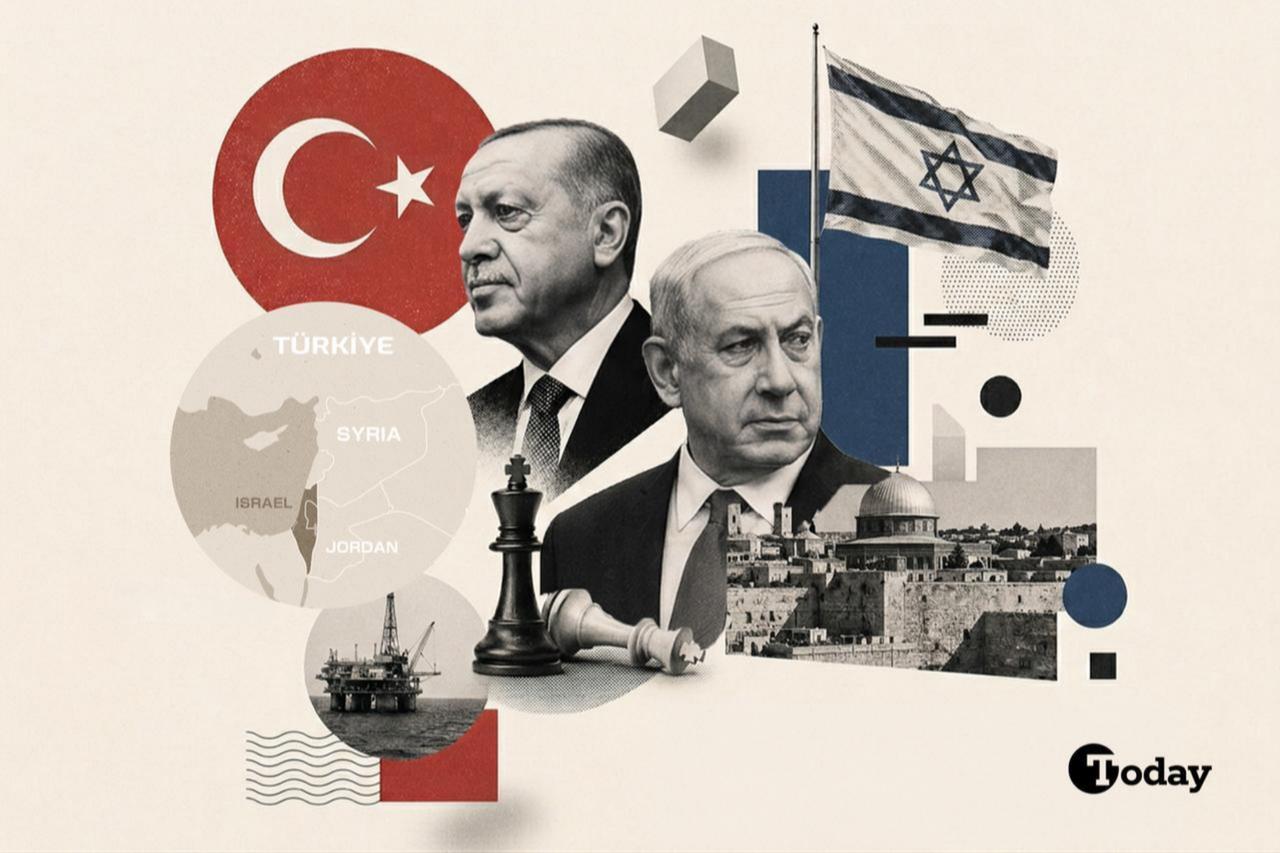
A former Israeli ambassador has dismissed as "total nonsense" the remarks from far-right Israeli politicians and TV pundits in Israel saying that Türkiye now poses a greater threat than Iran.
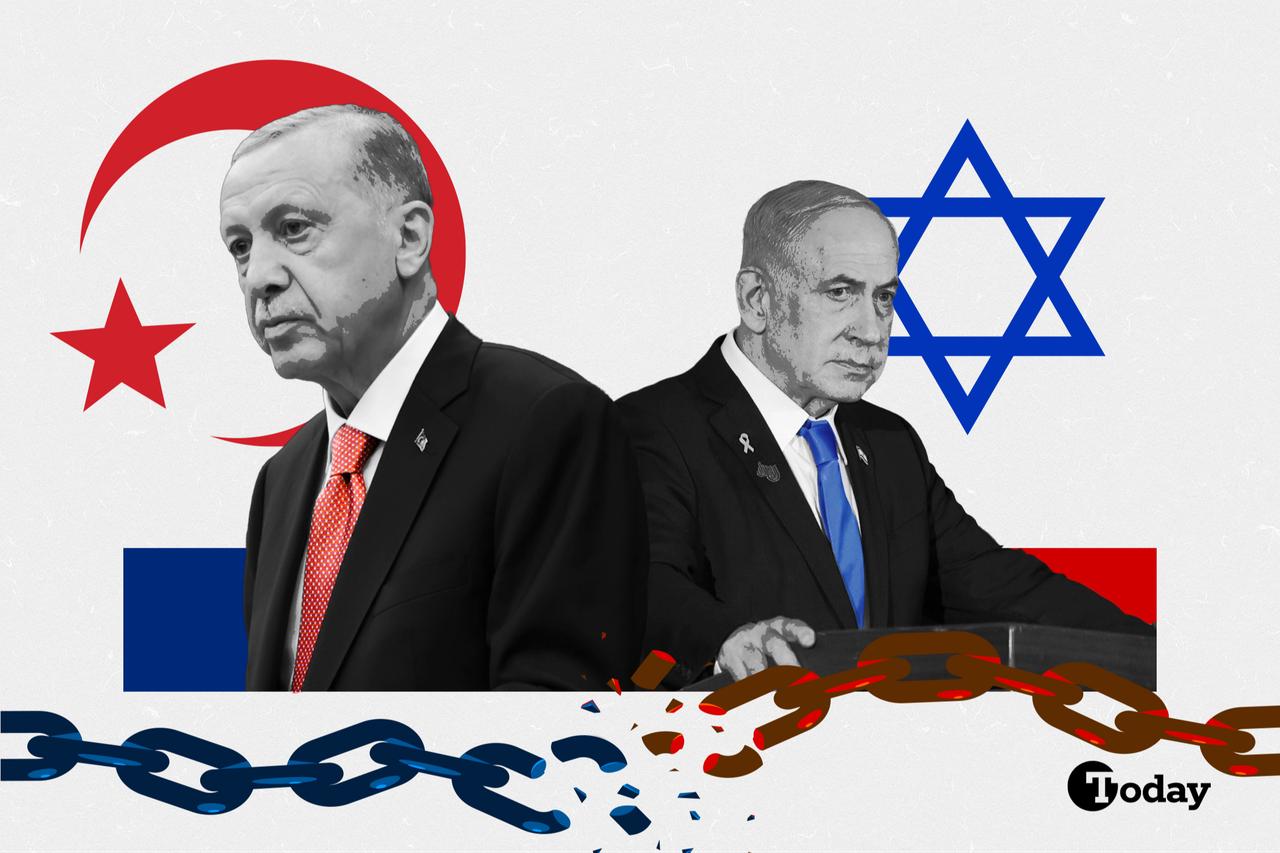
"Türkiye is not Israel's gravest threat, and the friction between them amounts to competition rather than confrontation," retired Israeli Ambassador Michael Harari said in an exclusive interview with Türkiye Today.
Harari, who served as Israel's ambassador to Greek Cyprus from 2010 to 2015 after postings in Cairo, London, and Nicosia, pushed back on a view gaining ground in parts of the Israeli press and political class that casts Türkiye as a danger surpassing Iran.
He pointed to a recent column published in the Israeli outlet Globes describing Türkiye as the country's number one threat.
"From my point of view, it's quite ridiculous. It is total nonsense," Harari said.
The question of whether Israel is beginning to view Türkiye as a post-Iran adversary has gained prominence in recent months, with growing debate over Ankara's place in Tel Aviv's strategic thinking.
In April, Foreign Minister Hakan Fidan warned that Israel may seek to designate Türkiye as its next adversary after Iran, arguing that Israeli Prime Minister Benjamin Netanyahu "cannot sustain himself without an enemy."
Former Israeli ambassador acknowledged the real friction between Türkiye and Israel as the two heavyweights in the region.
He said, "The Israeli-Palestinian conflict, a core issue for Israel, and the Kurdish question, a core issue for Türkiye."
"Each side grows highly sensitive when the other touches its core issue, and Israel's conduct in Gaza after Oct. 7 has colored how it reads every Turkish move," he added.
Still, Harari argued the relationship is better described as rivalry than enmity.
He said he prefers to frame the situation as "kind of competition between Türkiye and Israel," a phrase he called more neutral than confrontation.
Harari traced the deepening Israeli partnership with Greece and the Greek Cyprus to the breakdown in Israeli-Turkish ties around 2009 and 2010.
When relations with one partner sour, he said, Israeli foreign policy looks for an alternative, and Greek Cyprus and Greece filled that space.
He insisted the alignment was opportunistic, not aimed at Ankara.
"Common interests between Israel and Greek Cyprus, Israel and Greece are not directed against Türkiye," he said, though he conceded they took advantage of the troubles between Israel and Türkiye.
Energy cemented the shift.
"In December 2010, Israel and Greek Cyprus signed an exclusive economic zone (EEZ) agreement that, alongside later deals with Egypt and Lebanon, let Israel invite foreign companies to explore for gas in the eastern Mediterranean," Harari said.
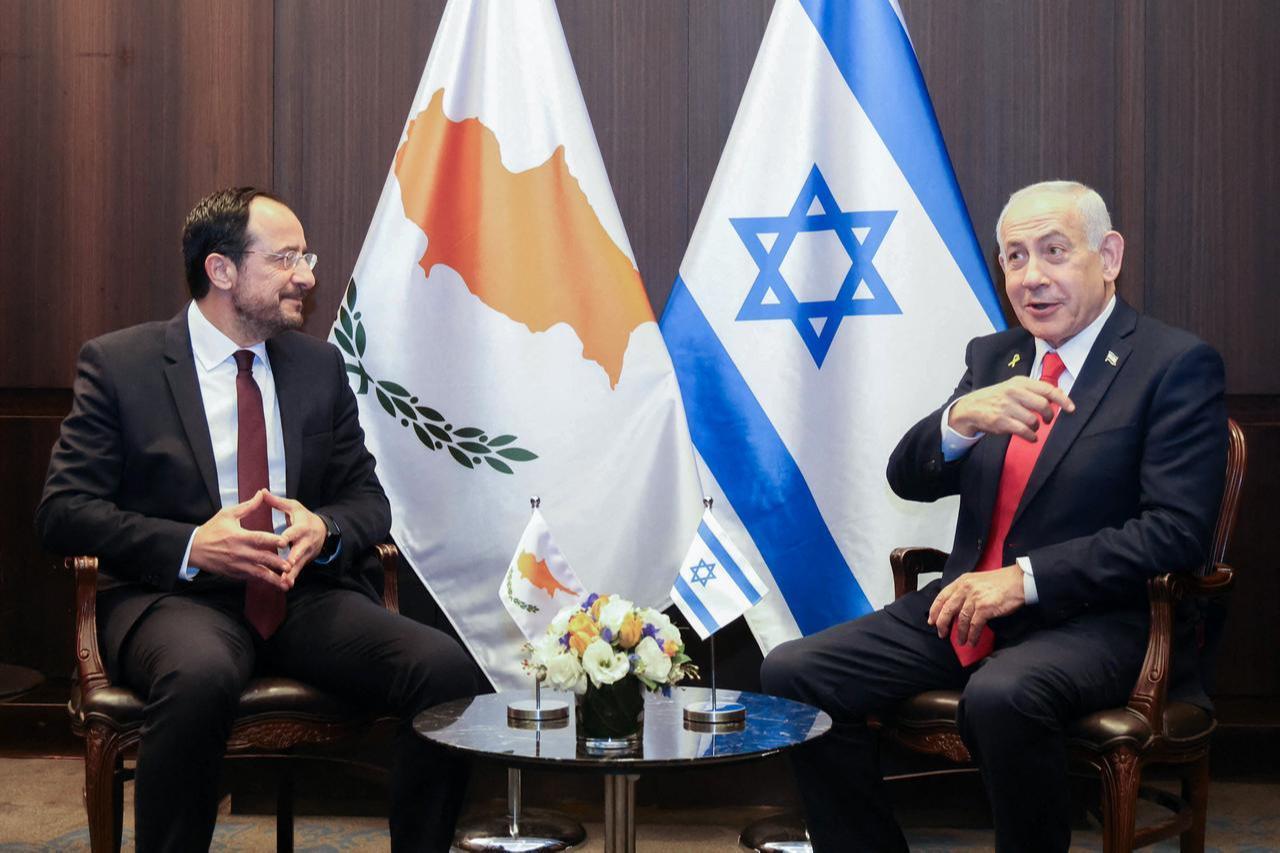
He rejected the idea that selling systems such as the Barak MX air defense to Greek Cyprus, or a French defense pact with Nicosia, signals Israeli troops heading to the island.
Asked directly, he said, "No, not at all."
"Israel knows its limits and does not seek a role in others' conflicts," he added.
The Turkish Foreign Ministry had harshly criticized the military agreement between France and Greek Cyprus that paved the way for French troops to be stationed on the island.
Similarly, Turkish defense ministry officials had said, “The agreement signed between France, which has no guarantor status in Cyprus, and the Greek Cypriot administration, which seeks to unilaterally alter the fragile balance on the island and disregards the will and equal sovereign rights of the Turkish Cypriots, is contrary to the 1960 Cyprus agreements and to international law” in a statement on June 11.

Where Harari saw genuine danger was Syria.
"Syria ... and there we should focus our efforts to de-escalate," he said, calling it the arena where missteps could turn rivalry into something worse.
"Israel had grown accustomed to a weak Assad regime that posed no direct threat," he said.
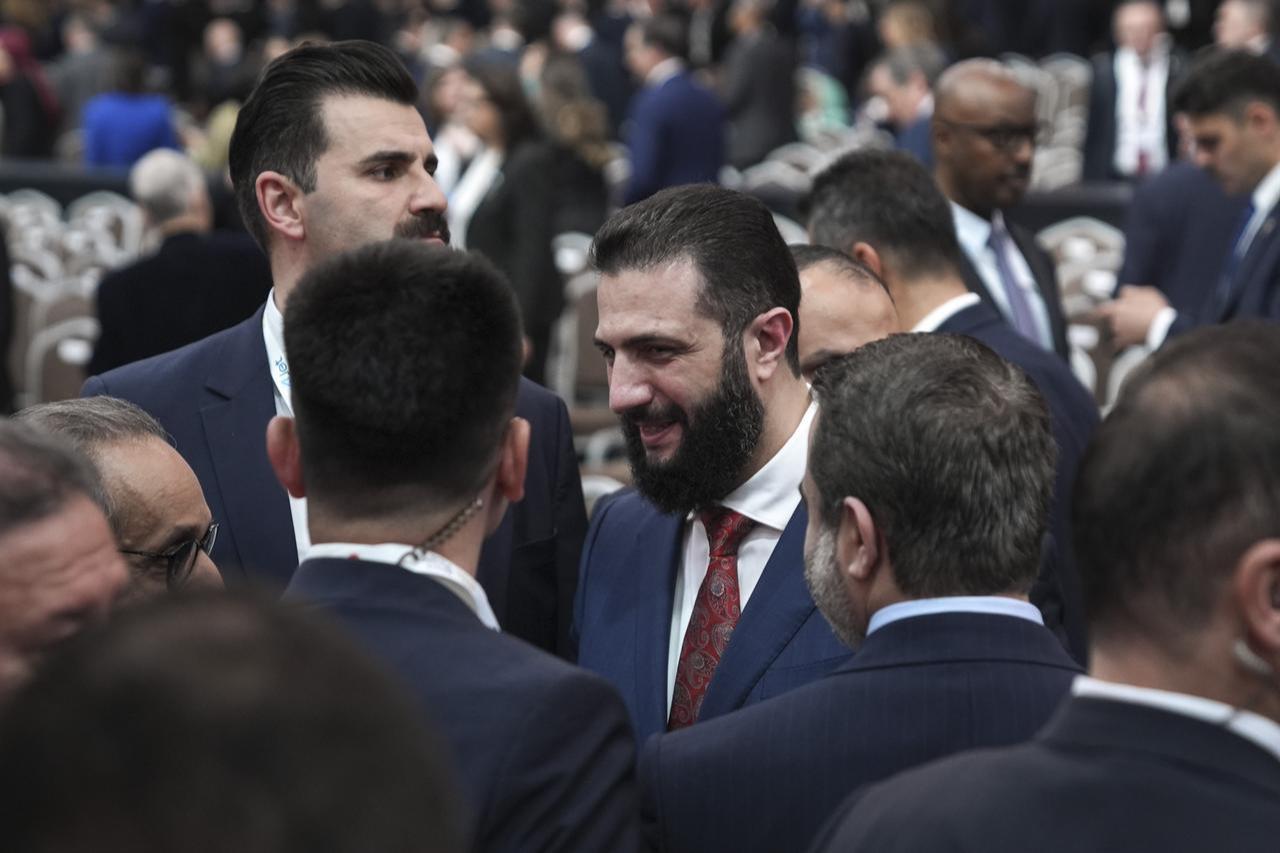
"The new leadership under Ahmad al-Sharaa is 'unknown,' comes from a 'radical background' and is 'very much supported by Türkiye,'" he said, raising questions in Israel about Syria's direction and Türkiye's reach toward Israel's north from Tel Aviv's perspective.
Harari said Israel should not remain in Syrian territory beyond the 1974 agreement, and that, in his view, a withdrawal should have come earlier.
He attributed the delay to the trauma of Oct. 7 and what he called the government's "hyperactive" posture, the product of a defense doctrine that concluded pre-Oct. 7 containment had failed.
The two governments have a communication line and have met in Baku, Azerbaijan, he noted, but not often enough.
"Türkiye and Israel should map each other's red lines and spheres of influence in Syria to avoid escalation," he said.
Harari, who said he does not hide his political views, called openly for change.
"I hope the government will be changed. I will be very clear about it," he said, arguing Prime Minister Benjamin Netanyahu's government should go after Oct. 7.
A successor need not adopt left-wing positions to improve relations with Türkiye, he said; a more rational, less ideological government would alone reset the tone and repair an international image he said the current government has damaged.
He also weighed Israel's interest in Somaliland, framing it as a bid to secure a foothold on a strategic Red Sea coastline near the Bab el-Mandeb strait and the Houthi threat, a move he said that unsettles capitals, "including Cairo, not only Ankara."
On whether Türkiye and Israel could build a win-win in Eastern Mediterranean energy, Harari was blunt about both the obstacle and the prize.
There is "no proper regional cooperation on energy without Türkiye," he said, urging Ankara to seek a place inside the regional architecture rather than "fight or dominate it."
He said Türkiye had been left out of bodies such as the East Mediterranean Gas Forum (EMGF) and claimed it had not pushed hard enough to join.
"Companies need calm before they invest," he said, reaching for a metaphor: business people "like to have a proper lunch before they sign an agreement, so let's have a proper lunch before we export or import."
Asked whether competition could tip into direct conflict, Harari was firm: "We should make sure that it won't."
"Keeping channels open through advisers, even short of a Netanyahu-Erdogan thaw, and holding the line until Israel's coming elections offered the best path to avoiding a clash," he concluded.


 Set as preferred source
 Set as preferred source


 2 min read
 1 min read