Newsletters


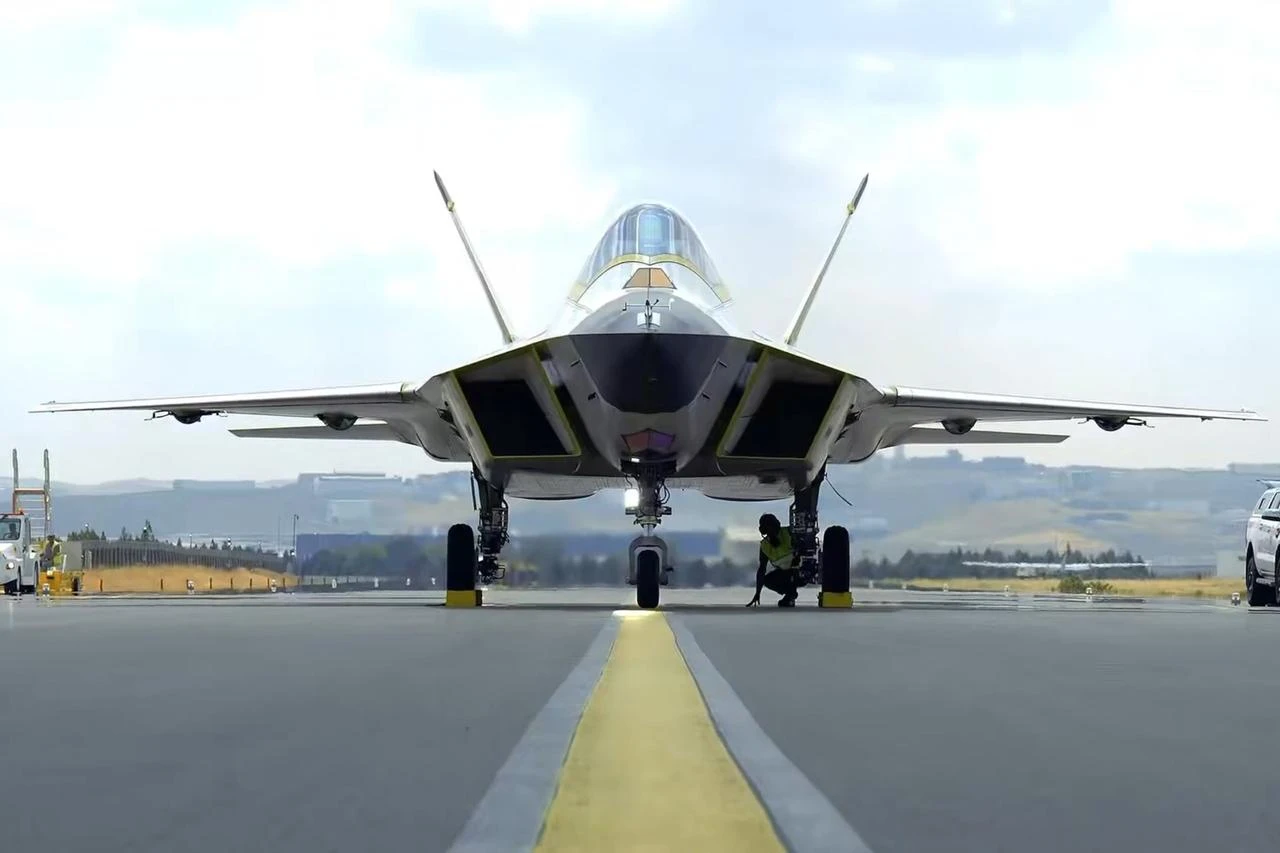


Turkish Aerospace Industries (TAI) General Manager Mehmet Demiroglu said test traffic for Türkiye's National Combat Aircraft KAAN and the Hurjet jet trainer will increase as new prototypes join testing campaigns in the coming months.
Demiroglu spoke to state-run Anadolu Agency (AA) on the sidelines of Teknofest Blue Homeland, held at Golcuk Shipyard Command.
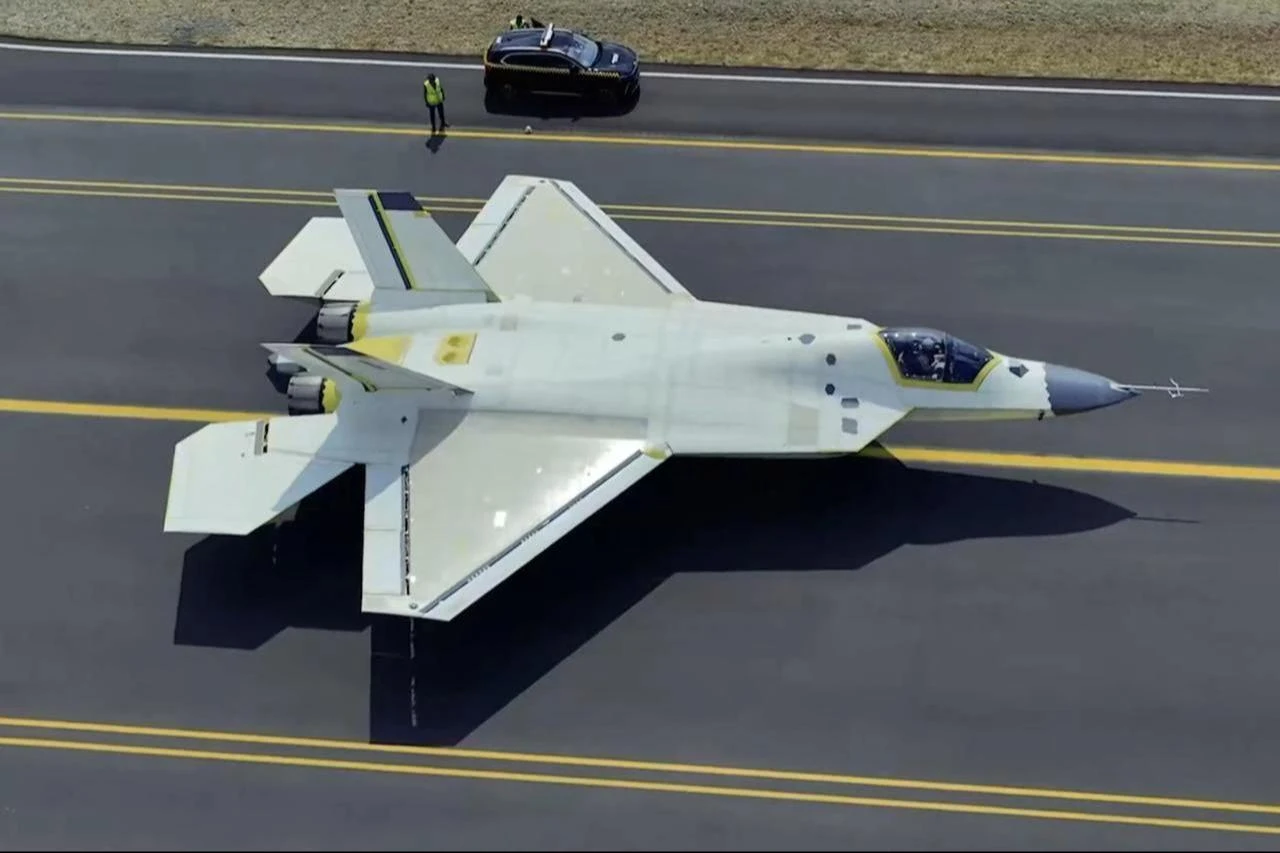
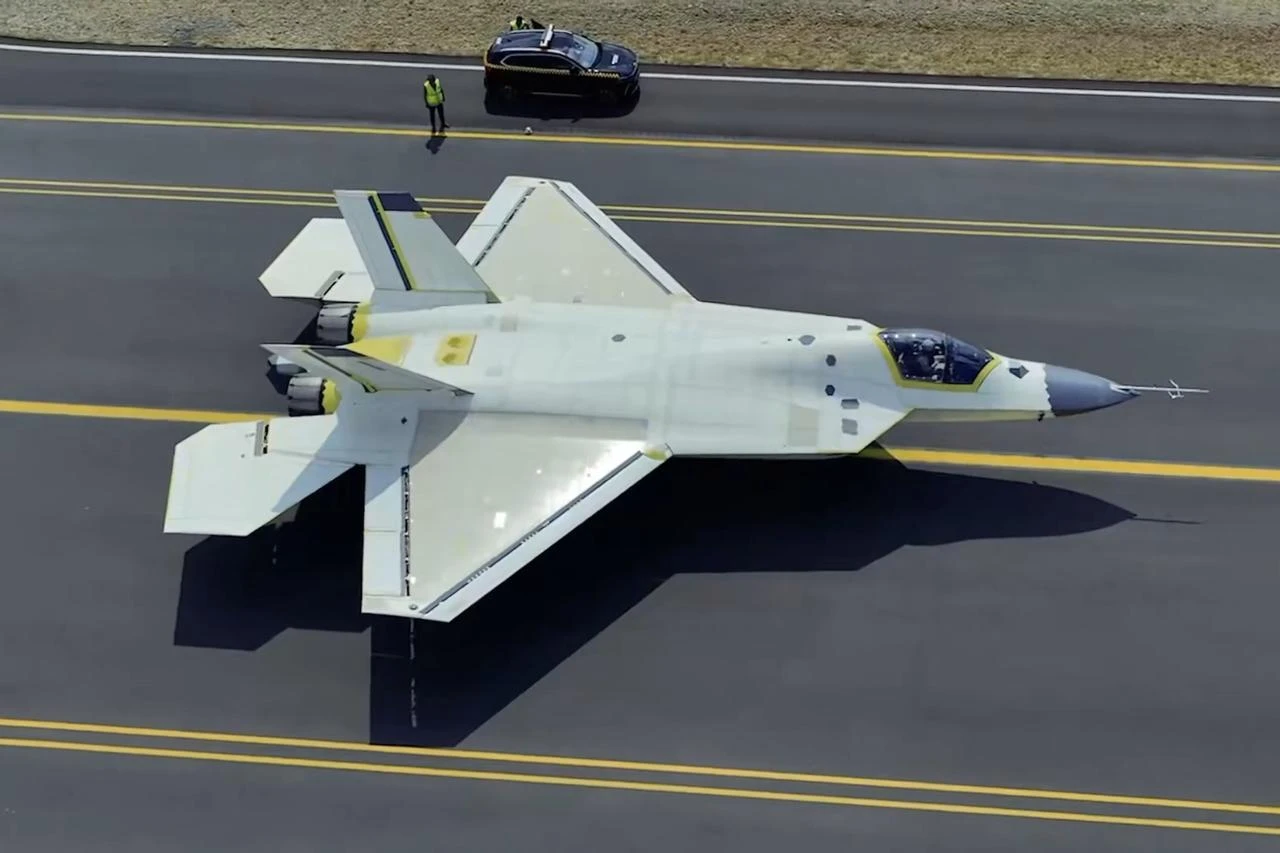
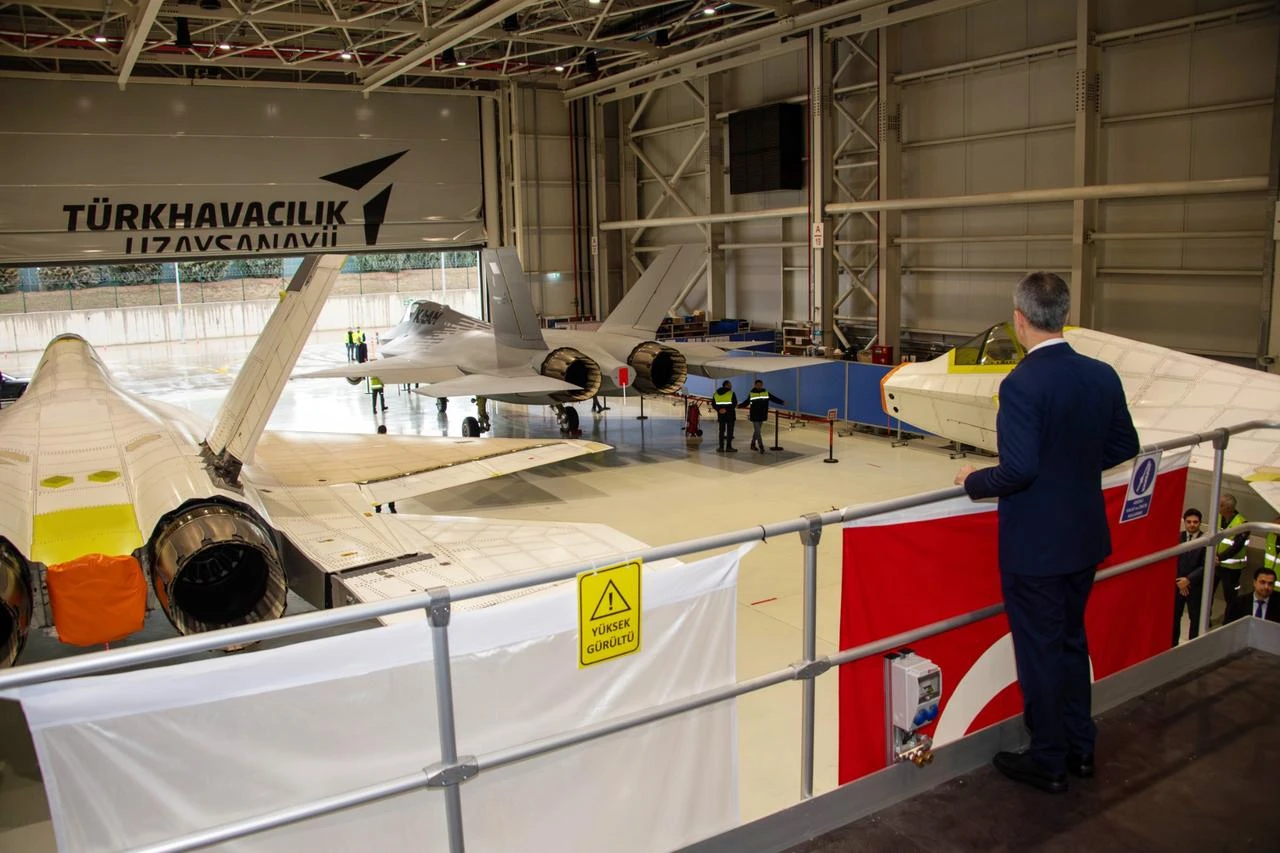
Demiroglu said KAAN's first prototype has already completed its flight, while the second and third prototypes, set to be used in the main test campaign, remain under intensive development. The second aircraft has now moved to final assembly, and the goal is to have both airframes ready to fly before the end of the year.
"Allah willing, we will see two prototypes flying side by side in our skies this year," Demiroglu said.
He added that the armed configuration will follow next year, with the two prototypes first undergoing envelope-opening tests before weapons and mission systems are integrated. "Around this time next year, we will be running an intensive test campaign with three KAAN aircraft," he said.
Demiroglu said KAAN represents the highest level of domestic content TAI has achieved to date.
"KAAN is the most domestic prototype we have made to date. Aside from the engine and the ejection seat, everything else has either been produced and installed domestically or will be in the second and third prototypes. We can say it's in the 90% range. If you're talking about a 90% domestic content rate while building a fifth-generation aircraft, that is a tremendous achievement," Demiroglu said.
He said work on a domestic engine is also continuing intensively.
"Allah willing, work on our domestic engine is continuing intensively. We will begin its testing around 2032. Once we complete that domestically as well, there will be nothing left that isn't domestic. We will begin deliveries as a fully domestic and national platform," Demiroglu said.

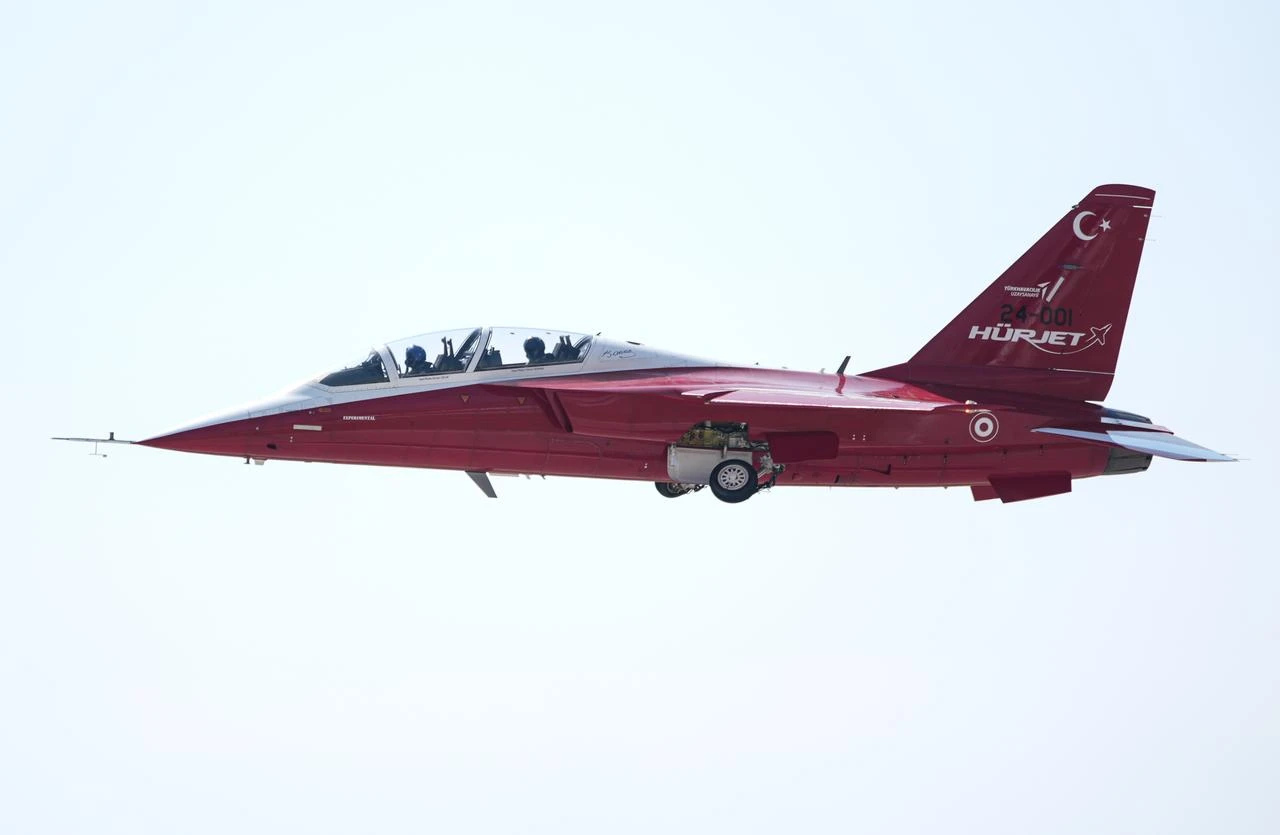
Demiroglu said flight and certification activities are continuing under the Hurjet program, and that the agreement signed with Spain represented a major export success for TAI, the Turkish defense industry and Türkiye.
"The contract with Spain was a very important agreement, both for us as TAI and for our sector and our country. That is, we demonstrated a jet trainer export success to a NATO country. This is genuinely a source of pride," Demiroglu said.
He said Hurjet's two existing prototypes have reached approximately 550 hours of test flights combined.
"We are currently building four more prototypes. The first two of these will begin flying this year as well, just like KAAN. We could even say it's a matter of weeks. After that, two more will follow. In total, we will be running an intensive test campaign with six Hurjet aircraft together with KAAN, buzzing along like a beehive over the coming months and the coming year. We have committed to beginning deliveries to the Turkish Air Force by the end of 2027 and to the Spanish Air Force in 2028. We need to keep that promise, and we are doing everything we can to ensure deliveries begin on the stated dates," Demiroglu said.
Asked whether Hurjet would pursue new missions abroad, Demiroglu said there was strong international interest.
"It will definitely happen because there is a serious gap and interest. The United Kingdom, Japan, Canada, Malaysia, other countries... Our talks with many countries are ongoing. We'll see whether they result in success, but we can say this comfortably: Hurjet is an aircraft that has really positioned itself well. It's an aircraft positioned at exactly the right time and capable of meeting the needs. In the coming months and years, we hope to share export successes like the one with Spain, and to celebrate them together," Demiroglu said.
Demiroglu said TAI is working on three main platforms for the Turkish Naval Forces, the first of which is the Aksungur unmanned aerial vehicle (UAV).
He said TAI is working to integrate payloads such as sonobuoys and torpedoes into Aksungur, in addition to its maritime patrol and surveillance missions.
According to Demiroglu, Aksungur's payload capacity—currently 750 kilograms—is targeted to rise to 1,250 kilograms next year, while its flight endurance, already above 50 hours, is expected to increase to around 60 hours.
"This is a significant increase both for the Naval Forces and for our other users," Demiroglu said. "In our integration activities, we are integrating and will integrate torpedoes, sonobuoys and different radars for both the Naval Forces and other users. This gives the user a significant capability on the unmanned systems side."
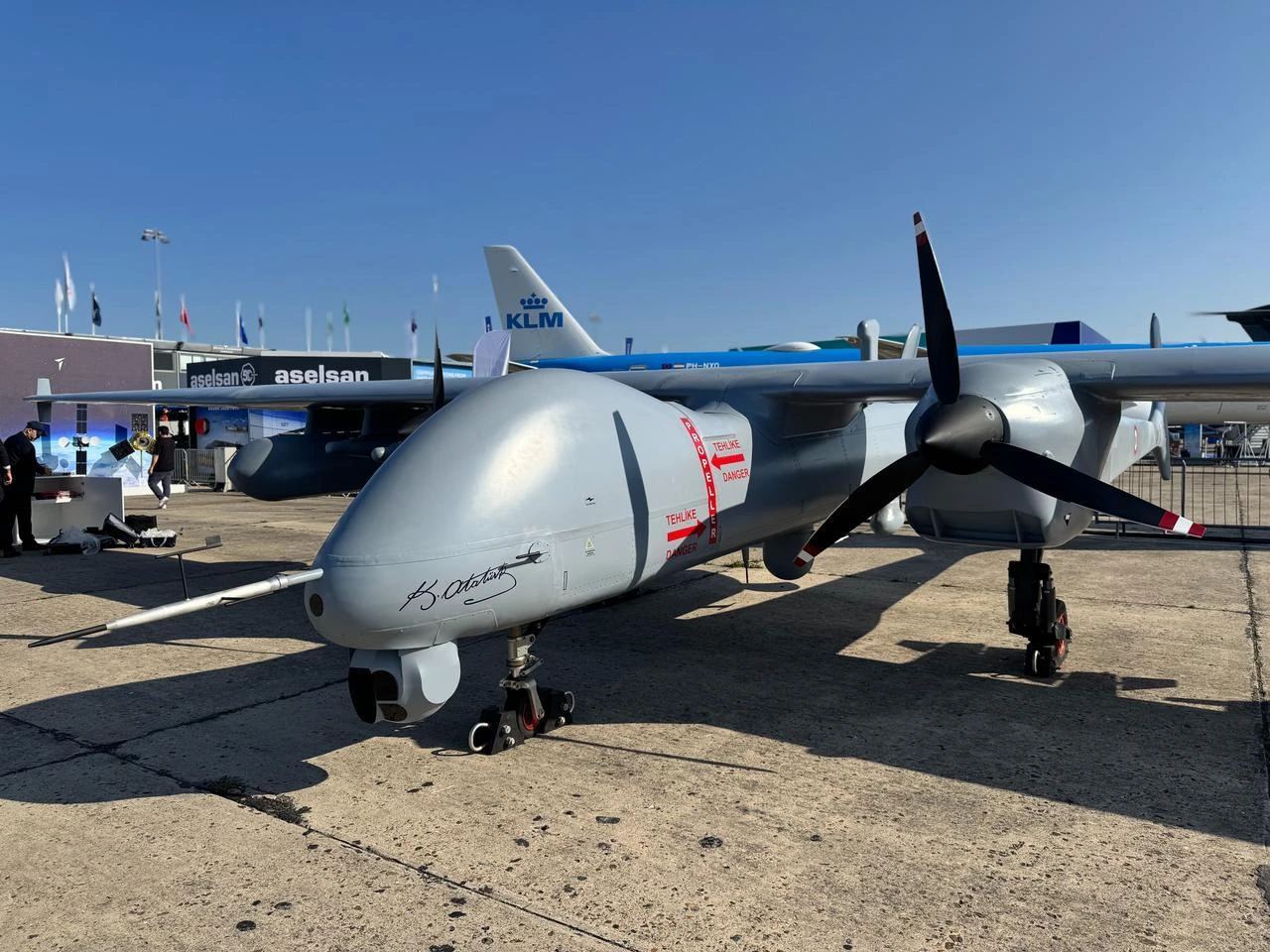
Demiroglu said the second area of work for the Naval Forces involves helicopters, with both the Gokbey helicopter and a new 10-ton-class helicopter, planned for its first flight next year, being configured to meet naval requirements.
"We have begun sonar integration for both Gokbey and the 10-ton helicopter. We will be giving the Naval Forces a serious additional capability at sea with a domestic sonar," Demiroglu said.
He said TAI is also working on unmanned helicopters, noting that the program has made significant progress and that final tests are underway for different configurations.
 2 min read
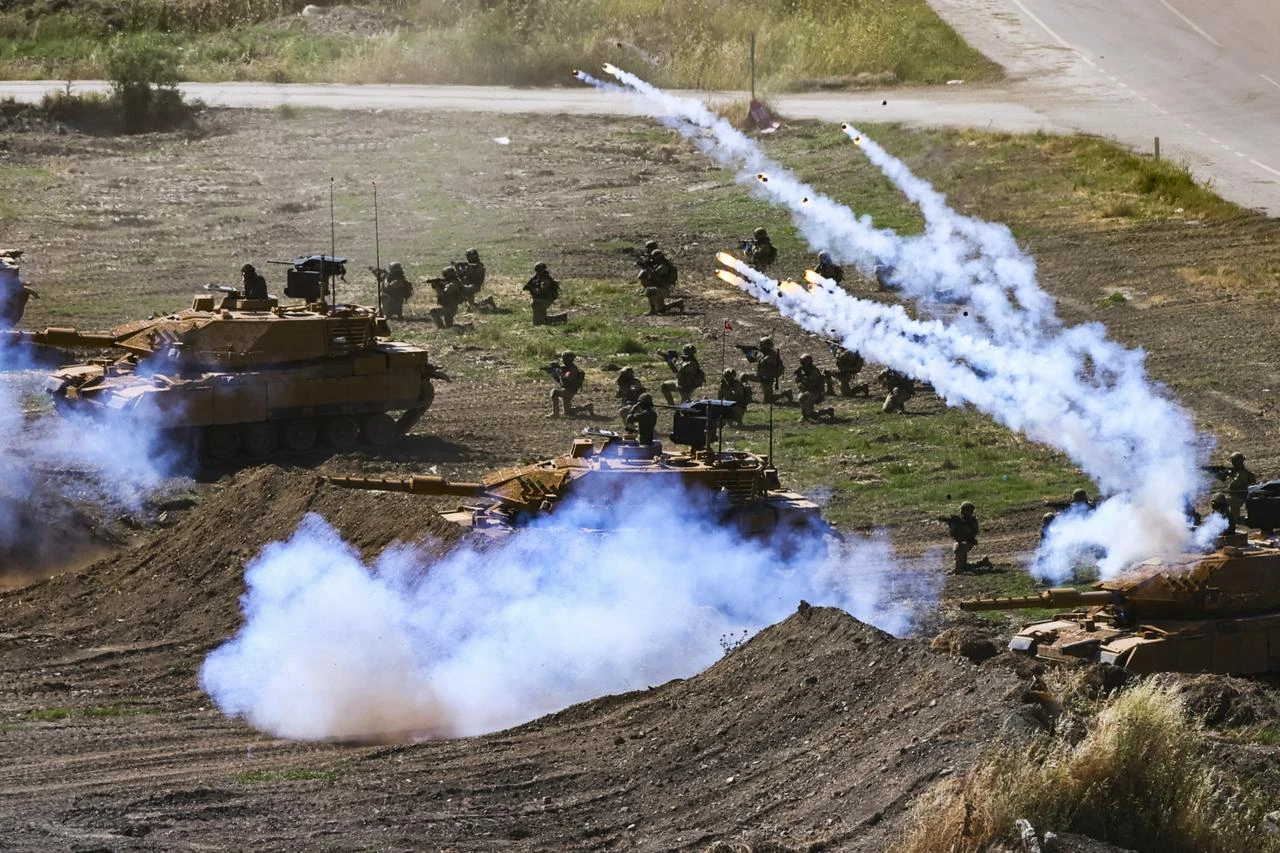
Demiroglu said work has been underway for some time on a version of Hurjet capable of operating from ships.
"Our work on this has already been ongoing for quite a while. It's becoming clearer now. As our aircraft carrier takes shape, the requirements will take shape accordingly. This is a long-term project. I can say now that it will be a completely different platform from Hurjet. You will see that it will be different from Hurjet, because that's what's required," Demiroglu said.


 Set as preferred source
 Set as preferred source


 1 min read