

 Newsletters


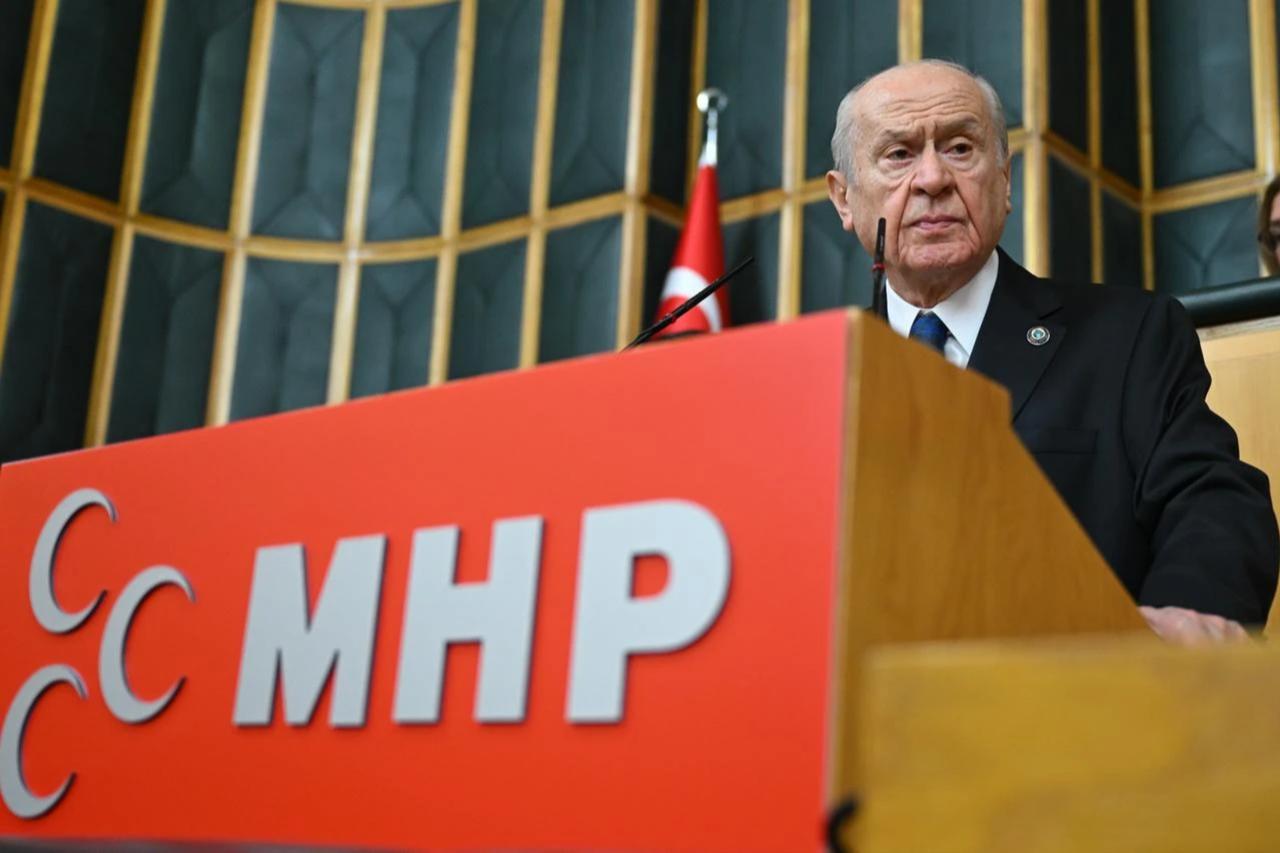


Nationalist Movement Party (MHP) leader Devlet Bahceli, a close ally of President Recep Tayyip Erdogan, called for Türkiye to issue an “Ankara Declaration” on regional security and proposed transforming a defense initiative involving Türkiye, Saudi Arabia and Pakistan into an “Islamic Peace Force” in response to Israel’s actions in the region.
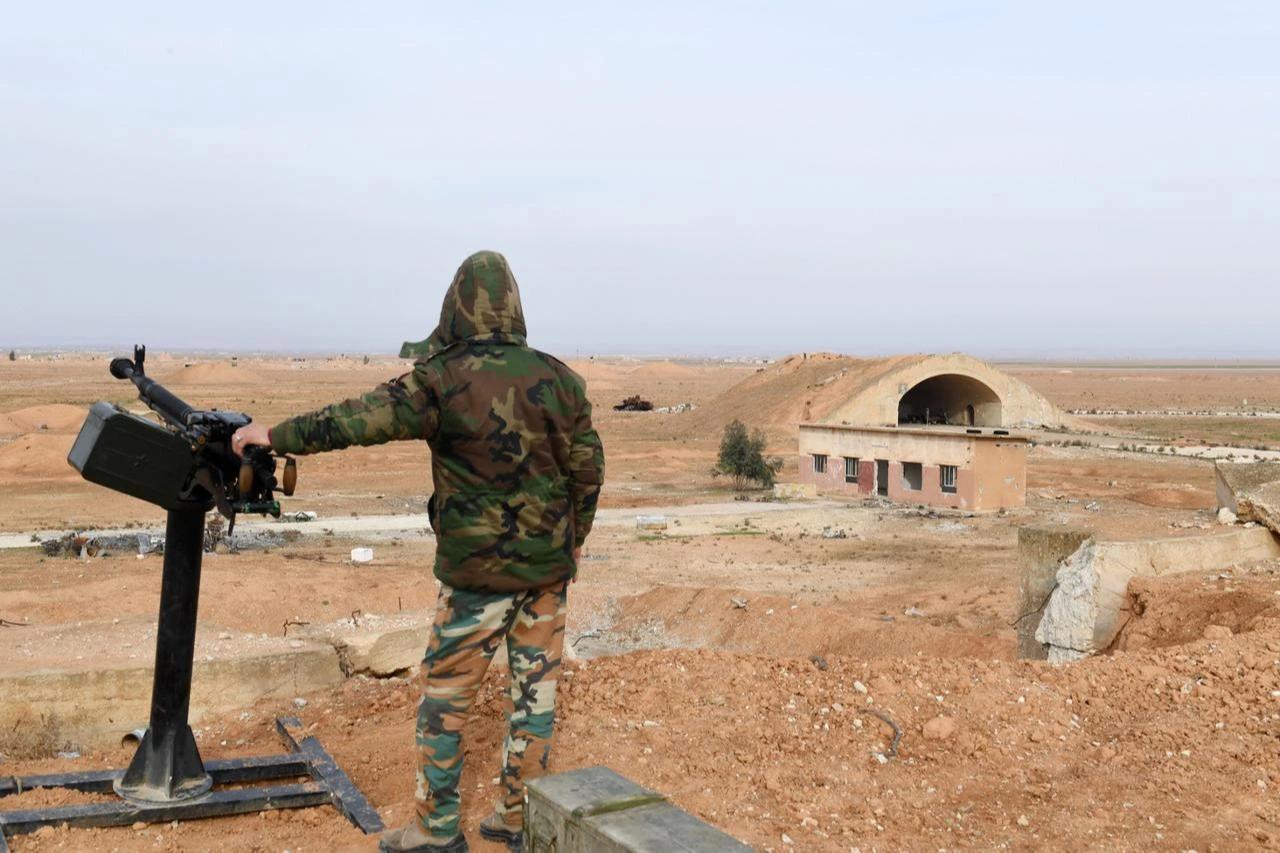
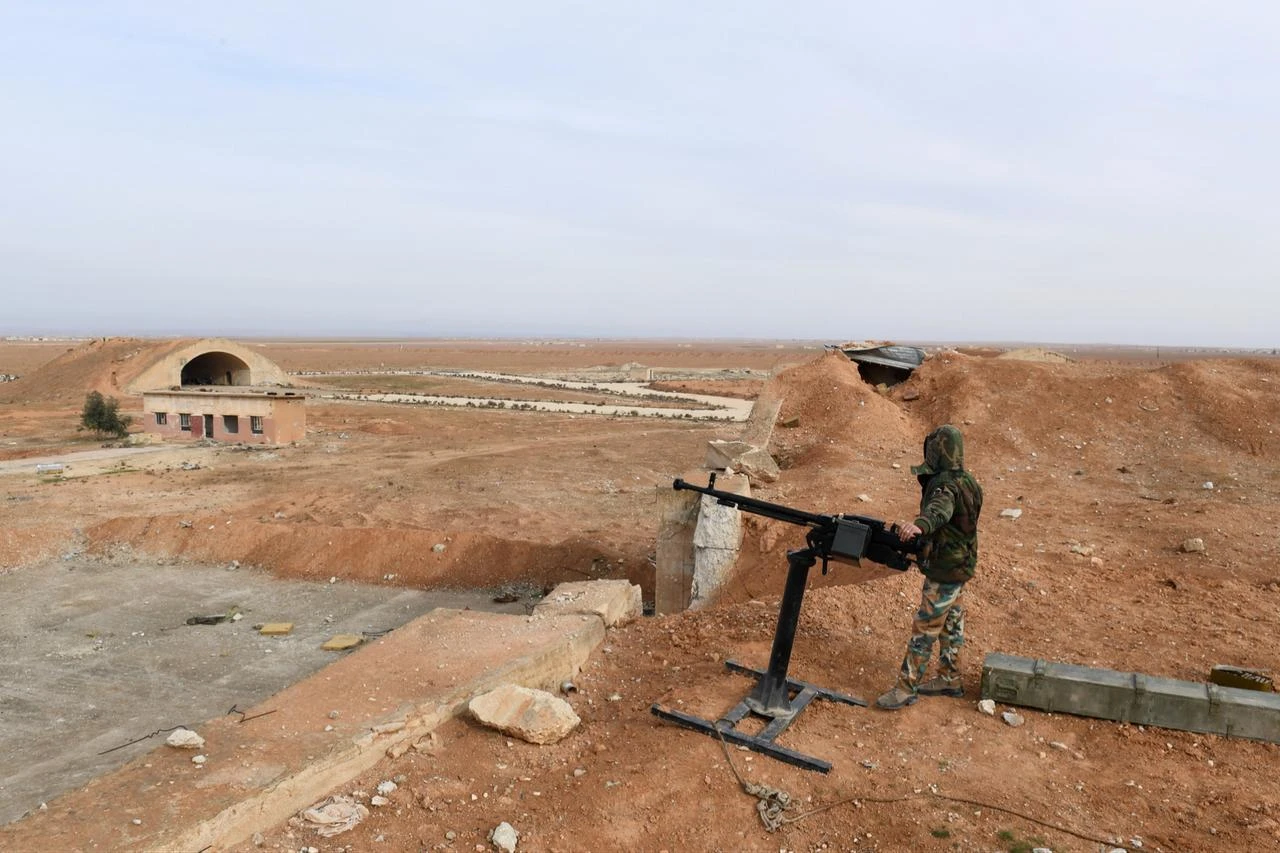
Bahceli laid out the proposals in a written statement responding to an Israeli attack on the Abu al-Duhur Military Airport in Syria’s northwestern Idlib province.
Israeli warplanes carried out eight airstrikes early Tuesday targeting the airport’s runway and damaging its infrastructure at the site near the Turkish border.
Israel claimed a Turkish military delegation had recently visited the airport, while a Syrian war monitor said the visit was linked to efforts to reactivate the base.
Ankara denied having any military presence at the air base and vowed to continue “resolutely” supporting Syria’s sovereignty.
Bahceli described the Israeli strikes as another example of what he said was Israel’s disregard for the sovereignty and territorial integrity of states and international law.
“Whether it is a manifestation of its historical expansionism and disregard for law or an initiative aimed at the approaching elections, what has been done is an unacceptable attack on law, peace and regional stability,” Bahceli said.
He said countering Israel’s “aggressive policies” within the framework of international law had become an urgent necessity because they threatened regional peace and security.

Bahceli also warned Israel against actions that could affect Türkiye’s national security.
“Our call to the Israeli administration, which is increasingly escalating its hostility toward Türkiye while gradually losing international support and legitimacy, is clear,” he said. “It must stop provoking Türkiye, testing Türkiye’s patience, engaging in attempts that could amount to direct or indirect interference in our country’s national security areas and encouraging anti-Türkiye circles.”
He said Türkiye was not seeking conflict but would not ignore threats, tolerate violations of its sovereignty or leave its national security “at the mercy of others.”
Bahceli said Türkiye was closely following Israeli moves in Syria that intersect with Turkish security interests, efforts he said were aimed at excluding Türkiye from the Eastern Mediterranean and policies that encouraged regional fragmentation.
“Türkiye’s aim is not to wage war against any country, including Israel,” he said. “However, no one should make the mistake of interpreting Türkiye’s will for peace as weakness, its restraint as helplessness or its diplomacy-first approach as a lack of deterrence.”
Bahceli said Israel’s policies from Gaza and Lebanon to Syria and Iran had become one of the main security problems threatening the region’s future.
He said Türkiye would not accept the establishment of permanent occupation zones in Syria, changes to de facto borders, the expansion of buffer zones or the use of ethnic or sectarian groups for geopolitical purposes.
Bahceli reiterated his support for the establishment of an independent and sovereign Palestinian state based on the 1967 borders, with East Jerusalem as its capital, before setting out seven proposals aimed at regional security and stability.
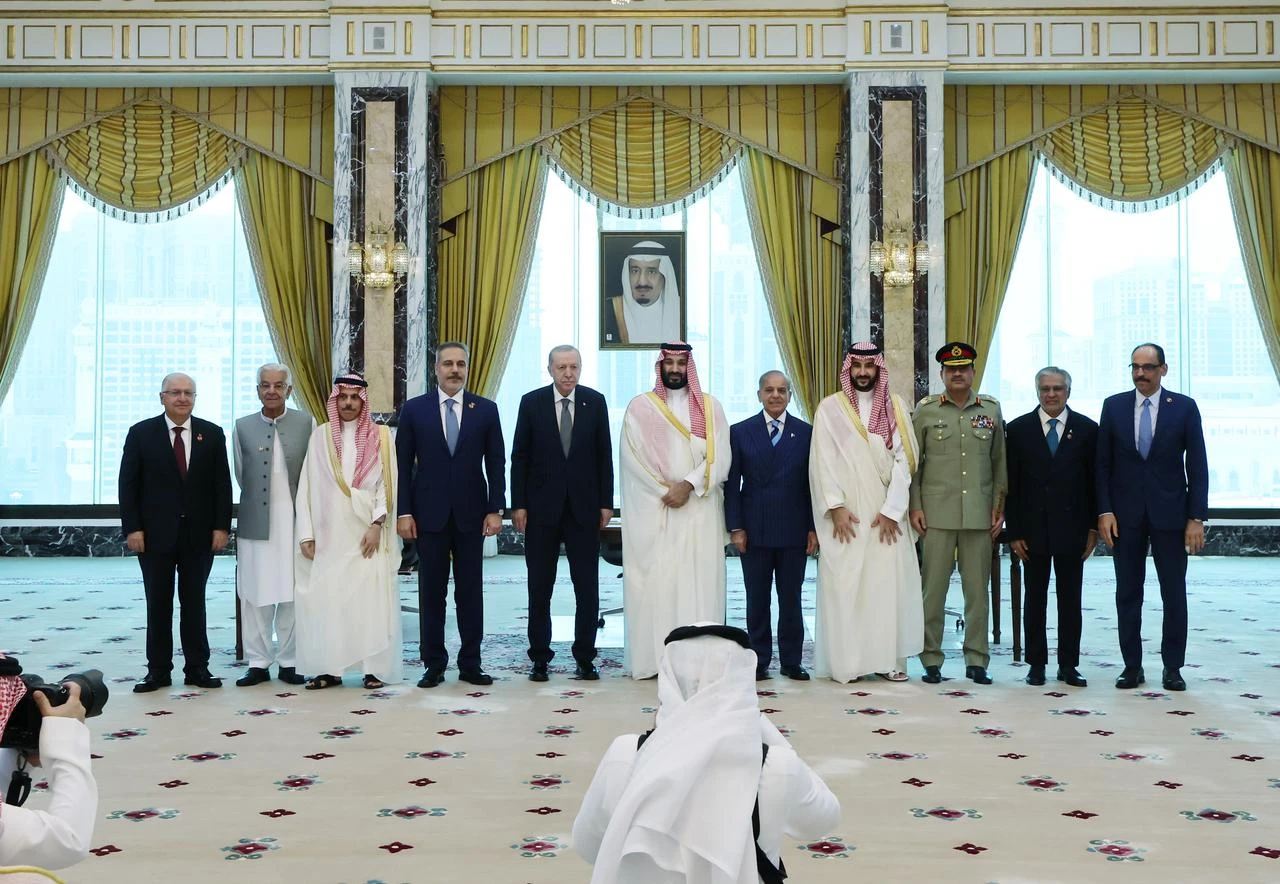
His first proposal called for expanding the “Mecca Agreement” signed by Türkiye, Saudi Arabia and Pakistan.
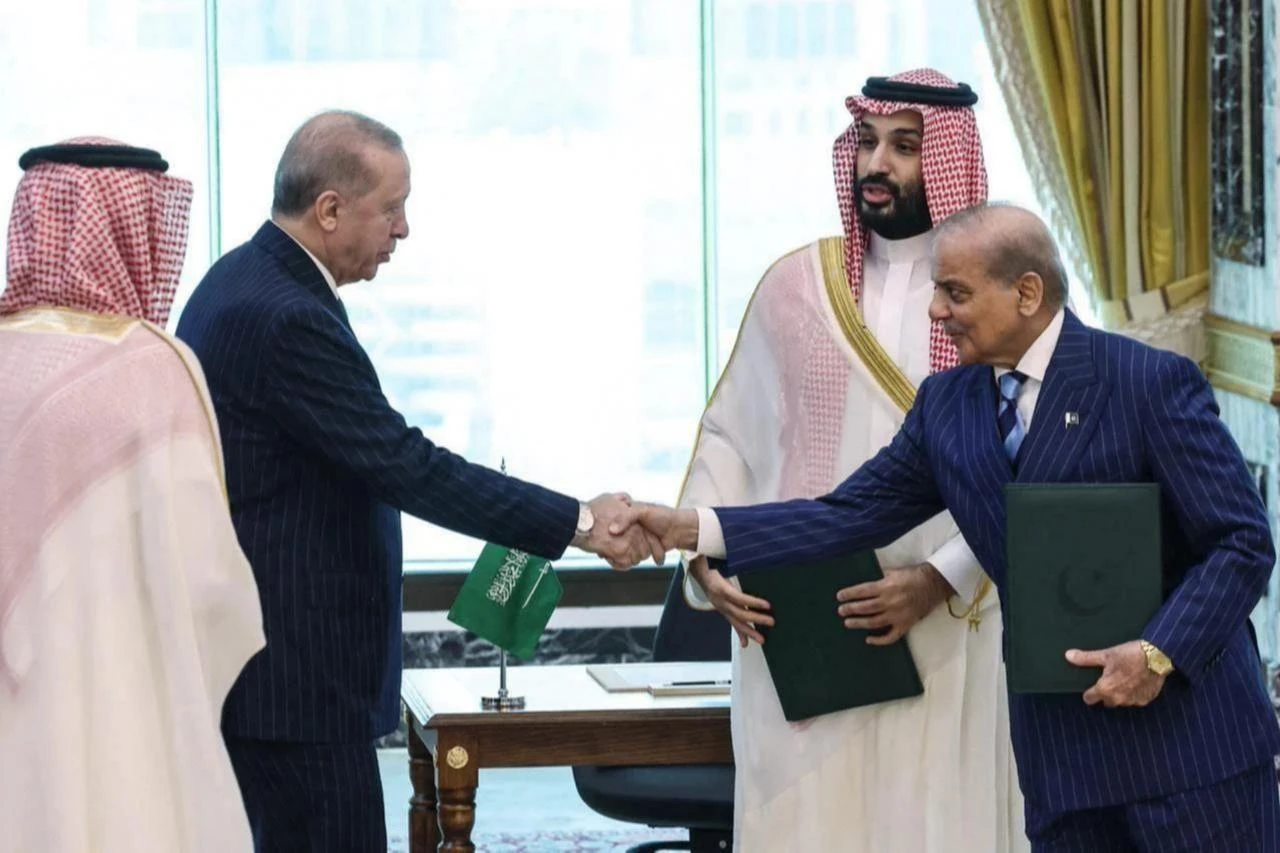
The Mecca Joint Defense Agreement was signed Aug. 7 by Erdogan, Saudi Crown Prince Mohammed bin Salman and Pakistani Prime Minister Shehbaz Sharif.
The pact seeks to strengthen collective security and deterrence and stipulates that an armed attack against one of the three countries would be regarded as an attack against all.
Turkish officials have described the agreement as a defensive arrangement that targets no country and is open to participation by other regional states.
Bahceli said expanding the pact’s membership could help realize his previously proposed “Jerusalem Pact,” which he said would establish a joint security and defense initiative among Muslim countries.
He proposed developing the initiative into an “Islamic Peace Force” through a defense cooperation mechanism covering “all countries and regions targeted by Israeli aggression.”
Bahceli also proposed establishing a temporary Middle East Peace Coalition or Council made up of the United States, Russia, China and the European Union, modeled on a previously proposed World Peace Council.
The body, he said, should work to rapidly establish stability in the region.
His third proposal called for a Middle East Security and Peace Conference initiated by Türkiye, held under the auspices of the United Nations, working in coordination with the proposed Middle East Peace Coalition or Council.
Bahceli said the conference should establish a road map for a permanent two-state peace in Palestine and broader stability in the Middle East.
Bahceli’s fourth proposal called for Türkiye to issue an “Ankara Declaration” setting out principles to guide its approach to regional security, with peace and stability at its center.
He said Türkiye should also declare that it would not remain unresponsive to a possible Israeli attack against it and that Türkiye would not be responsible for the consequences that could follow.
Bahceli said the declaration should emphasize that the Turkish nation had provided refuge to Jews during difficult periods in history.
He said it should also express “sadness and concern” over what he described as the Israeli government having fallen into “the hands of a killer.”
Bahceli’s fifth proposal was the establishment of a neutral “International Cease-Fire Monitoring Mission” under the United Nations.
He said past conflicts showed that cease-fires without international monitoring mechanisms did not last.
The proposed mission would document cease-fire violations, monitor the security of humanitarian aid corridors, regularly report developments concerning civilian protection and transparently inform the international community.
Bahceli also proposed an “International Mediation Contact Group,” arguing that an institutionalized and multilateral structure would provide greater continuity to diplomatic efforts than mediation conducted by individual states.
His seventh proposal called for a “Gradual Diplomatic Pressure and Incentive Mechanism.”
Bahceli said a policy of “containing Israel for peace” should be implemented, with political and economic pressure on Israel increased, particularly by countries in the region, while military deterrence mechanisms should also be activated.
At the same time, he said diplomatic and economic incentives could be introduced if a permanent ceasefire was established, what he described as expansionism and settlement activity ended, negotiations resumed and Israel complied with international law.
Bahceli argued that such measures would contribute to Israel’s growing isolation regionally and internationally and could help change the political climate inside Israel.
He said Türkiye should take a leading role in establishing a permanent regional peace order, arguing that Israel’s policies should be countered while a broader regional peace architecture is strengthened.
“It appears that Israel has ignored the warnings we have made recently,” Bahceli said. “Let us remind them once again. Türkiye is not an actor that will go from door to door when its sovereign rights are attacked. And when the Turkish nation rises, there is no force that can stand in its way.”


 Set as preferred source
 Set as preferred source


 2 min read
 1 min read


