Newsletters




This article was originally written for Türkiye Today’s bi-weekly Balkans newsletter, BalkanLine, in its June 12, 2026 issue. Please make sure you are subscribed to the newsletter by clicking here.
The past two weeks have been eventful across the Balkans. Regional leaders gathered for high-level summits while international diplomats met behind closed doors to discuss Bosnia and Herzegovina's future. Meanwhile, protests over a controversial development project continued to grow in Albania, and Kosovo’s political landscape braced for impact as voters headed to the polls once again.
Yet despite the diplomatic activity and political momentum, the region is no closer to resolving many of its underlying challenges. If anything, recent developments have highlighted a common theme running through the Balkans today: uncertainty.
The most dangerous gridlock is currently playing out behind closed doors in Sarajevo. Last week, the Peace Implementation Council (PIC) met to select a successor to outgoing High Representative Christian Schmidt, but after two days of intense negotiations, the session ended in a deadlock. The divide between the U.S. and EU approaches to managing the Balkans is no longer a quiet diplomatic secret; it was on full display at the PIC.
This leadership vacuum at the Office of the High Representative is a severe warning sign for Bosnia and Herzegovina, handing ethno-nationalist leaders a highly vulnerable international community precisely when secessionist rhetoric is peaking.
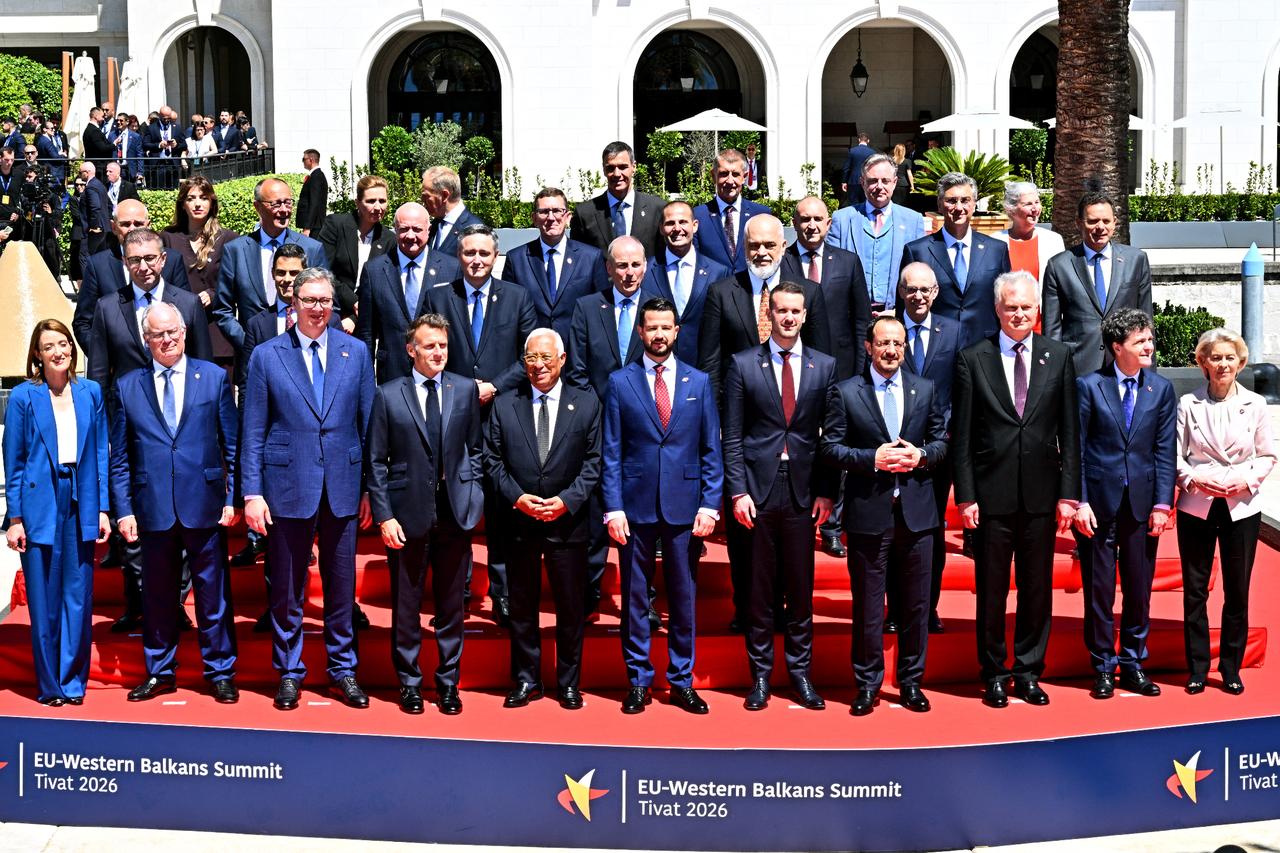
While the peace architecture stalled in Bosnia, regional leaders gathered on the Montenegrin coast for the EU-Western Balkans Summit in Tivat, reaffirming their commitments to regional cooperation and European integration.
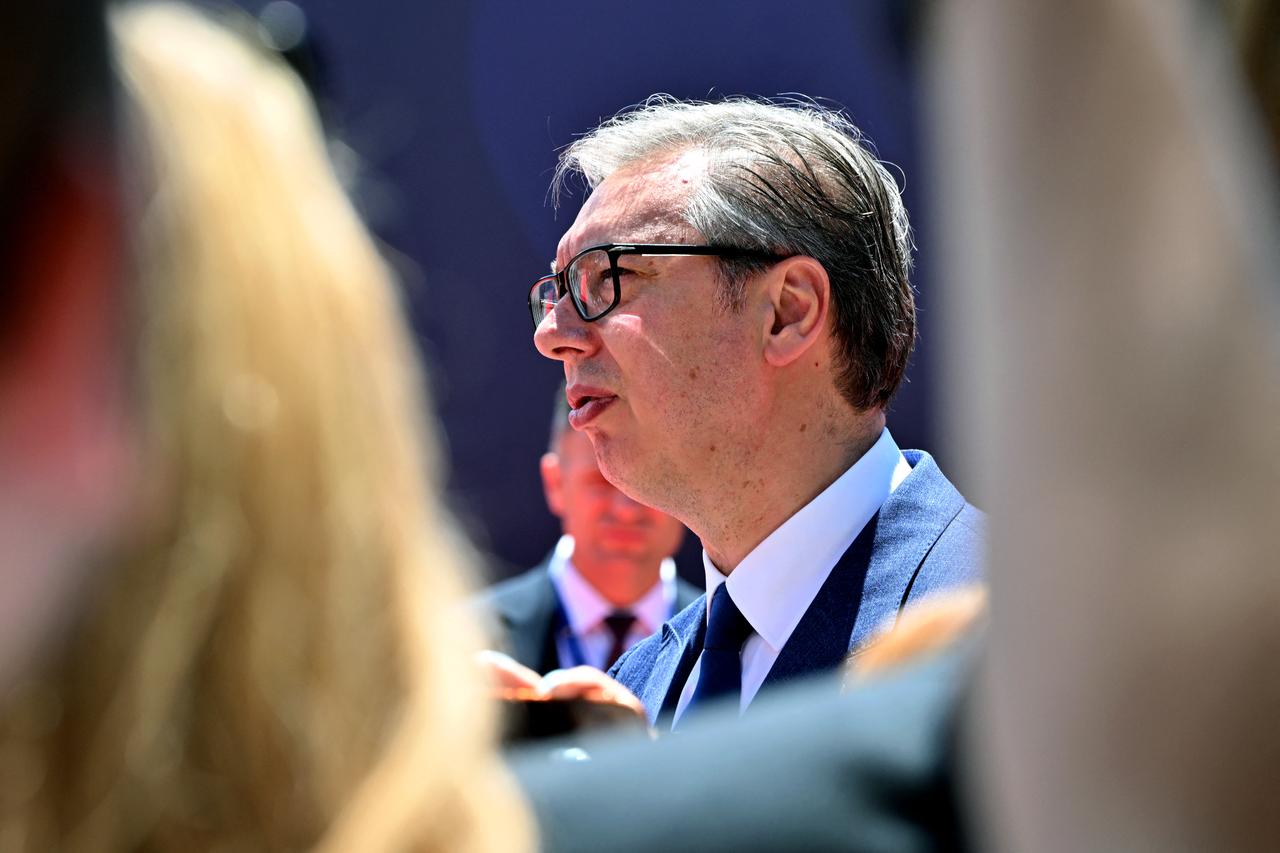
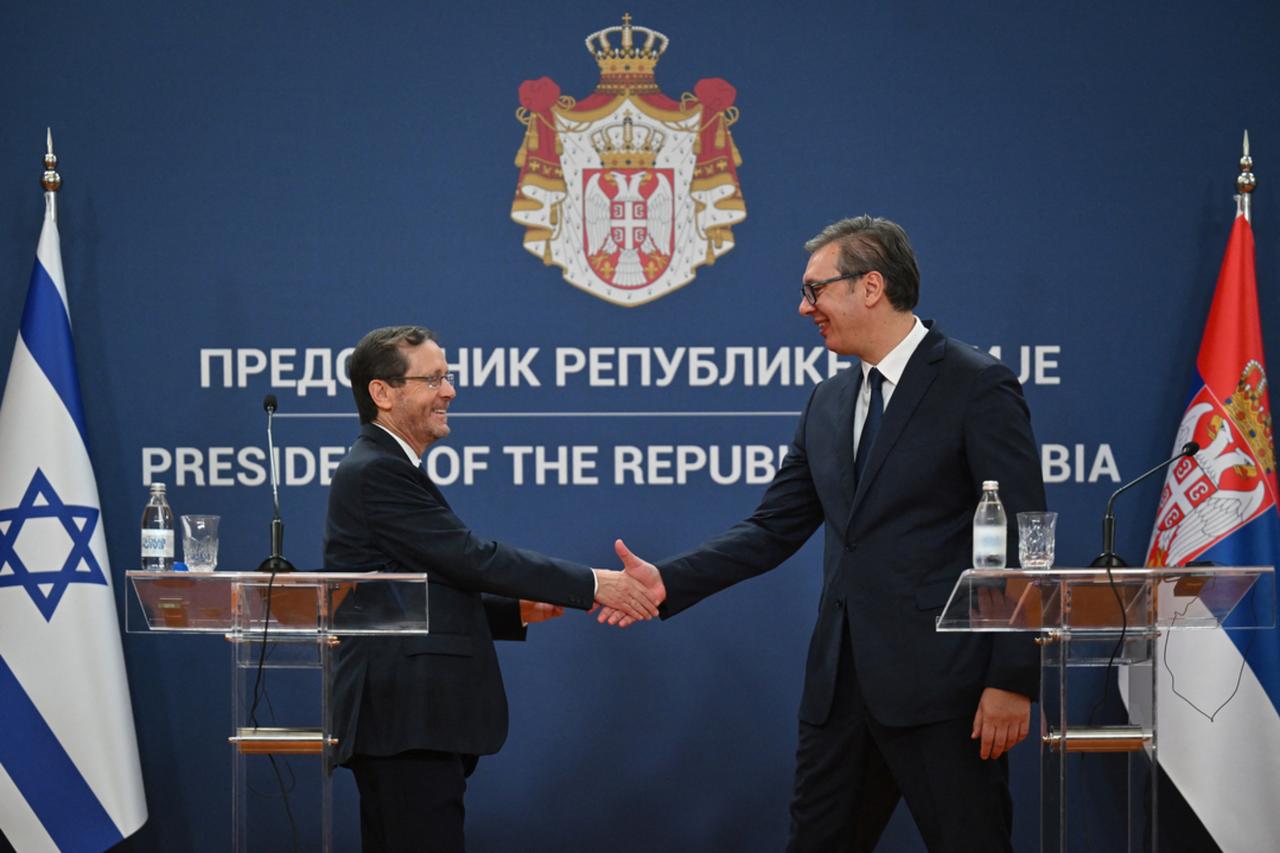
One of the most notable images from the summit was that of Serbian President Aleksandar Vucic attending the gathering despite reported security warnings.
However, behind the photo opportunities, French President Emmanuel Macron and German Chancellor Friedrich Merz pushed a new non-paper advocating for "gradual integration," offering candidate countries early access to the EU Single Market before full membership.
Yet the summit's conclusions ultimately amounted to a familiar exercise: lofty promises of shared prosperity and strict reform conditionalities, but very little immediate or executable action to break the region's geopolitical stagnation.
Albanian Prime Minister Edi Rama also attended the gathering. Alongside Montenegro, Albania is widely seen as one of the region's most promising EU candidates. This time, however, fellow reporters did not ask Rama about the country's EU path but rather about a planned tourism complex.
As thousands of protesters gathered in Tirana against a luxury resort project backed by Trump's daughter Ivanka and her husband, Jared Kushner, Rama told reporters: "There is no project approved yet... First, we need to have the project, then to see the project, then to discuss the project."
He also said there was "no reason to worry." However, the protesters do not appear to be listening to Rama's calm words. If anything, the demonstrations just keep growing.
As the protests in Tirana continue to gain momentum, it remains to be seen how they will end. Still, one cannot help but recall that a similar controversy unfolded in Serbia, again with a connection to Kushner.
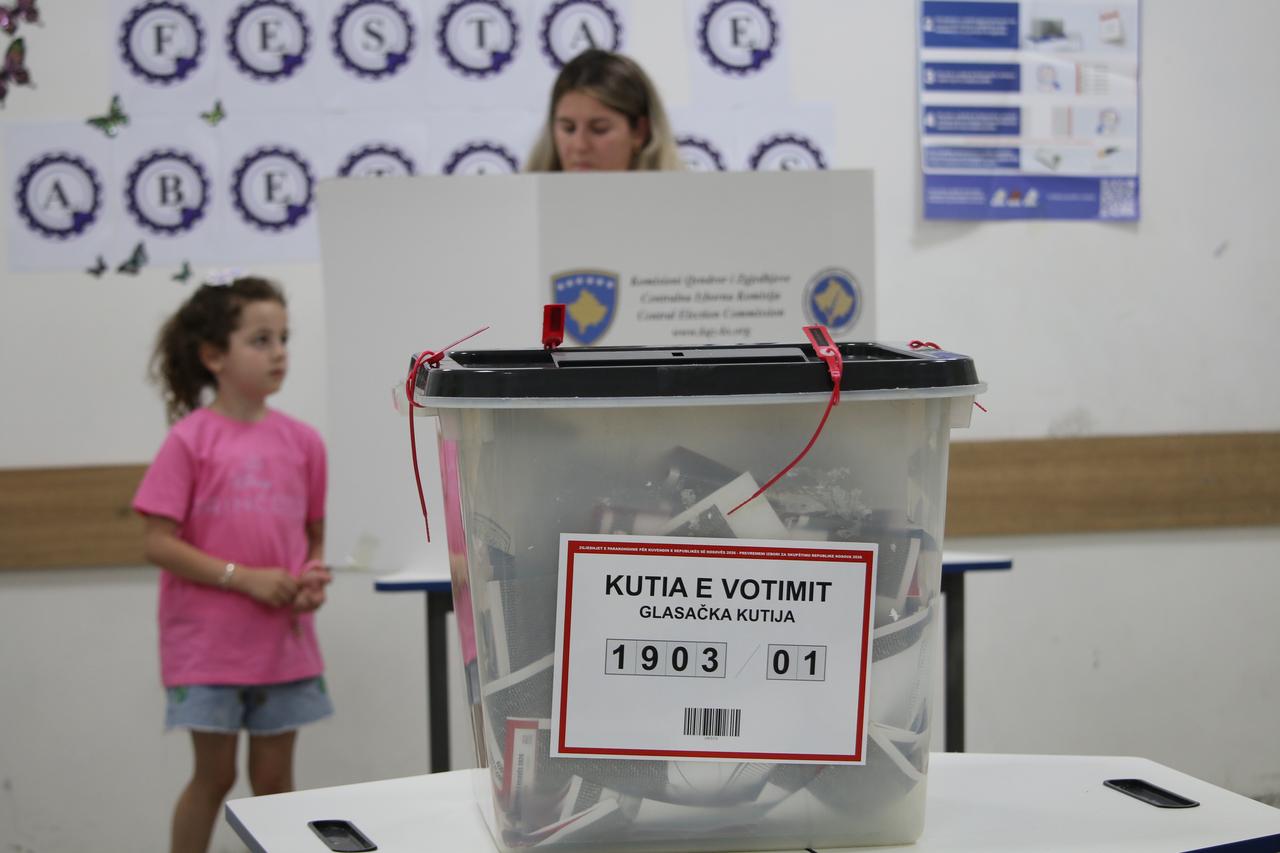

Finally, Kosovo once again experienced a significant political moment. On June 7, the country held its third parliamentary election in less than 18 months. The snap polls were triggered after the polarized assembly failed to elect a new president in April.
The result? I do hope it does not bring more paralysis. Because voters delivered a really powerful message this time. Prime Minister Albin Kurti's Vetevendosje emerged as the largest party with roughly 43% of the vote but suffered a sharp drop in support from its 2025 peak. The most telling metric, however, was turnout, which plummeted to a dismal 36%. The electorate is clearly exhausted by the perpetual political crisis. It is time Kosovo's lawmakers heed the message of these "tired" voters.


 Set as preferred source
 Set as preferred source


 1 min read
 1 min read