Newsletters




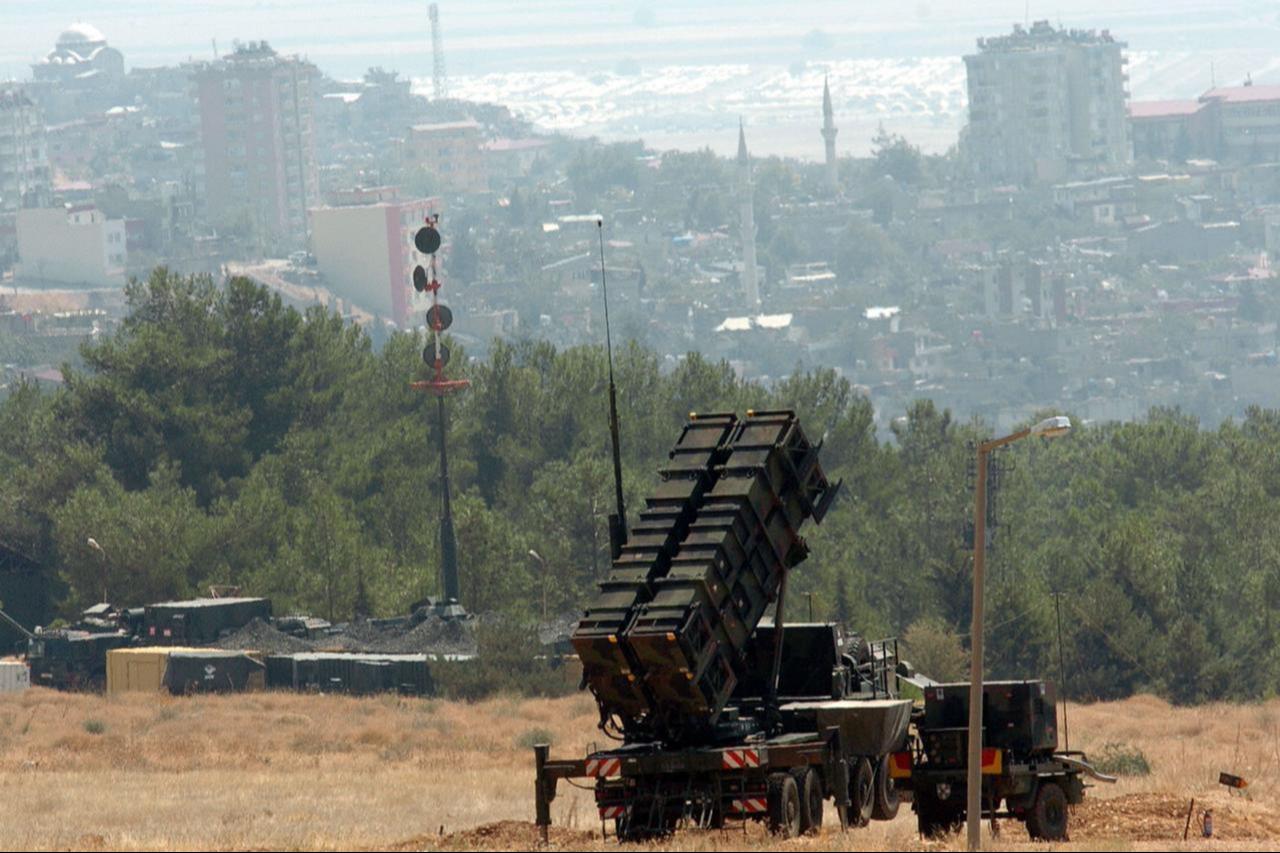
If the Iran war has proven anything, it is that the marriage of necessity between Türkiye and NATO remains indispensable. The dependency is mutual and multi-layered: Ankara requires the alliance’s sophisticated air and missile defense architecture in the short and medium term; in return, NATO gains access to Türkiye’s powerful military, robust defense industries, prime real estate, and diplomatic connections in the long term.
To move beyond mere defensive alignment, Ankara must unleash its "twin Vulcans." In Roman mythology, Vulcan was the dual-natured god of the forge and the flame. He was the master of the furnace but he was also the deity Romans invoked to shield their homes from the very fires he controlled.
A present-day parallel can be seen in Türkiye’s Steel Dome air and missile defense system—alongside its broader arms industry—as well as its dynamic construction sector.
As the war in Iran reshapes assumptions about defense and security, Türkiye, both risk-tolerant and cautious, must undergo major changes in how it builds and protects its people and homes.
The Iran war has proven two opposing notions about protecting one’s skies: Air and missile defense systems are absolutely necessary, but they cannot protect you indefinitely.
A smart adversary can “saturate” your air and missile defense batteries and then target your high-value assets—something Iran has done well, despite all the setbacks it has faced against the U.S.-Israeli onslaught.
Cheap but effective munitions such as Iran’s Shahed-136 kamikaze drones have proven useful against high-value U.S.-made ground-based radars such as the AN/TPY-2 and AN/FPS-132, the E-3 Sentry (AWACS) airborne systems as they sat on the tarmac, and the AN/GSC-52B strategic satellite communications station in Bahrain that enables the previous two systems and others to “talk” to each other.
Amid this chaos, Iran fired another ballistic missile against Türkiye on Monday, the fourth since the U.S.-Israel war on Tehran started on Feb. 28, which was once again intercepted by a NATO asset deployed in the eastern Mediterranean, according to the Wall Street Journal.
Since the first incident on March 4, Türkiye, along with its regional ally and fellow Turkic republic, Azerbaijan, has pursued quiet but firm diplomacy with Iran to avoid getting dragged into the fight.
While diplomacy has worked for Türkiye so far, some countries might try to drag it into their insipid geopolitical agendas. That explains why work on the country’s integrated and multi-layered air and missile defense system, Steel Dome, is progressing at a rapid pace.
Especially the Siper (“Trench”) long-range air defense system, which is expected to acquire initial anti-ballistic defense capabilities by the late 2020s, is key. But that will hardly be enough.
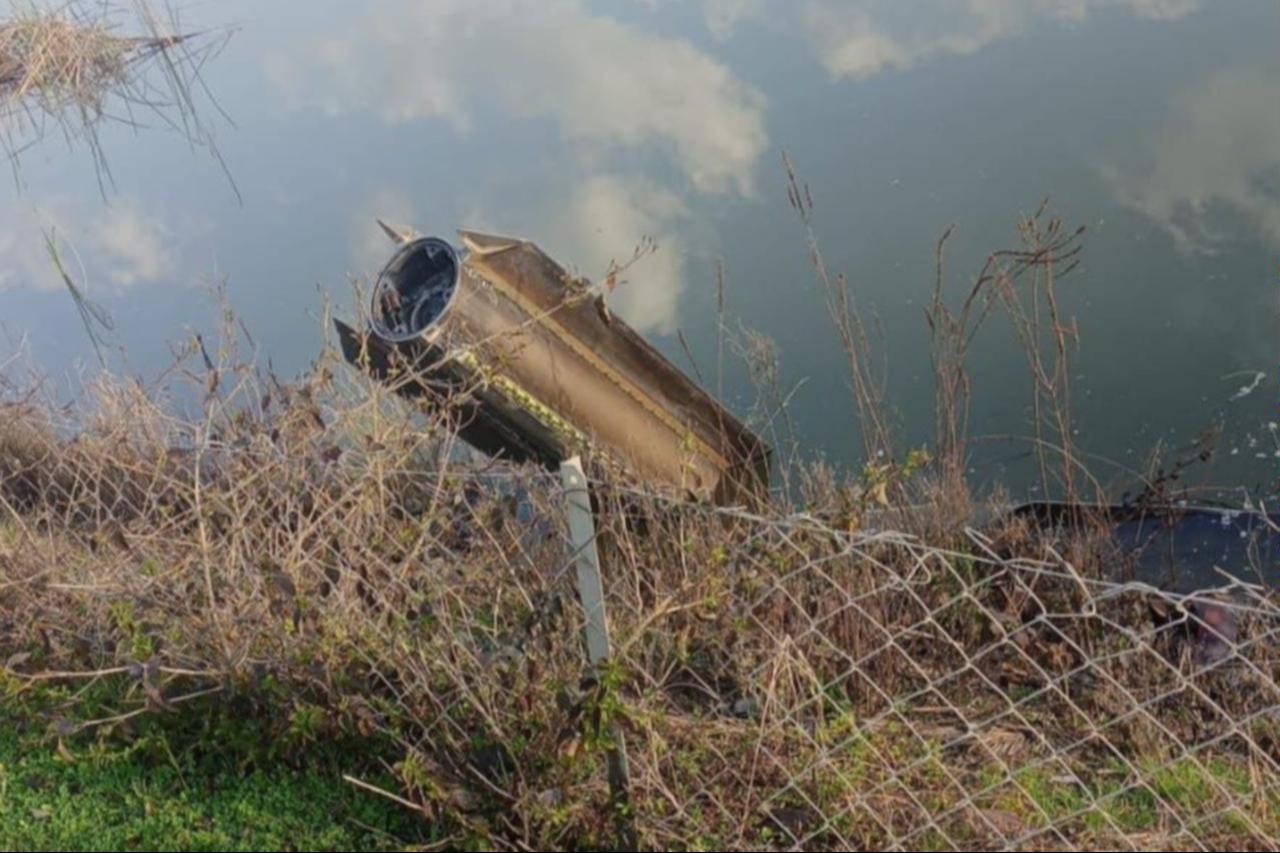

Missile defense is often described as “shooting a bullet with a bullet,” and the same goes for drones and other UAVs if the approaching “bullets” could also change their speed, altitude, and bearing.
Here, Steel Dome, Türkiye’s first Vulcan, will protect its skies with fire and metal and more.
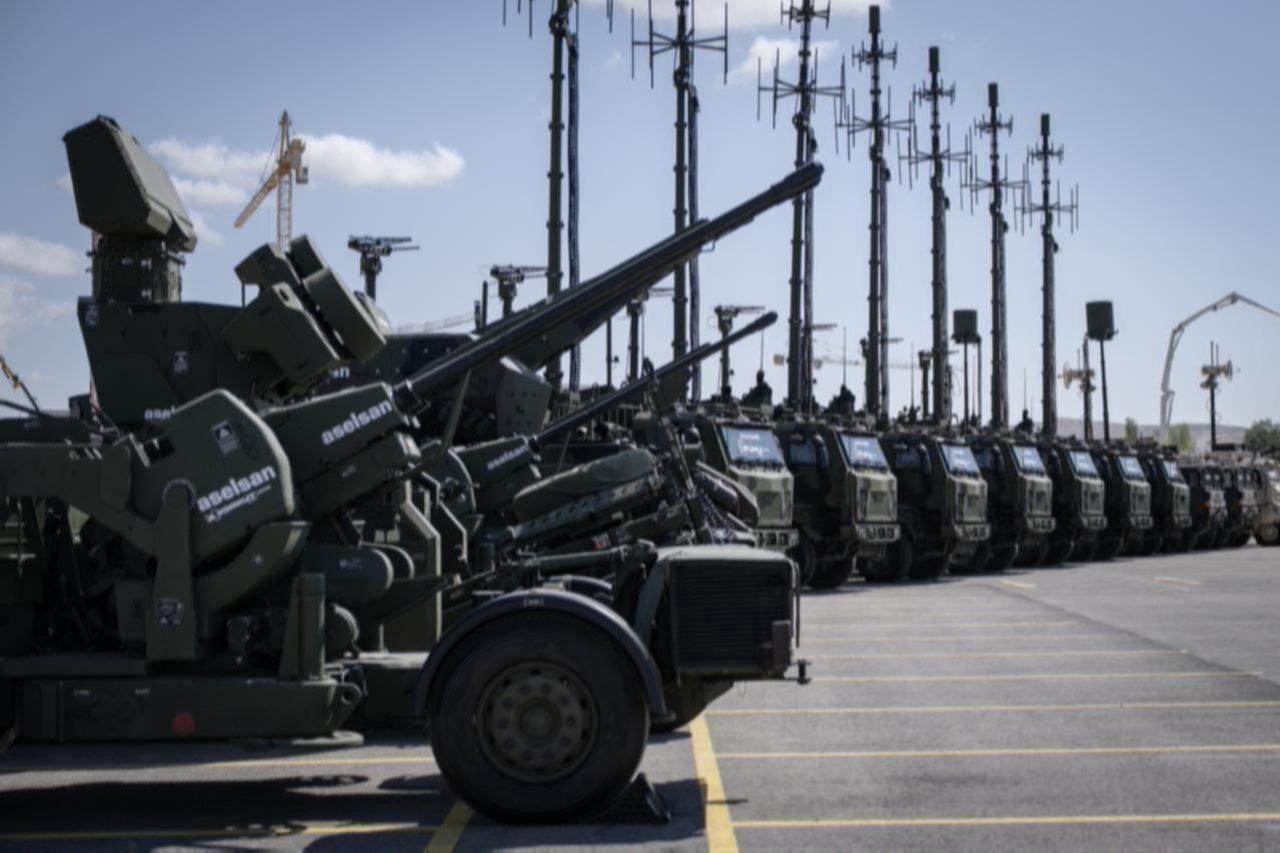
When the system was unveiled in 2024, it featured a layered architecture comprising HISAR (Fortress) and Siper short-to-medium-range missiles. This kinetic defense is supported by sophisticated electronic warfare assets, including Redet—a radar electronic-support and attack system whose name phonetically echoes the Turkish word for "deny." The network also integrates "close engagement" weapons (C-RAM), such as Aselsan’s Korkutand the naval-proven STOP remote-controlled station.
For its part, Gokberk (literally meaning “sky-strong”) uses a futuristic-sounding laser beam to shoot down projectiles at close range, although it is not clear if mass production has started yet.
Meanwhile, another Turkish defense giant, SYS Group, whose Canik Arms became a global powerhouse in small arms in the 2010s, has been working on systems that could be integrated into Steel Dome’s network-centric, multi-layered platforms to defend large swathes of territory but could also be used as a standalone system or for localized defense.
Its new-generation Counter-Unmanned Aerial Systems (C-UAS) can engage rapid drone swarms with high effect using weapons of different calibers and fire rates.
But make no mistake: Türkiye’s work is far from done. Earlier this year, scores of drones that likely came from Russia or Ukraine were discovered in various parts of Türkiye.
Suspected to have gone astray over the Black Sea, one of the drones, a Geran-2 (based on the Shahed-136), was shot down by a Turkish F-16.
Given that it costs thousands of dollars to fly an F-16 for one hour, some Turkish defense and aerospace commentators, such as Turan Oguz and Tolga Ozbek, have suggested equipping Türkiye’s growing fleet of UAVs with radars, sensors, and air-to-air missiles and tracking the country’s airspace 24/7.
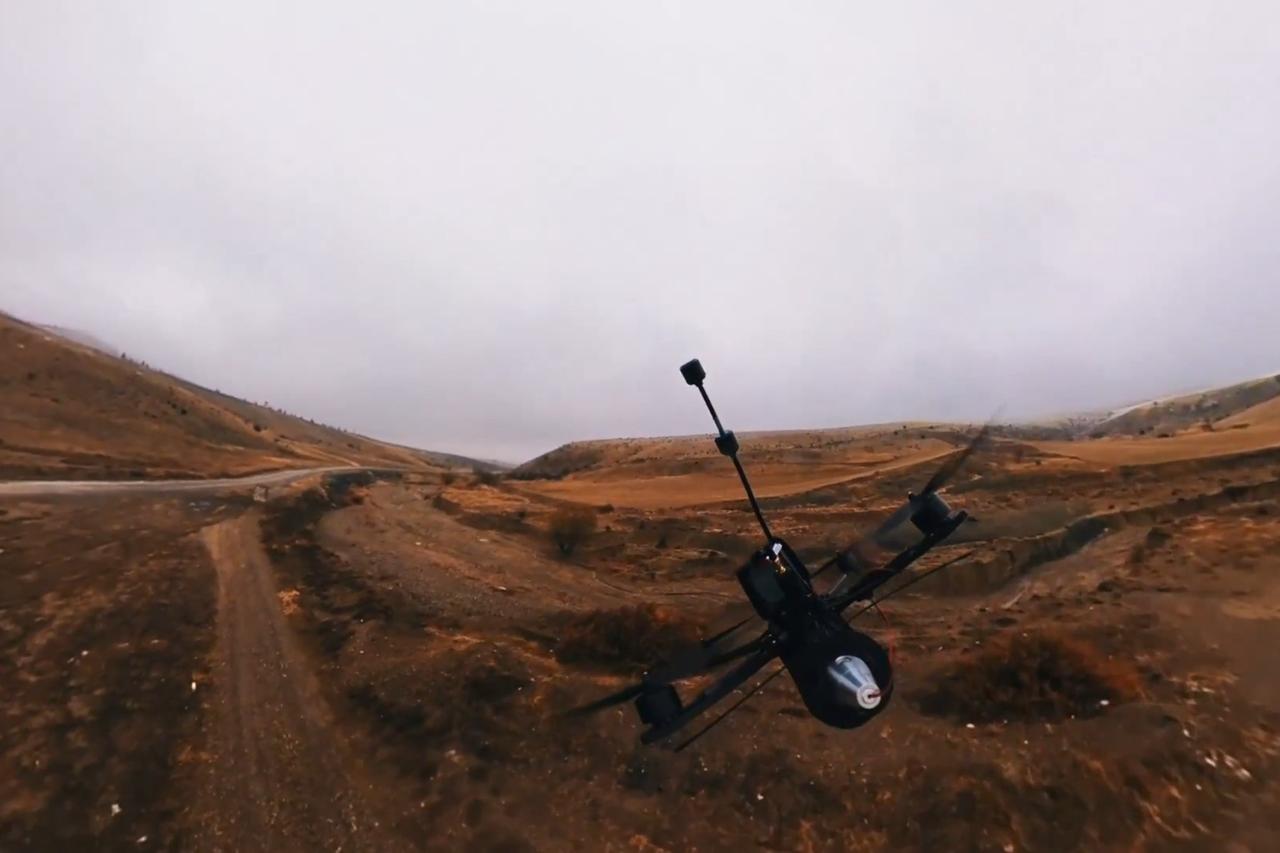
For any drones that manage to “sneak in,” Steel Dome could task Baykar’s K2 “kamikaze” drone, SkyDagger, or more rapid versions of the quadcopter STM Kargu to finish the job.
Besides ground and aerial assets, a truly effective air, missile or projectile defense will have to include space-based satellites, air- and missile-defense warships and coastal platforms, as well as early warning radars and sensors in friendly countries near and far.
Once it covers most of the Turkish homeland by the 2030s, and some nearby allies, Steel Dome will provide for all of the above, but even then, Türkiye would have to do more in the face of “saturation” attacks, because something will always get through.
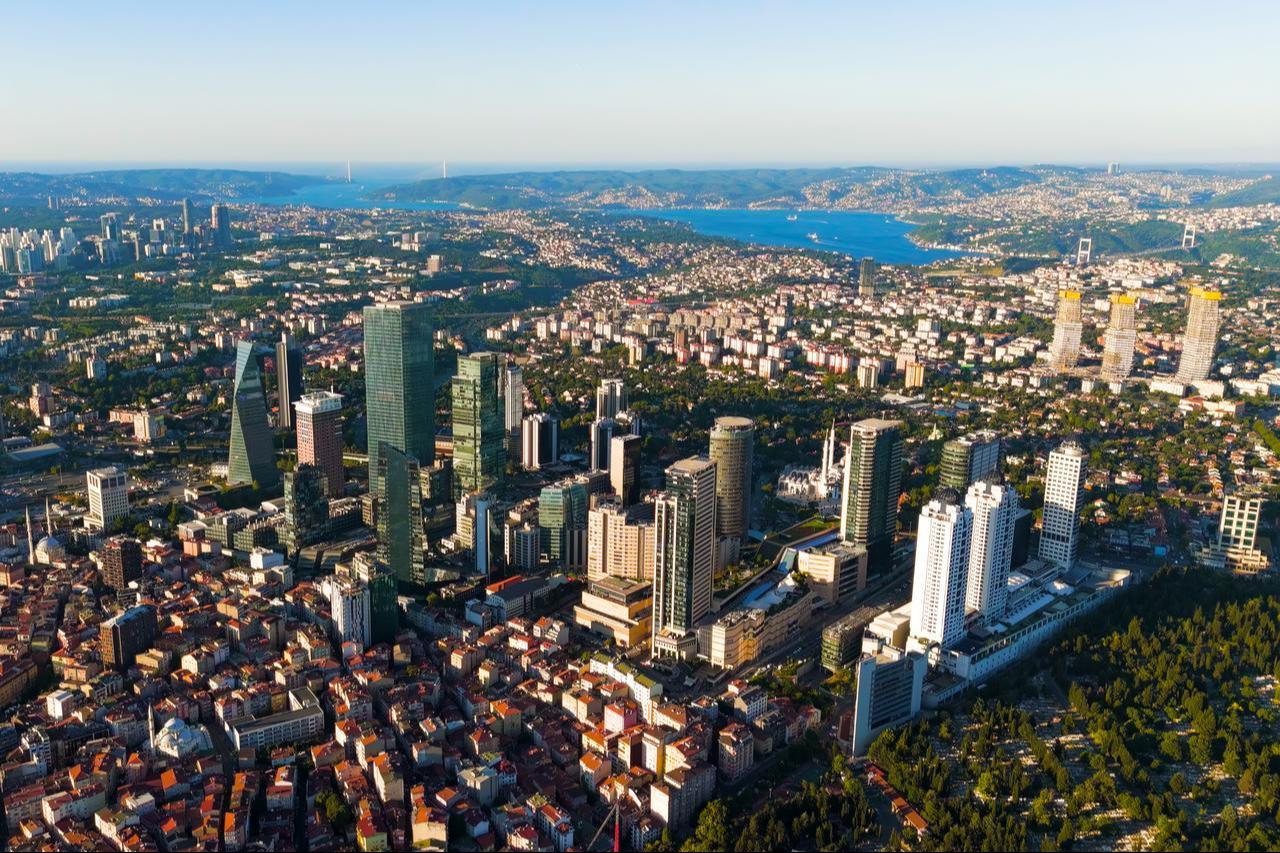
That brings us to our second Vulcan—avoiding fires. Given that even an air and missile defense system out of science fiction will never be enough, Türkiye will still need to rethink its current model of urbanization, which involves concentrating citizens into a half dozen or so megacities.
At present, Istanbul’s population is believed to have reached 20 million. The capital, Ankara, is likely closer to 8 million than the official 6 million and Izmir is at 4.5 million, with Bursa trailing around 3.2 million.
How did these cities come into being? Rapid urbanization led to shanty towns or shoddy construction in the 20th century.
Although population growth has now plateaued, continuing demand for housing and the need to bulldoze and build new buildings—especially following the twin earthquakes of Feb. 6, 2023—means Türkiye’s construction sector has its job cut out for.
A controversial new law now enables developers and local administrations to relocate citizens who live in substandard buildings, but the variations in real-estate prices mean people are often relocated away from their traditional neighborhoods, while some contractors and others pocket massive fortunes.
Instead of concentrating citizens in Istanbul, Ankara, Izmir, Bursa, Antalya, Gaziantep, Adana, and Sanliurfa, it would be better to add new neighborhoods to small and medium-sized towns with populations of 10,000 or 100,000 while improving social services and career opportunities in those growing towns.
For any future adversary, it would be much more costly to attack Türkiye’s few high-density population areas with their many skyscrapers than smaller towns with low-density dwellings that also have underground shelters.
This is not just about national security or geopolitical needs either: Even without major external threats, limited public spaces, parks, and sports facilities in Türkiye’s major metropolitan areas harm the physical and mental development of people from all walks of life, especially the youth.
It is important to maintain an urban planning philosophy that prioritizes human needs and supports healthy living and social interactions.
In this context, policies that promote a more balanced distribution of population and economic activity across the country should be encouraged.
Making small- and medium-sized cities more attractive, planning new residential areas with lower density, and strengthening social infrastructure would both improve quality of life and reduce vulnerability to disasters—especially earthquakes and flash floods.
This approach would have to provide for replanning Turkish cities, reducing the sharp divide between urban and rural areas, promoting sustainable agriculture and livestock production, and encouraging a more balanced settlement pattern that would strengthen Türkiye’s physical and social resilience, an asset more powerful than any weapon system.
Besides regional crises, such solutions would also prepare the country for both environmental threats and the economic and social challenges of the future.
To endure what lies ahead, Ankara must embrace its twin Vulcans: tempering steel for the skies while fortifying the ground beneath its people. Only then, when fire falls, will Türkiye prevail.


 Set as preferred source
 Set as preferred source


 1 min read
 1 min read