Newsletters




For years, Europe has struggled to maintain its internal unity and collective security. The United Kingdom's decision to leave the European Union through Brexit was a significant indication of a nation seeking distance from the European integration project.
However, the statements made by U.S. Vice President J.D. Vance at the 2025 Munich Security Conference demonstrated that these divisions could emerge not only within the EU but also within NATO.
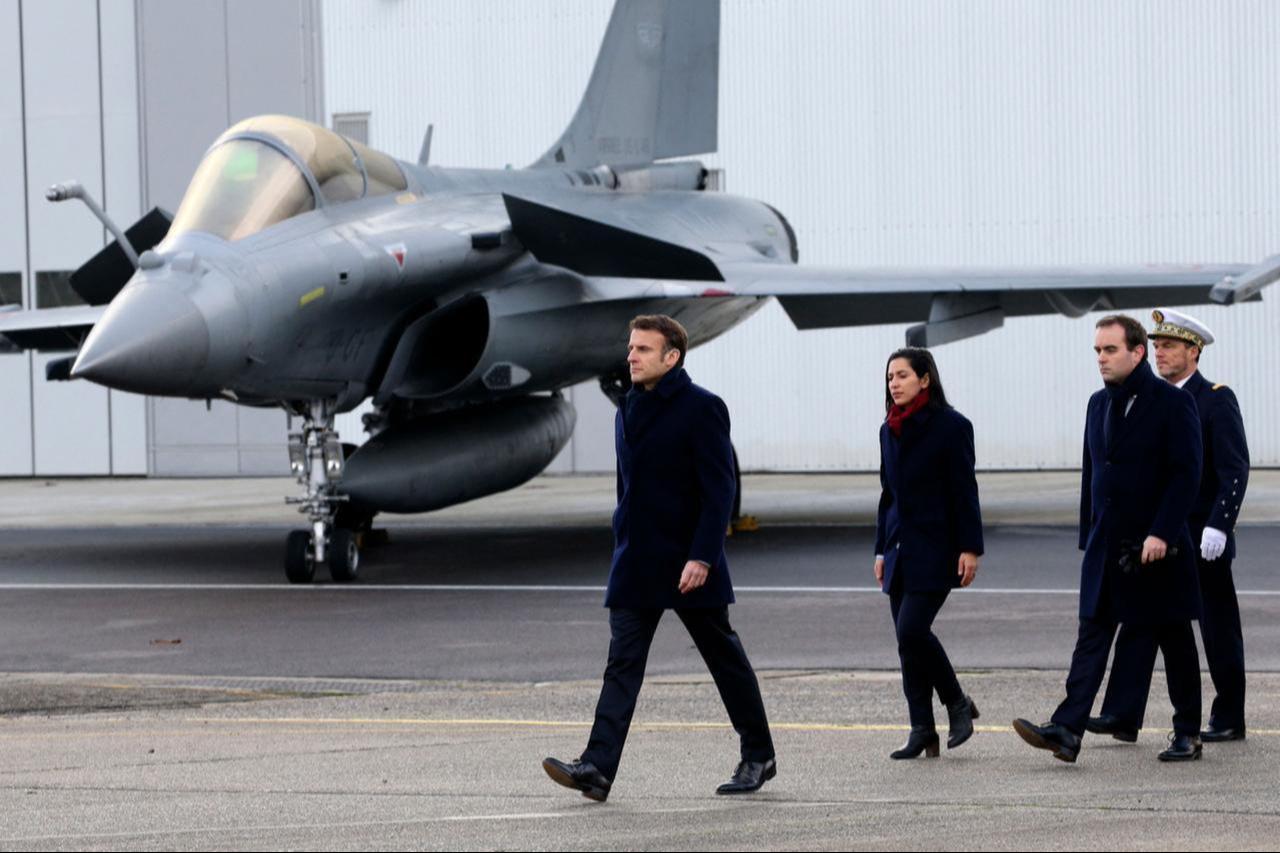
In this context, the joint fighter jet project being developed by Germany and France was seen as a significant stepping stone toward expanding European defense cooperation and forming a common front. This initiative gained particular urgency during a period marked by strained relations with the United States and an increasing Russian threat to the continent. Considering that European countries appear to lag behind powers such as China, Russia, and the United States in military technology, the importance of this project was, in fact, quite substantial for both sides.
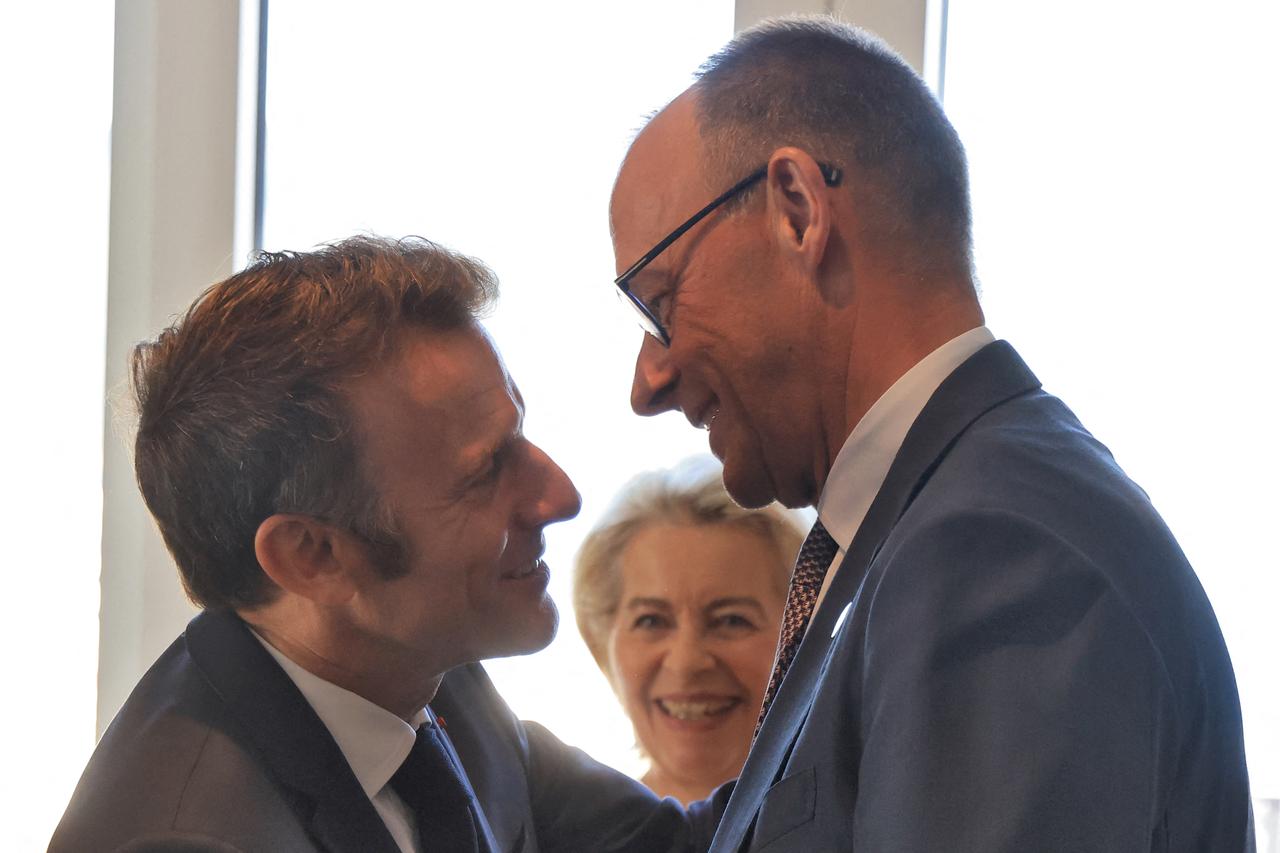
However, following discussions between French President Emmanuel Macron and German Chancellor Friedrich Merz during the EU–Western Balkans Summit in Montenegro, it was announced that the months-long disagreements could not be resolved. The two sides, therefore, decided to cancel the project.
The Future Combat Air System (FCAS) program was launched in 2017 with the aim of replacing the Eurofighter aircraft operated by Germany and Spain, as well as the Rafale jets used by France. The program was designed to be supported by unmanned aerial vehicles, digital communication systems, and sensors capable of operating together in a network-centric combat environment.
One of the key aspects that made the project significant was the message of unity it could send to countries outside the EU. Particularly in light of Russia's activities in Europe and the United States' evolving views on NATO, the project was regarded as a crucial turning point for fostering closer defense cooperation and presenting a common front within Europe.
However, much like the internal frictions within the EU itself, the multi-billion-dollar project has long been plagued by disagreements stemming from the failure to clearly define leadership responsibilities and roles among the participating companies. Disputes over operational authority, work-sharing arrangements, and intellectual property rights ultimately became impossible to resolve.
Leadership of the project was shared between France's Dassault Aviation and Airbus, representing Germany and Spain. Dassault Aviation sought to assume the primary leadership role, whereas Airbus favored a more balanced partnership model.

The reasons why this €100 billion project failed to materialize were not solely related to leadership disputes. The operational requirements of the two countries also differed significantly.
France insisted on an aircraft capable of taking off from and landing on aircraft carriers, as well as carrying nuclear weapons for its own armed forces. Germany, on the other hand, opposed the inclusion of such capabilities in the project. Furthermore, internal debates within Germany persisted regarding whether a sixth-generation fighter jet should be considered a priority among the country's defense needs.
Although joint efforts were undertaken to develop two different aircraft models within the framework of the project, the parties ultimately failed to agree on a mutually acceptable design.
While the joint fighter jet project has been shelved, it would not be accurate to say that the FCAS project has been completely abandoned at this stage. Although the aircraft-centered component of the program has come to an end, work on Combat Cloud in the software domain will continue.
Combat Cloud is an integrated combat network operating on cloud-based logic, enabling all platforms on the battlefield—including fighter jets, unmanned aerial vehicles (UAVs), ground forces, ships, satellites, and command centers—to share data in real time.
Its primary purpose is to combine information gathered from different sensors within a single digital environment to create a common operational picture and accelerate decision-making processes. In this way, data collected by one platform can be instantly transferred to other elements, enabling more effective target detection, threat assessment, and mission coordination.
The announcement of the cancellation of the joint fighter jet project coincided with a period of deepening geopolitical turmoil and growing discussions about a fragmented European military structure. It raises further questions about the prospects of achieving unity within the EU. This is particularly significant because one of the most ambitious initiatives undertaken by the European defense industry in recent years has now come to an end.
This development could also signal a change in direction.
France and Germany may shift their focus from a single joint aircraft project toward developing separate national designs under a common framework.
However, the failure of such an important project, even at a time when both countries are striving to safeguard European unity, strategic autonomy, and the sphere of European sovereignty, is likely to intensify questions about the future of European-centered security and cohesion.


 Set as preferred source
 Set as preferred source


 7 min read