Newsletters


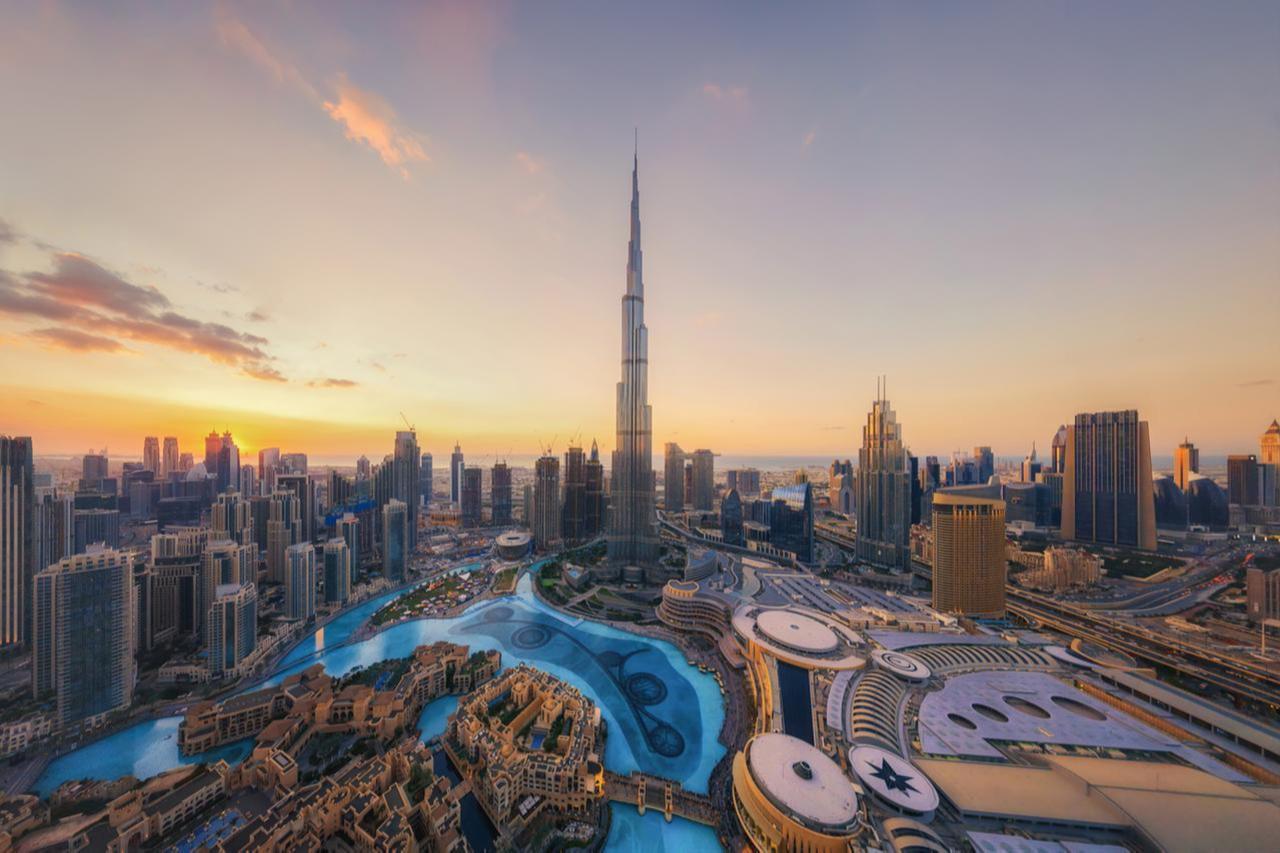


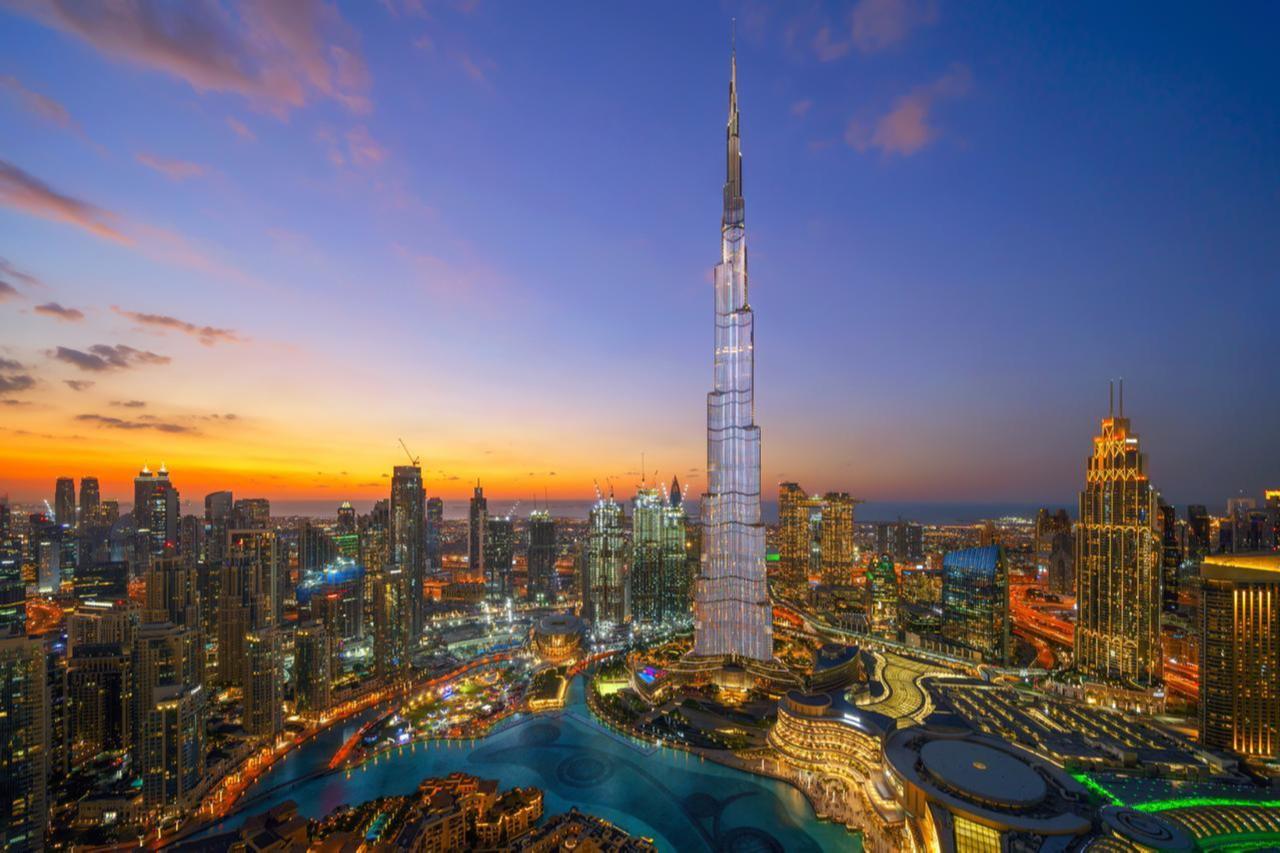
The glittering skyline of Dubai has long served as a testament to the power of ambition, capital, and a relentless "build it, and they will come" philosophy.
For decades, the United Arab Emirates marketed itself as a neutral playground—a Middle Eastern Switzerland where trade trumps ideology and commerce bridges the gaps between belligerent neighbors.
But today, that facade is fracturing. Thanks to its leaders' recent strategic blunders, the era of the "Dubai Dream" as modern times’ most luxurious engineering and construction project is coming to an end.
The fundamental flaw of the UAE, often referred to as a "crystal country," is its inherent fragility.
It is a desert nation built on the transparency of global markets, foreign investments, and the fluid movement of people and goods, disregarding the geopolitical fact that it is located in a restive and rough neighborhood.
In times of peace, its risk-averse model excels. However, the country lacks the structural resilience to withstand a direct hit from significant geopolitical conflicts.
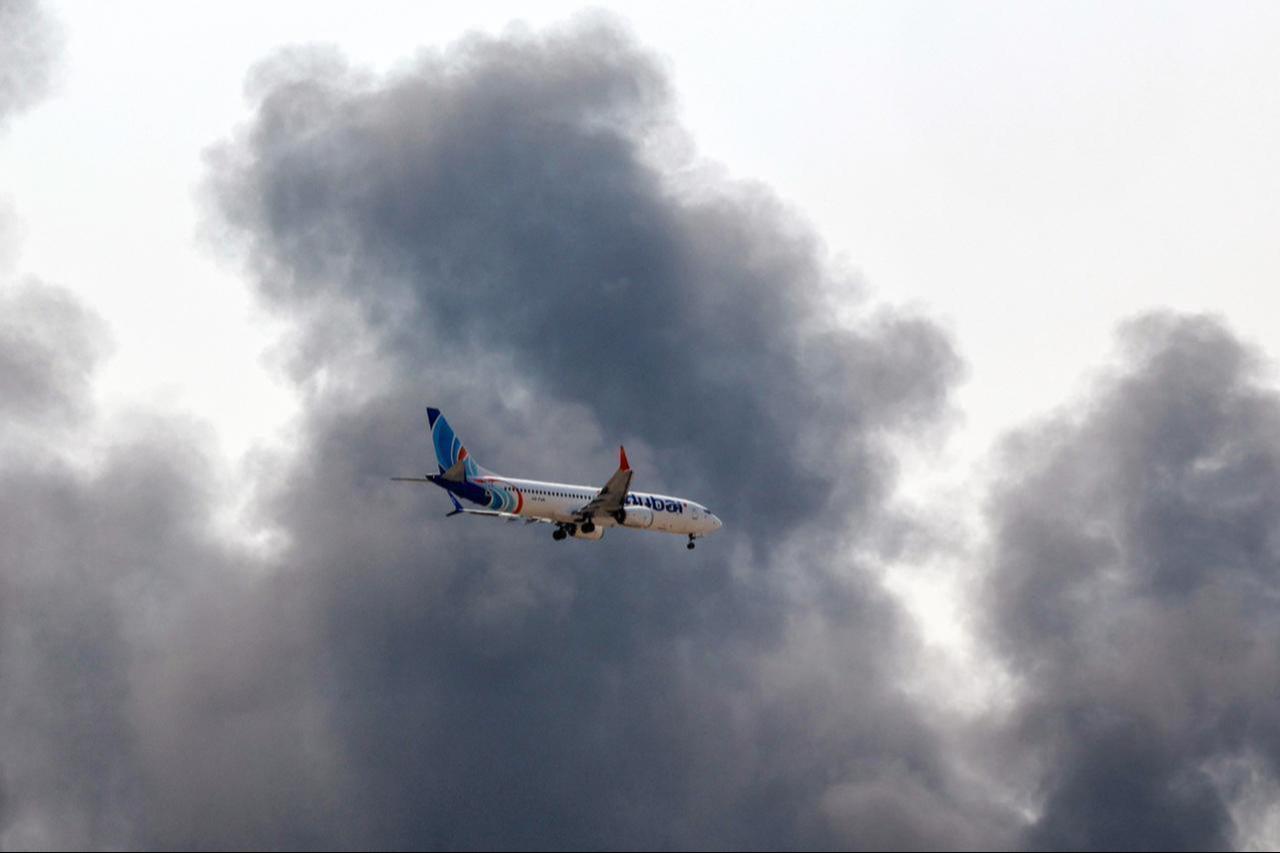

During the 40-day U.S.-Israeli war against Iran, while other Arab Gulf nations practiced restraint, recognizing the catastrophic cost of a regional conflict, the UAE chose a path of active escalation.
This is more than a diplomatic faux pas; it is a fundamental betrayal of the boutique nation’s “survive and thrive” strategy.
The UAE’s hyper-globalized economy is based on aviation, international trade, and luxury tourism. All of these areas require an atmosphere of absolute safety.
By choosing to confront a regional heavyweight like Iran, the Emirati leadership has "bitten off more than it can chew."
The UAE’s decision to respond militarily places its entire economic miracle in the crosshairs of a conflict it cannot win. While Iran thrives on chaos, the UAE's entire success rests on security and stability.
Overconfident in its economic miracle, the UAE has in recent years pursued an assertive foreign policy beyond its weight across the Middle East and Africa, utilizing proxies, financial aid, and strategic investments.
These actions include bombing Yemen and supporting secessionist forces in the south, backing the Rapid Support Forces (RSF)—who are committing war crimes and ethnic cleansing in Sudan—and establishing military and economic ties in Somalia’s breakaway region of Somaliland, which is recognized only by Israel.
These moves by Abu Dhabi put the small country at odds with its powerful neighbors, including Iran and Saudi Arabia.
The UAE’s aggressive foreign policy approach gained momentum with the normalization of relations with Israel. The UAE was the first Arab Gulf nation to move toward this normalization, even as the situation in Palestine reached a fever pitch.
With the ongoing genocide in Palestine and high-casualty Israeli aggression in Lebanon, it is clear that this UAE-Israeli alliance is increasingly unsustainable.
The UAE’s decision to join the Abraham Accords—essentially an effort to forge an Arab-Israeli front against Iran—effectively alienated it from a significant portion of the region.
Now, by doubling down and engaging in hostilities with Iran, the UAE has effectively boxed itself into a corner. Geographically and logistically, the UAE is fully dependent on the Strait of Hormuz.
This narrow waterway is the jugular vein of the Emirati economy. Without maritime security and regional "buy-in" for safe passage, the ports of Jebel Ali become graveyards of a bygone era.
A country built on commerce cannot survive a war of attrition; one cannot sell luxury real estate in a combat zone.
As a sign of a major strategic blunder for the UAE, during Operation "Roar of the Lion," Prime Minister Benjamin Netanyahu and heads of Israeli military and intelligence agencies reportedly made a clandestine trip to meet President Sheikh Mohammed bin Zayed. Netanyahureportedly offered the Emirates the "Iron Dome" defense technology.
Furthermore, the small Persian Gulf sheikhdom crossed the red line in April 2026, committing the unthinkable. As reported by The Wall Street Journal, Emirati warplanes repeatedly carried out strikes on Iran, targeting refineries and other oil facilities.
By escalating tensions and directly attacking Iran, the UAE has abandoned the very neutrality that allowed it to exist and thrive in the first place.
From Tehran’s perspective, these developments confirm that the UAE has effectively become a Mossad and IDF outpost sitting just across the Persian Gulf.
This alignment provides Iran with a heightened sense of justification to target Dubai and Abu Dhabi should a regional conflict erupt.
Ultimately, the UAE has tethered itself to Israel’s deep-seated rivalry with Iran—an enmity that runs deeper than the Emirates' own tensions with Tehran. It is a risky gamble, especially considering the UAE shares a maritime border with Iran, whereas Israel remains safely a thousand kilometers away.
Geopolitical realities require Emiratis to stop being a proxy for Israel. Iran can never tolerate the active presence of Israeli forces near its borders, and the Emirates will no longer be safe for tourism and trade.
Iran has recently announced the creation of the “Persian Gulf Strait Authority” to manage navigation in the Strait of Hormuz. It appears that an Iran-dominated modus operandi has already begun to emerge at the Strait, one that has somewhat stabilized global markets.
The question for the Trump administration is whether it wants to disturb that emerging equilibrium by initiating another war against Iran and risk further damaging the global economy, or let the Islamic Republic get away with its expanded powers.
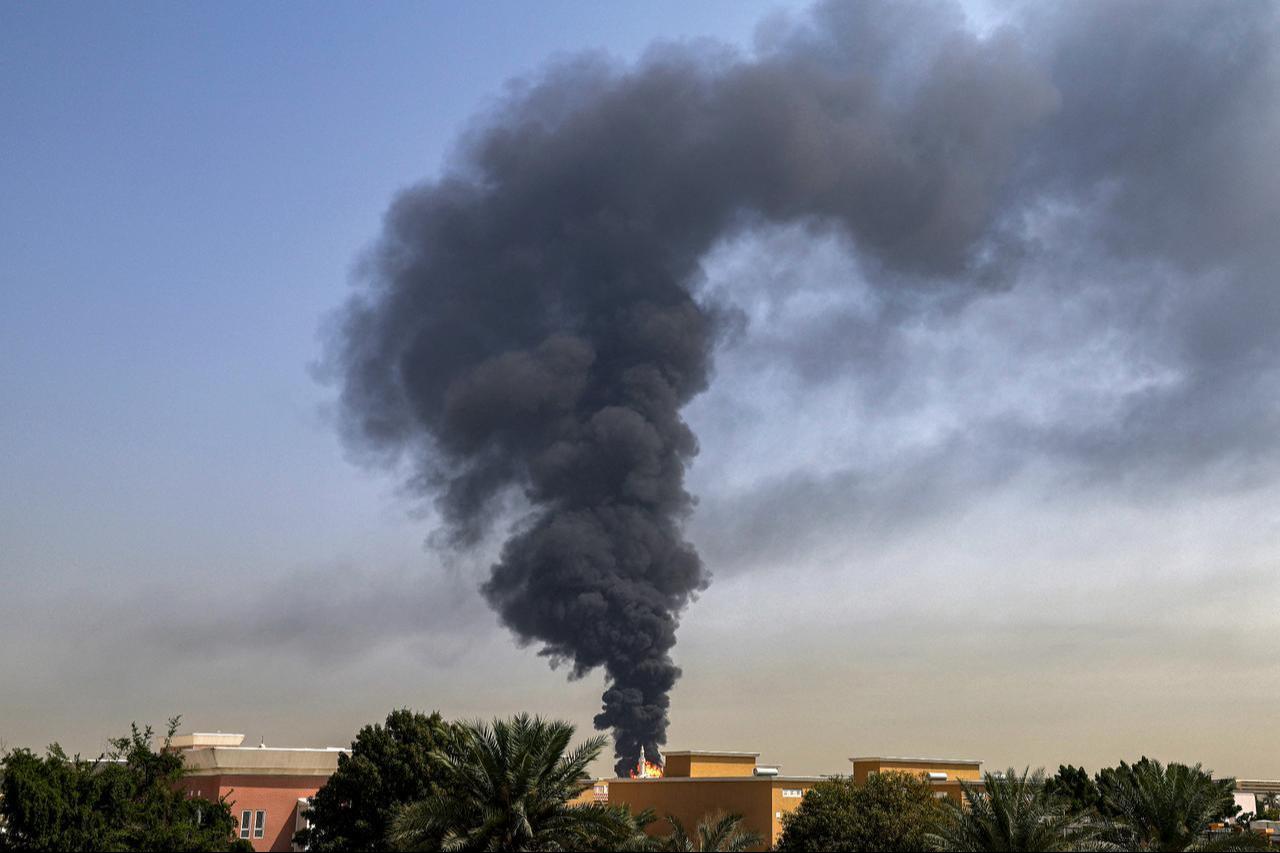
The conclusion of the ongoing U.S.-Israeli conflict with Iran will mark a seismic realignment in Middle Eastern diplomacy, characterized by the gradual collapse of the Abraham Accords and a fundamental erosion of the strategic alliance between the United States and the Arab Gulf states.
Persian Gulf nations have reached a turning point after concluding that Washington prioritizes Israeli security over the protection of its Arab partners.
This disillusionment is rooted in the 40-day war, where the U.S. failed to respond to attacks on Arab oil facilities, leading regional leaders to believe that the American security umbrella is unreliable when their specific interests are at stake.
In response to this perceived abandonment, the Gulf region would gradually shift toward a multipolar framework where Iran is increasingly recognized as a central hegemon.
To manage this new reality, the Persian Gulf states are pursuing diplomatic realism by improving direct ties with Tehran. For instance, Saudi Arabia has floated the idea of a regional non-aggression pact with Iran in the aftermath of the U.S.-Israel war.
They are also diversifying their global security alliances. By deepening partnerships with major powers like China, these nations are moving away from their exclusive reliance on Western security arrangements, effectively ending the era of U.S.-led regional stability.
 2 min read
The UAE is the main loser in the recent conflict with Iran. This conflict undeniably exposed the nation to unprecedented collateral damage and geopolitical risk.
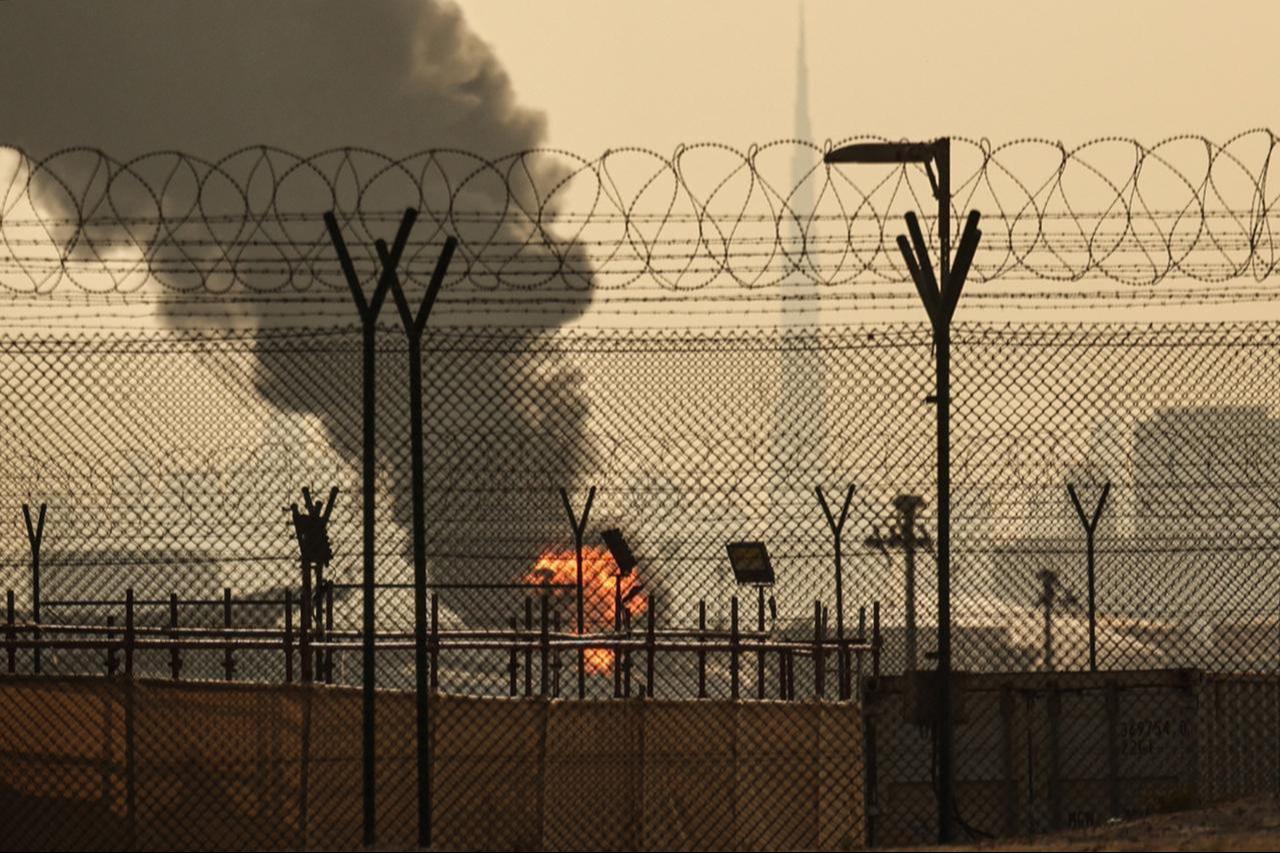
While the UAE absorbed thousands of Iranian projectiles—more than Israel—it also participated in covert military strikes against Iranian energy assets, fundamentally altering its long-standing "safe haven" reputation.
The small country—made up of seven tiny emirates—has no strategic depth. With a native population of only around 1.3 million out of 11.5 million total residents, Emiratis make up just over 10% of their own country.
This is not a population sufficient to sustain hostilities with an Iranian nation of over 90 million, and Israeli help will not save the UAE.
The "Dubai Model" was predicated on the idea of economic prosperity. Once the dust settles on any broader U.S.-Iran confrontation, the regional landscape will be fundamentally altered.
Iran, as a permanent geographic fixture, will likely ensure the UAE can no longer operate with the impunity it once enjoyed.
The Iranian regime is deeply unpopular domestically and may fall in the near future, but no matter the future political structure, Iran has always been a hegemon and will remain a dominant power in the Gulf region.
Conversely, the U.S. is likely to retreat as isolationist voices grow louder, questioning why they are wasting American blood and treasure in the deserts of Arabia.
Iran and the UAE, however, will eternally remain neighbors. Geography is destiny, and this is exactly why—by over-relying on external powers—the Emiratis have made the gravest mistake of their young country’s history: participating in a war of aggression against Iran. For the foreseeable future, the UAE will not be safe again for tourism, trade, and business, and Iranian drones will not cease to inflict pain.
It would not be an overstatement to claim that the era of the Emirati model has come to an end. The crystal-clear transparency that once invited investors now reveals a nation overextended, exposed, and vulnerable.
The "Emirati Dream" is no longer alive.
The lights of the Burj Khalifa may still shine, but the foundation beneath them has already started to tremble.


 Set as preferred source
 Set as preferred source


 1 min read