Newsletters


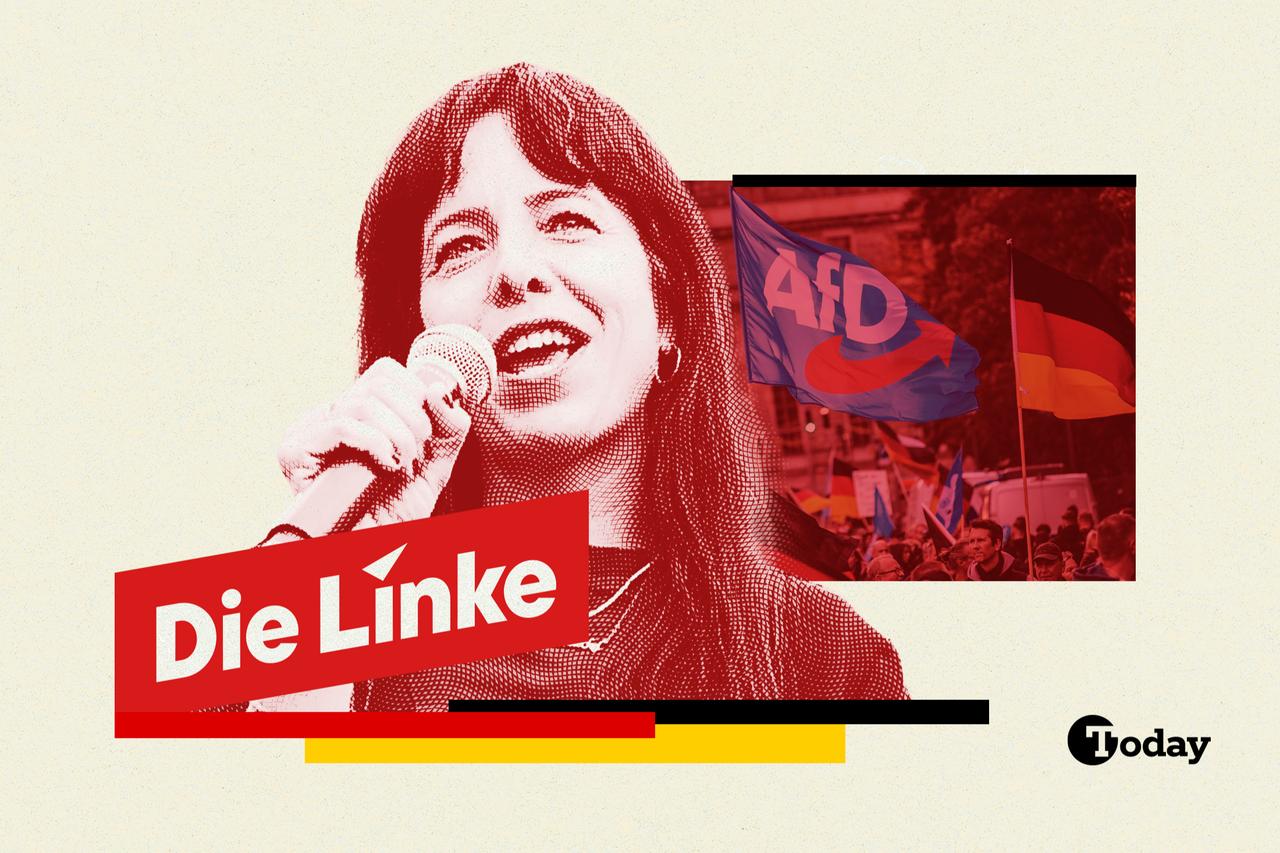


How does a party lose the capital and still walk away smiling?
Ask Alice Weidel. On Sept. 21, 2026, the day after Die Linke took Berlin, the AfD co-leader told the federal press conference: "Congratulations to the CDU. We have replaced them as the people's party." It was bravado, but it was also strategy. Berlin's left-wing victory may have handed the AfD a Trojan horse for 2027.
Berlin voters had upended the capital's political balance. On Sept 20, 2026, Die Linke took first place with 25.7% of second votes, winning 47 of 158 seats in the state parliament.
That surge grew out of immigrant neighborhoods. In working-class districts like Neukolln and Wedding, Turkish and Arab families mobilized around tenant protections and civic equality.
At the center of that mobilization stands Elif Eralp. Born in Munich, the Bavarian capital, to Turkish socialist parents who fled the 1980 coup in Türkiye, the 45-year-old jurist won the direct mandate in Friedrichshain-Kreuzberg by championing civil liberties.
Housing policy defined the broader campaign. Eralp committed her party to implementing the 2021 referendum under Article 15 of the Basic Law, targeting commercial landlords like Vonovia and Deutsche Wohnen to secure affordable rents.
Following that breakthrough, progressive parties moved quickly. On Sept. 23, 2026, Die Linke elected Eralp parliamentary group leader as exploratory talks opened with Alliance 90/The Greens and the Social Democratic Party of Germany (SPD), a combination that would secure a 95-seat governing majority.


The AfD does not fear Eralp's victory. Far-right strategists welcome it as an opportunity to stoke an anti-Muslim culture war ahead of the 2027 federal election.
The party's performance in Berlin illustrates that calculation. The AfD won 16.3% and 29 seats on Sept. 20. Berlin leader Kristin Brinker celebrated that count as a "brilliant result," promising strong opposition against left-wing experiments.
However, winning opposition seats in Berlin is not the AfD's primary concern. National party strategists are using the capital's election to prepare for the 2027 federal campaign.
A few weeks earlier, the AfD had demonstrated its eastern power. On Sept. 6, 2026, lead candidate Ulrich Siegmund steered the AfD to 43.8% in Saxony-Anhalt, winning 39 of 83 seats in Magdeburg, the state capital, as the Christian Democratic Union (CDU) sank to 17.2%.
Siegmund's campaign showed how that strategy works. He relied on social media to convince provincial voters that traditional communities faced a cultural siege, and Berlin provided the national foil his messaging required.
Hours after the vote, party headquarters responded. AfD strategists pointed to Berlin "as proof of terminal decline, demanding federal intervention, a halt to naturalizations, and mass deportations."
Election night handed the far right immediate ammunition. When Der Spiegel revealed that figures from the Remmo family, a prominent crime clan, attended Die Linke's victory party, a scandal erupted. Leaked messages with the clan forced Bundestag deputy Ferat Kocak into a public apology. The AfD capitalized on the scandal. Party channels circulated footage across TikTok and Telegram to portray Berlin as captive to clans.
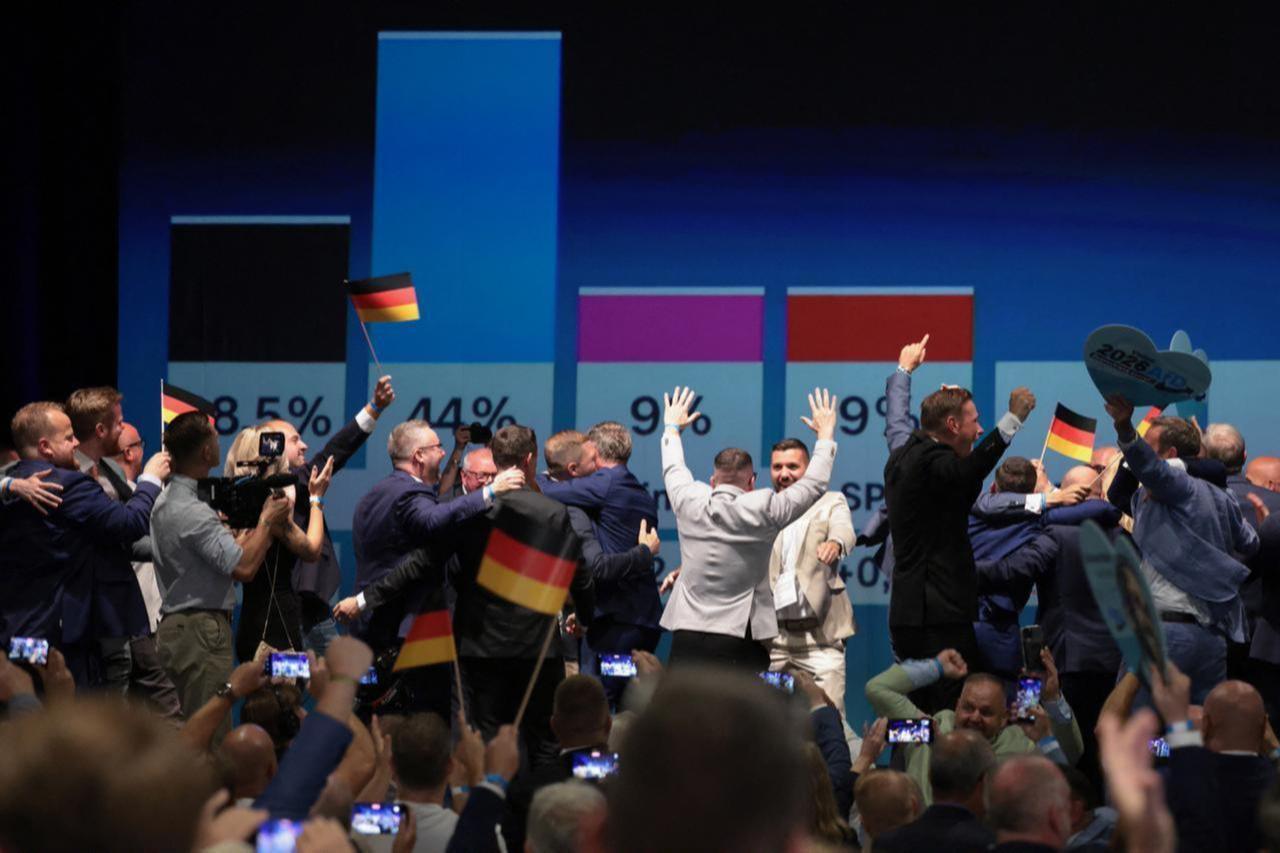
The AfD's primary audience sits far outside Berlin. While the far right captured 43.8% in eastern Saxony-Anhalt, it remains stuck below 18% in western states.
For federal campaign managers, Berlin is the key to cracking western Germany. In the west, stronger unions and greater wealth blunt the party's economic pitch. To expand, the AfD relies on cultural panic. By broadcasting clips of Arab celebrations on Sonnenallee, Neukolln's central boulevard, the party seeks to alarm voters in North Rhine-Westphalia and Bavaria.
To be sure, Weidel rejects the argument that her party welcomes socialist victories. The AfD insists Eralp's election is an acute security emergency signaling the Islamization of state institutions, pointing to clan figures and activists as evidence of collapse. Nonetheless, that declared alarm masks an opportunistic electoral tactic.
The far right's cultural narrative directly constrains mainstream conservative strategy. On Sept. 21, Chancellor Friedrich Merz called the setbacks in Berlin and northeastern Mecklenburg-Vorpommern a "deep rupture" for the CDU. Facing backbench pressure, Merz risks adopting harsher rhetoric to prevent defections.
For Germany's Muslim diaspora, that political backlash carries severe costs. Immigrant families in Neukolln and Wedding cast their ballots primarily as working-class renters demanding affordable homes.
Mainstream conservatives responded by targeting their civil status. Because the far right framed their turnout as a cultural threat, CDU lawmakers introduced federal motions to roll back the 2024 dual citizenship law and expand surveillance in migrant districts. By turning a municipal rent dispute into a national security panic, establishment parties make immigrant rights the collateral damage of their competition with the far right.
Mainstream parties risk falling into an obvious trap. When establishment conservatives in the CDU and the Christian Social Union (CSU) adopt far-right demands like blanket border checks and naturalization freezes, voters choose the original over the copy. By treating Berlin as a national crisis, Merz helps the AfD own the debate instead of weakening it.
 2 min read
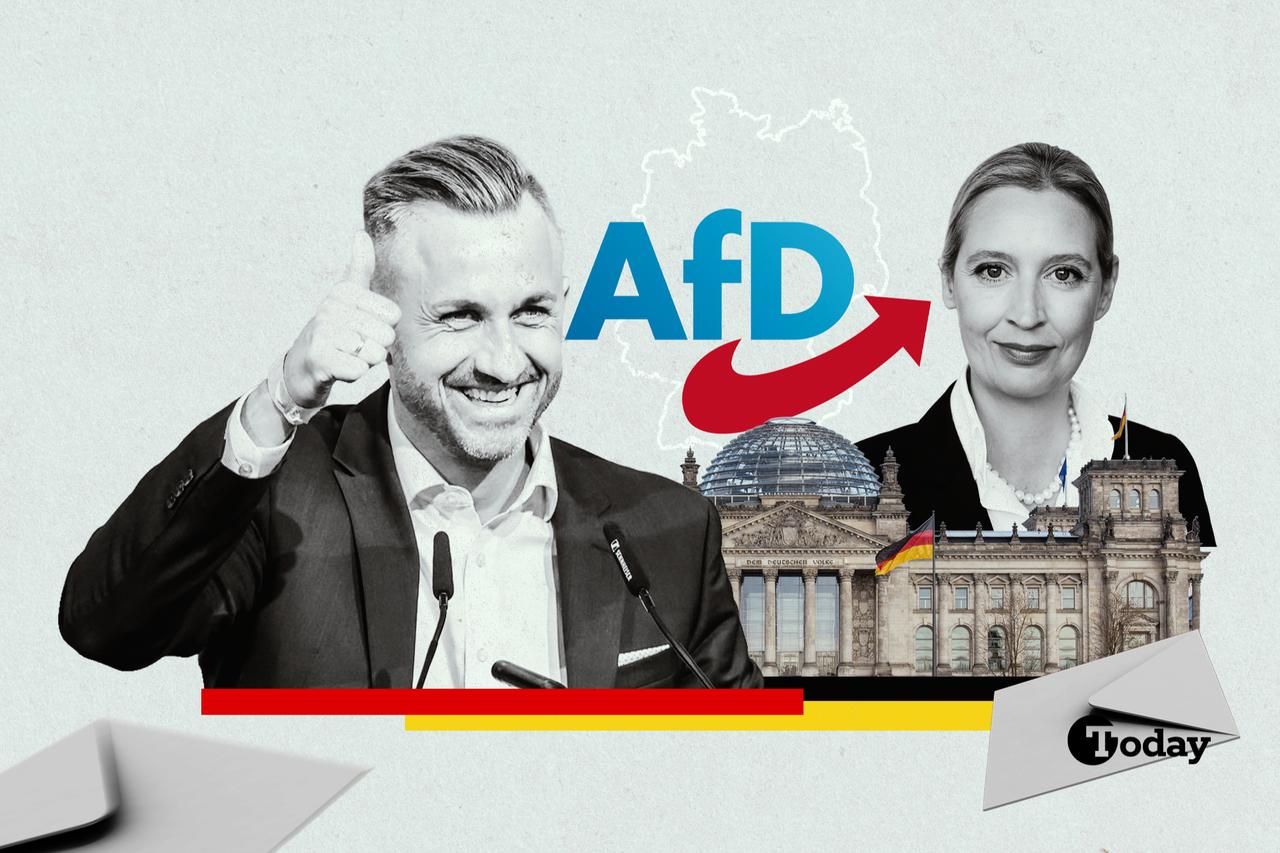
Material governance offers the only viable way to dismantle Weidel's strategy. When the AfD co-leader claimed to have replaced the CDU as Germany's people's party, she was betting that a progressive Berlin would produce symbolic paralysis.
If the prospective Senate proves that a multi-ethnic coalition can protect working-class living standards, the AfD's Trojan horse will remain empty. If the CDU and CSU continue to validate far-right panics, establishment conservatives will merely pave the way toward their own defeat in the 2027 federal election.


 Set as preferred source
 Set as preferred source




 1 min read